
Table of Contents >> Show >> Hide
- Why Brides Want a Bouquet That Lasts
- What “Clay Flowers” Actually Are
- My Clay Bouquet Design Process (a.k.a. How the SausageEr, BouquetGets Made)
- How Clay Bouquets Compare to Other “Forever Flower” Options
- Timeline and Cost: What to Expect
- How to Choose a Clay Bouquet Artist (Without Getting Bamboozled)
- How to Care for a Clay Bouquet So It Actually Lasts Forever
- Display Ideas: Don’t Let It Live in a Closet Like a Guilty Secret
- Experiences: What It Feels Like to Carry “Forever” Down the Aisle (Extra )
- Conclusion: Forever Flowers, Zero Regrets
Fresh flowers are stunning. They’re also dramatic. They wilt, they bruise, they decide to go brown the moment you look away, and they absolutely do not care that you paid a small fortune for them.
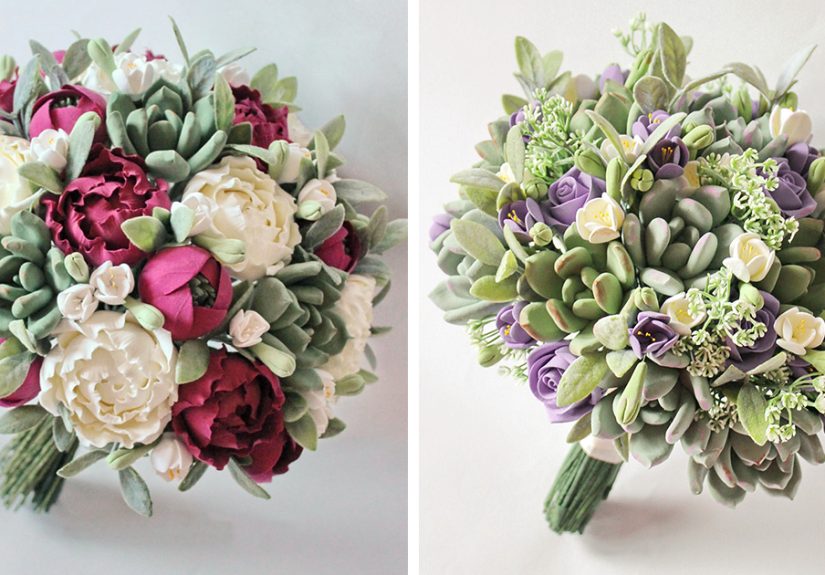
That’s why I make clay bouquets: bridal bouquets made from hand-sculpted clay flowers that don’t droop, don’t shed, and don’t need a pep talk in a vase of water. Brides can keep them foreveron a shelf, in a shadow box, on a coffee table like a tiny floral trophy that says, “Yes, I did the thing.”
If you’ve ever wished your wedding bouquet could stay as perfect as it looked walking down the aisle, welcome. Let’s talk about what clay bouquets are, why they’ve become a serious wedding bouquet alternative, and how the whole “forever flowers” magic actually happens.
Why Brides Want a Bouquet That Lasts
Weddings are basically a greatest-hits album of fleeting moments: the first look, the vows, the dance floor chaos, the cake that somehow gets on someone’s outfit. Flowers are part of that storycolor palette, vibe, season, and personality all bundled together in one armful.
But fresh bridal bouquets are temporary by design. Even the best bouquet preservation methodsair drying, silica gel, resin, pressing, or professional freeze-dryingchange the look and feel of the original flowers. Some methods keep shape better, others keep color better, but none of them rewind time. Clay bouquets skip the heartbreak by starting as a keepsake from day one.
Common reasons people choose clay bouquets
- They want a true keepsake bridal bouquet they can display for years.
- They’re planning far ahead and don’t want to gamble on seasonal availability.
- They have allergies or want a no-sneeze ceremony.
- They’re traveling for a destination wedding and want a bouquet that can handle the journey.
- They love custom detailslike matching a heirloom ribbon, a grandma’s garden rose, or a favorite wildflower.
What “Clay Flowers” Actually Are
“Clay bouquet” can mean a couple of different things, and the material matters because it affects realism, durability, and cost.
Polymer clay flowers
Polymer clay is shaped by hand and cured (baked) at a low temperature. It’s popular for realistic petals because you can get crisp edges, delicate curves, and strong finished pieces that won’t crumble when someone hugs you like they’re trying to merge souls. Polymer clay also accepts color beautifullyboth mixed into the clay and dusted on the surface for natural gradients.
Cold porcelain (air-dry) flowers
Cold porcelain is an air-dry modeling clay typically made from cornstarch and white glue (PVA), often with small additions that improve flexibility and reduce cracking. It can create very thin, translucent petalsespecially for flowers like ranunculus or sweet peaswithout an oven.
Hybrid bouquets
Some bouquets combine clay blooms with other long-lasting elements like preserved greenery, silk accents, or sola wood flowers. (Sola wood flowers are made from the soft core of the shola plant and can be dyed to match wedding colors.) Hybrids can lower cost, add texture, and make a bouquet feel extra lush.
My Clay Bouquet Design Process (a.k.a. How the SausageEr, BouquetGets Made)
Step 1: The vibe check (consultation + inspiration)
Before I touch clay, I ask the questions that matter: What’s the dress like? What’s the venue? What’s the season? Are we going romantic garden, modern minimal, wildflower meadow, or “I want it to look like a Dutch still-life painting, but make it bridal”?
Brides usually send a mood board: color palette, a few favorite flower varieties, and photos of bouquets they love. From there, we decide on a “hero flower” (the star of the show), supporting blooms, greenery, and any personal detailslike a charm, a brooch, a ribbon from a family dress, or a wrap in the groom’s favorite color.
Step 2: Color matching that doesn’t look like a crayon fight
Real flowers aren’t one flat shade. A white peony has warm and cool areas. Blush roses have deeper centers. Even “green” eucalyptus isn’t just greenit’s gray-green, blue-green, sometimes silvery.
For clay flowers, I build color in layers. That can mean mixing custom clay colors, then adding surface shading with powders or paints for realistic depth. The goal is “photographs like fresh,” not “looks like it belongs on a kid’s birthday cake.” (No offense to birthday cakes. They’re doing their best.)
Step 3: Sculpting petals and shaping blooms
Each flower type has its own architecture. Roses spiral. Dahlias stack. Anemones have that bold center. Orchids are basically botanical origami.
I shape petals individually, thin the edges, and create natural variationsbecause in nature, symmetry is more of a suggestion than a rule. I’ll often make multiple petals in slightly different sizes so the bloom opens naturally, like it’s mid-sigh.
Step 4: Curing, drying, and durability checks
If I’m working with polymer clay, curing is where strength is born. Pieces are baked according to the clay manufacturer’s instructions, with careful temperature control so petals cure fully without scorching. If I’m using cold porcelain, drying is slower and requires attention to humidity, support, and gentle handling to prevent warping or cracking.
After curing/drying, each flower gets a durability once-over: edges checked, stems reinforced, and surfaces sealed (if needed) to protect color and reduce scuffs.
Step 5: Building the bouquet (structure is everything)
A bridal bouquet has to look effortless… while secretly being engineered like a tiny bridge.
I wire stems, tape them for a smooth finish, and arrange blooms so the bouquet has shape from every angle: front-facing for photos, a pretty side profile, and a back that doesn’t look like “the bouquet’s messy bun day.” Greenery and filler flowers soften transitions, add movement, and keep the design from looking too “perfect.”
Step 6: Finishing touches
- Handle wrap: satin ribbon, velvet, raw silk, lace, or a custom fabric wrap.
- Personal details: charms, heirloom pins, or a hidden “something blue.”
- Travel-ready packaging: padding, supports, and a box that treats the bouquet like the artwork it is.
How Clay Bouquets Compare to Other “Forever Flower” Options
Fresh bouquet preservation (after the wedding)
If you love the idea of keeping your actual wedding flowers, preservation can be beautifulbut it’s a separate process with tradeoffs. Air-drying is simple and keeps a bouquet intact, but flowers often shrink and fade. Silica gel can hold shape and color better, but it’s a careful DIY project. Resin creates dramatic keepsakes, but it permanently changes the look and texture. Professional freeze-drying can look the most “like the wedding day,” but it’s typically the most expensive and takes time.
Silk flowers and artificial bouquets
High-quality silk can look fantastic in photos, and it’s widely available. The downside is that some silk flowers still read as “faux” up close, and cheaper versions can look shiny or stiff. Clay flowers, when made well, hold up under close inspectionespecially for petal edges, natural cupping, and realistic centers.
Sola wood flowers
Sola bouquets can be lightweight, affordable, and easy to dye to match wedding colors. They also have a signature texturebeautiful, but different from fresh petals. Clay can mimic the softness of real petal edges more closely, while sola shines for rustic, airy, or boho looks.
Timeline and Cost: What to Expect
Clay bouquets take time because they’re made flower by flower. A simple bridesmaid bouquet might be quicker; a full bridal bouquet with multiple realistic focal blooms is a bigger project.
Typical timeline
- Design + planning: 1–2 weeks (depending on decisions and reference photos).
- Making the flowers: several weeks (more complex blooms take longer).
- Assembly + finishing: a few days to a week.
- Shipping buffer: always add extra time for safe delivery.
If you’re comparing this to preserving a fresh bouquet after the wedding, note that some preservation methods can take weeks to monthsespecially professional optionsso “forever flowers” often require planning either way.
Cost factors
- Flower realism: more detailed petals and natural shading increase time and cost.
- Size + density: a tight, lush bouquet requires more blooms and structure.
- Custom color matching: especially for unusual palettes (dusty lilac, terracotta blush, etc.).
- Add-ons: boutonnieres, hair pins, corsages, cake flowers, or a toss bouquet.
How to Choose a Clay Bouquet Artist (Without Getting Bamboozled)
Not all clay flowers are created equal. Here’s what I tell brides who are shopping around:
Look for close-up photos
Anyone can make a bouquet look good from ten feet away. You want to see petal edges, centers, and how color fades naturally from base to tip.
Ask about materials
Polymer clay, cold porcelain, or a hybrid? Each has pros and cons. A good maker can explain why they recommend one for your flower choices and wedding needs.
Ask how it’s structured
Bouquets should be reinforced and balanced. You don’t want the handle twisting mid-aisle like it’s trying to escape.
Check packaging and shipping practices
A forever bouquet should arrive looking forevernot like it just survived a wrestling match with a delivery truck.
How to Care for a Clay Bouquet So It Actually Lasts Forever
Clay bouquets are low maintenance, not zero maintenance. Think of them like a wedding dress: you don’t need to wash it every day, but you also don’t store it in a damp basement next to mystery boxes.
Simple care rules
- Keep it out of direct, daily sunlight to help prevent color fading over long periods.
- Avoid humidity and moisture (steamy bathrooms are not bouquet spas).
- Dust gently with a soft brush or microfiber cloth.
- Handle by the wrap whenever possible, not by delicate petals.
- Store safely in a box or display case if you have pets, kids, or gravity.
Display Ideas: Don’t Let It Live in a Closet Like a Guilty Secret
A clay bouquet is meant to be seen. A few favorite ways brides display them:
- Shadow box: bouquet + invitation + boutonniere + a small photo.
- Glass cloche: museum vibes on a bookshelf.
- Coffee table centerpiece: especially if the bouquet style is lush and sculptural.
- Wall-mounted bouquet holder: a decorative hook or bracket in a bedroom or hallway.
- Anniversary tradition: bring it out each year, add a note about your favorite memory from that year.
Experiences: What It Feels Like to Carry “Forever” Down the Aisle (Extra )
Brides often tell me the biggest surprise isn’t how realistic the bouquet looksit’s how calm they feel knowing it’s not going to “turn on them” on the big day. With fresh flowers, there’s always a tiny background worry: will the petals bruise, will the bouquet hold up in heat, will it survive photos, will it start shedding at the exact moment you’re trying to look like a polished adult?
A clay bouquet removes that whole category of stress. One bride described it as the wedding equivalent of bringing a phone charger: not glamorous, but deeply comforting. She was getting married outdoors in late summer and didn’t want to think about wilting during portraits. The bouquet wasn’t the thing she “planned to worry about,” but once she realized she didn’t have to worry at all, she said it freed up mental space for the fun stufflike actually listening to the vows instead of doing the internal checklist of Everything That Could Possibly Go Wrong.
Another common experience is how personal the bouquet can become. Fresh florals are gorgeous, but they’re limited by availability and season. Clay lets you mix meaning and aesthetics without compromising. I’ve seen brides include their grandmother’s favorite flower even when it wasn’t in season. I’ve seen a bouquet built around a specific rose variety because it grew in the couple’s first apartment garden. I’ve seen subtle nods to a destination: a seaside wedding with sculpted anemones and coastal greenery, or a desert palette with terracotta tones and flowers shaped to echo the landscape.
The most emotional messages tend to arrive after the weddingwhen the bouquet becomes an object you live with, not just one you carried. Brides tell me they love waking up and seeing it on a dresser or shelf. It’s a memory that doesn’t require special handling like pressed petals or a fragile dried arrangement. It’s just there, being beautiful on a random Tuesday. One bride said she didn’t realize how much she’d treasure that until the wedding was over and the “event” feeling faded. The bouquet stayed, and it helped the memory feel accessiblelike the day wasn’t sealed away in a photo album you only open twice a year.
And yes, sometimes the bouquet becomes part of a new tradition. I’ve heard of couples bringing it out for anniversary dinners at home, using it as a table centerpiece. I’ve heard of brides passing it down as “something borrowed” for a sister or best friendbecause the flowers are sentimental but sturdy enough to share. It’s a sweet twist: instead of preserving what happened, you carry it forward.
If you’re on the fence, here’s the most honest summary I can give: a clay bouquet is for the bride who wants beauty and meaning without the ticking clock. It’s wedding-day glamour that doesn’t expire. And if that sounds a little like cheating nature… well, weddings are already full of illusions. (Spanx exists. We’re all doing our best.)
Conclusion: Forever Flowers, Zero Regrets
Clay bouquets are more than a trendthey’re a practical, sentimental upgrade for anyone who wants a keepsake bridal bouquet that looks stunning now and still looks stunning years later. Whether you choose polymer clay flowers, cold porcelain petals, or a thoughtful hybrid with long-lasting elements, the result is the same: a bridal bouquet that doesn’t wilt, doesn’t fade overnight, and doesn’t force you to say goodbye to a piece of your wedding day.
If fresh flowers are poetry, clay flowers are a hardcover edition. Same story. Longer shelf life.





 Close
Close