
Table of Contents >> Show >> Hide
- What You’ll Learn
- Why Clean Under the Hood?
- Before You Start: Safety + Prep
- Supplies and Tools
- The 13 Steps to Wash Under the Hood of a Car
- Step 1: Park smart (and let the engine cool)
- Step 2: Do a quick “what am I looking at?” scan
- Step 3: Remove loose debris first
- Step 4: Protect sensitive components
- Step 5: Consider disconnecting the battery (optional)
- Step 6: Pre-rinse lightly (or skip if you’re doing low-water)
- Step 7: Apply degreaser/APC in controlled sections
- Step 8: Agitate gently with brushes
- Step 9: Wipe the “sensitive zone” by hand
- Step 10: Rinse carefully (low pressure, low drama)
- Step 11: Remove covers and inspect
- Step 12: Dry thoroughly (this is where people rushand regret it)
- Step 13: Start the engine and let it idle
- Aftercare: Finishing Touches That Make It Look “Detailed” (Not Just “Wet”)
- FAQs and Common Mistakes
- Extra: Real-World Experiences Washing Under the Hood (About )
If your engine bay looks like it’s been hosting a dust convention (plus a few oil-speckled VIPs),
you’re not alone. Washing under the hoodaka cleaning the engine baycan make your car easier to
work on, help you spot leaks sooner, and give you that “I totally have my life together” feeling
when you pop the hood.
The good news: modern cars can usually handle a careful engine bay wash. The important word is
careful. We’re going for “refreshing shower,” not “pressure-washer baptism.”
Why Clean Under the Hood?
Cleaning your engine bay is mostly about maintenance visibility and pride of ownershipnot horsepower.
A tidy bay makes it easier to see fresh leaks, cracked hoses, or loose clamps. If you DIY your own
oil changes, spark plugs, filters, or battery swaps, you’ll appreciate not having to grab something
through a mystery layer of grime.
It can also help resale: buyers (and mechanics) tend to feel more confident when the under-hood
area looks cared for. Just don’t “detail-bomb” it into looking suspiciously brand-new right after
a leak. That’s like showing up to a job interview with a fresh bandage and saying, “What accident?”
Before You Start: Safety + Prep
Rule #1: Work on a cool engine
Never spray cleaner or water on a hot engine. Let the car sit until everything is comfortably cool
to the touch. Hot metal can flash-dry cleaners (leaving residue) and rapid temperature changes can
stress plastics. Plus, nobody wants a surprise “steam facial” from the radiator area.
Rule #2: Respect electronics (they’re dramatic)
Today’s engine bays have sensors, connectors, modules, and fuse boxes that generally tolerate light
moisturebut not prolonged soaking or high-pressure water forced into seals. Your goal is controlled
cleaning, minimal pooling, and careful drying.
Rule #3: Check your owner’s manual and use common sense
If you have an exposed aftermarket air intake/filter, loose wiring, missing covers, or known electrical
issues, skip the rinse-heavy approach and do a low-moisture clean instead (spray cleaner onto towels,
wipe, and use soft brushes).
Supplies and Tools
- Engine-safe degreaser or all-purpose cleaner (APC): Choose something labeled safe for automotive use.
- Spray bottle of water or a garden hose with a gentle shower setting (not a jet).
- Plastic bags (grocery bags work) and painter’s tape or rubber bands.
- Detailing brushes (soft and medium), plus an old toothbrush for tight areas.
- Microfiber towels (several), plus a dedicated “engine towel” you don’t mind staining.
- Leaf blower or compressed air (optional, but extremely helpful for drying).
- Nitrile gloves and eye protection.
- Plastic/rubber protectant (optional) for hoses and plastic coversuse lightly.
Pro tip: If you’re nervous, you can do a “no-rinse” or “low-water” engine bay cleaning by
spraying cleaner on a towel/brush and wiping everything down. It’s slower, but it’s also the least risky.
The 13 Steps to Wash Under the Hood of a Car
-
Step 1: Park smart (and let the engine cool)
Park on a flat surface in the shade, set the parking brake, and pop the hood. Give the engine plenty
of time to cool. Shade helps prevent cleaners from drying too fast and leaving residue. -
Step 2: Do a quick “what am I looking at?” scan
Identify obvious sensitive areas: the alternator (often with venting openings), fuse/relay boxes,
exposed air filters/intakes, ignition components (coils/plug wires), and any aftermarket wiring.
Look for cracked insulation or missing coversif you see them, plan a low-water clean. -
Step 3: Remove loose debris first
Use your hands (gloves on), a soft brush, or compressed air to remove leaves, twigs, and dust piles
around the cowl and corners. Debris can trap moisture and can even become a fire hazard if it builds up.
If it’s extra dusty, a quick vacuum can help. -
Step 4: Protect sensitive components
Cover the alternator, exposed intake/filter, and any electrical connectors you’re worried about using
plastic bags secured with tape or rubber bands. You’re not wrapping a birthday presentjust creating a
splash shield to prevent direct spray and pooling.Good candidates to cover: alternator, fuse box, ECU/PCM area (if easily identifiable),
exposed filters, and coil packs on older vehicles with questionable seals. -
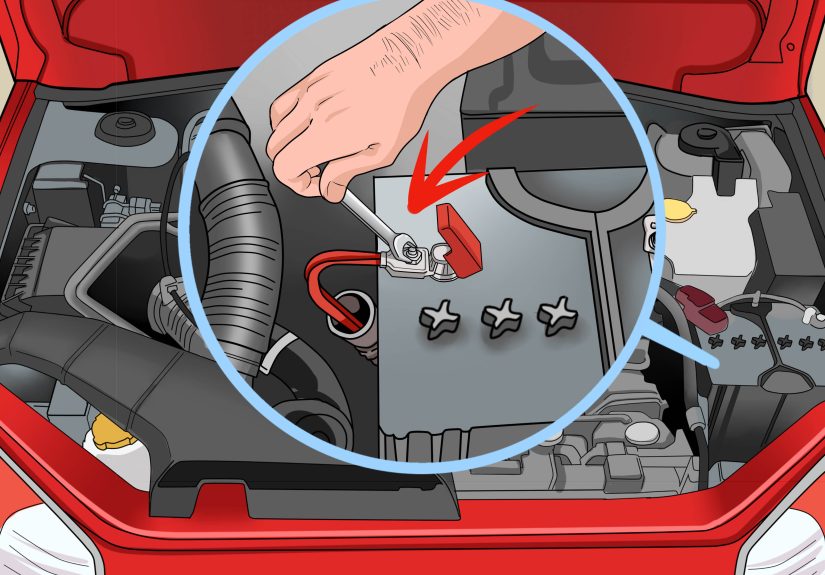
Step 5: Consider disconnecting the battery (optional)
Many DIY guides recommend disconnecting the negative battery terminal for extra peace of mind.
It’s optional for a gentle clean, but it can reduce risk if you’re doing a deeper wash. If you choose
to disconnect, remove the negative (-) terminal first and reconnect it last. Keep the terminal from
touching metal. -
Step 6: Pre-rinse lightly (or skip if you’re doing low-water)
Use a gentle mist or shower setting to dampen surfaces and knock loose dust. Avoid blasting directly
at connectors, coils, fuse boxes, and the alternator area. The goal is to soften grimenot simulate a hurricane. -
Step 7: Apply degreaser/APC in controlled sections
Spray your engine-safe degreaser or APC on one section at a time (front area, one side, then the other).
Avoid soaking belts, pulleys, and painted body panelssome cleaners can stain or strip wax if left too long.Let the cleaner dwell per label directions, typically a few minutes. Don’t let it dry on the surface.
-
Step 8: Agitate gently with brushes
Use detailing brushes to loosen grime in textured plastics, around caps, and along seams.
Use a toothbrush for tight spots. Brush like you’re cleaning a sneaker, not scrubbing a burnt pan.
If you hit a super greasy spot, reapply cleaner and agitate again. -
Step 9: Wipe the “sensitive zone” by hand
Around electronics, connectors, and labeled modules, switch to a microfiber towel lightly dampened
with cleaner (or water). Wiping instead of spraying reduces the chance of forcing moisture into seals. -
Step 10: Rinse carefully (low pressure, low drama)
Rinse from the back of the bay toward the front using a gentle flow. Keep water movingavoid pooling
and avoid lingering in one area. If you’re using a hose nozzle, think “soft rain,” not “laser beam.”If you’re tempted to use a pressure washer: don’t, unless you truly know what you’re doing. High pressure
can push water into connectors and cause hard-to-diagnose issues. -
Step 11: Remove covers and inspect
Take off the plastic bag covers and check that nothing is dripping into connectors or sitting in puddles.
If you see water sitting in a pocket, blot it with a microfiber towel. -
Step 12: Dry thoroughly (this is where people rushand regret it)
Use microfiber towels to blot and wipe. Then use a leaf blower or compressed air to push water out of seams,
around caps, and from the underside of the hood. Drying is the “secret sauce” that keeps a wash from turning
into an electrical mystery novel. -
Step 13: Start the engine and let it idle
Once everything looks dry and secure, start the car and let it idle for 10–15 minutes with the hood open.
This helps evaporate leftover moisture. Watch for any rough idle or warning lights. If anything seems off,
shut it down and re-check for moisture at connectors (gentle air drying often fixes minor dampness).
Aftercare: Finishing Touches That Make It Look “Detailed” (Not Just “Wet”)
Optional: Dress plastics and rubber lightly
A light plastic/rubber protectant on engine covers and hoses can restore a clean, dark finish. Use it sparingly:
spray onto a towel, then wipe. Avoid overspray near belts and pulleys. You’re aiming for “OEM fresh,” not “greased dolphin.”
Clean the underside of the hood
Wipe the underside with a damp microfiber and mild cleaner. It’s the most overlooked area, and it’s also what
people see first when the hood goes up. The difference between “nice” and “wow” is often… two minutes of wiping.
Do a quick maintenance check while you’re there
- Look for fresh oil, coolant, or power steering fluid residue.
- Check that caps are tight (oil cap, coolant reservoir cap, washer fluid cap).
- Inspect hoses for cracks or swelling.
- Confirm battery terminals look clean and secure.
FAQs and Common Mistakes
Is it safe to wash under the hood of a car?
Usually yesif you do it gently, avoid forcing water into electrical parts, and dry thoroughly. The biggest risks
come from high-pressure water, soaking connectors, and skipping drying time.
What should I avoid spraying directly?
Avoid direct spray on the alternator, fuse/relay boxes, coil packs/spark plug areas, exposed filters/intakes,
and visible electrical connectors. When in doubt, wipe instead of spray.
Can I use a pressure washer?
It’s not recommended for most DIYers. If you insist, keep distance, use a wide fan pattern, and never aim at connectors.
But the safest approach is a garden hose with gentle flowor a low-water wipe-down.
How often should I clean my engine bay?
For most drivers: a couple times a year is plenty. If you drive in dusty areas, on salted winter roads, or through
lots of rain/mud, you may want to do a light clean more often.
Biggest beginner mistakes (so you can skip the “character development”)
- Cleaning a hot engine.
- Spraying water like you’re putting out a fire.
- Letting degreaser dry on surfaces.
- Forgetting to cover an exposed aftermarket air filter.
- Not drying thoroughlyespecially in seams and connectors.
Extra: Real-World Experiences Washing Under the Hood (About )
The first time most people wash under the hood, they approach it like a horror movie: slow steps, nervous glances,
and the constant feeling that something electrical is about to start speaking in tongues. That’s normal. Engine bays
feel high-stakes because they’re where your car keeps its important thoughts.
One of the most common “aha” moments is realizing that engine bay cleaning is more about process than
product. The right degreaser helps, surebut the real difference-maker is controlling moisture and
drying like you mean it. People who run into trouble typically don’t do anything wildly dramatic; they just let water
sit where it shouldn’t. A little pooling near a connector can turn into a rough idle that makes you question your life choices.
Another lesson: not every engine bay needs the same level of intensity. A daily driver in Arizona with light dust can
look great with a low-water wipe-down and a quick brush around the plastic covers. But a car that’s lived through a salty
Midwest winter may have crusty grime in seams, around the hood latch, and along the edges near the cowl. In that case,
the “remove debris first” step feels less like optional advice and more like archaeology. You’ll find leaves from last
fall, a pebble that’s been there since the previous administration, and maybe a missing 10mm socket you swore the dryer stole.
If you’ve ever owned an older vehicle, you learn quickly that rubber and plastic seals don’t age like fine wine.
Older coil packs, cracked wire insulation, and brittle connector clips are a sign to go gentle. Many people with classics
or high-mileage cars prefer a damp-towel method: spray cleaner onto a microfiber towel, wipe, then follow with a barely damp
towel and dry immediately. It takes longer, but it’s a calm, low-risk approachlike cleaning a museum exhibit instead of power-washing a patio.
A practical, real-life workflow that works well is pairing engine bay cleaning with something else you already do:
after you wash the exterior, pop the hood and spend 15–20 minutes doing a light under-hood refresh. That keeps grime from
ever getting “thick,” which means you won’t need aggressive chemicals later. And when you do notice somethinglike a new oil
film around a valve cover, or coolant crust near a hose clampyou’ll spot it earlier and fix it faster.
Finally, the best “experience-based” advice is this: don’t chase perfection on the first attempt. Aim for “clean enough
to inspect and maintain.” The engine bay doesn’t need to look like a car show mirror to be a win. If you finish, everything
is dry, the car starts smoothly, and you can actually see what’s going on under therecongrats. You did it right. Now enjoy
that rare, satisfying moment when you open the hood and don’t immediately think, “I should probably close this and pretend I never saw it.”







 Close
Close