
Table of Contents >> Show >> Hide
- What Is Costochondritis, Exactly?
- How to Treat Costochondritis: 14 Steps
- 1. Treat new or severe chest pain like it is importantbecause it is
- 2. Get the diagnosis confirmed instead of self-awarding a medical degree
- 3. Rest the irritated chest wall
- 4. Avoid or modify activities that make the pain worse
- 5. Use heat or ice, whichever your body likes better
- 6. Consider over-the-counter pain relief if it is safe for you
- 7. Try topical pain relief for a stubborn sore spot
- 8. Fix your posture and workstation habits
- 9. Add gentle movement instead of total stillness
- 10. Use smarter body mechanics during everyday tasks
- 11. Manage coughing, sneezing, and respiratory irritation
- 12. Return to exercise gradually, not heroically
- 13. Ask about physical therapy or other clinician-guided treatment if it lingers
- 14. Follow up if the pattern changes, the pain lasts, or the symptoms do not fit anymore
- Common Mistakes That Can Make Costochondritis Worse
- How Long Does Costochondritis Take to Heal?
- What Real-Life Costochondritis Often Feels Like: Experiences, Frustrations, and Small Wins
- Final Thoughts
- SEO Tags
Chest pain has a way of getting everyone’s attention immediately. One minute you are reaching for your coffee, and the next your brain is acting like it just binge-watched three seasons of a medical drama. If you have been told you have costochondritis, though, the problem is usually inflammation or irritation in the cartilage where the ribs connect to the breastbone. That can cause sharp, aching, or tender pain in the front of the chest, and it often gets worse with deep breathing, coughing, twisting, or pressing on the sore area.
The reassuring part is that costochondritis is usually a benign, self-limited cause of chest wall pain. The less-reassuring part is that all chest pain deserves respect, especially the first time it shows up. Costochondritis can mimic more serious problems, and more serious problems can sometimes masquerade as a “muscle thing.” So the smartest approach is not macho guessing. It is good evaluation first, then calm, practical treatment.
This guide walks through 14 realistic steps for treating costochondritis, reducing flare-ups, and knowing when it is time to stop Googling and get help. Because while your chest wall may be irritated, your common sense does not have to be.
What Is Costochondritis, Exactly?
Costochondritis is inflammation or irritation of the costochondral or chondrosternal joints, which are the spots where the ribs and cartilage meet the sternum. It commonly causes localized pain and tenderness along the front of the chest. Often, the pain can be reproduced by pressing on the affected area. That detail matters, because pain that is easy to trigger with touch or movement often points toward a chest wall cause rather than a heart problem.
It is also worth separating costochondritis from Tietze syndrome. People sometimes use the names interchangeably, but they are not quite the same. Tietze syndrome typically includes visible swelling at the painful joint, while costochondritis usually does not. Either way, the pain can feel dramatic enough to make you stop mid-sentence and negotiate with the universe.
How to Treat Costochondritis: 14 Steps
1. Treat new or severe chest pain like it is importantbecause it is
Before you treat costochondritis, make sure that is actually what you are dealing with. Seek emergency care right away if chest pain comes with pressure, crushing discomfort, shortness of breath, sweating, nausea, dizziness, fainting, pain spreading to the jaw or arm, or symptoms that keep getting worse. This is especially important if you have risk factors for heart disease or the pain feels different from anything you have had before.
2. Get the diagnosis confirmed instead of self-awarding a medical degree
Costochondritis is usually diagnosed with a history and physical exam. A clinician may press along the breastbone and rib joints to see whether that reproduces your pain. Depending on your age, symptoms, and risk factors, they may also check for heart, lung, or digestive causes of chest pain. Translation: if your chest hurts, the correct opening move is not “I am sure it is nothing.” It is “Let’s verify what this is.”
3. Rest the irritated chest wall
The most basic treatment is also the least glamorous: rest. Costochondritis often improves when the irritated joints are given time to calm down. That means reducing movements that repeatedly stress the chest wall, especially for a few days during a flare. You do not need to become a decorative pillow on the couch, but you do want to stop doing the specific things that keep poking the sore area.
4. Avoid or modify activities that make the pain worse
This is where many people accidentally sabotage their own recovery. If bench presses, push-ups, heavy lifting, overhead reaching, aggressive vacuuming, carrying a giant tote on one shoulder, or twisting to grab things from the back seat make the pain flare, scale them back. Costochondritis does not respond well to the “I’ll just push through it” method. Your chest wall is not interested in your personal growth journey if that journey involves repeated irritation.
5. Use heat or ice, whichever your body likes better
Both heat and cold can help with symptom relief. A heating pad on a low setting or a warm compress may relax the area and ease discomfort. An ice pack wrapped in a towel can be useful when the area feels acutely irritated or inflamed. Try one for 15 to 20 minutes at a time and see what gives you the most relief. This is one of those rare situations where it is perfectly acceptable to become emotionally attached to a heating pad.
6. Consider over-the-counter pain relief if it is safe for you
When your clinician says it is appropriate, common pain relievers such as acetaminophen or nonsteroidal anti-inflammatory drugs (NSAIDs) like ibuprofen or naproxen may help reduce pain and inflammation. The key phrase here is if it is safe for you. NSAIDs are not a great fit for everyone, especially people with ulcers, kidney problems, certain heart issues, bleeding risks, or specific medication interactions. Read labels, follow directions, and ask your doctor or pharmacist if you are unsure.
7. Try topical pain relief for a stubborn sore spot
If the pain is more localized, topical options may be worth asking about. Some people find relief with topical NSAIDs, lidocaine patches, or capsaicin cream. These do not magically erase costochondritis, but they can make the area more tolerable while it settles down. Just remember that “topical” does not mean “slather on with the optimism of a cake decorator.” Use products as directed.
8. Fix your posture and workstation habits
Slumped posture can increase strain across the chest, shoulders, and upper back. If you spend long hours at a desk, hunched over a laptop, or curled around your phone like a punctuation mark, your chest wall may not be thrilled about it. Sit with your shoulders relaxed, your screen at a better height, and your arms supported when possible. Small ergonomic fixes can reduce the background tension that keeps chest wall pain simmering.
9. Add gentle movement instead of total stillness
Rest is helpful, but complete immobility is not the goal. Once the sharpest pain begins to ease, gentle shoulder, chest, and upper-back movement can help prevent stiffness. The word to focus on is gentle. Not ambitious. Not athletic. Not “I found a stretching challenge online and now I regret my choices.” Slow range-of-motion exercises and light stretching are usually better than sudden, forceful moves.
10. Use smarter body mechanics during everyday tasks
Costochondritis loves to complain during normal life: getting out of bed, lifting groceries, carrying a child, reaching into a high cabinet, or shoving a stuck window open like you are in a historical novel. Move more deliberately. Keep loads close to your body. Use both arms when lifting. Avoid jerky twisting motions. If one particular movement reliably triggers pain, redesign how you do it instead of repeating it like an experiment with predictable results.
11. Manage coughing, sneezing, and respiratory irritation
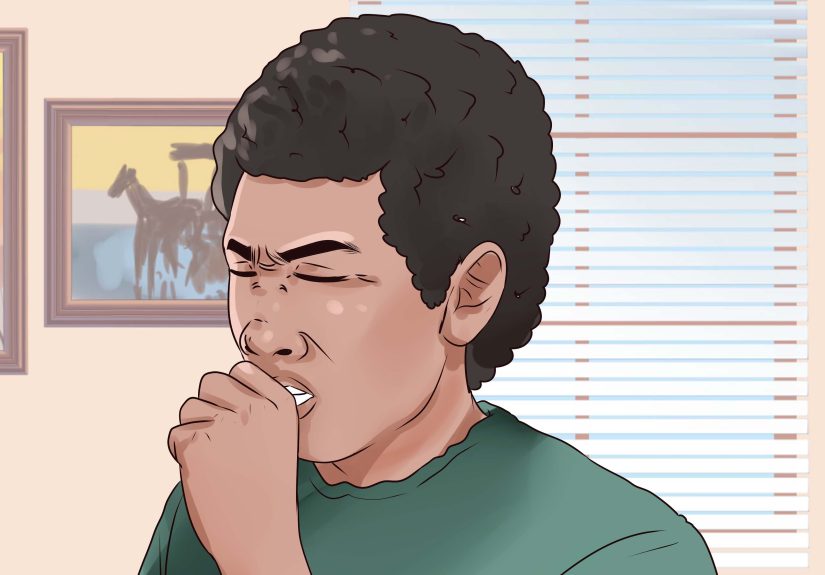
Coughing can aggravate the chest wall, and repeated coughing after a cold or upper respiratory infection is a common setup for costochondritis. If you are sick, treat the underlying issue appropriately and do what you can to reduce repetitive strain on the chest. Some people feel better gently supporting the area with a pillow or their hand when they cough. Sneezes may still feel like betrayal from within, but reducing irritation overall can help the inflammation settle faster.
12. Return to exercise gradually, not heroically
Once your symptoms improve, ease back into activity. Start with walking, lower-impact exercise, or routines that do not heavily load the chest, shoulders, and upper torso. Increase intensity gradually. A common mistake is feeling 70% better and immediately trying to make up for lost time. Costochondritis rarely applauds that strategy. A slower return usually means fewer relapses, less frustration, and fewer dramatic conversations with your foam roller.
13. Ask about physical therapy or other clinician-guided treatment if it lingers
If the pain is persistent, keeps returning, or limits daily life, physical therapy may help. A therapist may focus on posture, thoracic mobility, stretching tight chest muscles, strengthening the upper back, and improving movement patterns that keep irritating the rib-sternum area. In more stubborn cases, a clinician may discuss options such as local injections or other pain-management strategies. Those are not first-line fixes for most people, but they can be appropriate when simple care is not enough.
14. Follow up if the pattern changes, the pain lasts, or the symptoms do not fit anymore
Costochondritis often improves over time, but not every chest pain story ends with “and then it quietly went away.” Contact your clinician if the pain is worsening, not improving after a reasonable period, interfering with sleep or work, or coming with fever, swelling, shortness of breath, rash, palpitations, or other new symptoms. The goal is not to be dramatic. The goal is to avoid missing something else.
Common Mistakes That Can Make Costochondritis Worse
One of the biggest mistakes is assuming that because costochondritis is usually benign, it can be ignored. Benign does not mean comfortable, and it definitely does not mean “continue doing every painful thing exactly the same way.” Another common mistake is overtraining through the pain, especially with chest-focused workouts, heavy lifting, or repetitive upper-body movements. If your sternum area hurts every time you do dips or push-ups, your body has already filed a complaint.
People also tend to underestimate posture, stress, and repetitive daily habits. Hours of rounded shoulders, bracing the upper body when anxious, or constantly carrying uneven loads can keep the chest wall irritated. Then there is the medication mistake: taking over-the-counter pain relievers casually without checking whether they are safe with your health conditions or current prescriptions. Helpful does not automatically mean harmless.
Finally, some people forget the most important rule of chest pain: if the symptoms change, re-evaluate. Do not cling to an old diagnosis if the situation no longer matches it.
How Long Does Costochondritis Take to Heal?
That depends on the person and the trigger. Some people improve within days or a couple of weeks. Others may deal with symptoms for several weeks or even longer, especially if the chest wall keeps getting re-irritated. Recovery tends to go better when treatment is boring but consistent: rest, modified activity, heat or ice, safer pain relief when appropriate, better posture, and a gradual return to normal movement.
If you keep asking, “Why is this taking so long?” the honest answer is often, “Because your chest is still being annoyed.” Healing does not always require a dramatic intervention. Sometimes it just requires finally listening to the very clear messages your rib joints have been sending all along.
What Real-Life Costochondritis Often Feels Like: Experiences, Frustrations, and Small Wins
For many people, the experience starts with a jolt of fear rather than a jolt of pain. The first thought is rarely, “Ah yes, inflammation of the costochondral junctions.” It is usually something more along the lines of, “Why does my chest hurt, and should I be panicking?” That emotional reaction is completely understandable. Chest pain is not subtle, and it tends to make even calm people mentally draft a will over breakfast. Once serious causes are ruled out, though, the experience often shifts from fear to frustration.
A lot of people with costochondritis describe the pain as oddly specific. It may sit near the breastbone on one side, feel tender to the touch, and flare when rolling over in bed, reaching into the back seat, or pulling a shirt over your head. Deep breaths can feel sharp. Sneezing can feel like your chest has launched a formal protest. Coughing after a cold may light up the same sore spot again and again. The pain is not always constant, which can make it even more confusing. You feel decent for a while, then twist to grab a grocery bag and suddenly your chest reminds you that recovery is not yet complete.
Sleep can become its own weird subplot. Some people notice that certain positions make the soreness worse, especially sleeping curled in a way that compresses the chest and shoulders. Others wake up feeling stiff and achy, then gradually loosen up as the day goes on. Desk work can also be surprisingly annoying. Hours of slouching, typing, and leaning forward may not seem dramatic, but those habits can keep the upper chest and shoulder muscles tense enough to aggravate the area. By late afternoon, the body starts acting like it has been carrying furniture instead of answering emails.
There is also the mental side of costochondritis, which people do not talk about enough. Even after a clinician reassures you that it is a chest wall problem, every new twinge can still make you pause. That is normal. Pain in the chest is emotionally loud. Over time, many people gain confidence by noticing patterns: the pain is reproducible when pressed, worse with certain motions, better with rest, and calmer with heat or activity changes. Those patterns make the condition feel less mysterious and more manageable.
The encouraging part is that improvement usually arrives in small, believable wins. You realize you got out of bed without bracing. You sneeze and only feel mildly offended instead of personally attacked. You carry groceries without that familiar sting near the sternum. You go for a walk, finish a workday, or sleep through the night with less discomfort. Recovery may not always be dramatic, but it often becomes obvious in hindsight. One day you notice the pain is no longer the star of every movement, and that is when you know your chest wall is finally starting to calm down.
Final Thoughts
Costochondritis is one of those conditions that sounds obscure but feels very noticeable. The good news is that it is usually manageable with conservative care: rest, activity changes, heat or ice, cautious pain relief, posture improvements, gentle movement, and follow-up when symptoms are not improving. The most important thing is to respect the location of the pain without assuming the cause. Chest pain deserves attention first and confidence second.
If your symptoms fit costochondritis and a clinician has ruled out more serious causes, the path forward is usually less about finding one magical fix and more about giving the chest wall a calmer environment in which to heal. In other words: fewer aggravating motions, more patience, and absolutely no chest-day heroics for a little while.






 Close
Close