
Table of Contents >> Show >> Hide
- Before You Paint: Make Sure You’re Not Decorating a Small Fortune
- Why a Vinyl Record Is a Sneaky-Good Mandala Canvas
- Supplies: What You Need (and What’s Nice to Have)
- Mindful Setup: Turn “Craft Time” Into a Mini Meditation
- Step-by-Step: How to Make Mindful Mandala Art on a Vinyl Record
- Step 1: Clean like you mean it
- Step 2: Lightly scuff the surface (give it “tooth”)
- Step 3: Mask the label (optional, but satisfying)
- Step 4: Prime the record
- Step 5: Paint a base coat (and let it really dry)
- Step 6: Add guidelines (your secret weapon)
- Step 7: Choose a color palette that won’t fight you
- Step 8: Start dotting from the center outward
- Step 9: Build layers and patterns
- Step 10: Let it dry, then detail
- Step 11: Seal it (thin coats, patience, ventilation)
- Design Examples: 3 Mandala Ideas You Can Copy Today
- Troubleshooting: When the Record Fights Back
- Display Ideas: Make It Wall-Ready Without Drama
- FAQ: Quick Answers Before You Get Paint on Your Elbow
- Conclusion: A Mindful Upcycle You’ll Actually Want to Keep
- Real-World Experiences: What You’ll Notice While Making Vinyl Record Mandala Art
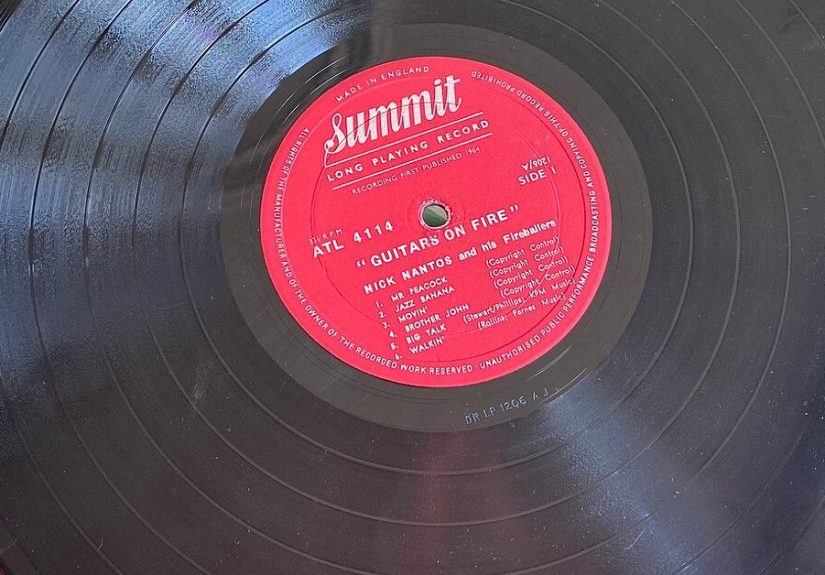
Somewhere in a thrift store bin, a scratched vinyl record is silently begging for a second career. Not as a coaster (disrespectful), not as a clock (overachiever), but as a surprisingly perfect canvas for mindful mandala art. You get the satisfying “dot… dot… dot…” rhythm, the soothing symmetry, and a finished piece that looks like it belongs in a boutiqueyet started life as “Now That’s What I Call Mild Regret, Vol. 3.”
This guide blends practical painting know-how (so your dots don’t skid off the record like a cat on hardwood) with mindfulness techniques (so your brain stops rehashing that thing you said in 2014). You’ll end with wall-ready vinyl record mandala art that’s equal parts upcycle and exhale.
Before You Paint: Make Sure You’re Not Decorating a Small Fortune
Quick reality check: some records are genuinely collectible. Before you prime anything, do a fast sanity scan. If it’s a sealed first pressing, limited edition, or something your vinyl-obsessed friend would cradle like a newborndon’t paint it. Use a scratched, warped, or super-common thrift-store find instead. Your future self (and your wallet) will thank you.
Why a Vinyl Record Is a Sneaky-Good Mandala Canvas
1) Built-in symmetry (aka “free geometry”)
The center hole gives you an instant focal point. Mandalas love a center. You love not measuring the center twelve times. Everyone wins.
2) The size is just right
A standard LP is big enough for intricate dot work but small enough to finish in an afternoon without turning into a “seven-month art saga” living on your table.
3) The mindfulness factor is real
Mandalas have a long tradition in contemplative art, and modern research suggests structured coloring/creating (including mandala-style designs) can help reduce anxiety compared with unstructured scribbling. You’re basically giving your attention a tidy job to do: follow the pattern, place the dot, breathe, repeat.
Supplies: What You Need (and What’s Nice to Have)
Core supplies
- Old vinyl record (scratched is fine; rare/valuable is not)
- Dish soap + water and a microfiber cloth
- Rubbing alcohol (isopropyl) for final wipe-down
- Fine-grit sandpaper (around 220–400 grit) or a sanding sponge
- Primer (acrylic gesso or a primer suitable for plastic/slick surfaces)
- Acrylic paint (craft acrylics work; artist-grade is smoother and more opaque)
- Dotting tools (mandala dot tools, nail dotters, or the DIY classic: toothpicks + the ends of paintbrushes)
- Paint pens (optional, great for crisp lines and tiny details)
- Clear sealer (spray acrylic sealer is easiest; choose matte, satin, or gloss)
- Painter’s tape (for masking the label if you want it clean)
Nice-to-have upgrades
- Compass or circle template for guidelines
- White charcoal pencil (shows up on dark paint)
- Turntable stand (not the expensive kindjust something that rotates smoothly)
- Palette + water mister (keeps paint workable)
Mindful Setup: Turn “Craft Time” Into a Mini Meditation
Yes, you’re painting. But you’re also training attentionlike a gym session for your brain, except the dumbbells are dots.
Try this 60-second ritual before you start
- Set an intention: “I’m here to focus, not to be perfect.”
- Take 5 slow breaths, counting the exhale.
- Choose a gentle anchor: each dot = one breath, or each ring = one check-in with your shoulders and jaw.
- Set a timer for 20–30 minutes. When it goes off, pause. You can keep going, but that pause is the mindfulness “rep.”
Step-by-Step: How to Make Mindful Mandala Art on a Vinyl Record
Step 1: Clean like you mean it
Records collect oils, dust, and the ghosts of basements past. Wash with mild dish soap and warm water. Rinse and dry thoroughly. Then do a quick wipe with rubbing alcohol to remove lingering oils. Paint hates greasy surfaces. It will punish you by beading up like raindrops on a car hood.
Step 2: Lightly scuff the surface (give it “tooth”)
Vinyl is smooth. Smooth surfaces make paint more likely to chip. Use fine-grit sandpaper and lightly scuff the side you’ll paint. You’re not sanding a deck. You’re just creating micro-texture so primer can grab on.
Mindful moment: Notice the sound of the sandingsoft, steady. Keep your shoulders down. Breathe.
Step 3: Mask the label (optional, but satisfying)
If you want the center label to stay clean, cover it with painter’s tape or a circle of paper. If you do paint the label, that’s fine toojust know you’re committing to the “fully transformed artifact” aesthetic.
Step 4: Prime the record
Priming is the difference between “lasts for years” and “flakes off when someone looks at it with judgment.” Apply a thin coat of gesso (or a primer meant for slick/plastic surfaces), let it dry, then apply a second thin coat if needed.
- Want a dark background? Prime, then paint a black or deep navy base coat.
- Want bright colors? Start with white primer so pigments pop.
Step 5: Paint a base coat (and let it really dry)
Apply your base color in thin, even layers. Two thin coats beat one gloopy coat every time. Let it dry to the touch, then give it extra time so it’s not tacky underneath. Rushing here leads to fingerprints that will haunt your mandala like tiny crime-scene evidence.
Step 6: Add guidelines (your secret weapon)
Guidelines make symmetry easier, which makes the process calmer. Use a compass or circle template to create rings. Then add light radial lines (like a pizza) to keep spacing even.
Simple beginner layout: 6 or 8 slices (radial lines), plus 5–7 rings. This is enough structure to feel meditative without turning into a geometry exam.
Step 7: Choose a color palette that won’t fight you
Pick 3–5 main colors plus white for highlights. If you’re unsure, try:
- Ocean calm: navy, teal, turquoise, white, a tiny pop of gold
- Sunset therapy: magenta, coral, orange, plum, white
- Modern neutral: black, warm gray, cream, copper, a muted sage
Mindful tip: If your brain starts demanding “the perfect palette,” gently label it: “planning mind.” Then pick anyway.
Step 8: Start dotting from the center outward
Load your dotting tool with paintenough to dome slightly, not so much it drips. Place your first ring of dots around the center hole. Rotate the record as you go to keep spacing consistent.
Breath practice: Inhale as you load the tool, exhale as you place the dot. It sounds small, but it turns dot mandala painting into a legit mindfulness exercise.
Step 9: Build layers and patterns
Classic dot mandala motifs you can mix and match:
- Dot clusters: big dot + two smaller dots beside it (like petals)
- Teardrops: pull a dot gently with a toothpick to make a drop shape
- Scallops: a ring of evenly spaced arcs (paint pen works great)
- Petal rings: repeating oval shapes between dot rings
Work in rounds: complete one ring, pause, step back, then continue. This keeps the design balanced and stops you from accidentally creating a “mandala mullet” (symmetry in the front, chaos in the back).
Step 10: Let it dry, then detail
Once the main dot work is dry, add tiny highlightslittle white dots on top of larger dots, thin lines between petals, or micro-dots around the edges. This is where it starts looking fancy.
Step 11: Seal it (thin coats, patience, ventilation)
Use a clear spray sealer for an even finish. Spray in a well-ventilated area, hold the can a consistent distance away, and apply multiple light coats rather than one heavy coat. Let each coat dry before the next.
Pro move: If you used paint pens, sealing helps prevent smudging and adds durability for hanging.
Design Examples: 3 Mandala Ideas You Can Copy Today
1) “Beginner Zen” (fast, forgiving, pretty)
- Black base coat
- Center ring: white dots
- Second ring: teal dots, slightly larger
- Third ring: white micro-dots between teal dots
- Outer rings: alternate teal/white with occasional gold accents
2) “Botanical Burst” (petals + dot shading)
- Deep navy base
- 8 radial sections
- Petal shapes in coral, shaded with smaller orange dots
- White highlights on petal tips
3) “Modern Minimal” (less color, more impact)
- Matte charcoal base
- Two neutral rings (cream + warm gray)
- One metallic accent ring (copper or gold)
- Clean arcs with a paint pen
Troubleshooting: When the Record Fights Back
“My paint is beading up.”
That’s usually oil or too-smooth surface. Clean again, lightly sand, and prime properly. Thin, even coats work better than trying to bully the paint into sticking.
“My dots are spreading into blobs.”
Paint may be too thin or you’re overloading the tool. Use slightly thicker paint, dab off excess on a palette, and place dots gently without pressing hard.
“I smudged a section.”
Welcome to being human. Let it dry, paint over the area with your base color, re-dot. Mandalas are basically built for graceful repairs.
“The sealer looks cloudy.”
Cloudiness can happen with heavy coats or humidity. Use lighter coats, allow longer drying time, and spray in stable conditions. When in doubt, do a test spray on a primed scrap surface first.
Display Ideas: Make It Wall-Ready Without Drama
- Simple hook: Use the center hole with a small wall hook or a screw + washer setup.
- Fishing line or clear cord: Creates a “floating” look.
- Frame it: A 12×12 frame can turn it into gallery-style decor.
- Group installation: Hang 3 records in a vertical line for instant statement wall.
FAQ: Quick Answers Before You Get Paint on Your Elbow
Can I use paint markers instead of brushes?
Yespaint markers and paint pens are great for clean lines and tiny dots. Just let layers dry before resting your hand on them, and seal carefully.
Do I have to sand?
If you want durability, sanding (lightly) plus primer is the safer path. Vinyl is slick, and slick surfaces love to shed paint later.
Can I turn it into a clock?
You can, but do your painting first and avoid heat-related shaping after painting. If you’re adding hardware, let the sealer fully cure so the finish doesn’t stick or dent.
Conclusion: A Mindful Upcycle You’ll Actually Want to Keep
Turning an old record into mindful mandala painting is one of those rare DIYs that’s relaxing and legitimately cool-looking. You get the satisfaction of transforming “junk” into art, the calming repetition of dot work, and a finished piece that quietly announces, “Yes, I am a functional adult with hobbies.”
Start simple. Let the symmetry guide you. And if one dot goes rogue? Congratulationsyou’ve just practiced acceptance, which is basically mindfulness with a paintbrush.
Real-World Experiences: What You’ll Notice While Making Vinyl Record Mandala Art
If you’ve never tried dot mandala work before, the first surprise is how quickly your body “gets the memo.” You begin tensethinking about color choices, spacing, whether you should’ve watched one more tutorial, whether your dotting tool is the correct size, whether the universe approves of teal. Then, somewhere around the third ring of dots, you notice your shoulders drop. Your breathing gets slower. The little internal narrator that normally critiques everything from your posture to your life decisions starts to quiet down, mostly because it’s too busy counting dots.
Many people describe the process as a gentle “flow” ramp: the early minutes feel fiddly, but once your pattern repeatsdot, rotate, dot, rotateyou stop chasing perfection and start chasing consistency. And consistency is soothing. It’s like giving your attention a simple job with clear boundaries. Your brain loves boundaries. Your brain also loves spiraling. Dot mandalas politely redirect the spiral into something prettier.
You may also notice how your mood responds to color. Cool palettes (blues, greens) often feel like a deep breath, while warm palettes (corals, oranges, reds) can feel energizing and upbeat. If you’re painting after a long day, a calmer palette can feel like turning the volume down on life. If you’re painting on a Saturday morning with coffee, brighter colors can feel like turning the lights on inside your head. There’s no wrong choicejust different emotional “weather.”
There’s a practical experience, too: you learn patience in micro-doses. Waiting for paint to dry between layers feels annoying at firstuntil you realize the pause is part of the practice. Those two minutes of drying time become a built-in check-in. You stretch your fingers. You look at what you’ve made so far. You adjust the next ring with intention instead of impulse. Over time, that skill sneaks into other areas: answering messages more calmly, taking a breath before reacting, noticing tension sooner.
And then there’s the oddly satisfying moment at the end: sealing. Your mandala goes from “nice” to “finished” in seconds, like watching a photo sharpen into focus. You’ll probably hold it up to the light and rotate it like a museum curator evaluating a priceless artifact, even though it used to be a very scratched copy of something your dad played at backyard barbecues. That’s the joy of upcyclingobjects get a second story, and you get to be the author.
Finally, displaying it tends to create a quiet kind of pride. Not the loud “look at me” pride, but the gentle “I made this with my hands and my attention” pride. Every time you pass it on the wall, you’ll remember the rhythm: dot, breathe, dot, breathe. Which is a surprisingly useful thing to remember on a regular Tuesday.






 Close
Close