
Table of Contents >> Show >> Hide
- Why Trust Comes Before Love
- How to Teach Your Parakeet to Love You: 12 Steps
- 1. Give Your Parakeet Time to Settle In
- 2. Create a Safe, Comfortable Cage Setup
- 3. Use Your Voice Before Your Hands
- 4. Learn Your Parakeet’s Body Language
- 5. Offer Treats Without Pressure
- 6. Keep Training Sessions Short and Positive
- 7. Teach “Step Up” Gently
- 8. Respect the Cage as Your Bird’s Safe Place
- 9. Make Out-of-Cage Time Safe and Predictable
- 10. Use Enrichment to Build Friendship
- 11. Avoid Common Trust-Breakers
- 12. Build a Daily Routine Your Parakeet Can Count On
- What Does Parakeet Love Look Like?
- How Long Does It Take for a Parakeet to Bond With You?
- Should You Get Your Parakeet a Companion?
- When to Call an Avian Veterinarian
- Extra Experience: Real-Life Lessons From Bonding With a Parakeet
- Conclusion
Winning a parakeet’s affection is not about becoming the loudest, fastest, treat-waving human in the room. In fact, that is a great way to convince your tiny feathered roommate that you are a suspicious giant with snacks. Teaching your parakeet to love you is really about building trust, creating safety, reading body language, and showing up consistently without rushing the relationship.
Parakeets, also called budgies, are intelligent, social, curious little parrots. They may weigh only about as much as a few sheets of paper, but they have big opinions about hands, voices, routines, millet, mirrors, and whether your hairstyle is emotionally acceptable today. Some parakeets warm up quickly. Others need weeks or months before they decide you are not a featherless hawk with Wi-Fi.
The good news: love, in parakeet language, often looks beautifully simple. Your bird may chirp when you enter the room, relax near your hand, take a treat from your fingers, step onto your finger, preen comfortably, or simply choose to hang out near you. This guide walks through 12 practical steps to help your parakeet trust you, bond with you, and enjoy your company without fear.
Why Trust Comes Before Love
Before you start teaching tricks, asking for cuddles, or hoping your parakeet will perch on your shoulder like a tiny pirate assistant, remember this: birds are prey animals. Their survival instincts tell them to be cautious around sudden movement, loud noises, grabbing hands, and unfamiliar spaces. A parakeet that flies away, bites, freezes, or refuses to come near you is not being “mean.” It is communicating, “I need more time.”
Your goal is to become predictable, gentle, and rewarding. When your bird learns that your presence brings calm voices, good food, safe routines, and zero scary grabbing, affection has room to grow.
How to Teach Your Parakeet to Love You: 12 Steps
1. Give Your Parakeet Time to Settle In
When a parakeet first comes home, everything is new: the cage, lighting, sounds, people, smells, and even the mysterious box that screams when popcorn is ready. For the first few days, focus on stability rather than training. Place the cage in a calm but social area where your bird can observe family life without being surrounded by chaos.
Avoid reaching into the cage constantly. Instead, sit nearby, talk softly, and let your parakeet watch you. Change food and water slowly. Move like you are carrying a full cup of hot chocolate across white carpet. Slow, predictable movement helps your bird understand that you are not a threat.
2. Create a Safe, Comfortable Cage Setup
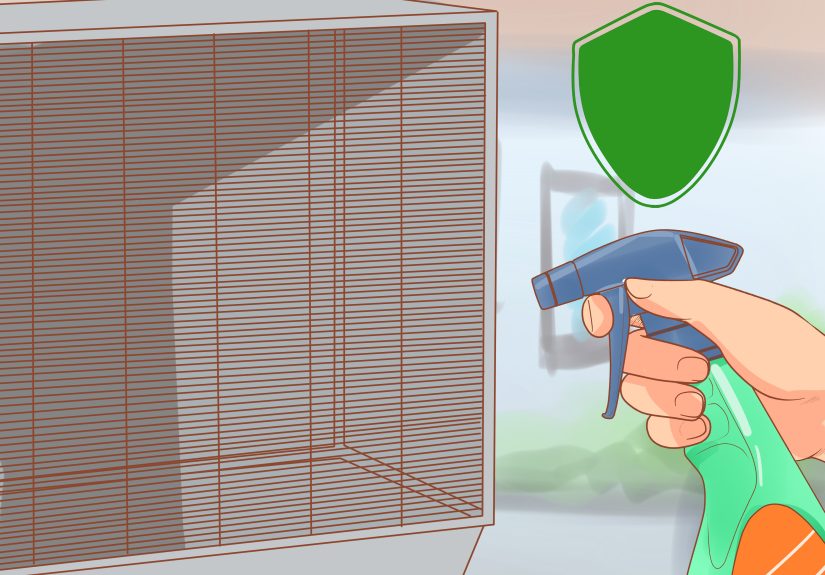
A parakeet is more likely to trust you when its environment feels secure. The cage should be roomy enough for movement, wing stretching, climbing, and play. Horizontal space matters because parakeets enjoy short flights and active movement. Add perches of different textures and widths to support foot health, but avoid placing every perch directly over food and water bowls unless you enjoy cleaning tiny bird “decorations.”
Include safe toys such as swings, ladders, shreddable materials, bells designed for birds, and foraging activities. Rotate toys so your parakeet does not get bored. A bored parakeet may become anxious, loud, withdrawn, or destructive. Enrichment is not a luxury; it is part of emotional health.
3. Use Your Voice Before Your Hands
Many new bird owners rush straight to hand-taming. But to a nervous parakeet, a hand entering the cage can look like a five-fingered monster with suspicious intentions. Start with your voice instead. Speak gently when you enter the room, refill food, or sit near the cage.
Use the same phrases often, such as “Hi, sweet bird,” “Good morning,” or “You’re okay.” Your parakeet will not understand every word, but it can learn the tone, rhythm, and emotional pattern of your voice. Over time, your voice becomes a signal of safety.
4. Learn Your Parakeet’s Body Language
Teaching your parakeet to love you requires listening with your eyes. A relaxed parakeet may chirp softly, grind its beak, fluff lightly, preen, stretch, or perch comfortably on one foot. A nervous bird may lean away, slick feathers tightly, flutter around the cage, breathe quickly, bite, or freeze in place.
If your parakeet backs away when your hand approaches, pause. If it takes a treat and stays relaxed, you can continue. Think of training like a conversation, not a wrestling match. Your bird is always giving feedback. The polite human listens.
5. Offer Treats Without Pressure
Food is one of the best bridges between human and parakeet. Many budgies love millet spray, but every bird has preferences. Some enjoy small bits of leafy greens, tiny vegetable pieces, or a favorite seed used only during training. The key is to make the treat special and predictable.
At first, hold the treat through the cage bars or place it near your bird and step back. Do not chase your parakeet around the cage with millet like you are trying to negotiate a tiny hostage situation. Let the bird choose to come closer. When your parakeet accepts treats calmly, it begins to associate your hand with good things.
6. Keep Training Sessions Short and Positive
Parakeets learn best in short, cheerful sessions. Five to ten minutes is often enough, especially for a beginner bird. Stop before your parakeet becomes tired, irritated, or overwhelmed. Ending on a good note teaches your bird that training is safe and enjoyable.
Use praise, gentle repetition, and rewards. Never punish your parakeet for being scared or refusing. Punishment may damage trust quickly, and trust is the entire point. If a session goes badly, take a break and try again later with an easier step.
7. Teach “Step Up” Gently
“Step up” is one of the most useful behaviors a parakeet can learn. It helps with bonding, safe handling, cage cleaning, vet visits, and moving your bird away from unsafe areas. Start when your parakeet is comfortable with your hand near the cage.
Hold your finger or a small perch near your bird’s lower chest, slightly above the feet. Say “step up” in a calm voice. Do not poke, shove, or force. You can hold a treat just beyond your finger so your parakeet has a reason to move forward. The moment one foot touches your finger, praise and reward. At first, even one brave foot deserves a celebration. We are not training an Olympic gymnast; we are building confidence.
8. Respect the Cage as Your Bird’s Safe Place
Your parakeet’s cage should feel like a home, not a trap. Avoid grabbing your bird from inside the cage unless there is an emergency. If you constantly force interaction in the cage, your parakeet may become defensive and territorial.
Instead, encourage your bird to come to the cage door voluntarily. Place a perch near the entrance, offer a treat, and let your parakeet decide when to move closer. A bird that chooses interaction is far more likely to bond deeply than one that feels cornered.
9. Make Out-of-Cage Time Safe and Predictable
Once your parakeet can step up reliably or is calm enough to explore safely, supervised out-of-cage time can strengthen your bond. Before opening the cage, bird-proof the room. Close windows and doors, turn off ceiling fans, cover mirrors if your bird might fly into them, keep other pets away, and remove unsafe plants, candles, hot pans, and open water containers.
Give your parakeet a landing area, such as a play stand or perch. Keep early sessions calm and short. If your bird flies around wildly, dim the room slightly, speak softly, and wait. Do not chase. Chasing teaches your parakeet that humans are terrifying cardio instructors.
10. Use Enrichment to Build Friendship
Bonding does not always mean touching. Some parakeets love hands. Others prefer companionship from a respectful distance. You can build affection through shared activities: offering foraging toys, teaching simple target training, placing fresh greens in fun locations, or sitting nearby while your bird explores a play stand.
Foraging is especially helpful because it gives your parakeet a natural “job.” Hide tiny treats in paper cups, bird-safe shreddable toys, or among leafy greens. When your bird sees you as the provider of interesting activities, not just the person who changes the water bowl, your relationship becomes richer.
11. Avoid Common Trust-Breakers
Some mistakes can slow bonding or make your parakeet afraid. Avoid grabbing, yelling, tapping the cage, chasing, forcing petting, waking your bird suddenly, or allowing children to poke fingers through the bars. Also avoid placing the cage in a noisy, smoky, drafty, or isolated area.
Be careful with petting. Many parakeets do not enjoy being touched, especially on the back, wings, or belly. If your bird eventually allows gentle head scratches, wonderful. If not, that does not mean it dislikes you. A parakeet can love you deeply and still prefer a “look, don’t squish” friendship policy.
12. Build a Daily Routine Your Parakeet Can Count On
Consistency is the secret ingredient. Feed your bird on a regular schedule, refresh water daily, clean the cage, offer training at predictable times, and use similar words for common activities. Birds feel safer when life has a rhythm.
A simple daily bonding routine might look like this: greet your parakeet in the morning, offer fresh food, spend five minutes talking nearby, do a short treat session later, allow supervised playtime when safe, and end the day with calm conversation before lights out. Over time, these small moments become the foundation of love.
What Does Parakeet Love Look Like?
Parakeet affection is not always dramatic. Your bird may not fly across the room and declare eternal devotion in perfect English. More likely, love appears in small signs: your parakeet chirps when you approach, relaxes near your hand, eats while you are nearby, steps up willingly, follows you with its eyes, plays when you are in the room, or chooses to perch close to you.
Some parakeets become cuddly. Some remain independent. Personality, age, past handling, health, and environment all influence bonding. The goal is not to force your parakeet into a social media version of affection. The goal is to create a trusting relationship that fits your actual bird.
How Long Does It Take for a Parakeet to Bond With You?
Some parakeets start accepting treats within a few days. Others need several weeks before they feel comfortable. Older birds, rescue birds, birds that were not handled much, or birds with frightening past experiences may take longer. Two bonded parakeets may also focus more on each other than on humans, which is natural.
Do not measure progress only by whether your bird sits on your finger. A shy parakeet that no longer panics when you refill the food bowl has made progress. A bird that takes one step toward you has made progress. A bird that blinks calmly while you talk has made progress. Tiny wins count because tiny birds are, inconveniently, tiny.
Should You Get Your Parakeet a Companion?
Parakeets are social birds, and many enjoy the company of another parakeet. However, adding a second bird is not a shortcut to making your current bird love you. In fact, two birds may bond strongly with each other and become less interested in human handling. That is not bad; it is simply something to understand.
If you choose to add another parakeet, plan for quarantine, proper introductions, enough cage space, separate food access, and veterinary guidance. Never add a bird just because you feel guilty or impatient. A second parakeet is a real commitment, not an emotional support accessory for your first bird.
When to Call an Avian Veterinarian
Sometimes a bird that seems “unfriendly” is actually uncomfortable or sick. Contact an avian veterinarian if your parakeet is fluffed for long periods, sitting at the bottom of the cage, breathing with effort, losing weight, refusing favorite foods, showing changes in droppings, plucking feathers, or acting unusually quiet. Birds often hide illness, so early attention matters.
A healthy parakeet is more likely to engage, learn, and bond. Good care supports good behavior.
Extra Experience: Real-Life Lessons From Bonding With a Parakeet
One of the biggest lessons in teaching a parakeet to love you is that your timeline and your bird’s timeline may not even be in the same calendar system. You may imagine a sweet little bird hopping onto your finger by Saturday. Your parakeet may have scheduled “consider standing near the human” for three Tuesdays from now. That is normal.
In practice, the best bonding moments often happen when you stop trying so hard. Many parakeet owners notice progress while doing ordinary things: reading near the cage, folding laundry, working at a desk, or speaking softly during breakfast. Birds are observant. They watch your habits. If you are calm every day, they begin to believe calm is what you do.
A useful experience is to create a “treat word.” For example, every time you offer millet, say “treat” in the same cheerful voice. After a while, your parakeet may perk up at the word. This does not mean you should bribe your bird every five seconds. It means you are creating a clear, positive pattern. Predictability is comforting.
Another helpful lesson: do not make your hand the star too soon. Many birds fear hands but are comfortable with faces and voices. Sit beside the cage and talk without reaching in. Place your hand on the outside of the cage while speaking softly. Later, hold a treat near the bars. Later still, offer a finger at the open door. Each step should feel almost boring. Boring is good. Boring tells your parakeet, “Nothing scary happened again.”
There will be setbacks. Your parakeet may step up one day and refuse the next. It may be startled by a dropped spoon, a barking dog, or your new hat, which is apparently a crime against bird society. Do not take it personally. Go back to the previous step, rebuild confidence, and continue gently.
Some owners also learn that affection does not always include petting. A parakeet may adore your company, sing to you, and fly to your shoulder, yet still reject head scratches. Respect that boundary. Love is not proven by how much touching your bird allows. Love is proven by trust, choice, and relaxed behavior.
Finally, the strongest bonds grow from daily care. Clean water, nutritious food, safe toys, regular sleep, gentle training, and patient interaction all tell your parakeet the same message: “You are safe with me.” When that message is repeated day after day, your bird may begin to answer in its own waywith chirps, trust, curiosity, and the tiny but mighty honor of choosing to be near you.
Conclusion
Teaching your parakeet to love you is not a trick. It is a relationship built through patience, safety, routine, and respect. Start by helping your bird feel secure, then use your voice, treats, short training sessions, enrichment, and gentle “step up” practice to create positive experiences. Avoid force, read body language carefully, and celebrate small progress.
The best parakeet bonds are not rushed. They are earned one calm moment at a time. Be the human who brings safety, snacks, and zero drama. Your parakeet may reward you with trust, cheerful chirps, and the unforgettable feeling of being chosen by a creature small enough to sit on your finger but big enough to rule your heart.






 Close
Close