
Table of Contents >> Show >> Hide
- Understanding Why a Newborn Puppy Becomes Weak
- Step 1: Check for Emergency Warning Signs
- Step 2: Warm the Puppy Slowly and Safely
- Step 3: Do Not Feed a Cold Puppy
- Step 4: Help the Puppy Nurse From the Mother
- Step 5: Use Puppy Milk Replacer If Nursing Is Not Enough
- Step 6: Feed Small Amounts on a Strict Schedule
- Step 7: Prevent Low Blood Sugar
- Step 8: Weigh the Puppy Every Day
- Step 9: Help the Puppy Pee and Poop
- Step 10: Keep the Nest Clean, Dry, and Calm
- Step 11: Work With a Veterinarian Early
- Common Mistakes to Avoid When Caring for a Weak Newborn Puppy
- What to Keep in a Newborn Puppy Care Kit
- of Practical Experience: What Caring for a Weak Newborn Puppy Really Feels Like
- Conclusion
A weak newborn puppy can turn an ordinary day into a full-blown emergency faster than you can say, “Where did I put the tiny bottle?” Newborn puppies are adorable, yes, but they are also incredibly fragile. During the first two weeks of life, they cannot regulate body temperature well, they have limited energy reserves, and they depend almost completely on their motheror on youfor warmth, nutrition, hygiene, and protection.
If a puppy is cold, quiet, limp, crying constantly, not nursing, losing weight, or being pushed away from the litter, it needs immediate attention. This guide explains how to take care of a weak newborn puppy in 11 practical steps, using real veterinary principles while keeping the language simple enough for a tired human standing next to a whelping box at 2 a.m.
Important note before we begin: a weak newborn puppy can decline quickly. Home care can support the puppy, but it does not replace veterinary care. Call a veterinarian right away if the puppy is cold, refuses to nurse, has trouble breathing, has diarrhea, seems limp, or is not gaining weight.
Understanding Why a Newborn Puppy Becomes Weak
Weakness in a newborn puppy is not a diagnosis by itself. It is a warning sign. Common causes include chilling, low blood sugar, dehydration, poor milk intake, infection, birth defects, difficult delivery, maternal neglect, low birth weight, or being outcompeted by stronger littermates. Some puppies are born looking normal but gradually decline during the first days or weeks, a situation often described as fading puppy syndrome.
The good news is that quick, calm action can make a major difference. The not-so-good news is that “wait and see” is usually the worst plan. Newborn puppies run on tiny batteries. When the battery drops, they do not have much backup power.
Step 1: Check for Emergency Warning Signs
Start by observing the puppy closely. A healthy newborn puppy usually sleeps, nurses, wiggles toward warmth, and feels warm to the touch. A weak puppy may be unusually quiet, separated from the litter, cold, limp, crying nonstop, unable to latch, or losing weight.
Call a Veterinarian Immediately If You Notice:
- The puppy feels cold or has a low rectal temperature.
- The puppy will not nurse or cannot latch.
- The puppy is limp, very weak, or barely moving.
- The puppy cries constantly or suddenly becomes silent and inactive.
- The puppy has diarrhea, bloating, vomiting, or milk coming from the nose.
- The puppy is losing weight or not gaining weight daily.
- The mother rejects, ignores, or repeatedly pushes the puppy away.
Newborn puppies can become critically ill within hours. If your instincts are whispering, “This does not look right,” listen to them. Your instincts may not have a veterinary degree, but they are often excellent at spotting trouble.
Step 2: Warm the Puppy Slowly and Safely
Warmth is the first priority. A chilled newborn puppy cannot nurse well, digest properly, or maintain energy. However, do not toss the puppy onto a hot heating pad and hope for the best. Rapid heating can be dangerous. Warm the puppy slowly over 30 to 60 minutes.
Place the puppy in a warm, draft-free area. Use a heating pad on the lowest setting under only half of the box, wrapped in towels, so the puppy can move away if it gets too warm. A warm water bottle wrapped in a towel can also help. Never place a puppy directly on a heat source.
Safe Warming Tips
- Keep the whelping area warm but not hot.
- Use towels or blankets as a barrier between the puppy and heat.
- Warm gradually; do not rush the process.
- Watch for overheating signs such as restlessness, crying, or spreading away from the heat.
For very young puppies, the surrounding environment often needs to be much warmer than a normal room. During the first week, many veterinary references recommend a warm nesting area around the mid-to-high 80s Fahrenheit, depending on the setup, litter size, and the mother’s care. Humidity also matters because dry heat can contribute to dehydration.
Step 3: Do Not Feed a Cold Puppy
This step is so important it deserves its own tiny marching band: do not feed a cold puppy. When a puppy is chilled, digestion slows down. Feeding before the puppy is properly warmed can lead to regurgitation, aspiration, bloating, and serious complications.
First, warm the puppy. Then check whether it becomes more alert and able to suckle. Once the puppy is warm and responsive, feeding can begin carefully. If the puppy remains weak after warming, call your veterinarian instead of experimenting with random feeding tricks from the internet.
Step 4: Help the Puppy Nurse From the Mother
Mother’s milk is the ideal food for newborn puppies. It provides nutrition, hydration, and early immune protection. If the mother is present and healthy, help the weak puppy nurse. Choose a full teat, gently guide the puppy to it, and make sure the stronger littermates are not bulldozing it out of the way like tiny furry linebackers.
Watch for a proper latch and swallowing. A nursing puppy usually becomes calmer and may knead with its paws. If the puppy cannot latch, keeps falling off, or seems too weak to suck, it may need supplemental feeding or veterinary help.
Give the Weak Puppy Private Nursing Time
Sometimes the smallest puppy simply needs a fair chance. You can briefly separate the stronger puppies while the weak one nurses under supervision. Keep everyone warm during this time. Never leave the mother stressed or the puppy unattended in an unsafe position.
Step 5: Use Puppy Milk Replacer If Nursing Is Not Enough
If the puppy cannot get enough milk from the mother, use a commercial canine milk replacer. Do not use cow’s milk or goat’s milk as the main food. These can upset the puppy’s stomach and do not match a newborn puppy’s nutritional needs.
Warm the milk replacer to about body temperature, following the product label and your veterinarian’s instructions. Test it on your wrist; it should feel warm, not hot. Feed slowly with a puppy nursing bottle if the puppy has a strong suckle reflex.
Avoid Risky Feeding Methods
Do not squirt formula into the puppy’s mouth with force. Newborn puppies can inhale liquid into the lungs if fed too quickly or incorrectly. This can cause aspiration pneumonia, a serious condition that requires veterinary care. If the puppy cannot suck from a bottle, ask your veterinarian about safe tube feeding. Tube feeding can be lifesaving, but it must be demonstrated by a professional.
Step 6: Feed Small Amounts on a Strict Schedule
Weak newborn puppies need frequent, careful feeding. Orphaned or supplemented puppies are often fed every two to four hours during the first week, depending on age, size, strength, and veterinary guidance. Follow the milk replacer label for amounts, but remember that weak puppies may need a customized plan.
Overfeeding is a common mistake. A tiny puppy belly is not a storage tank. Too much formula can cause bloating, diarrhea, and regurgitation. It is usually safer to feed smaller amounts more often than to turn one feeding into an all-you-can-drink buffet.
Signs Feeding Is Going Well
- The puppy suckles steadily.
- The belly becomes gently rounded, not tight or swollen.
- The puppy settles and sleeps after feeding.
- Weight increases gradually each day.
- Stools remain normal for the puppy’s age.
Step 7: Prevent Low Blood Sugar
Weak newborn puppies are vulnerable to hypoglycemia, or low blood sugar. This is especially true for toy breeds, premature puppies, puppies that are not nursing, and puppies that have been chilled. Signs can include weakness, crying, poor suckling, tremors, limpness, or sudden quietness.
If you suspect low blood sugar, contact a veterinarian immediately. Some breeders and veterinary teams use small amounts of sugar support in emergency situations, but the correct approach depends on the puppy’s condition. A chilled puppy must still be warmed before feeding, and a very weak puppy may need professional treatment.
Step 8: Weigh the Puppy Every Day
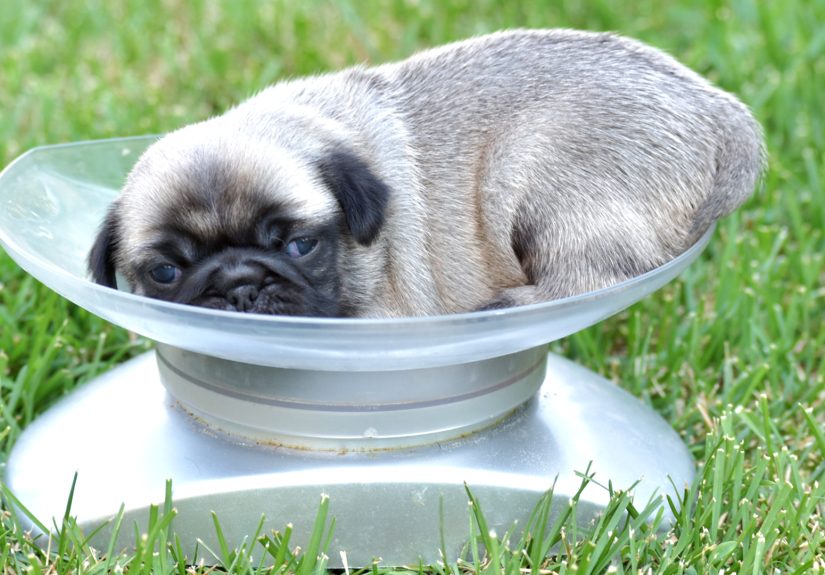
A digital kitchen scale may become your new best friend. Weigh the puppy at the same time every day, preferably in grams, and write it down. Healthy newborn puppies generally gain weight daily. A puppy that is not gainingor worse, losing weightneeds attention quickly.
Do not rely only on appearance. Fluffy puppies can be surprisingly sneaky. A puppy may look “okay” but still fail to gain enough. Weight tracking gives you objective information, and veterinarians love objective information almost as much as puppies love warm naps.
Simple Weight Log Example
| Day | Weight | Feeding Notes | Behavior |
|---|---|---|---|
| Day 1 | Record in grams | Nursed 6 times, supplemented twice | Weak but warmer |
| Day 2 | Record in grams | Nursed better, bottle once | More active |
Bring this log to your veterinarian. It can help identify whether the puppy is improving or still at risk.
Step 9: Help the Puppy Pee and Poop
Newborn puppies cannot urinate or defecate on their own during the earliest stage of life. Normally, the mother stimulates elimination by licking the puppy. If the puppy is orphaned, rejected, or too weak, you must help.
After each feeding, use a warm, damp cotton ball or soft cloth to gently rub the puppy’s lower belly and genital area until it urinates or passes stool. Be gentle. You are helping, not polishing furniture. Clean and dry the area afterward to prevent irritation.
Step 10: Keep the Nest Clean, Dry, and Calm
A weak newborn puppy needs a clean environment. Dirty bedding increases the risk of infection, chills, and skin irritation. Replace wet or soiled bedding promptly. Use soft, washable materials that do not have loose threads where tiny paws can get caught.
Keep the area quiet and low-stress. Avoid excessive handling, loud noise, and curious visitors. Everyone loves puppies, but a weak newborn does not need a meet-and-greet tour. It needs warmth, food, hygiene, sleep, and veterinary support.
Protect the Puppy From Infection
- Wash your hands before handling the puppy.
- Keep bottles and nipples clean.
- Do not allow sick pets or many visitors near the litter.
- Keep the mother’s bedding fresh.
- Watch the umbilical area for swelling, discharge, or bad odor.
Step 11: Work With a Veterinarian Early
A weak newborn puppy should be treated as urgent, not casual. Your veterinarian can check for dehydration, low body temperature, infection, birth defects, poor milk transfer, parasites, cleft palate, maternal illness, and other problems. Sometimes the whole litter and the mother need to be evaluated, because one weak puppy may be the first clue that something bigger is going on.
Ask your vet about feeding amounts, warming setup, milk replacer choice, signs of dehydration, and whether tube feeding is needed. If the puppy is fading, professional care may include fluids, glucose support, antibiotics when appropriate, oxygen, or other treatments.
Common Mistakes to Avoid When Caring for a Weak Newborn Puppy
Feeding Before Warming
This is one of the biggest mistakes. Warm first, feed second. A chilled puppy cannot safely digest milk.
Using the Wrong Milk
Cow’s milk and goat’s milk are not ideal substitutes for canine milk. Use commercial puppy milk replacer unless your veterinarian instructs otherwise.
Overfeeding
More milk is not always more love. Overfeeding can cause diarrhea, bloating, and aspiration risk.
Letting Stronger Puppies Win Every Meal
Weak puppies often get pushed aside. Supervised private nursing sessions can help them catch up.
Skipping the Scale
Daily weighing is one of the easiest ways to spot trouble early. Your eyes can miss what the scale catches.
What to Keep in a Newborn Puppy Care Kit
If you are caring for a litter, prepare a small care kit before problems happen. Emergencies are much easier when you are not searching for supplies while wearing pajamas and panic.
- Digital kitchen scale that measures grams
- Rectal thermometer labeled for pet use
- Soft towels and clean bedding
- Commercial puppy milk replacer
- Puppy nursing bottles and nipples
- Cotton balls or soft cloths for elimination
- Heating pad with adjustable low setting
- Notebook or printable puppy weight chart
- Veterinarian and emergency clinic phone numbers
of Practical Experience: What Caring for a Weak Newborn Puppy Really Feels Like
Caring for a weak newborn puppy is part science, part patience, and part learning to function while the rest of the world is asleep. The first experience many caregivers remember is how small the puppy feels in the hand. A weak puppy does not always look dramatic at first. Sometimes it is simply quieter than the others. It may sleep away from the pile, miss a feeding, or feel cooler than its siblings. That tiny difference is often the first clue.
One of the most useful habits is to stop guessing and start recording. A puppy weight chart may seem boring compared with the emotional side of care, but it becomes your map. When a puppy gains even a few grams after a difficult day, it feels like winning a championship. When the weight stalls, you know not to wait. You adjust the plan and call the vet.
Another real-world lesson is that warmth changes everything. A weak puppy may seem unwilling to eat, but the problem may be that it is too cold to nurse. After slow warming, some puppies become more active, root toward the teat, and suddenly remember that milk exists. This is why experienced breeders and veterinary teams talk so much about temperature. Warmth is not a cozy bonus; it is basic life support.
Feeding also requires humility. The goal is not to fill the puppy as fast as possible. The goal is safe, steady nourishment. A rushed feeding can create more problems than it solves. Slow bottle feeding, correct nipple flow, proper positioning, and careful burping matter. If a puppy fights the bottle, coughs, bubbles milk from the nose, or seems too weak to suck, that is not a challenge to “try harder.” It is a sign to stop and get veterinary guidance.
Cleanliness becomes a routine. Bedding gets changed more often than expected. Bottles need washing. Hands need washing. The puppy needs help eliminating after meals. None of this is glamorous, but it is the quiet work that keeps a fragile puppy comfortable and safer from infection.
Emotionally, caring for a weak newborn puppy can be intense. You may feel hopeful after one good feeding and worried again an hour later. That is normal. The best approach is calm consistency: warm, feed safely, stimulate elimination, weigh, record, observe, and communicate with your veterinarian. Do not blame yourself for needing help. Neonatal puppies are delicate even in ideal conditions.
The most encouraging moments are small. A stronger suckle. A warmer body. A rounder belly. A few grams gained. A puppy that wiggles back toward its mother instead of lying apart. Those little signs matter. With fast attention, proper care, and veterinary support, some weak puppies can turn the corner and become the loud, hungry, bossy little potatoes they were always meant to be.
Conclusion
Learning how to take care of a weak newborn puppy starts with three priorities: warmth, safe nutrition, and fast veterinary support. A weak puppy should be warmed slowly, never fed while cold, helped to nurse or receive proper puppy milk replacer, weighed daily, stimulated to eliminate, and kept in a clean, calm environment. Most importantly, do not wait too long to call a veterinarian. Newborn puppies are fragile, but quick action gives them the best chance.
A weak newborn puppy may be tiny, but the care plan does not have to be mysterious. Watch closely, act early, track progress, and treat every warning sign seriously. In puppy care, small details can make a very big difference.







 Close
Close