
Table of Contents >> Show >> Hide
- Why Softened Butter Matters So Much in Baking
- What “Softened Butter” Actually Looks Like
- The Best Ways to Soften Butter
- The Microwave Method: Fast, Useful, and Slightly Dangerous
- Which Method Is Best for Professional-Looking Results?
- How Butter Texture Affects Different Baked Goods
- Common Mistakes to Avoid
- How to Rescue Butter That Got Too Soft
- Practical Baking Tips for Better Results
- Experience Notes from Real Kitchens: What This Looks Like in Practice
- Final Thoughts
There are two kinds of bakers in this world: the ones who remember to set out butter ahead of time, and the ones who stare into the refrigerator like it has personally betrayed them. If you are here, I am going to assume your butter is currently as hard as a paperback novel and your cookie dreams are hanging by a thread.
The good news is that softening butter is not complicated. The bad news is that it is surprisingly easy to do it wrong. Butter that is too cold will fight your mixer, leave lumpy batter, and ruin that light, polished crumb you were hoping for. Butter that is too warm will turn elegant cookies into buttery puddles and make cake batter behave like it has given up on life. The sweet spot is what gives baked goods that professional look: even texture, proper lift, clean edges, and a crumb that says, “Yes, I do know what I’m doing.”
This guide breaks down what softened butter really means, the best ways to get there quickly, which shortcuts are worth using, and how to avoid the classic mistakes that make homemade treats look less bakery window and more bake sale table at 4:57 p.m.
Why Softened Butter Matters So Much in Baking
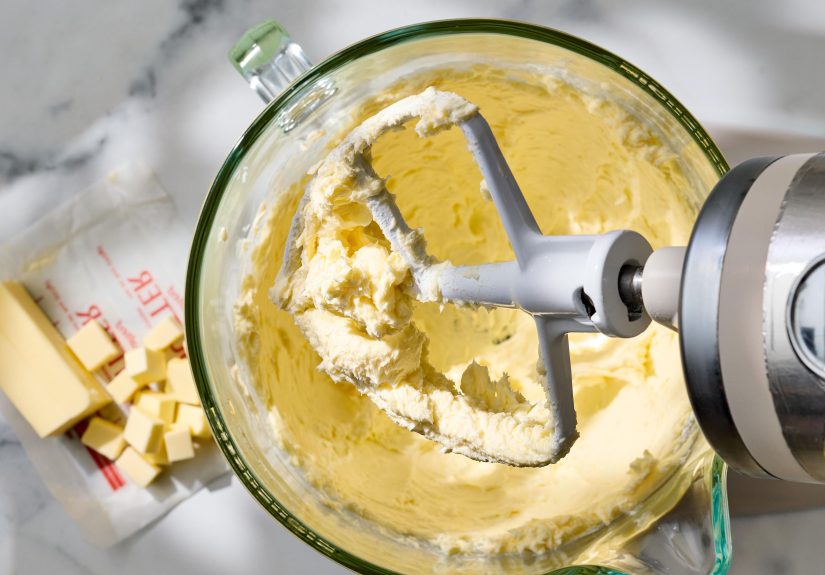
When a recipe calls for softened butter, it is not making a casual suggestion. It is giving you a structural instruction. Softened butter is essential in recipes that use the creaming method, where butter and sugar are beaten together to trap tiny air pockets. Those little air pockets expand in the oven and help create a lighter, finer texture in cakes, cupcakes, cookies, and frostings.
If the butter is too cold, it will not mix smoothly with sugar. Instead of a fluffy mixture, you get gritty clumps and a batter that never fully comes together. If the butter is too warm or partly melted, it cannot hold onto those air pockets. The result is flatter cookies, denser cakes, greasy dough, and frosting that slouches like it just heard bad news.
In other words, butter texture affects more than convenience. It affects height, crumb, spread, mouthfeel, and appearance. Professional-looking baked goods start before the pan even goes into the oven.
What “Softened Butter” Actually Looks Like
Here is where many home bakers get tricked. Softened butter is not shiny, slippery, or melting around the edges. It should still look solid and hold its shape. When you press it with a finger, it should make a gentle dent with slight resistance, kind of like pressing into modeling clay or a firm avocado that is finally ready to cooperate.
Good softened butter is:
- Cool to the touch, not warm
- Smooth enough to mix easily
- Firm enough to keep its shape
- Soft enough to leave a clean fingerprint
Bad softened butter is:
- Greasy on the outside
- Shiny or partially melted
- Collapsed or sagging
- Oily, separated, or squishy
If your butter looks like it might slide off the wrapper and file for freedom, it is too warm.
The Best Ways to Soften Butter
1. Let It Sit on the Counter
This is the simplest, most reliable method, and still the gold standard when you have time. Put the butter on the counter, ideally away from direct sunlight or a hot oven, and let room temperature do the work. In many kitchens, this takes around 30 to 60 minutes for refrigerated butter, though colder homes may need longer.
Why it works: the butter softens gradually and evenly, which is exactly what you want for baking. There is less risk of melted spots, and the texture stays consistent from edge to center.
Best for: cakes, cookies, buttercream, pound cake, and any recipe where creaming butter and sugar is the first big move.
2. Cut the Butter into Cubes or Thin Slices
If you forgot to plan ahead, this is the smartest quick fix. Slice the stick into small cubes or thin pats and spread them on a plate or in a bowl. Smaller pieces expose more surface area to the air, which speeds softening without changing the butter’s internal structure.
This method is especially useful because it is low drama. No gadgets, no hot water, no microwave roulette. Just a knife, a plate, and a tiny bit of patience.
Best for: almost every baking recipe. It is fast, reliable, and much harder to mess up than other shortcuts.
3. Pound or Flatten the Butter
Place the wrapped stick between sheets of parchment or wax paper and gently flatten it with a rolling pin. You are not trying to turn it into modern art. You are just thinning it out so the butter warms faster.
Flattened butter softens more quickly because there is less thickness for the room temperature to work through. This is a nice trick when you need softened butter soon and want to keep cleanup minimal.
Best for: cookie dough, cakes, and any time you need to speed things up without heating the butter.
4. Use a Warm Glass or Jar
This trick is popular for a reason. Fill a heat-safe glass or jar with hot water, let it warm the glass, dump out the water, then place the warm glass over the stick of butter. The trapped warmth helps soften the butter in roughly 10 to 15 minutes.
This method works well when you want the butter to remain mostly intact rather than cubed. It is also one of the better shortcuts for bakers who do not trust the microwave, which is a very reasonable personality trait.
Best for: a single stick of butter needed in a hurry, especially for creaming into sugar.
5. Pre-Cream Cold Butter in a Mixer
Some bakers soften small pieces of cold butter by beating them briefly with a stand mixer or hand mixer before adding sugar. This can work beautifully when your recipe will immediately cream the butter anyway. The motion softens the butter mechanically and helps it become workable.
The catch is that this method also starts incorporating air right away. That means you should pay attention later in the recipe so you do not over-cream once the sugar goes in.
Best for: experienced bakers, or anyone already using a mixer for cakes and cookies.
The Microwave Method: Fast, Useful, and Slightly Dangerous
The microwave is the speed demon of butter softening. It is also the easiest way to ruin butter in under thirty seconds. So yes, you can use it. You just have to do it like a person diffusing a tiny culinary bomb.
If you must microwave butter for baking, cut it into pieces and use low power or the defrost setting. Heat it in very short bursts, checking constantly. The goal is soft butter, not melted edges with a cold core. Once butter starts melting, its behavior in a recipe changes. Melted butter does not cream the same way and can shift cookie texture from airy and structured to dense and chewy.
Microwaving is best treated as a last resort, not your everyday strategy. It is great when time is tight, but it demands your full attention. This is not the moment to answer a text, rinse a bowl, or wander off to “just grab the vanilla.” That is how you come back to butter soup.
Which Method Is Best for Professional-Looking Results?
If your goal is baked goods that look polished, the winner is simple: cube the butter and let it soften naturally for a short time. It is faster than leaving a whole stick on the counter, safer than microwaving, and more even than relying on a single hot spot from a warm glass.
This method gives you control, and control is the real secret behind professional baking. Fancy piping tips are fun. Gold cake boards are cute. But consistent texture is what makes a batch look intentional.
Here is the practical ranking:
- Best overall: cubed butter at room temperature
- Best if you planned ahead: whole stick on the counter
- Best emergency non-microwave method: warm glass or jar
- Best for confident bakers: pre-creaming in a mixer
- Fastest but riskiest: microwave on low power
How Butter Texture Affects Different Baked Goods
Cookies
Softened butter helps cookies cream properly, which supports lift and structure. Butter that is too warm often causes overspreading, leading to thin cookies with greasy edges. Butter that is too cold can leave uneven mixing, which means patchy texture and inconsistent shape.
Cakes and Cupcakes
This is where proper softening really shines. A cake made with correctly softened butter tends to have a finer crumb, better rise, and a more even texture. Overly warm butter can create a heavier batter and a tighter crumb. Under-softened butter can leave tiny lumps that never fully blend.
Buttercream and Frosting
Too-cold butter makes frosting lumpy. Too-warm butter makes frosting loose and sad. Properly softened butter gives you a silky, stable frosting that pipes neatly and holds detail, which is exactly what you want if you are aiming for a polished finish.
Biscuits, Scones, and Pie Dough
Here is the plot twist: these recipes often want cold butter, not softened butter. For flaky pastry-style baking, cold butter creates steam pockets in the oven and leads to layers. So before softening butter automatically, make sure the recipe is asking for it. Not every butter situation wants a warm hug.
Common Mistakes to Avoid
- Leaving butter too close to the oven: it softens unevenly and may melt on one side first.
- Using melted butter instead of softened butter: this changes the chemistry and texture of the bake.
- Guessing by time alone: your kitchen in January is not the same as your kitchen in July.
- Ignoring the center of the stick: the outside may feel soft while the middle is still cold and stubborn.
- Trying to rush everything: baking rewards patience, even if your sweet tooth does not.
How to Rescue Butter That Got Too Soft
It happens. You meant to soften it. Instead, you wandered off and came back to butter that looks suspiciously relaxed.
If the butter is soft but not oily, place it in the refrigerator for a few minutes and check often. You want to bring it back to a cool, workable state, not turn it into a brick again. If it has started separating or melting around the edges, it may still work in recipes that call for melted butter, but it is not ideal for creaming.
A good rule: if the butter feels greasy or glossy, do not pretend it is “close enough” for a butter cake. Your oven will expose that lie immediately.
Practical Baking Tips for Better Results
- Measure butter before cutting it into cubes so you stay accurate.
- Bring eggs to room temperature too, especially for cake batters.
- Watch texture more than the clock.
- Use unsalted butter when a recipe is built for baking precision.
- When in doubt, slightly cooler butter is usually safer than overly warm butter.
The biggest mindset shift is this: professional-looking baked goods come from consistency, not luck. Softened butter is one of those small details that separates “pretty good” from “wow, did you make this?”
Experience Notes from Real Kitchens: What This Looks Like in Practice
One of the most common baking experiences goes like this: you decide to make cookies on a whim, grab the butter, realize it is refrigerator-cold, and suddenly feel like time itself is mocking you. Most home bakers have been there. And that moment matters, because what you do next often decides whether the cookies come out thick and elegant or spread into one giant sheet-pan regret.
In real kitchens, the cubing method wins because it fits normal life. It gives you time to line pans, measure flour, preheat the oven, and pretend you were organized all along. By the time you have the dry ingredients whisked and the vanilla uncapped, the butter is usually in much better shape. It feels calm, controlled, and repeatable, which is exactly why it produces more consistent results.
The hot-glass trick, on the other hand, often feels like a small act of domestic heroism. You forgot the butter, but you also refuse to sacrifice your cake. It is especially satisfying when you need one intact stick softened for a frosting or a quick batch of cupcakes. You warm the glass, set it over the butter, and suddenly the kitchen feels less like a scene of panic and more like a competent operation. That is half the battle in baking: not just the ingredient, but the confidence.
The microwave has a very different emotional profile. It begins with hope and ends with suspense. You tell yourself you will only heat the butter for a few seconds. Then you squint through the microwave door like you are monitoring a science experiment. Sometimes you win. Sometimes the edges liquefy while the middle remains annoyingly cold. That experience is why so many bakers treat the microwave with caution. It can work, but it is not generous to distraction.
There is also the classic lesson every baker learns sooner or later: softened butter is not just about mixing ease. You notice the difference when cake batter turns fluffy instead of curdled. You see it when buttercream pipes with clean ridges instead of looking slightly wilted. You understand it when one batch of cookies holds a nice round shape and another batch spreads like it is trying to escape the pan. These are not random outcomes. They are often butter outcomes.
Another familiar experience is over-softening butter because life happened. Maybe the phone rang. Maybe the dog needed something urgent and dramatic. Maybe you confidently forgot you had set the butter near the stove. The useful thing about this mistake is that it teaches texture fast. Once you have baked with butter that was too warm, you start recognizing the signs earlier next time. The wrapper looks greasy. The stick bends too easily. The surface turns shiny. Professional-looking baking often comes from this exact cycle: tiny mistakes, better observation, smarter corrections.
That is why mastering butter feels so satisfying. It is a small skill, but it changes a lot. It makes baking feel less random and more intentional. And once you get used to recognizing perfectly softened butter, you start every recipe with a little more confidence and finish with results that look cleaner, taller, neater, and far more bakery-worthy.
Final Thoughts
If you want baked goods that look professional, do not underestimate the humble first step of softening butter correctly. It affects structure, spread, crumb, frosting texture, and overall appearance more than many bakers realize. The most dependable approach is to cut the butter into pieces and let it soften naturally at room temperature. It is simple, low-risk, and gives you the kind of control that polished baking depends on.
So the next time a recipe calls for softened butter, do not treat it like background noise. Treat it like the opening move in a good recipe. Because in baking, as in life, starting at the right temperature saves a lot of emotional damage later.






 Close
Close