
Table of Contents >> Show >> Hide
- What Counts as Storm Damage on a Roof?
- Signs Your Roof May Have Storm Damage
- What To Do Immediately After the Storm
- How Roof Storm Damage Is Actually Repaired
- Repair or Replace? How To Make the Right Call
- Insurance, Claims, and Contractor Smarts
- How To Prevent More Damage While Waiting for Repairs
- When the Repair Is Done, Upgrade the Next Roof Decision
- Conclusion
- Real-World Experiences and Lessons From Storm-Damaged Roofs
- SEO Tags
Note: This article is written for homeowner awareness and planning. Never climb onto a storm-damaged roof yourself. A licensed roofing contractor should handle close inspection, tarp work, and repairs.
Storms do not knock politely. They arrive with wind, hail, falling branches, sideways rain, and the kind of confidence normally reserved for game show hosts. When the clouds clear, many homeowners look up and wonder the same thing: Now what? If your roof has storm damage, the smartest path is not panic, guesswork, or a heroic ladder moment. It is a calm, organized response that protects your home from more water intrusion, documents the damage for insurance, and gets the right repair performed the first time.
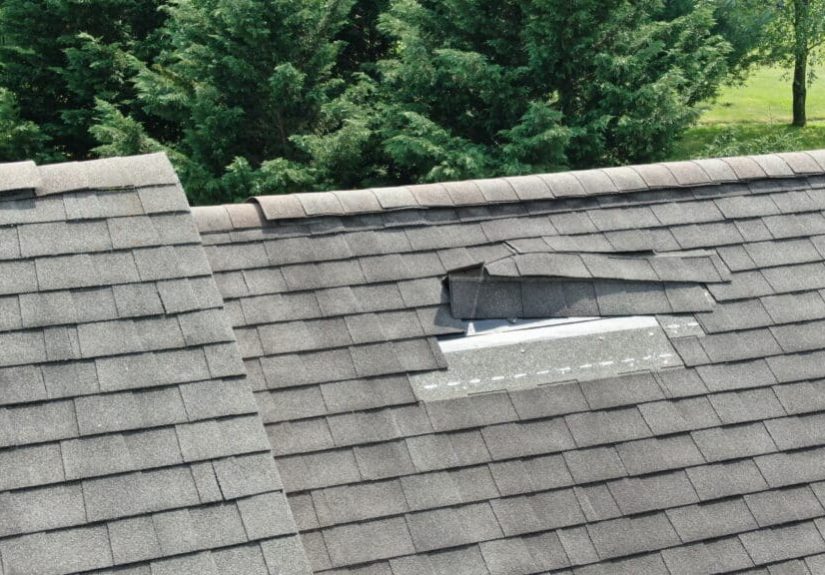
A storm-damaged roof can show up in obvious ways, like missing shingles or a tree limb on the house, but it can also hide in less dramatic places. A dented vent cap, granules piling up in the gutter, a water stain that suddenly appears on the ceiling, or damp insulation in the attic can all point to roof trouble. The good news is that many roofs can be repaired after a storm, especially when the damage is caught early. The trick is knowing when you are dealing with a simple repair, when you need emergency mitigation, and when a partial or full replacement makes more sense.
What Counts as Storm Damage on a Roof?
Storm damage usually falls into three big categories: wind damage, hail damage, and water intrusion. Wind can lift shingles, break their seal, bend flashing, and send debris skidding across the roof surface. Hail can bruise shingles, knock away protective granules, and dent metal components. Heavy rain then takes advantage of every weak spot and sneaks water into the underlayment, decking, attic, insulation, ceilings, and walls.
In plain English, the roof is supposed to be your home’s raincoat. After a bad storm, that raincoat may still be on your shoulders, but it could have a missing button, a torn sleeve, and a mysterious hole near the zipper.
Signs Your Roof May Have Storm Damage
Exterior warning signs
- Missing, lifted, curled, or cracked shingles
- Dented flashing, vents, gutters, or downspouts
- Granules collecting in gutters or at the end of downspouts
- Branches, limbs, or debris resting on the roof
- Bent or detached gutter sections
- Sagging rooflines or visibly uneven areas
Interior warning signs
- New ceiling stains or bubbling paint
- Wet spots near chimneys, skylights, or vents
- Musty smells after rain
- Damp insulation or visible drips in the attic
- Light peeking through where it should not
One important detail many homeowners miss: hail damage does not always look dramatic from the yard. Sometimes the first clue is not on the roof at all. It is a dinged gutter, a dented metal vent, or asphalt granules washing out after the storm. That is why a storm-damaged roof should be evaluated even if it does not look like a movie set.
What To Do Immediately After the Storm
The first job is safety. If there are downed power lines, structural collapse, broken gas lines, or a tree that has shifted the framing, treat the situation like an emergency and keep everyone clear. A roof can be damaged without looking dramatic from the ground, and a soaked ceiling can fail with very little warning.
Next, document what you can see. Take wide photos of each side of the house, then closer photos of missing shingles, dented gutters, debris impact, water stains, wet ceilings, damaged siding, or broken windows. Take pictures before cleanup whenever possible. Good documentation makes the claim process easier and reduces the chance of arguments later about what happened, when it happened, and how bad it was.
Then focus on limiting additional interior damage. Move furniture, electronics, rugs, and sentimental items away from the leak area. Set out buckets or plastic bins to catch drips. If water is spreading across the ceiling, protect the floor with towels or plastic sheeting. These are not glamorous moves, but neither is replacing grandma’s photo albums because the leak got a head start.
Finally, call two people early: your insurance company and a licensed local roofing contractor. If the damage is significant, a roofer can provide an inspection and recommend temporary protection such as emergency tarping. If the damage is minor, they can tell you whether you are looking at a simple repair, a partial reroof, or a full replacement.
How Roof Storm Damage Is Actually Repaired
Here is the part many homeowners want to know: what does “repairing the roof” usually mean after a storm? In most cases, the repair depends on how deep the damage goes.
Minor storm roof repairs
If the storm damage is limited to a small section, a roofer may replace a handful of shingles, reseal lifted areas, repair flashing around a vent or chimney, and secure loose edges. This kind of repair is common when wind catches one side of the roof or debris strikes a small area.
Moderate repairs
If a broader section is affected, the contractor may remove damaged shingles in one area, inspect the underlayment, replace compromised materials, and install matching roofing materials where possible. This is often the sweet spot for repair: the roof is still fundamentally serviceable, but the damaged section needs more than a cosmetic touch-up.
Major repairs or replacement
If the decking is soft, the roof has widespread hail damage, multiple slopes are affected, the leaks are recurring, or the roof was already near the end of its life, replacement may be the better investment. In that case, “repair” becomes restoration at a bigger scale. The goal is not just to stop the current leak, but to restore a durable weather barrier that can survive the next ugly forecast.
A good contractor will also look beyond shingles. Storm damage often affects flashing, ridge caps, vents, gutters, fascia, soffits, and the roof’s water-shedding details. Fixing only the obvious damage is like putting a new tire on a car with a bent rim. It might roll for a while, but it is not a long-term solution.
Repair or Replace? How To Make the Right Call
Not every storm-damaged roof needs to be replaced, but not every roof should be patched forever either. The best decision usually comes down to five things: the age of the roof, the extent of the storm damage, whether leaks have reached the deck or framing, whether matching materials are available, and whether repeated repairs are starting to cost more than they are worth.
Repair often makes sense when damage is localized and the rest of the roof is still in good condition. Replacement tends to make more sense when the roof is older, the damage is spread across multiple sections, hail has compromised a large number of shingles, or the roof has a history of leaks and patch jobs. Homeowners sometimes resist replacement because repair sounds cheaper, but a string of “small” fixes can quietly become a very expensive hobby.
Insurance, Claims, and Contractor Smarts
Storm-damaged roof claims can move smoothly, or they can become a paperwork obstacle course. The difference often comes down to how organized you are. Keep photos, notes, weather dates, inspection reports, receipts for emergency mitigation, and copies of contractor estimates. Ask your insurer about your deductible before assuming a claim is worthwhile. Minor wind damage may cost less than the deductible, while major damage may justify filing right away.
It also helps to understand a common insurance distinction: wind- and hail-related roof damage is often covered by homeowners insurance, while flood damage is generally handled separately. If rain entered because the storm created an opening in the roof, that may be treated differently from rising floodwater. Read your policy, ask questions, and do not make assumptions just because your cousin in another state had a totally different experience and now considers himself an insurance philosopher.
Choose your contractor carefully. After a major storm, neighborhoods can fill up with “storm chasers” offering fast inspections, instant discounts, and suspiciously dramatic promises about getting you a whole new roof. A better approach is boring, and boring is beautiful here: verify the contractor’s license, insurance, physical business address, references, and written estimate. Get more than one bid. Read the contract line by line. Avoid handing over full payment upfront. And do not let anyone pressure you into a giant decision while your ceiling is still dripping on the dog’s bed.
How To Prevent More Damage While Waiting for Repairs
Once a storm-damaged roof has been identified, time matters. Water intrusion rarely stays in its lane. A small opening can lead to stained ceilings, ruined insulation, mold growth, swollen drywall, warped trim, and even electrical hazards. That is why temporary mitigation matters so much. Emergency tarp work, if needed, should be arranged quickly by a qualified roofing professional. Inside the house, keep the affected area dry, ventilated, and monitored until permanent repairs are complete.
If a tree limb is involved, the order matters too. A qualified tree service may need to remove the limb first so the roofer can safely inspect and repair the area. This is another reason not to improvise. Storm cleanup becomes dangerous very quickly when ladders, chainsaws, electricity, and wet surfaces all try to join the same party.
When the Repair Is Done, Upgrade the Next Roof Decision
Repairing a roof after storm damage is also a chance to build back smarter. Ask your roofer whether improved underlayment, better flashing details, stronger fastening methods, impact-resistant shingles, or more durable roofing materials make sense for your region. If you live in a hail-prone or high-wind area, resilience matters. The cheapest repair today can become the most expensive decision by next storm season.
Even basic maintenance helps. Clean gutters, trim overhanging branches, inspect roof penetrations, and schedule routine roof checkups after major weather events. A well-maintained roof is not invincible, but it is far less likely to turn a bad storm into a full-blown home disaster.
Conclusion
If you need to repair a roof with storm damage, think in this order: stay safe, document everything, prevent more interior damage, call your insurer, and bring in a licensed roofer for the repair plan. The best roof repair is not the one that looks fast on social media. It is the one that restores the roof system properly, protects the house from future leaks, and keeps you from paying twice for the same storm. In other words, be calm, be thorough, and let professionals do the rooftop acrobatics.
Real-World Experiences and Lessons From Storm-Damaged Roofs
One homeowner noticed the problem only because the living room felt oddly dim after a thunderstorm. At first, she blamed the weather and made coffee. Then she saw the ceiling stain spreading in slow motion like a watercolor painting nobody had asked for. From the ground, the roof looked mostly fine, but a roofer later found several lifted shingles near a valley where wind-driven rain had pushed underneath. The lesson was simple: a roof can leak badly without looking dramatic from the yard. Small wind damage can create big interior headaches if you wait too long to investigate.
Another family learned the hard way that hail damage is not always obvious. Their gutters had fresh dents, and the metal vent cap looked like it had lost a tiny boxing match, but they ignored it because no shingles were missing. Two months later, they started finding granules in the downspout splash blocks and noticed moisture in the attic after a heavy rain. The roofer explained that the hail had bruised and weakened a section of shingles rather than tearing them off outright. Their experience is a good reminder that storm damage is sometimes subtle at first and expensive later.
A different homeowner made almost every smart move in the book. He photographed the exterior right after the storm, saved interior pictures of the ceiling leak, called the insurance company the same day, and got multiple written estimates from local roofers. Because he had clear documentation and did not rush into the first contractor who knocked on the door, his claim moved more smoothly than he expected. He also avoided a common trap: signing a vague contract before understanding the scope of work. By the time repairs started, he knew exactly what materials were being replaced, what the timeline was, and what his deductible would cover.
Then there was the homeowner who tried to save money by patching the issue twice instead of replacing the storm-damaged section properly. The first repair stopped the leak for a while. The second repair stopped it for a shorter while. By the third storm, water had reached the decking and part of the attic insulation. What began as a modest shingle problem turned into a larger repair involving sheathing, interior drywall, and repainting. His experience reflects a truth many homeowners discover too late: the cheapest repair is not always the least expensive outcome.
One couple had a large branch fall across the back slope of the roof during a windstorm. Their instinct was to get the branch off the house immediately, but they paused long enough to call a tree service and roofer first. That decision probably saved them from injury and prevented more damage. The limb had twisted the gutter, cracked flashing, and placed stress on the roof edge. Removing it carelessly could have pulled loose even more material. Their story is a great example of why storm response should be methodical rather than heroic. Houses can be repaired. Emergency room bills are a much worse home improvement category.
Finally, one homeowner used a damaging hail event as a turning point. Instead of replacing like for like, he upgraded to a more impact-resistant roofing material and improved several flashing details around roof penetrations. The initial bill was higher, but he gained peace of mind and a sturdier roof system for the next round of severe weather. That is often the hidden silver lining in storm repair: once the damage is exposed, you get a chance to fix weak points, not just visible ones.







 Close
Close