
Table of Contents >> Show >> Hide
- Why Classical Guitars Are Different
- The Best Options for Putting a Strap on a Classical Guitar
- How to Put a Strap on a Classical Guitar: Step by Step
- How to Choose the Right Option for Your Guitar
- Mistakes to Avoid
- When a Strap Is Not Actually the Best Solution
- Real-World Experiences: What Players Learn the Hard Way
- Conclusion
If you have ever picked up a classical guitar and thought, “Lovely tone, elegant curves, zero obvious place for a strap,” welcome to the club. Unlike many steel-string acoustics and most electric guitars, a traditional classical guitar often does not come ready for standing performance. That is not a design flaw. It is a design choice rooted in classical technique, where the guitar usually lives in a seated position with the neck angled upward and the player looking slightly more sophisticated than the rest of us.
Still, real life happens. Maybe you sing while you play. Maybe you teach. Maybe you perform in a small venue where sitting down feels awkward. Maybe you simply want your nylon-string guitar to stop sliding around like a polite wooden eel. The good news is that there are several smart ways to put a strap on a classical guitar. The trick is choosing the option that matches your instrument, your comfort level, and your willingness to drill holes into an innocent guitar.
In this guide, we will walk through the best classical guitar strap options, how to attach each one, when a strap button makes sense, and when a no-drill solution is the smarter move. We will also cover mistakes to avoid, because “I thought that would hold” is not the kind of sentence you want to say while watching your guitar head toward the floor.
Why Classical Guitars Are Different
A standard classical guitar is built for a different playing tradition than a steel-string acoustic. Classical players usually play seated, often with the guitar raised into position by a footstool or a guitar support. Because of that, many traditional models do not include the two strap buttons you would expect on other guitars.
That creates a simple problem with a surprisingly large number of solutions. Some players want a strap only for added stability while sitting. Others want to play standing up for long periods. Some own a valuable or vintage instrument and do not want to modify it. Others have a modern nylon-string crossover or acoustic-electric model that can handle a more permanent strap setup. The best way to put a strap on a classical guitar depends on which kind of player you are.
The Best Options for Putting a Strap on a Classical Guitar
1. Use a Dedicated Classical Guitar Strap with a Soundhole Hook
For many players, this is the best no-drill option. A classical guitar strap is designed specifically for nylon-string instruments and typically uses a hook that attaches at the soundhole. The strap usually goes around the neck or over one shoulder, depending on the design, and helps support the guitar while keeping it in a fairly natural playing position.
This option is popular for one big reason: it does not require modifying the instrument. If you have a traditional classical guitar with no strap buttons, a soundhole-hook strap is often the easiest and safest starting point. It is especially handy for casual standing play, rehearsals, lessons, and short performances.
It is not perfect, though. Some players love the simplicity, while others find neck-style support less comfortable during longer sessions. Because the strap anchors at the soundhole rather than at two fixed points on the guitar body, the instrument can feel less locked in than a standard two-button setup. It works best when you want convenience and minimal risk, not maximum stage-athlete security.
Best for: players who want a no-drill classical guitar strap, occasional standing use, or a simple support solution for a traditional nylon-string guitar.
2. Use an Endpin or Output Jack Adapter if Your Guitar Already Has One
Some nylon-string guitars, especially crossover and acoustic-electric models, already have an endpin jack or a rear strap button at the tail of the guitar. If that is your situation, you are halfway home. You can often use a strap adapter designed for an output jack or an acoustic quick-release system that connects securely without forcing you into permanent modifications.
This is a strong option for gigging players. If your classical guitar already has electronics, there is a good chance it was designed with at least some strap compatibility in mind. Adapters made for endpin jacks can let you use a regular strap more safely and cleanly than trying to force a tight leather strap hole onto a narrow jack assembly. Some systems are made to work with strap locks too, which adds another layer of security.
The important detail here is fit. Not every endpin jack works the same way, and not every adapter fits every guitar. If your nylon-string acoustic-electric has a standard or metric output jack, choose an adapter built for that exact type. A good fit is the difference between “solid and dependable” and “mildly terrifying.”
Best for: classical acoustic-electric guitars, crossover nylon strings, and players who want a secure strap setup without drilling new holes.
3. Have a Strap Button Professionally Installed on the Heel
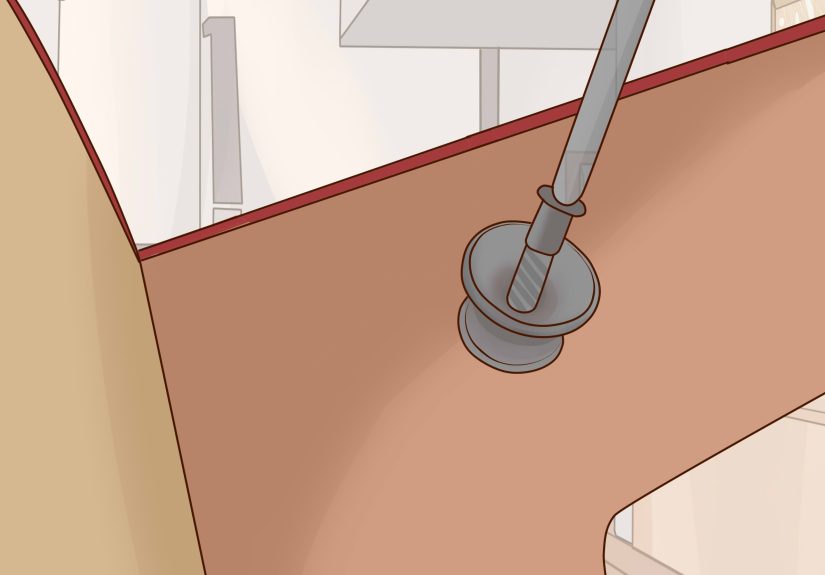
If you play standing up often, the most stable long-term solution is usually a professionally installed strap button. On many acoustics, the upper strap button is placed on the treble side of the heel or at the back edge of the heel, where there is enough wood to support the screw safely. This creates a more familiar two-point strap system and usually feels more balanced than a soundhole-hook setup.
For a lot of working musicians, this is the best option overall. It is cleaner, more secure, and more comfortable for long sessions. A proper heel button install can make a classical guitar feel much more practical for performing, teaching, and moving around while playing.
But this is where common sense needs to take the wheel. Do not assume every classical guitar should be drilled. If you own a vintage instrument, an expensive hand-built guitar, or a model still under warranty, check the manufacturer’s guidance first. Some brands specifically warn that adding a neck-heel strap button counts as a modification and may void warranty coverage. If resale value or originality matters to you, no-drill options may be the wiser choice.
And unless you are very confident with guitar hardware, let a qualified tech or luthier do the job. A heel-button install is not complicated for a professional, but it is still a real modification to a delicate wooden instrument. This is not the place for wild optimism and a power drill borrowed from your cousin.
Best for: frequent standing performance, players who want the most stable setup, and modern instruments where tasteful modification is acceptable.
4. Use a Headstock Tie Only in the Right Situation
You have probably seen acoustic players tie a strap at the headstock using a lace, leather thong, or quick-release connector. That can work well on many steel-string acoustics that already have a rear strap button, but it is not automatically the best solution for every classical guitar.
On some nylon-string guitars, especially slotted-headstock models, a headstock tie can be awkward, less elegant, or simply not your best choice. It may also interfere with the hand if it is installed poorly. If your guitar already has a rear button or endpin and you want a non-invasive upper attachment, a quality quick-release connector can work. But for a traditional classical guitar with no rear button and no electronics, a true classical strap with a soundhole hook usually makes more sense than improvising a headstock setup.
Best for: certain crossover or acoustic-style nylon guitars with an existing rear button, especially when you want a no-drill upper connection.
How to Put a Strap on a Classical Guitar: Step by Step
If You Are Using a Soundhole-Hook Classical Strap
- Lay the guitar on a stable, padded surface.
- Adjust the strap to a starting length before attaching it.
- Hook the plastic or padded attachment gently into the soundhole as directed by the strap design.
- Make sure the hook is seated securely and is not pressing awkwardly against the strings.
- Place the strap around your neck or shoulder, depending on the design.
- Stand slowly and test the guitar’s balance with one hand still supporting the instrument.
- Adjust the length until the guitar sits at a comfortable height.
If Your Guitar Has an Endpin Jack or Rear Strap Button
- Check whether the strap hole fits the jack or button correctly.
- If needed, install a proper adapter designed for your jack type.
- Attach the lower end of the strap securely.
- Connect the upper end using the method your guitar supports, such as a heel button, quick-release tie, or approved adapter.
- If possible, add rubber strap blocks or a locking system for extra safety.
- Stand and test the setup before trusting it during performance.
If You Have Two Strap Buttons
- Attach the rear end of the strap to the tail button.
- Attach the front end to the heel button.
- Twist the strap gently to make sure it is lying flat.
- Use strap blocks or strap locks if the fit feels loose.
- Adjust strap length so the guitar sits where your hands naturally want it.
How to Choose the Right Option for Your Guitar
- Choose a soundhole-hook strap if your guitar is traditional, valuable, or you want zero drilling.
- Choose an output-jack adapter if your nylon-string guitar is acoustic-electric and already built for modern accessories.
- Choose a professional heel-button install if you stand often and want the most secure, normal-feeling strap setup.
- Choose a headstock quick-release only when your guitar’s design makes it practical and you already have a rear attachment point.
A simple rule helps here: the more often you play standing up, the more a stable two-point setup becomes worth considering. If you only need occasional support, a no-drill classical strap is usually plenty.
Mistakes to Avoid
Using the Wrong Strap for the Job
A standard electric or steel-string acoustic strap is not always a direct fit for a classical guitar. If the instrument has no buttons, forcing a regular strap onto it will not magically create hardware. It will only create confusion.
Drilling Before Checking Warranty or Value
A heel button may be a smart upgrade, but not for every instrument. Always check manufacturer guidance, and think twice before modifying a valuable, vintage, or heirloom classical guitar.
Ignoring Strap Security
If your guitar already has buttons, use strap blocks or strap locks if the strap holes feel loose. A good strap is helpful. A secure strap is better. Gravity has no emotional attachment to your instrument.
Leaving Certain Strap Materials on the Guitar
Some synthetic materials and finishes do not get along. If a strap maker or retailer warns about finish compatibility, take that seriously. Removing the strap after playing is a good habit, especially on guitars with delicate finishes.
Setting the Strap Too Low
Yes, low-slung guitars look dramatic. They also make classical technique much harder. Nylon-string playing usually benefits from a higher, more controlled position. Your wrists will thank you, and your scales will sound less like a cry for help.
When a Strap Is Not Actually the Best Solution
Sometimes players search for a classical guitar strap when what they really need is better seated support. If you mostly play sitting down, a footstool or a modern guitar support may give you more comfort and better technique than a strap alone. These tools help raise the neck angle and stabilize the guitar without requiring you to hang the instrument from your shoulder or neck.
That does not mean straps are wrong. It just means the best option depends on your playing style. If your goal is posture and control while seated, a support system may beat a strap every time. If your goal is standing performance, then a strap becomes much more important.
Real-World Experiences: What Players Learn the Hard Way
Ask ten nylon-string players about straps and you will hear at least eleven opinions, usually delivered with the calm confidence of people who have personally survived a near-drop incident. In real-world use, the biggest lesson is that comfort and security matter more than theory. A setup that looks elegant on paper can feel awkward after twenty minutes of rehearsal, while a humble little adapter can turn out to be the hero of the whole rig.
Many beginners start with a no-drill soundhole-hook strap because it is fast, inexpensive, and does not require a trip to the repair bench. Their first reaction is often relief. The guitar finally stays where it is supposed to stay. The second reaction is usually adjustment. They experiment with height, strap length, and body angle until the instrument stops feeling like it is balancing on good intentions. Once dialed in, this setup can be surprisingly practical for singing, light gigging, church playing, teaching, and moving around a room during lessons.
Players who perform longer sets often learn a different lesson: “works” and “works for two hours” are not the same thing. A neck-supported classical strap may be fine for a few songs, but during a longer rehearsal it can start to feel fatiguing. That is when many guitarists begin thinking seriously about a heel strap button or a better support system. Not because the original strap failed, but because their body filed a formal complaint.
Acoustic-electric nylon players tend to have the easiest transition. If the guitar already has an endpin jack, the path to a functional strap setup is much less dramatic. Add the right adapter, test the fit, and suddenly the instrument behaves more like a modern performance guitar. That convenience matters on stage, where you want to think about your set list, not about whether your strap connection is making suspicious little noises.
Then there are the players who go straight to a professional heel-button install and wonder why they waited so long. For many of them, the experience is less “life-changing” and more “finally sensible.” The guitar hangs more predictably, the left hand relaxes, and the whole instrument feels less like something that must be continuously negotiated. That said, even satisfied players often mention one caution: they were glad a professional handled it. The peace of mind was worth the small service cost.
Another common real-world observation involves materials. Some straps feel wonderful in the store but turn into sweaty shoulder noodles at rehearsal. Others look basic and end up being the ones players trust for years. The smartest players test gear slowly, over several sessions, instead of declaring victory after one strum and a triumphant mirror check.
Most of all, experience teaches that the “best” classical guitar strap option is the one that suits your instrument, your body, and your actual playing routine. The internet loves universal answers. Guitars do not. A living-room player, a conservatory student, a wedding performer, and a nylon-string singer-songwriter may all need different solutions. That is not annoying. That is reality. And fortunately, reality comes with adapters.
Conclusion
If you want to know how to put a strap on a classical guitar, the short answer is this: use the least invasive option that still gives you the security and comfort you need. For many players, that means a dedicated classical guitar strap with a soundhole hook. For acoustic-electric nylon strings, an endpin or output-jack adapter may be the cleanest solution. For regular standing performance, a professionally installed heel strap button is often the best long-term move.
The right setup should make your guitar easier to play, not more stressful to carry. Choose carefully, install thoughtfully, and test everything before trusting it in front of an audience. Your classical guitar should sing, not skydive.






 Close
Close