
Table of Contents >> Show >> Hide
- First: What “Snow Disasters” Actually Look Like
- Prevent Roof Problems: Snow Load, Ice, and the “Porch Roof Trap”
- Prevent Frozen Pipes (and the Sneaky Flood That Comes After)
- Prevent Carbon Monoxide Emergencies During Snowstorms and Outages
- Prevent Winter Fires: Space Heaters, Fireplaces, and “Creative” Heating
- Prep Your Home Before Snow Season: The “Boring” Checklist That Prevents Expensive Chaos
- During the Storm: What to Do While It’s Dumping Snow Outside
- After the Storm: The 30-Minute Walkaround That Can Save Thousands
- Homes That Need Extra Snow Strategy
- When to Call a Pro (and Why That’s the Smart Move)
- of Real-World Experience: What People Learn the Hard Way (So You Don’t Have To)
- Conclusion
Snow is magicalright up until it tries to move into your attic, crash on your roof like an uninvited houseguest, and then “accidentally” burst your pipes. The good news: most snow-related home disasters are predictable, preventable, and far cheaper to avoid than to fix. The trick is knowing where snow causes damage (hint: it loves roofs, pipes, and anything that vents exhaust) and then setting up your home so snow can’t turn into water, ice, pressure, or carbon monoxide problems.
This guide walks you through smart preventionbefore, during, and after snowstormsso you can keep your home warm, dry, and standing upright (always a nice feature in a house). [3]
First: What “Snow Disasters” Actually Look Like
Snow usually wrecks homes in a few repeatable ways. Think of them as the “greatest hits” album of winter damage:
- Roof overload or collapse from heavy or drifting snow (especially on flat/low-slope roofs, porches, additions, and older structures). [1]
- Ice dams that trap meltwater and force it under shingles, causing leaks, wet insulation, and damaged ceilings/walls. [2]
- Frozen and burst pipes followed by indoor flooding (often during the thaw, when you think you’re “in the clear”). [5]
- Carbon monoxide poisoning from unsafe heating or generator use during outages (CO is odorlessso it’s sneaky and dangerous). [4]
- House fires from space heaters, fireplaces, candles, and improvised heat sources. [6]
- Water intrusion and foundation issues when snow melts fast and drains toward your home instead of away from it. [3]
Now let’s turn that list into a plan.
Prevent Roof Problems: Snow Load, Ice, and the “Porch Roof Trap”
Know why “a foot of snow” is not a measurement of safety
Snow weight varies wildly. Light, fluffy snow can be relatively low-weight, while wet, heavy snow can be many times heavier. Ice is heavier stillwhich matters because snow often turns into ice at roof edges and in gutters. This is why two storms with the same snow depth can have totally different risk levels. [1]
Watch for unbalanced snow loads (drifts and slides)
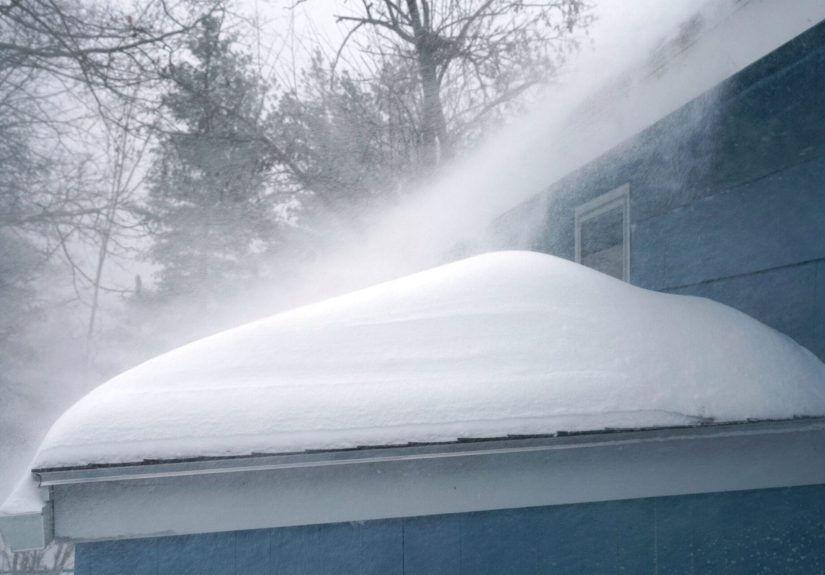
Roof failures often happen when snow doesn’t load the roof evenly. Wind can create deep drifts on one side, and snow can slide off a higher roof and pile onto a lower rooflike a porch roof, sunroom, or entry canopy. That “lower roof under a bigger roof” setup is a classic trouble spot. [1]
Do not treat roof snow removal like a DIY adventure movie
Here’s the rule: if removing roof snow requires climbing onto an icy roof, it’s usually not worth the risk. Many authorities emphasize that attempted roof snow removal can be more hazardous than beneficial, and if you suspect structural risk, you should involve a professional. [1]
Safer approach: if snow must be reduced, use a roof rake from the ground to clear a strip along the roof edge (which also helps reduce ice dam formation). Keep the area below clear so falling snow/ice can’t hit anyone. Leave enough snow so you’re not scraping shingles like you’re sanding a table. [1]
Stop ice dams at the source: heat loss + refreeze
Ice dams form when heat escapes into the attic/roof, melts roof snow, and the meltwater refreezes at colder eaves. Over time, that ice ridge blocks drainage, so water backs up under shingles. The long-term fix isn’t “more salt.” It’s building science: air seal, insulate, and ventilate so the roof stays cold and the attic stays dry. [2]
Roof/attic upgrades that pay off every winter
- Air-seal attic leaks (around lights, attic hatches, plumbing/electrical penetrations). Warm air leakage is a major ice-dam driver. [2]
- Improve attic insulation so heat stays in your living space, not in your roof system. [2]
- Maintain balanced attic ventilation to keep roof temps stable and reduce moisture/condensation. [2]
- Keep gutters and downspouts clear before winter so meltwater has a place to go (and doesn’t refreeze into a problem). [1]
Prevent Frozen Pipes (and the Sneaky Flood That Comes After)
Why pipes burst
Water expands when it freezes, and pipes don’t appreciate being used as a freezer tray. Pipes often crack at weak points, then burst or leak when things thawmeaning the disaster can show up after the worst weather is gone. [5]
Before the cold hits: pipe-proof your home
- Insulate exposed pipes in unheated areas (crawlspaces, attics, garages, exterior walls). [5]
- Seal cold air leaks where pipes enter walls/floors (small gaps can funnel freezing air right onto plumbing). [3]
- Know where your main water shutoff is and make sure it’s accessiblebecause in a leak, minutes matter. [3]
- Disconnect and drain outdoor hoses and shut off exterior faucets if you have that valve. [3]
During a freeze: simple habits that prevent big damage
- Keep indoor temps steady (even if you’re travelingturning heat way down can be a false “savings”). [5]
- Open cabinet doors under sinks on exterior walls to let warmer room air circulate. [5]
- Let faucets drip in extreme cold, especially on vulnerable lines (moving water is harder to freeze). [5]
If a pipe freezes
If you suspect a frozen pipe (little/no water flow), keep the faucet open and warm the pipe gently. Avoid open flames. If you can’t access it safely or aren’t sure what you’re doing, call a plumberthis is not the moment for “experimental home improvement.” [5]
Prevent Carbon Monoxide Emergencies During Snowstorms and Outages
CO is the winter hazard you can’t smell
Carbon monoxide poisoning spikes during winter storms because people use generators, grills, camp stoves, or unvented heaters incorrectly when the power goes out. CO has no smell, and symptoms can mimic “I’m just tired and cold,” which is a terrible feature in an emergency. [4]
Non-negotiable rules for generators and fuel-burning devices
- Never run a generator inside a home, basement, garage, or attached structureeven with doors/windows open. [4]
- Keep generators far from the house (a common guideline is at least 20 feet from doors, windows, and vents). [4]
- Never use grills, camp stoves, or similar devices indoors for heat or cooking. [3]
- Install CO alarms (battery-powered or battery-backup) and test them before storm season. [3]
Practical tip: snow can block vents and exhaust outlets. After heavy snow, safely check that furnace and dryer vents remain clear. If you’re not sure what you’re looking at, ask an adult or call a problocked venting plus combustion appliances is a risky combo. [4]
Prevent Winter Fires: Space Heaters, Fireplaces, and “Creative” Heating
The three-foot rule saves houses
Most home heating fires come down to distance: heaters too close to things that burn (blankets, curtains, furniture). Keep a three-foot safety zone around any heat source and turn portable heaters off when you leave the room or go to sleep. [6]
What not to do (even if your house feels like a freezer)
- Don’t heat your home with an oven or stovetop. It’s a fire and CO risk. [3]
- Avoid candles as “emergency lighting.” Use flashlights instead. [6]
- Don’t overload outlets with heaters and extension cords; follow manufacturer instructions and use proper-rated equipment. [6]
Fireplace and chimney sanity check
If you use fireplaces or wood stoves, maintenance matters. Have chimneys and heating equipment inspected/cleaned as recommended, and use proper screens and ash handling. A cozy fire is greatan attic ember situation is not. [6]
Prep Your Home Before Snow Season: The “Boring” Checklist That Prevents Expensive Chaos
The best time to prevent snow disasters is before the first storm shows up like a surprise quiz. Here’s a practical pre-season plan:
1) Weatherproof the building envelope
- Seal gaps and add weather-stripping to reduce drafts and heat loss. [3]
- Improve attic air sealing/insulation to reduce ice-dam risk and energy waste. [2]
- Check attic ventilation pathways so insulation doesn’t block soffit vents. [8]
2) Get roof-ready
- Clean gutters/downspouts; verify drainage paths away from the foundation. [1]
- Look at “weak” roof areas: porches, carports, additions, and flat/low-slope sections. [1]
- Know warning signs of overload (new cracks, sagging, loud creaks/pops) and have a plan to call a qualified professional. [7]
3) Make pipes less dramatic
- Insulate vulnerable plumbing and seal cold drafts near pipe runs. [5]
- Locate the main shutoff and label it (seriouslyfuture you will be grateful). [3]
4) Prepare for outages safely
- Stock flashlights, batteries, and a NOAA weather radio or reliable alert method. [3]
- Test smoke and CO alarms; keep spare batteries. [3]
- If you have a generator, review safe placement and operation rules with your household before you need it. [4]
5) Reduce financial pain if damage still happens
Even great prep can’t control every storm. Consider creating a home inventory (photos/video stored securely) and review insurance coverage before winter. It’s not the fun part, but it can make recovery much faster. [10]
During the Storm: What to Do While It’s Dumping Snow Outside
Stay off the roads and avoid overexertion
Many winter injuries come from slips, falls, and overexertion while shoveling. Pace yourself, take breaks, and don’t turn snow removal into a cardio competition. [3]
Keep your home safely warm
- Dress in layers indoors and close off unused rooms to retain heat. [3]
- Use space heaters only with proper clearance and shutoff habits. [6]
- Do not use grills/campfuel devices indoorsever. [3]
Prevent “blocked vent” surprises
Heavy snow can cover exterior vents and exhaust points. If it’s safe to do so from the ground, confirm vents aren’t buried. If clearing requires ladders, roofs, or risky footing, call a professional. This is a safety task, not a bravery task. [4]
After the Storm: The 30-Minute Walkaround That Can Save Thousands
When the snow stops, don’t just celebrateinspect. Catching problems early can prevent mold, structural damage, and “why is my ceiling dripping?” moments.
Outside checks
- Look for new icicles, uneven snow buildup, or signs of ice dams along eaves. [2]
- Make sure downspouts and drainage paths aren’t frozen into useless sculptures. [1]
- Clear snow away from the foundation area where feasible, so meltwater doesn’t pool against the house. [3]
Inside checks
- Scan ceilings and upper walls for stains or damp spots (early leak signals). [2]
- Check under sinks and near exterior walls for dampness or frost on pipes. [5]
- If you used alternative heat or lost power, confirm CO and smoke alarms are still working. [4]
Homes That Need Extra Snow Strategy
Flat roofs and low-slope roofs
These roofs can hold snow longer and are more sensitive to heavy, wet accumulation and drifting. If your home has a flat roof over a room addition, porch, or garage, treat it as a priority area for monitoring. If you see deflection/sagging or hear unusual noises, stop and call a qualified professional. [7]
Older homes (or homes with “mystery renovations”)
Older structures may not reflect modern snow-load assumptions, and additions sometimes have different framing than the original house. That doesn’t mean “panic”it means “pay attention and maintain.” [1]
Vacation homes and empty houses
Empty homes are pipe-disaster magnets because small failures go unnoticed until they become big failures. Keep the heat at a safe minimum, consider smart leak detection, and have someone check the property after major storms. [5]
When to Call a Pro (and Why That’s the Smart Move)
Some winter tasks are best left to trained, insured professionalsespecially anything involving roof access, electrical systems, or structural concerns. Call for help if you notice:
- Roof sagging, cracking sounds, shifting doors/windows, or new large wall/ceiling cracks. [7]
- Persistent leaks, recurring ice dams, or attic moisture problems. [2]
- A frozen pipe you can’t access safely, or any active leak you can’t stop quickly. [5]
- Any CO alarm activation or symptoms of CO exposuretreat it as urgent. [4]
Bonus teen-safety note: if you’re under 18, don’t do roof work, ladder work, or generator setup solo. Winter injuries happen fast, and the “I was just trying to help” story is not as charming as it sounds.
of Real-World Experience: What People Learn the Hard Way (So You Don’t Have To)
Ask homeowners about snow disasters and you’ll hear the same themesbecause winter damage has a predictable personality. It’s not usually one dramatic event. It’s a chain of small “eh, it’s probably fine” moments that eventually become “why is there water in my light fixture?”
One common story starts with an ice dam that looks harmlessjust a pretty ridge of ice with fancy icicles. People admire it like holiday décor. Meanwhile, warm air escaping into the attic melts the top layer of roof snow, the water runs down, refreezes at the eaves, and quietly builds a dam. Then the ceiling stain appears. Someone says, “That’s weird,” takes a picture, and goes back to making chili. A week later, the stain has friends, the insulation is soaked, and now you’re dealing with drywall repair and a moisture problem that didn’t need to exist. The lesson people repeat afterward: ice dams are a symptom. The real fix is sealing attic air leaks and improving insulation/ventilationso you’re not paying to heat your roof. [2]
Another classic is the “vacation burst pipe surprise.” The house is empty, the thermostat is turned down to “polar expedition,” and a cold snap hits. A pipe in a chilly cabinet freezes, cracks, and then waits. When temperatures rise, water flows and the leak startssilentlyuntil someone returns to a soggy floor. Homeowners who’ve lived this will tell you the same thing every time: keep a stable temperature, insulate vulnerable pipes, and know your shutoff valve. It’s not glamorous, but it’s cheaper than replacing flooring. [5]
Then there’s the power-outage scramble. People get cold, improvisation begins, and that’s when carbon monoxide and fire risks skyrocket. The “quick solution” becomes the dangerous solution: a generator in a garage “just for a little bit,” a grill used indoors, a space heater too close to bedding. The households that avoid this tend to do one thing differently: they decide their rules before the outage. They test CO alarms, keep flashlights ready, and treat generator placement like a strict safety boundary, not a flexible suggestion. [4]
Finally, there’s the roof-load moment. Someone hears a pop, notices a new crack, or sees an odd sag line. The smart move is not to grab a ladder. It’s to keep people out of the area, avoid “heroics,” and call a qualified professionalbecause falling off a roof or triggering structural failure is a brutal trade for “saving a repair bill.” Homeowners who’ve been through it tend to say the same thing: monitor vulnerable roof sections (especially lower roofs under higher roofs), and respect wet snow because it weighs way more than it looks. [1]
The pattern across all these stories is simple: winter disasters aren’t inevitable. They’re usually a maintenance gap plus bad timing. Close the gaps early, and snow goes back to being what it should bepretty, cold, and safely outside.
Conclusion
Preventing snow-related home disasters comes down to four priorities: keep roof loads reasonable, stop ice dams by controlling heat loss, protect plumbing from freezing, and handle outages with strict CO and fire safety rules. Pair that with a quick post-storm inspection and a “call a pro” mindset for risky tasks, and you’ll avoid the most expensive winter surprises.







 Close
Close