
Table of Contents >> Show >> Hide
- Why Lobster Tails Are Worth Learning
- Start With the Right Lobster Tails
- How to Thaw Lobster Tails Safely
- Tools You Need Before You Begin
- How to Prep Lobster Tails Step by Step
- Best Ways to Cook Lobster Tails
- How to Know When Lobster Tails Are Done
- Common Mistakes That Ruin Lobster Tails
- What to Serve With Lobster Tails
- Kitchen Experiences: What Preparing Lobster Tails Teaches You
- Conclusion
- SEO Tags
Lobster tails have a reputation for being fancy, dramatic, and just a little intimidating. They show up at steakhouses under melted butter like they own the place, and somehow that makes home cooks think they require a culinary degree, a yacht, or at least a butler named Winston. The good news is that lobster tails are much easier to prepare than their white-tablecloth image suggests.
If you know how to thaw them properly, cut the shell without turning the kitchen into a crime scene, and cook the meat just until tender, you can make restaurant-worthy lobster tails at home without breaking a sweat. Or at least without breaking more than one sweat. The secret is not doing anything wildly complicated. It is doing a few simple things correctly.
In this guide, you will learn how to prepare lobster tails from start to finish, including how to thaw, butterfly, season, and cook them using the best methods for home kitchens. Whether you plan to broil, bake, grill, steam, or butter-poach them, this article will help you get juicy, sweet lobster meat instead of sad rubber with ambitions.
Why Lobster Tails Are Worth Learning
Lobster tails are one of the easiest ways to serve lobster at home because they are compact, widely available, and faster to cook than a whole lobster. Many of the tails sold in grocery stores are frozen, which is not a downgrade. In many cases, frozen lobster tails are the most practical option because they are processed for convenience and available year-round.
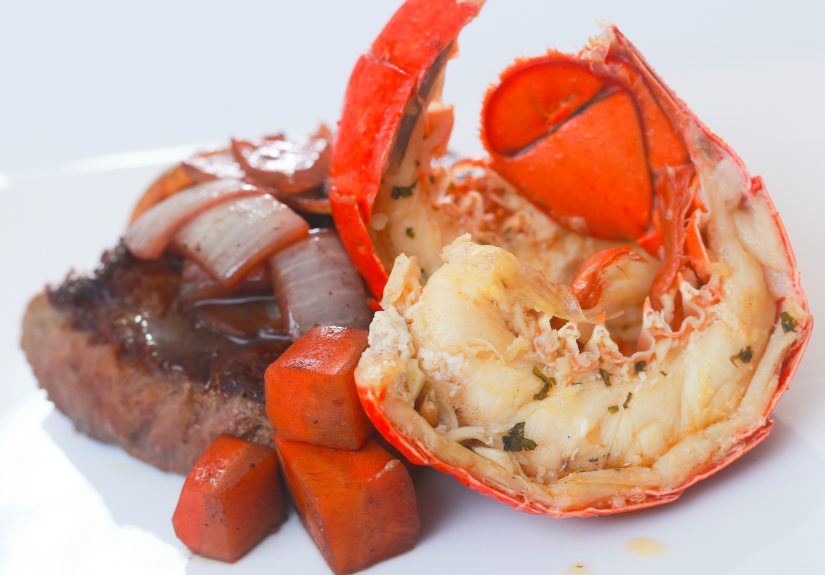
They are also wonderfully versatile. You can serve them with lemon and butter for a classic dinner, slice the meat for pasta, tuck it into a roll, or pair it with steak for the sort of meal that makes a random Tuesday feel suspiciously glamorous.
Start With the Right Lobster Tails
Choose tails that look solid, not sketchy
When buying lobster tails, look for shells that are intact and meat that appears firm. If the tails are frozen, avoid packages with excessive ice crystals or obvious freezer burn. That usually means the lobster has had a rough journey. Lobster should look like dinner, not like it survived a snowstorm in your freezer for three presidential terms.
Frozen is normal
Do not be afraid of frozen lobster tails. In fact, that is what many home cooks buy most often. The key is thawing them correctly so the meat cooks evenly and stays tender. Trying to cook a rock-hard tail from the freezer is a great way to end up with an overcooked outside and a chilly center, which is not the kind of surf-and-turf surprise anyone wants.
How to Thaw Lobster Tails Safely
The best way to thaw lobster tails is in the refrigerator overnight. Put them on a plate or in a shallow dish so any moisture stays contained, then let time do the work. This slow thaw keeps the texture in good shape and helps the meat cook more evenly.
If you need a faster option, place the tails in a sealed plastic bag and submerge the bag in cold water. Change the water every 30 minutes so it stays cold. This method works well when dinner is approaching and your planning skills have suddenly gone missing.
Never thaw lobster tails on the counter. Room-temperature thawing is a food-safety problem, and it can also hurt texture. If you use the microwave to defrost, cook the tails immediately afterward. Microwaves are helpful in an emergency, but they are also talented at creating weird hot spots that start cooking the meat before you are ready.
Tools You Need Before You Begin
- Kitchen shears for cutting the shell cleanly
- A sharp knife for trimming or splitting if needed
- Paper towels for drying the tails
- A baking sheet, grill, pot, or skillet depending on your cooking method
- Melted butter or oil for moisture and flavor
- An instant-read thermometer, which is the real hero of this story
If you do only one professional-looking thing, use kitchen shears. They make lobster prep dramatically easier and reduce the chances of hacking at the shell like you are fighting a tiny medieval helmet.
How to Prep Lobster Tails Step by Step
1. Pat the tails dry
Once thawed, dry the lobster tails with paper towels. This helps seasonings stick and improves browning during broiling, baking, or grilling.
2. Cut the top shell
Place the tail shell-side up. Using kitchen shears, cut down the center of the top shell lengthwise, stopping before you cut through the tail fin. Be careful not to slice all the way through the bottom shell unless your recipe specifically calls for halved tails.
3. Loosen the meat
Gently separate the shell from the meat with your fingers or the back of a spoon. Lift the meat slightly without tearing it away from the base. This step helps the lobster cook more evenly and gives you that impressive presentation people pay good money for in restaurants.
4. Butterfly or piggyback the tail
For a butterflied lobster tail, pull the meat upward so it rests on top of the shell while still attached at the end. This exposes more surface area to the heat and makes seasoning easier. It also looks dramatically elegant, which is always nice when the food itself is doing some of the decorating.
If you want a simpler approach, you can split the shell and leave the meat in place. That works especially well for steaming or boiling.
5. Season lightly
Lobster meat is naturally sweet and delicate, so keep the seasoning simple. Melted butter, olive oil, lemon juice, garlic, paprika, black pepper, and a little salt are usually all you need. Heavy seasoning can bully the lobster instead of complementing it. This is lobster, not a spice dare.
Best Ways to Cook Lobster Tails
Broiling: fast, classic, and hard to beat
Broiling is one of the best ways to cook lobster tails because it is quick and creates beautiful browning on top. Arrange butterflied tails on a baking sheet, brush them with melted butter, and place them under the broiler with the rack positioned so the meat is not too close to the heat.
A common rule of thumb is about 1 minute per ounce for average tails, though thickness matters more than strict timing. Watch closely. Lobster goes from perfect to overdone faster than a group chat turns chaotic. The meat should become opaque and firm, not dry or shrunken.
Baking: gentle and reliable
Baking is a little less dramatic than broiling and slightly more forgiving. It is a good choice when you want steady heat, especially for larger tails or stuffed preparations. Bake lobster tails in a hot oven until the shells turn bright red and the meat turns opaque. Baking usually takes longer than broiling, but it gives you more breathing room and a little less panic.
This method is ideal if you are serving side dishes at the same time and do not want to hover over the oven like a stressed-out lifeguard.
Grilling: smoky, summery, and excellent
Grilling lobster tails adds a light smoky flavor that works beautifully with garlic butter, lemon, and herbs. Cut and prep the tails first, brush the meat with oil or butter, and grill over medium-high heat. Many cooks start the tails meat-side down for a quick sear, then flip them to finish more gently.
Have a cooler side of the grill ready in case flare-ups appear. Butter and open flame are old friends, but they can get a little too enthusiastic. The finished lobster should be lightly charred in places, fully opaque, and still juicy.
Steaming: simple and tender
Steaming is a great method if you want especially moist lobster meat and minimal fuss. Place the tails in a steamer basket over simmering water, cover, and cook just until the meat turns opaque. This method is clean, straightforward, and very effective for smaller tails.
Steaming does not give you browning, but it does give you excellent texture. If your goal is pure lobster flavor with drawn butter on the side, steaming absolutely deserves a spot in your rotation.
Boiling: useful, but easy to overdo
Boiling works, especially if you are prepping lobster meat for another recipe, but it can be a bit harsher than steaming or broiling. If you boil lobster tails, use only as much time as needed and cool them promptly if the recipe calls for chilled or further-prepared meat. Overboiled lobster becomes chewy, and nobody spends lobster money hoping for the texture of a pencil eraser.
Butter poaching: luxurious and wonderfully gentle
If you want lobster tails that taste rich, tender, and almost suspiciously expensive, butter poaching is a beautiful method. Cook the lobster gently in warm butter over low heat rather than aggressive bubbling heat. This keeps the meat delicate and lets the flavor stay front and center.
Butter-poached lobster is perfect for date night, holiday dinners, or any evening when you would like your kitchen to feel like a small but confident bistro.
How to Know When Lobster Tails Are Done
The best way to judge doneness is with an instant-read thermometer. Lobster is safely cooked at 145°F in the thickest part of the meat. Visually, the flesh should be opaque and white, not translucent. The shell will usually turn bright red, but color alone is not enough to tell you the inside is ready.
Another clue is texture. Properly cooked lobster feels firm but still springy. Overcooked lobster tightens up and loses that juicy, almost buttery tenderness that makes it so good in the first place.
Common Mistakes That Ruin Lobster Tails
- Skipping proper thawing: Uneven cooking starts here.
- Overseasoning: Lobster does not need a spice avalanche.
- Cooking by time only: Tail size varies, and thermometers do not guess.
- Overcooking: This is the number one lobster tragedy.
- Not drying the tails first: Excess moisture makes browning harder.
- Using blazing heat without attention: Lobster needs supervision, not abandonment.
What to Serve With Lobster Tails
Lobster tails pair beautifully with simple sides. Drawn butter and lemon are the classics for a reason, but you can also serve them with roasted asparagus, baked potatoes, risotto, pasta, corn, or a crisp salad. If you want to keep the meal elegant, stay with fresh, bright flavors. If you want to lean into comfort food, mashed potatoes and a good loaf of bread are not exactly bad decisions.
For sauces, garlic butter, herb butter, lemon beurre blanc, and even a restrained cream sauce can work well. The important word here is restrained. Lobster wants support, not a dramatic monologue from the sauce.
Kitchen Experiences: What Preparing Lobster Tails Teaches You
One of the most interesting things about learning how to prepare lobster tails is that it changes the way you think about “special occasion” cooking. The first time many people make lobster at home, they approach it like a nerve-racking final exam. They double-check the package, read three recipes, wash the kitchen shears like surgical instruments, and stare at the oven as though it personally owes them a perfect dinner. Then the tails come out tender, sweet, and beautiful, and suddenly lobster feels less like a culinary mountain and more like a smart skill.
That is part of the charm. Lobster tails teach confidence because the process is simple once you understand the basics. You learn that expensive ingredients do not always require complicated techniques. Often they require restraint. A little butter, a little lemon, careful heat, and good timing can beat an overcomplicated recipe every single time.
They also teach patience. If you rush the thawing process, the texture suffers. If you rush the cooking, the meat toughens. Lobster tails reward calm, steady attention. There is something satisfying about that in a world where most meals are built around multitasking, notifications, and the noble but chaotic question of what can be done in under 20 minutes. Lobster says, “Relax. Pay attention. We are doing one elegant thing tonight.”
Another real experience many home cooks have is discovering how much presentation matters. The difference between an uncut shell and a neatly butterflied tail is dramatic. The flavor may be similar, but the visual effect is miles apart. Pulling the meat gently over the shell transforms the dish from plain seafood into something that looks celebratory. It feels like a restaurant move, but it is completely manageable in a home kitchen.
Then there is the lesson of doneness. Lobster tails are one of the fastest ways to become a believer in instant-read thermometers. Plenty of people who casually guess their way through chicken or salmon suddenly become precision-focused when lobster is involved. And that is not a bad thing. Once you taste lobster that is cooked exactly right, you understand the difference immediately. It is tender, juicy, and sweet instead of dry, chewy, and vaguely disappointing.
Perhaps the best experience of all is serving lobster tails to other people. It always creates a moment. Guests sit up straighter. Family members ask questions. Someone inevitably says, “You made this at home?” That is the reward. Lobster tails feel generous. They feel festive. They make dinner memorable without requiring a restaurant reservation or a major production.
So yes, lobster tails are delicious. But they are also a reminder that cooking can be both practical and a little theatrical. You cut the shell, lift the meat, brush on butter, and a few minutes later dinner looks like it should come with candlelight and a menu. That is a pretty good trick for one humble pair of kitchen shears.
Conclusion
Preparing lobster tails is not about complicated technique. It is about handling a premium ingredient with a light touch. Thaw them safely, prep them cleanly, season them simply, and cook them just until the meat is opaque and tender. That is the formula. Whether you broil, bake, grill, steam, or poach, the goal is the same: sweet, juicy lobster that tastes luxurious without being fussy.
Once you make lobster tails at home a couple of times, the mystery disappears and the fun begins. And honestly, that may be the best part. Fancy dinner energy, surprisingly low chaos, and butter. Hard to argue with that.







 Close
Close