
Table of Contents >> Show >> Hide
- Get to Know the Tuba Before You Play a Note
- Start with Proper Tuba Posture
- Learn Breath Support Before You Chase Fancy Notes
- Build a Beginner Tuba Embouchure
- Make Your First Sound on the Tuba
- Understand Tuba Fingerings Without Panicking
- Practice Tuning Like a Musician, Not a Machine
- Create a Beginner Tuba Practice Routine That Works
- Common Beginner Mistakes to Avoid
- Tuba Care and Maintenance for Beginners
- What Learning the Tuba Feels Like: on the Real Experience
- Final Thoughts
- SEO Tags
Learning how to play a tuba is a little like learning to drive a school bus with lungs. It looks huge, it feels huge, and on day one you may wonder whether you are playing the instrument or the instrument is playing you. The good news is that beginner tuba skills are not some mysterious low-brass wizardry. With the right posture, breath support, tuba embouchure, and practice routine, you can make a solid sound faster than you think.
This guide breaks down how to play a tuba in plain American English, without making you feel like you need a doctorate in brass plumbing. We will cover setup, breathing, buzzing, tuba fingerings, tuning, maintenance, and the practice habits that help beginners stop sounding like a foghorn with stage fright. Whether you are starting school band, switching from another brass instrument, or finally answering your lifelong call to play the musical thunder machine, this article will help you get moving.
Get to Know the Tuba Before You Play a Note
Before you chase your first good tone, it helps to know what you are holding. A tuba is the bass foundation of the brass family. In band music, it often provides the bottom of the harmony, the pulse under the ensemble, and the kind of sound that makes everyone else feel supported. If the flute sparkles and the trumpet shines, the tuba is the floor holding up the whole house.
Most beginners in school settings start on a BBb tuba. Student instruments are often built with three valves, while more advanced tubas may have four or more. A fourth valve is especially helpful for intonation and low-register playing, but a beginner can still make great progress on a three-valve horn. If you are a younger student or a smaller player, a 3/4-size tuba can be a smart, less intimidating place to begin.
Know the Parts That Matter Most
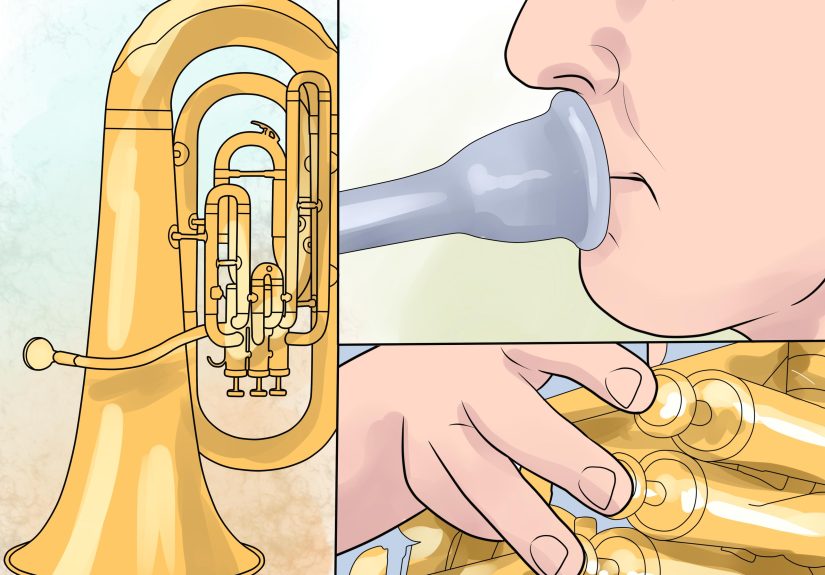
You do not need to memorize every bend of metal on day one, but you should know the parts you touch all the time: the mouthpiece, leadpipe, valves, tuning slides, bell, and water keys. The mouthpiece is where your sound begins. The valves change the length of tubing, which changes pitch. The tuning slides help you adjust intonation. The water keys release moisture that builds up while you play. The bell is where that glorious rumble heads into the world.
Choose a Setup That Does Not Fight You
A beginner tuba should feel manageable, not like a wrestling partner. If the horn is too heavy, too tall, or too awkward to balance, you will spend more time surviving than learning. That is one reason tuba stands and rests are so helpful. They bring the mouthpiece to your face instead of forcing your neck and back to contort like a pretzel auditioning for band.
Start with Proper Tuba Posture
If you want better tone, easier breathing, and fewer weird aches, posture matters more than beginners usually expect. Good tuba posture is not about sitting like a statue in a museum. It is about staying open, balanced, and ready to move air.
How to Sit
Sit toward the front of a sturdy chair with both feet flat on the floor. Keep your back long, your chest comfortably lifted, and your shoulders relaxed. Your head should stay upright instead of diving toward the mouthpiece like it owes you money. Bring the tuba to your mouth, not your mouth to the tuba.
If you have to hunch, lean, twist, or crane your neck, your setup needs fixing. A stand, rest, or slight adjustment in chair height can make a huge difference. Good posture makes breath support easier, and better breathing makes almost everything else on the instrument easier too.
How to Hold the Tuba
Support the tuba from sturdy parts of the instrument, not delicate ones. Do not lift or carry it by the leadpipe, and do not mash your hand into awkward angles trying to look heroic. Your left arm usually helps stabilize the body of the horn, while your right hand rests naturally on the valves. Keep your fingers curved and relaxed. Tension is the enemy of clean playing, and the tuba already has enough metal in the room without adding robot hands.
Learn Breath Support Before You Chase Fancy Notes
Tuba playing is powered by air. Not random air. Organized air. Calm, generous, steady air. If you try to squeeze sound out of the horn with lip pressure and panic, the tuba will respond with the musical equivalent of a shrug.
Think Diaphragmatic Breathing, Not Shoulder Breathing
A strong brass breath starts low and wide. When you inhale, think about expanding through the torso rather than lifting your shoulders. A helpful beginner check is this: your belly and lower ribs should move more than your upper chest. If your shoulders jump up every time you breathe, your body is working too hard before you even play.
Breathing exercises can help. Try sitting tall, inhaling slowly through the nose, and noticing your midsection expand. Then exhale smoothly through slightly pursed lips. This kind of awareness training can improve air control, which directly helps tone production, phrasing, and endurance on the tuba.
Move Air Freely
One of the smartest things a beginner can learn is to think about moving air, not micromanaging every muscle. The goal is not to “force” a gigantic breath with tension. The goal is to let the body work naturally while sending a generous stream of air through the horn. On tuba, good sound usually comes from free airflow, not from clamping down harder and hoping for a miracle.
Build a Beginner Tuba Embouchure
Your embouchure is the way your lips, mouth, and facial muscles work together on the mouthpiece. It is important, but beginners often overcomplicate it. You do not need a mystical facial formula. You need a stable setup, relaxed corners, and enough air to keep the lips vibrating.
Start with Buzzing
Buzzing teaches you how lip vibration creates sound. At first, the goal is not a beautiful concert-hall buzz. The goal is simply to make the lips vibrate consistently. Some teachers begin with free buzzing, while others move quickly to mouthpiece buzzing. Both can help you connect embouchure formation with airflow.
A simple beginner exercise is to take a relaxed breath, set your lips as though you are about to say “em,” then blow until a buzz happens. If nothing comes out except confusion and dry air, that is normal. Keep the corners firm but not pinched, and try again. Many new players discover that they were either too loose or way too tense. The sweet spot lives in the middle.
Use the Mouthpiece Correctly
Insert the mouthpiece with a gentle twist. Do not jam it in. Do not tap it into place. Do not “lightly bonk” it. That is how mouthpieces get stuck and how teachers acquire one more reason to sigh deeply. Once it is in, rest it naturally against your lips. Avoid excessive pressure. Too much mouthpiece pressure can choke the sound, tire your lips, and make range and flexibility harder to build.
Make Your First Sound on the Tuba
Once your posture and breathing are working together, it is time for the fun part: actually making a note. Take a full breath, set your embouchure, and blow as if you are sending warm, steady air through the instrument. Many beginners do better when they imagine blowing through the horn instead of at the mouthpiece.
Your first notes may sound airy, fuzzy, or suspiciously like a large bee that pays rent. That is fine. A centered tone develops with repetition. Focus on a full sound, not a loud one. Loudness without control is just brass-flavored chaos.
Start with Long Tones
Long tones are one of the best beginner tuba exercises because they teach steadiness. Play a comfortable note and hold it with consistent air, stable pitch, and even tone. Listen carefully. Is the sound wobbling? Is the note dying halfway through because your air disappeared? Is your face doing extra work it does not need to do? Long tones reveal the truth, sometimes rudely, but always helpfully.
Understand Tuba Fingerings Without Panicking
Tuba fingerings can look intimidating at first, especially when you realize that the same fingering can produce multiple notes depending on air speed, embouchure, and the harmonic series. Welcome to brass logic, where one valve combination can mean several things and somehow that is considered normal.
How the Valves Work
Each valve adds tubing and lowers the pitch. That is the simple version, and it is enough to get started. On a BBb tuba, beginners usually learn notes in a limited starting range first, then expand outward. Use a fingering chart for your exact instrument, because lower-register fingerings can vary by model and by whether the tuba has a compensating system.
Learn Patterns, Not Just Isolated Notes
Do not memorize tuba fingerings as disconnected trivia. Learn them in patterns. Practice short scales, easy tunes, and neighboring notes. That helps your hands and ears work together. Over time, fingerings become automatic, and you stop having that dramatic mid-measure moment where your brain goes, “Excellent question. What note is this?”
Practice Tuning Like a Musician, Not a Machine
Tuning a tuba is not just about staring at an electronic tuner until it blesses you with a green light. It is about listening, adjusting, and developing pitch awareness. A tuner is a helpful tool, especially for beginners, but your ears still have to do the real work.
Start by checking your main tuning slide, then learn how your instrument responds in different ranges. Some notes sit naturally better than others. Some valve combinations need extra attention. Practice with a drone, tuner, or piano when possible. The more often you match pitch on purpose, the less your section mates will give you that look during rehearsal.
Create a Beginner Tuba Practice Routine That Works
Good practice is not about marathon sessions filled with frustration and dramatic sighing. It is about consistency. A focused 20 to 30 minutes can do more for a beginner than a heroic two-hour struggle session performed in a cloud of resentment.
A Simple Daily Routine
Start with breathing work and a few easy buzzing drills. Move to long tones to center the sound. Add lip slurs to build flexibility. Then practice scales, fingering patterns, and short passages from your band music or method book. Finish with something musical, even if it is simple. You want your brain to remember that the tuba is an instrument, not merely a collection of maintenance responsibilities.
Use a Tuner and Metronome
These two tools fix more beginner problems than most players want to admit. A tuner helps with pitch awareness. A metronome cleans up rhythm and note spacing. If your sound is messy and your timing is wobbly, no amount of emotional commitment will save the phrase. The metronome is not mean. It is just honest.
Common Beginner Mistakes to Avoid
- Taking tiny breaths and then wondering why the sound is weak.
- Leaning your whole body toward the mouthpiece instead of adjusting the instrument.
- Pressing the mouthpiece too hard into your face.
- Ignoring posture until your back and neck complain.
- Memorizing fingerings without listening to pitch and tone.
- Skipping warm-ups and expecting your chops to magically cooperate.
- Forgetting maintenance until the valves move like sleepy elevators.
Avoiding these habits early will save you a lot of time. The tuba is forgiving in spirit, but not in physics.
Tuba Care and Maintenance for Beginners
If you want your instrument to play well, you have to treat it like something other than a large metal backpack. Basic tuba care is not glamorous, but it matters.
After Every Playing Session
Empty the water keys, wipe down the outside, and remove excess moisture. Put the tuba back in its case properly. Store the mouthpiece safely. Do not leave the instrument balanced in a suspicious corner where one curious elbow can send it into a tragic slow-motion flop.
Weekly and Routine Care
Clean the mouthpiece with warm, soapy water and a mouthpiece brush. Oil pistons or rotors as needed. Grease tuning slides lightly so they move without getting sticky. Clean casings and slides carefully using appropriate cloths, brushes, and rods. If you are unsure how to do more advanced cleaning, ask a band director, private teacher, or repair technician. There is no trophy for improvising maintenance with bad ideas.
What Learning the Tuba Feels Like: on the Real Experience
Learning how to play a tuba is one of those experiences that teaches patience in a very specific, very loud way. At first, the instrument feels enormous. You sit down with it and immediately realize that this is not a casual hobby object. It has weight, attitude, and a strong opinion about whether you have remembered to breathe properly. The first few days can feel awkward because your hands, face, air, and ears are all being asked to cooperate at once. That is a lot to ask from a human being before dinner.
Then something funny happens. The tuba starts making sense. Not all at once, and definitely not in a cinematic montage where you suddenly nail a perfect solo while a sunset glows behind the marching field. It happens in small wins. One day your first note speaks right away. Another day your low register sounds fuller. Another day you realize you made it through a phrase without collapsing your posture like a folding chair. These moments are tiny, but they feel huge.
One of the best parts of learning the tuba is discovering what the instrument does in a group. Alone, it can feel like a giant puzzle made of air and metal. In an ensemble, it becomes the heartbeat. You begin to notice that your notes help everyone else feel grounded. You are not always carrying the melody, but you are carrying something just as important: the weight, warmth, and direction of the music. There is a quiet pride in that. Tuba players learn early that being the foundation is a power move.
The physical experience changes too. In the beginning, breathing feels like work. Your chops get tired. Long tones seem longer than history class. But with repetition, your body adapts. You stop fighting the horn and start partnering with it. Your embouchure becomes more dependable. Your air feels less panicked. The instrument that once seemed oversized starts to feel familiar, even comfortable. Eventually, carrying it still feels heavy, but playing it feels natural.
There is also a certain sense of humor that comes with being a tubist. You will hear jokes. Many of them will be ancient. Some will be funny. Some will sound like they were written by a trumpet player during a sugar crash. But you will also learn that audiences love the tuba more than they expect to. A good tuba sound is impossible to ignore. It can be noble, ridiculous, gentle, thunderous, or surprisingly agile. When beginners discover that range of personality, they often fall in love with the instrument for good.
In the end, learning the tuba is not just about producing low notes. It is about learning control, listening deeply, breathing better, and becoming comfortable in an important musical role. It teaches humility, consistency, and confidence all at once. And when that first really beautiful note comes out of the bell, round and rich and solid, it feels less like you finally conquered the tuba and more like the tuba finally decided to trust you back.
Final Thoughts
If you are wondering how to play a tuba well, the answer is wonderfully unglamorous: sit correctly, breathe deeply, buzz consistently, learn your tuba fingerings, practice every day, and take care of the instrument. That is the formula. No secret handshake. No enchanted valve oil. Just smart fundamentals repeated until they become second nature.
Stick with it. The tuba rewards patience. As your posture improves, your breath support grows, and your embouchure becomes more stable, the instrument starts to feel less like a beast and more like an extension of your musical voice. And that is when the fun really begins.







 Close
Close