
Table of Contents >> Show >> Hide
- What Is a Stock-the-Bar Party (and Why People Love It)?
- Step 1: Pick Your “Bar Style” (So Gifts Don’t Get Random)
- Step 2: Choose the Basics (Host Provides) vs. Boosters (Guests Bring)
- Step 3: Invitations That Actually Explain the Assignment
- Step 4: How Much to Buy (Simple Drink Math)
- Step 5: Set Up a Drink Station That Flows (Not a Traffic Jam)
- Step 6: Offer 3 Signature Mocktails (So Guests Don’t Have to Invent Physics)
- Step 7: Plan the Food (Snackable, Salty, Low-Stress)
- Step 8: Add One Activity (Not EightYou’re Not Running Summer Camp)
- Step 9: A Stress-Free Timeline
- Step 10: After-Party Organization (So the “Stock” Part Actually Sticks)
- Experiences & Real-World Lessons from Stock-the-Bar Parties (500+ Words)
- 1) Ice is the unofficial currency of good hosting
- 2) Guests love choices… until choices become homework
- 3) Label everything, even if it feels obvious
- 4) The garnish bar becomes the social hub
- 5) Sweetness needs balance, or drinks get tiring
- 6) The best “gifts” are the ones that get used weekly
- 7) Photos matter more than you think
- Conclusion
Quick heads-up: This guide focuses on an alcohol-free (zero-proof) “stock-the-bar” partythink mocktails, mixers, bar tools, glassware, garnishes, and gorgeous drink station vibes. It’s inclusive, age-friendly, and still feels like a celebration (because bubbles don’t need booze to be bubbly).
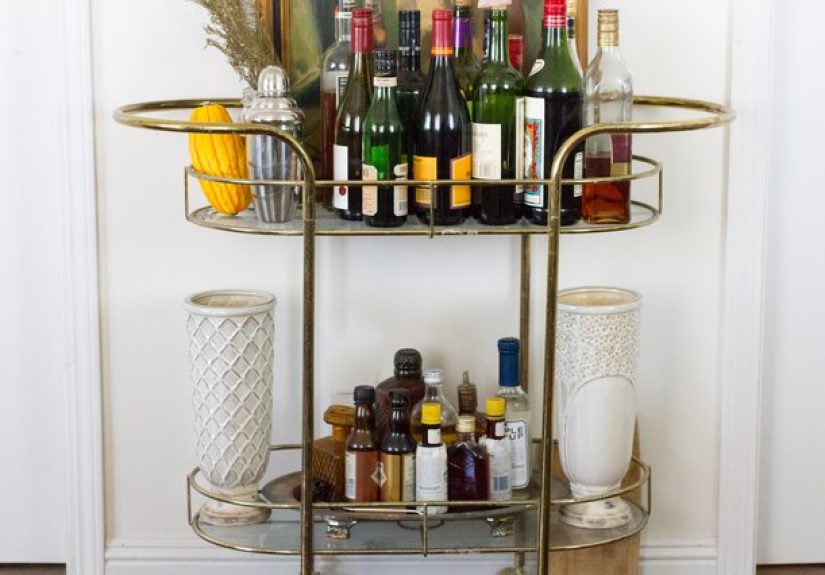
A Stock-the-Bar party is basically a party with a mission: everyone brings one or two items that help “stock” a home drink stationthen you celebrate while putting those goodies to work. It’s part shower, part housewarming, part “I love you, here’s a citrus juicer,” and it’s wildly easier to plan than a formal dinner. Plus, your guest of honor ends the day with a bar setup that doesn’t look like it was assembled from a gas station cooler and pure optimism.
What Is a Stock-the-Bar Party (and Why People Love It)?
Traditionally, a “stock-the-bar” theme shows up for couples, housewarmings, and showers: guests bring a spirit, mixer, or barware item to help build a home bar. The genius is that it’s practical (no duplicate waffle makers), social (people talk about flavors and favorites), and interactive (your drink station becomes the party’s main character).
The alcohol-free version keeps the same fun structure, but shifts the “bar” toward:
- Zero-proof bases (non-alcoholic aperitifs, botanical “spirits,” tonic concentrates)
- Mixers (sparkling water, ginger beer, sodas, teas)
- Fresh components (citrus, herbs, seasonal fruit)
- Flavor builders (shrubs, syrups, spices, non-alcoholic bitters alternatives)
- Tools + glassware (shakers, strainers, coupe glasses, highballs)
Done right, it feels like a mini beverage festival in your living roomwithout anyone waking up the next day asking, “Why did we buy three pineapple-shaped cups and no ice?”
Step 1: Pick Your “Bar Style” (So Gifts Don’t Get Random)
The fastest way to end up with a chaotic pile of stuff is to keep the theme too broad. Your job is to choose a bar style that matches the guest of honor’s taste, lifestyle, and storage space. (A tiny studio apartment does not need a blender the size of a lawnmower.)
Five easy bar styles that guests understand
- The Spritz Bar: bubbly mixers, citrus, herbs, fancy ice, pretty glassware
- The Soda Shop Bar: craft sodas, flavored seltzers, syrups, whipped toppings, fun straws
- The Tea & Tonic Bar: iced teas, tonic water, citrus wheels, honey syrups, spice garnishes
- The Shrub & Fizz Bar: tangy vinegar-based shrubs, club soda, fruit, peppery accents
- The Cozy Winter Bar: spiced cider, ginger, cinnamon sticks, warm mugs, slow-cooker batching
Planning tip: Choose one main style and one “bonus lane.” Example: “Spritz Bar + Tea Options.” That keeps the shopping list tight and makes the final setup feel curated instead of accidental.
Step 2: Choose the Basics (Host Provides) vs. Boosters (Guests Bring)
A smooth Stock-the-Bar party has a simple rule: the host covers the unsexy essentials so guests can bring the fun stuff.
Host-provided essentials (the party won’t function without these)
- Ice (more than you thinkthen add a little more)
- Water (still and/or sparkling)
- Cups or glassware (even if you’re using disposables, make them sturdy)
- Labels + a marker (mystery liquids are how legendsand messesare born)
- Trash + recycling bins near the drink station
- Basic snacks (salty things pair beautifully with citrus and bubbles)
Guest “booster” categories (the fun stuff)
- Zero-proof bases (botanical “spirits,” aperitif-style drinks)
- Mixers (ginger beer, tonic water, craft sodas)
- Syrups (honey syrup, vanilla, ginger, berry)
- Shrubs (fruit-and-vinegar concentrates for tangy fizz drinks)
- Garnishes (fresh herbs, citrus, berries, dehydrated fruit)
- Tools (jigger, shaker, muddler, bar spoon, strainer)
- Glassware (highballs, coupes, rocks glasses)
- “Make it pretty” extras (ice molds, cocktail napkins, drink picks)
If you want to avoid duplicates, assign guests a category (or set up a sign-up list). It’s not controllingit’s curating. Like a museum, but with limes.
Step 3: Invitations That Actually Explain the Assignment
The invitation is where you quietly prevent chaos. Be clear about (1) what a Stock-the-Bar party is, (2) what you want people to bring, and (3) your vibe.
Sample invitation wording (copy/paste-friendly)
“Join us for a Stock-the-Bar Party!”
We’re building a beautiful zero-proof drink station for [Name].
Instead of traditional gifts, please bring one item to stock the barchoose from mixers, syrups, shrubs, garnishes, glassware, or bar tools.
Bonus points if you include a quick recipe card for how you’d use it!
Add these helpful details:
- Theme: “Spritz Bar,” “Tea & Tonic,” or “Cozy Winter Bar”
- Dress code: casual, cocktail-ish, color theme, etc.
- Category assignment: “You’ve been assigned: Garnishes” (or provide a sign-up link)
- Any restrictions: caffeine-free options, allergy notes, sugar-free preferences
Step 4: How Much to Buy (Simple Drink Math)
Even an alcohol-free bar needs a quantity plan. People drink more when they’re chatting, snacking, and “just trying one more.” A reliable rule of thumb for non-alcoholic hosting is planning roughly 1–2 servings per guest per hour, plus plenty of water.
A simple formula
Total servings = (number of guests) × (party hours) × (1 to 2 servings/hour)
Example: 20 guests × 3 hours × 1.5 = 90 servings
That sounds like a lot until you remember: a “serving” might be a small spritz, a tea, or a sodanot a swimming pool.
Split the beverage plan so it feels intentional
- Water: aim for at least 30–40% of total beverages (still + sparkling)
- Bubbles: seltzer, club soda, tonic, ginger beer
- Flavor: juices, teas, syrups, shrubs, fruit
Host hack: Keep backups in a cooler or a laundry basket lined with a trash bag. It’s not glamorous, but neither is running to the store mid-party holding a half-squeezed lime.
Step 5: Set Up a Drink Station That Flows (Not a Traffic Jam)
The drink station is your stage. Make it easy to understand at a glance. The best layout is “build-your-own” with clear zones and simple signage.
The easiest station layout (left to right)
- Glassware + napkins
- Ice (with a scoop/tongshands are not utensils)
- Bases (tea concentrates, zero-proof aperitifs, juices)
- Bubbles (club soda, tonic, ginger beer, sparkling water)
- Flavor boosts (syrups, shrubs, spices)
- Garnish bar (citrus wheels, mint, berries, dehydrated fruit)
- Tools (jigger, bar spoon, shaker, strainer)
- Recipe cards (3 simple signature builds)
Pro move: Put water in a separate spot (a dispenser or cooler). If everyone has to “fight the bar” just to stay hydrated, you’ll get a line that looks like theme-park wait times.
Step 6: Offer 3 Signature Mocktails (So Guests Don’t Have to Invent Physics)
Self-serve is fun, but too much freedom can backfire. Give guests three “guaranteed good” options. Keep them short, bold, and easy to build.
Signature Mocktail #1: Citrus Rosemary Spritz
- 3 oz sparkling water or club soda
- 2 oz orange juice (or blood orange if you want drama)
- 1 oz lemon juice
- 1 oz honey syrup (equal parts honey + warm water)
- Garnish: rosemary sprig + orange wheel
How to build: Add ice, pour juices + syrup, top with bubbles, stir gently, garnish. Tastes fancy. Looks fancier.
Signature Mocktail #2: Ginger Lime “Nojito”
- 6–8 mint leaves
- 1 oz lime juice
- 1 oz simple syrup (or less, if you prefer tart)
- 3–4 oz ginger beer (or spicy ginger soda)
- Garnish: mint bouquet + lime wheel
How to build: Gently muddle mint with lime and syrup (don’t pulverize it into salad). Add ice. Top with ginger beer. Stir once. Smell mint. Feel powerful.
Signature Mocktail #3: Cranberry Pepper Shrub Fizz
- 1 oz cranberry shrub (store-bought or homemade)
- 0.5 oz simple syrup (optional, to balance tang)
- 3 oz club soda
- Garnish: cranberries + a twist of citrus
How to build: Ice first, then shrub, then bubbles. Stir lightly. If you’ve never had a shrub drink, expect tangy-refreshing with a grown-up vibe.
Optional Batch Drink: Sparkling Fruit Punch (Big-Bowl Energy)
Mix fruit juice (like cranberry-orange) with sparkling water right before serving. Float citrus slices and berries on top. It photographs like it has a publicist.
Step 7: Plan the Food (Snackable, Salty, Low-Stress)
Mocktails love snacksespecially salty, crunchy, and “one-hand friendly” options.
Easy crowd-pleasers
- Chips + two dips (guac + a creamy dip)
- Charcuterie-style board (cheese, crackers, fruit, nuts)
- Veggies + hummus trio
- Mini sliders or pinwheels
- Cookies or bars (something sweet to match the citrus)
Hosting rule: If your party revolves around drinks, keep food simple. Nobody remembers the seventh canapé. Everyone remembers the garnish bar.
Step 8: Add One Activity (Not EightYou’re Not Running Summer Camp)
A Stock-the-Bar party naturally has something to do (taste, mix, compare). Still, one structured activity helps the room “click.”
Low-effort, high-fun ideas
- Recipe card swap: Each guest brings a quick drink recipe using their gift item.
- Garnish challenge: Everyone builds the prettiest drink; the guest of honor picks a winner.
- Flavor flight: Taste 3 syrups or 3 shrubs in sparkling water and vote on favorites.
- Bar cart styling station: Put out napkins, trays, drink picks, and let guests “style” a shelf.
Step 9: A Stress-Free Timeline
2–3 weeks before
- Pick bar style + guest list
- Assign categories or create a sign-up list
- Send invites with clear instructions
1 week before
- Plan 3 signature mocktails
- Buy tools you’ll need no matter what (ice scoop, labels, extra cups)
- Confirm fridge/cooler space
1–2 days before
- Pre-make simple syrup or honey syrup
- Wash and prep garnish items (dry herbs well so they look fresh)
- Set up stations and signage
Party day
- Ice + beverages in coolers
- Put recipe cards on the station
- Take a quick “before” photo of the setup (trust me)
Step 10: After-Party Organization (So the “Stock” Part Actually Sticks)
When the party ends, you’ll have a mini beverage store in your kitchen. Do a quick 15-minute reset while it’s fresh.
- Inventory: group like items together (bubbles, syrups, tools, garnishes)
- Label open bottles: date them and note “refrigerate” if needed
- Create a bar bin: one basket with the essentials (jigger, bar spoon, strainer)
- Save the recipes: snap photos of recipe cards and store them in an album
The goal is a bar that gets used on normal Tuesdaysnot just on “special occasions” that never happen because life is busy and your lemons look suspicious.
Experiences & Real-World Lessons from Stock-the-Bar Parties (500+ Words)
Even the best-planned Stock-the-Bar party has a few “ohhh, that’s why people do it that way” moments. Here are the most common lessons hosts and guests shareso you get the fun without the frantic energy.
1) Ice is the unofficial currency of good hosting
People underestimate ice because it feels boring, like buying batteries. Then the party starts, and suddenly everyone wants a drink that’s cold and refreshing and full of crunchable cubes. If you run out, drinks turn lukewarm fast, and the bar loses its sparkle (literally). Hosts who’ve done this once tend to plan ice like it’s a wedding vendor: extra bags, a scoop, and a backup cooler. The best part? Extra ice is never wastedthrow it in the freezer for smoothies later.
2) Guests love choices… until choices become homework
A self-serve bar can turn into a science fair if there are 27 syrups, 12 juices, and no directions. People end up staring at the table like it’s a multiple-choice test they didn’t study for. That’s why the “three signature mocktails” approach works so well. It gives everyone a starting point. Then the adventurous guests can riffswap lemon for lime, add a shrub, garnish like a celebrity chefwithout feeling lost.
3) Label everything, even if it feels obvious
At some point, someone will pick up a clear bottle and ask, “Is this sparkling water or… vinegar?” Shrubs are amazing, but they can look like juice. Syrups can look like tea. Tea can look like juice. Juice can look like… other juice. A simple label saves your station from confusion and prevents accidental “surprise tang” moments. Bonus: labels make your party look more polished, like you hired a tiny event planner who specializes in fonts.
4) The garnish bar becomes the social hub
People drift toward the garnish section because it’s interactive and low-pressure. Someone grabs mint, someone else reaches for citrus, and suddenly strangers are chatting like best friends: “Try rosemary with pineapple!” “Do you like it more tart or more sweet?” It’s the easiest icebreaker you’ll ever host (and yes, that pun counts). If you want your party to feel lively fast, put garnishes front-and-center with small tongs or toothpicks.
5) Sweetness needs balance, or drinks get tiring
A lot of non-alcoholic drinks lean sweet by defaultjuice + soda + syrup can become dessert in a glass. Hosts who’ve been through a few parties learn to offer balancing options: citrus, unsweetened tea, spicy ginger, tart shrubs, or sparkling water. That way guests can customize. You’ll notice people happily alternating between a sweet drink and something crisp, which keeps the party feeling fresh instead of sugar-heavy.
6) The best “gifts” are the ones that get used weekly
Fancy glassware is fun, but the items that truly level up a home bar are practical: a citrus press that doesn’t fight back, a sturdy jigger, a fine-mesh strainer, a simple shaker, and a set of nice-looking highball glasses. People who attend these parties often say they started making mocktails at home more often simply because the tools were right there. The party doesn’t just stock the barit makes the habit feel easy.
7) Photos matter more than you think
A Stock-the-Bar party is visually satisfying: colorful bottles, fresh fruit, sparkling bubbles, cute glassware. Hosts who remember to snap a “before” photo of the station always end up glad they didbecause after 30 minutes, the table turns into a delicious whirlwind. If the guest of honor is building a bar cart, those photos also help them recreate their favorite setup later.
In the end, the best experience of a Stock-the-Bar party is how it blends “useful” and “fun.” Everyone leaves feeling like they contributed to something real, the guest of honor gets a stocked drink station that actually fits their life, and the party itself stays light, social, and easy to host. That’s the sweet spot: celebration you can repeatnot a one-time production.
Conclusion
A Stock-the-Bar party works because it’s simple: pick a bar style, assign categories, set up an intuitive station, and guide guests with a few signature mocktails. Keep it inclusive, keep it organized, and remember the three pillars of drink happiness: ice, labels, and bubbles. Your future selfand your future “random Tuesday mocktail”will thank you.






 Close
Close