
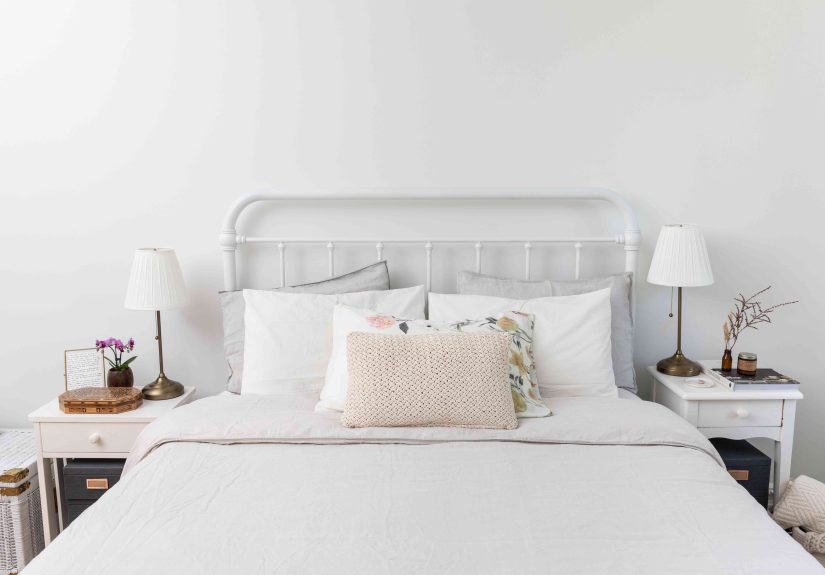
Table of Contents >> Show >> Hide
- 1) Upgrade the Foundation First (Mattress Topper + Protection)
- 2) Stop Chasing Sky-High Thread Count and Choose the Right Sheet Type
- 3) Layer the Bed Like a Hotel (Not Like a Laundry Pile)
- 4) Fix the Pillows (Comfort + Sleep Position + Styling)
- 5) Make the Bed Like a Pro (Tight Tucks, Fewer Wrinkles, Better Finish)
- 6) Control the Bedroom Environment and Keep Bedding Fresh
- Putting It All Together: Your Hotel Bed Formula
- Conclusion
- Extra Experiences and Real-World Examples (Extended Section)
There is something mildly magical about a hotel bed. You slide in, exhale once, and suddenly your life feels organizedeven if your suitcase is exploding in the corner. The good news: that hotel-bed feeling is not reserved for fancy lobbies and tiny shampoo bottles. You can recreate most of it at home with a few strategic upgrades and smarter bed-making habits.
The secret is not one expensive item. It is a combination of comfort, layering, fit, cleanliness, and presentation. In other words, hotel beds feel luxurious because they are built like a system. Below are six changes that make the biggest difference, plus practical examples so you can upgrade your bed without accidentally turning your bedroom into a linen storage warehouse.
1) Upgrade the Foundation First (Mattress Topper + Protection)
Before you buy “luxury” sheets, start with what is underneath them. Hotels feel plush because the bed has a strong base and a comfort layer on top. If your mattress is too firm, tired, or a little lumpy, no sheet set on Earth can fully fix it.
What to change
- Add a mattress topper if you want to noticeably change how the bed feels (more softness, more cushioning, more pressure relief).
- Add a mattress pad if you mostly want light plushness and easier cleaning.
- Add a mattress protector under the pad/topper if spills, stains, allergies, or everyday wear are a concern.
Think of it this way: a mattress pad is the polite helper, while a mattress topper is the dramatic friend who shows up and changes the whole vibe. If you want a true “hotel cloud” effect, a topper is usually the bigger win.
How to choose the right setup
If your mattress is firm and you want plushness, a thicker topper (especially down-alternative or foam) can make a huge difference. If you sleep hot, prioritize breathable fills or cooling features. If you mainly want to keep the bed cleaner and add a little softness, a washable mattress pad may be enough.
Pro tip: Measure your mattress depth before buying. Once you add a topper, standard fitted sheets can suddenly behave like crop tops.
2) Stop Chasing Sky-High Thread Count and Choose the Right Sheet Type
This is where a lot of people get tricked by marketing. “1,200 thread count!!!” sounds impressive, but thread count alone is not the golden ticket. Hotels usually feel better because they choose good materials and the right weavenot because the number on the package is trying to win a math contest.
What actually matters
- Material: Cotton, linen, and bamboo-derived fabrics are popular because they breathe better than many synthetic options.
- Weave: Percale feels crisp and cool (very hotel-like). Sateen feels smoother and silkier.
- Fit and finish: Well-made sheets that stay taut and wash well often feel better long-term than “luxury” sets that pill after a month.
Hotel-style sheet cheat sheet
If you want that classic hotel feel, start with percale. It has that crisp, freshly-pressed finish and tends to be more breathable, which is especially nice if you run warm at night. If you want a softer, drapier feel, go with sateen.
As for thread count, a realistic sweet spot for quality cotton sheets is often in the mid range. In fact, many well-tested sheets perform beautifully around 300–500 thread count, and great percale sets can feel amazing below that. Translation: don’t overpay for a giant number when fabric quality and weave matter more.
Simple buying rule
Pick one:
- Hot sleeper: Percale cotton or linen-inspired feel
- Likes a smoother hand-feel: Cotton sateen
- Wants easy maintenance: Durable cotton blend with good reviews and deep pockets
Bonus hotel move: White or light bedding instantly reads cleaner and more polished. It is not mandatory, but visually, it does a lot of heavy lifting.
3) Layer the Bed Like a Hotel (Not Like a Laundry Pile)
Hotel beds feel luxurious because they are layered with intention. At home, many beds are either too flat (just a fitted sheet and comforter) or too chaotic (five blankets, no strategy, one mystery throw from 2018). The sweet spot is a tidy layered setup that looks full, feels adjustable, and stays comfortable through the night.
The core hotel-style layering formula
- Fitted sheet (or tightly tucked flat sheet)
- Flat sheet
- Light blanket or coverlet (optional but highly recommended)
- Duvet or comforter
- Pillows + minimal decorative accents
That middle layerthe flat sheetis underrated. It helps regulate warmth, gives the bed a more finished look, and reduces how often your duvet cover or comforter needs washing. It is basically the quiet overachiever of bedding.
Try the “triple-sheet” hotel method
Some hotels use a triple-sheet style: two flat sheets with a blanket or insert layered between them. It looks crisp, feels clean, and makes the top layers easier to manage. You do not have to fully copy it, but borrowing the idea (especially a neatly folded top sheet over the blanket/duvet area) instantly makes a bed look more polished.
How to make it look plush without overheating
Use a lightweight blanket or quilt under the duvet for structure, then choose a duvet insert that matches your climate. If your room already runs warm, a giant winter insert will not feel “luxury.” It will feel like sleeping in a burrito you did not ask for.
A well-layered bed should let you adjust during the night: flat sheet for light coverage, blanket for medium warmth, duvet for full cozy mode.
4) Fix the Pillows (Comfort + Sleep Position + Styling)
Pillows are where hotel beds either win your heart or ruin your neck. The trick is that “hotel pillows” are not one universal thingthey just create the impression of abundance while still supporting your actual sleep position.
Comfort first: match the pillow to how you sleep
Your sleeping position should guide pillow height (loft) and firmness:
- Side sleepers: Usually need a thicker, firmer pillow to keep the head and neck aligned.
- Back sleepers: Usually do best with a medium loft and medium support.
- Stomach sleepers: Usually need a thinner, softer pillow to avoid neck strain.
If you wake up with shoulder or neck tension, your pillow is probably too tall, too flat, or too flimsy for your position. A “pretty” pillow stack does not help if your spine is filing a complaint by 6:30 a.m.
Use protectors and rotate your pillow lineup
Pillow protectors are worth it. They help keep oils, sweat, and skin products from soaking deep into the pillow. Pair them with pillowcases that match your sheets for that clean hotel look.
For styling, keep it simple:
- 2 sleeping pillows (minimum)
- 1–2 extra support or Euro pillows for a plush look
- 1 accent pillow if you like decor
That is enough. You are making a bed, not building a pillow-themed obstacle course.
5) Make the Bed Like a Pro (Tight Tucks, Fewer Wrinkles, Better Finish)
A hotel bed looks expensive because it is made well. Crisp corners, smooth surfaces, and even layers make a huge visual differenceeven if your bedding is budget-friendly.
Master hospital corners once
Hospital corners are the classic trick for keeping the top sheet neat and secure. They reduce shifting, cut down on wrinkles, and instantly make the bed look more tailored. If you have never done them before, it is basically gift-wrapping a mattress corner. Slightly annoying the first time, deeply satisfying after that.
3 easy wrinkle fixes (without turning laundry into a part-time job)
- Put sheets on straight from the dryer so they do not wrinkle while sitting in a basket.
- Iron or steam if you want the full hotel effect (optional, but it works).
- Use the spray-bottle trick: lightly mist wrinkled top layers with water, smooth, and tug everything taut as you finish making the bed.
Styling details that look “hotel,” not cluttered
- Fold the top sheet and blanket down neatly near the pillows.
- Let the duvet drape evenly on both sides.
- Add one throw at the foot of the bed for texture (and practical warmth).
- Keep decorative pillows minimal so bedtime does not involve a 3-minute unstacking routine.
If you want a more tailored designer look, a bed skirt can also help by hiding under-bed storage and making the whole setup feel finished.
6) Control the Bedroom Environment and Keep Bedding Fresh
Even the best bedding will not feel luxurious in a hot, stuffy, dimly chaotic room. Hotels are good at comfort because they manage the entire sleep environment, not just the sheets.
Set the room up for better sleep
- Keep it cool: A cooler room (around the mid-60s Fahrenheit range) helps many people sleep better.
- Keep it quiet: Use a fan, white noise, or soft ambient sound if needed.
- Keep it dark: Lower lighting at night and cut screen use before bed when possible.
In other words, the hotel-bed feeling is half bedding and half “ahhh, this room gets me.”
Build a hotel-level bedding care routine
Freshness is a big part of why hotel beds feel so good. Here is a realistic routine:
- Sheets: Wash weekly (or at least every 1–2 weeks).
- Pillowcases: Weekly is good; every 2–3 days can help if you have oily or acne-prone skin, sweat at night, or use lots of hair products.
- Duvet cover: Every 1–2 weeks if it is in direct contact, or a little longer if you consistently use a top sheet.
- Comforter/duvet insert: Usually much less oftenabout once or twice a year, unless stained.
- Mattress cover/protector: Wash on a regular schedule (monthly is a strong baseline for many homes).
This sounds like a lot, but once you set a routine, it is easy. Fresh bedding is one of the highest-impact, lowest-cost upgrades you can make. Fancy throw pillows are cute. Clean sheets are elite.
Putting It All Together: Your Hotel Bed Formula
If you want the fast version, here is the six-change plan:
- Upgrade comfort at the base with a topper/pad and protector.
- Choose breathable sheets (percale for crispness, sateen for smoothness).
- Layer your bed properly with a flat sheet, blanket, and duvet.
- Match pillows to your sleep position and keep the stack simple.
- Use hospital corners and smooth the bed like you mean it.
- Keep the room cool and the bedding clean on a schedule.
You do not have to do everything at once. Start with the biggest pain point:
- If your bed feels hard: buy a topper.
- If you wake up sweaty: switch to percale and lighten your layers.
- If your bed looks messy: learn hospital corners and simplify the pillow setup.
- If it just feels “blah”: wash everything and remake the bed from scratch. Instant reset.
Small changes stack up fast. That is the real hotel secret.
Conclusion
A hotel bed is not about one luxury labelit is about a repeatable system: supportive foundation, breathable sheets, smart layering, proper pillows, crisp bed-making, and a clean, cool room. Once you build that system at home, you get the same polished look and cozy feel without ever checking in at a front desk.
Start with one or two upgrades this week, then add the rest over time. Your bedroom will look better, your bed will feel better, and your nightly routine will feel less like “collapse mode” and more like a proper wind-down. And yes, you may start fluffing your duvet with unnecessary confidence. That is normal.
Extra Experiences and Real-World Examples (Extended Section)
One of the most useful ways to approach a hotel-bed makeover is to think in “before and after” experiences instead of products. For example, a lot of people say their bed feels expensive only when they first buy something newbut the feeling disappears after two weeks. Usually, the missing piece is not the item itself; it is the setup and maintenance routine. A new sheet set on an old, uneven mattress still feels uneven. A great topper with wrinkled sheets and overheated bedding still feels restless. The best results happen when comfort, styling, and cleanliness are upgraded together.
Consider a common scenario: someone sleeps hot, uses a thick microfiber comforter, and keeps the room warm. They assume they need a more expensive mattress, but the real fix is often simpler. Switching to breathable sheets (especially a crisp percale feel), using a lighter duvet insert, and lowering the room temperature can make the bed feel dramatically more “hotel-like” in a single weekend. The experience changes from tossing and flipping the pillow all night to actually staying comfortable under the covers.
Another example is the “my bed looks messy no matter what I do” problem. In many cases, the bedding is finethe issue is technique. A fitted sheet that is slightly too shallow, a top sheet that is off-center, and a duvet thrown on without smoothing will always look rumpled. Once people start centering the flat sheet, making hospital corners, and folding layers back evenly, the bed suddenly looks intentional. Add one throw at the foot and two upright pillows, and it goes from “I slept here” to “someone styled this.”
There is also the comfort-vs-style struggle. Some people pile on decorative pillows and heavy blankets because they want the room to look luxurious, but then bedtime becomes a chore and sleep quality drops. The better experience is a balanced setup: enough pillows to look plush, but not so many that you need a storage plan every night. Enough layers to feel cozy, but not so many that you wake up sweating at 2 a.m. Hotel beds feel good partly because they are visually calm. Your bed should look inviting, not over-decorated.
Finally, the biggest “wow” moment for many people is simply fresh bedding. Even without buying anything, washing sheets, pillowcases, and the duvet cover on a regular schedule changes how the whole bed feels. The fabric feels smoother, the room smells cleaner, and the bed looks brighter. If you want a fast upgrade before spending money, do a full bedding reset: wash everything, rotate pillows, remake the bed carefully, and lightly mist away wrinkles as you finish. It is the closest thing to a hotel turn-down service you can give yourselfminus the chocolate, unless you want to commit to the bit.





 Close
Close