
Table of Contents >> Show >> Hide
- What Is Polenta?
- Ingredients You Need for Basic Polenta
- How to Make Polenta Step by Step
- The Best Polenta Ratio
- Common Polenta Mistakes and How to Avoid Them
- How to Flavor Polenta
- How to Serve Polenta
- What to Do with Leftover Polenta
- Frequently Asked Questions About How to Make Polenta
- Conclusion
- Kitchen Experience: What Making Polenta Teaches You After a Few Batches
Polenta is one of those humble dishes that can swing wildly between cozy masterpiece and yellow wallpaper paste. The good news is that once you understand a few basics, it is ridiculously easy to make. Even better, it can be dressed up for dinner guests with mushrooms, short ribs, or Parmesan, or dressed down for a weeknight with butter, salt, and a fried egg. Polenta does not judge. It simply shows up and does its creamy little job.
If you have ever wondered how to make polenta that is smooth, rich, and not a lumpy mess, this guide walks you through every step. We will cover what polenta is, which cornmeal to use, the best liquid ratio, how long to cook it, mistakes to avoid, and what to do with leftovers. By the end, you will know how to make creamy polenta from scratch and how to turn the extras into crispy slices, baked squares, or polenta fries. That is right. Dinner tonight, snack tomorrow. We love a two-career carbohydrate.
What Is Polenta?
Polenta is both an ingredient and a dish. In American kitchens, the word usually refers to coarse or medium-ground cornmeal cooked with water, broth, milk, or a combination until it becomes soft and spoonable. Traditionally associated with Northern Italy, polenta can be served creamy like porridge or cooled until firm enough to slice, grill, bake, or fry.
One quick clarification: not every bag labeled cornmeal will behave the same way. Fine cornmeal cooks faster but may feel softer and less rustic. Medium or coarse polenta gives you that classic hearty texture. Instant or quick-cooking polenta saves time, but traditional stone-ground polenta usually brings more flavor and a deeper corn taste. In other words, the package matters. This is not the moment to free-style with whatever mysterious yellow dust has been sitting in the pantry since the previous administration.
Ingredients You Need for Basic Polenta
The classic lineup
- 1 cup polenta or coarse cornmeal
- 4 1/2 to 5 cups water, broth, milk, or a mix
- 1 to 1 1/2 teaspoons kosher salt
- 2 tablespoons butter or olive oil
- 1/2 cup grated Parmesan, Pecorino, or another cheese you enjoy (optional)
- Black pepper, herbs, or garlic if you want extra flavor
That is the basic formula. Water gives you a clean corn flavor. Broth adds savoriness. Milk makes the texture richer. Many home cooks like a combination, such as water plus milk or broth plus milk, because it balances flavor with creaminess.
Tools that actually help
- A heavy-bottomed pot or saucepan
- A whisk for the beginning
- A wooden spoon or silicone spatula for stirring later
- A little patience
Yes, patience counts as equipment here. Polenta is not hard, but it does like to move at its own pace.
How to Make Polenta Step by Step
1. Bring your liquid to a simmer
Start by adding your liquid and salt to a heavy pot. Bring it to a gentle boil or strong simmer over medium-high heat. If you are using milk, keep an eye on it so it does not scorch or boil over like it is trying to escape responsibility.
2. Add the polenta slowly while whisking
This is the step that separates smooth polenta from a pot full of yellow pebbles. Lower the heat slightly, then pour the polenta in a slow, steady stream while whisking constantly. Do not dump the whole cup in at once unless your goal is to practice aggressive lump removal before dinner.
Keep whisking for 1 to 2 minutes as the mixture thickens. At this point it may look thin, but do not panic. Polenta thickens gradually as the corn absorbs liquid.
3. Reduce the heat and cook low and slow
Turn the heat down to low or medium-low. Once the initial whisking is done, switch to a wooden spoon or spatula and stir every few minutes, scraping along the bottom and corners of the pot. Cooking time depends on the grind:
- Instant polenta: about 5 minutes
- Quick-cooking polenta: about 10 to 20 minutes
- Traditional medium or coarse polenta: about 30 to 45 minutes, sometimes longer
You are not just waiting for it to thicken. You are waiting for the corn to fully hydrate and lose any raw or gritty taste. Good polenta should feel creamy and tender, not sandy. If it gets too thick before the grains are fully cooked, add a splash of hot water, broth, or milk and keep going.
4. Finish with butter, cheese, or olive oil
When the polenta is tender, turn off the heat and stir in butter, olive oil, or both. Add cheese if you want a richer, more savory finish. Taste and adjust with salt and pepper. Let it sit for 2 to 5 minutes before serving. That short rest helps the texture relax and come together.
5. Serve right away
Creamy polenta waits for no one. It thickens as it cools, so spoon it into bowls or onto plates while it is still soft and flowing. If it firms up too much before serving, stir in a little hot liquid until it loosens again.
The Best Polenta Ratio
One of the biggest questions about how to make polenta is the liquid ratio. Here is the simple answer: there is no single perfect number, but there is a very useful range.
- 4 cups liquid to 1 cup polenta: thicker, more substantial, great if you want a firm spoonable texture
- 5 cups liquid to 1 cup polenta: creamier, softer, more luxurious
If you like polenta that spreads gently on the plate and plays nicely with sauces, lean toward the 5:1 side. If you want something sturdier that can stand up to a braise or be chilled later for slicing, start closer to 4:1. Grind size matters too. Coarser polenta often needs more time and sometimes more liquid.
This is why experienced cooks do not treat polenta like concrete mix. They watch the pot. They stir. They add a splash more liquid when needed. That is not cheating. That is cooking.
Common Polenta Mistakes and How to Avoid Them
Adding it too fast
Pouring polenta into boiling liquid all at once is the fastest route to lumps. Always sprinkle it in gradually while whisking.
Using heat that is too high
Polenta needs gentle cooking once it is in the pot. High heat makes it stick, scorch, and spit hot bubbles like a tiny corn volcano.
Stopping too soon
Thick does not always mean done. If the texture is gritty or tastes raw, keep cooking. Add more liquid if needed.
Underseasoning
Polenta is simple, which means seasoning matters. Salt the cooking liquid well, then taste again before serving. A little butter, cheese, olive oil, or black pepper can make a huge difference.
Letting it sit without a plan
Fresh polenta thickens quickly. If dinner got delayed because someone had a dramatic relationship with the grill, just add warm liquid and stir it back to life.
How to Flavor Polenta
Once you know the basic method, polenta becomes a blank canvas. A very tasty, highly cooperative blank canvas.
Easy flavor upgrades
- Parmesan, Pecorino, goat cheese, or fontina
- Butter or mascarpone for richness
- Olive oil for a lighter finish
- Garlic, thyme, rosemary, or bay leaf
- Chicken or vegetable broth instead of plain water
- Fresh herbs such as basil, parsley, or chives
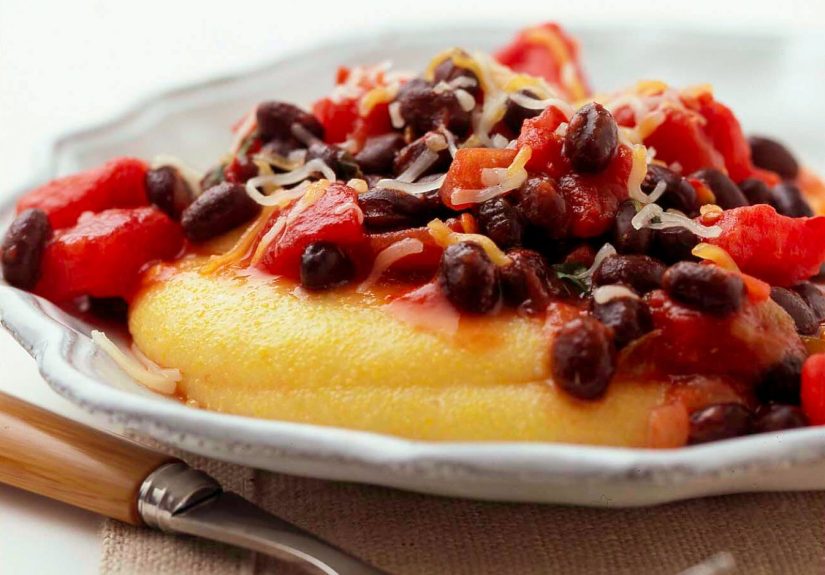
You can keep it classic with butter and Parmesan, or make it dinner-party worthy with mushrooms, short ribs, roasted tomatoes, sausage, shrimp, or braised greens. It also works beautifully with eggs. A bowl of creamy polenta topped with a fried egg feels like breakfast, lunch, and emotional support.
How to Serve Polenta
If you are learning how to make polenta, it helps to know what it wants to hang out with. The answer is: almost everything savory.
- Serve creamy polenta under braised beef, short ribs, or pot roast
- Top it with sautéed mushrooms and herbs
- Pair it with roasted vegetables and a sprinkle of cheese
- Use it as a base for shrimp, sausage, or ragù
- Add a poached or fried egg for a simple meal
- Spoon it beside grilled chicken or roasted pork
Think of polenta as a cozy alternative to mashed potatoes, pasta, or rice. It is comforting, versatile, and more interesting than the usual side dish rotation.
What to Do with Leftover Polenta
Leftover polenta is where the magic really starts. Pour the extra into a lightly greased dish, loaf pan, or sheet pan while it is still hot. Smooth the top and let it cool completely. Once chilled, it firms up enough to cut into shapes.
Best leftover polenta ideas
- Polenta squares: Bake or pan-sear until crisp outside and tender inside
- Polenta fries: Cut into sticks and roast or fry
- Grilled polenta: Brush with oil and grill until marked and crisp
- Layered casseroles: Use slices in place of pasta or bread
- Pan-fried rounds: Top with marinara, mushrooms, or cheese
Store cooked polenta in the refrigerator for several days. To reheat creamy polenta, warm it slowly with extra water, broth, or milk until it loosens back up. It is surprisingly forgiving, which is more than can be said for some homemade sauces and most group texts.
Frequently Asked Questions About How to Make Polenta
Can you make polenta with regular cornmeal?
Yes, as long as it is not extremely fine. Medium or coarse cornmeal works best for a more traditional texture. Fine cornmeal can cook into a softer, smoother result, but it may not have the same hearty bite.
Is polenta the same as grits?
Not exactly. They are related, since both are ground corn, but they usually come from different types of corn and often have different textures and culinary traditions. You can sometimes substitute one for the other, but the flavor and finish will vary.
Can you make polenta ahead of time?
Yes. Creamy polenta is best fresh, but it can be reheated with extra liquid. You can also intentionally make it ahead, chill it, and slice it for grilling, baking, or frying later.
How do you know when polenta is done?
It should taste tender, creamy, and fully cooked, with no raw, gritty bite. A spoon dragged through the pot should leave a brief trail, but the polenta should still look soft and spoonable.
Conclusion
Learning how to make polenta is not about memorizing a stiff formula. It is about understanding the rhythm: salted liquid, slow whisk, low heat, patient cooking, and a final adjustment for texture. Once you get that down, polenta becomes one of the most useful dishes in your kitchen. It can be creamy and elegant, rustic and hearty, or chilled and crisped into tomorrow’s best idea.
So the next time you need a side dish that feels impressive but is secretly simple, make polenta. Your stove will do most of the work, your toppings can take it in any direction, and your leftovers will be suspiciously exciting. Not bad for a pot of cooked cornmeal.
Kitchen Experience: What Making Polenta Teaches You After a Few Batches
The first time many people make polenta, they expect it to behave like instant mashed potatoes or oatmeal. Then they discover that polenta has a personality. It thickens slowly, then suddenly. It looks done before it is actually tender. It splatters when offended. It demands a spoon, a little attention, and enough respect not to be abandoned while you scroll your phone and forget what planet you are on. In other words, polenta is an excellent teacher.
One of the most useful real-world lessons is that texture is not fixed. Beginners often worry that they messed it up if the pot looks too thick or too loose at some point during cooking. In practice, polenta is much more flexible than that. Too thick? Add hot water, broth, or milk. Too loose? Give it a few more minutes. Too plain? Add butter, cheese, olive oil, or cracked pepper. It is not a fragile, one-chance-only dish. It is more like a kitchen conversation. You make a move, it responds, and you adjust.
Another common experience is realizing that the best polenta is rarely rushed. Quick-cooking versions absolutely have a place, especially on busy weeknights, but traditional polenta has a deeper flavor and a softer finish when it gets time to hydrate properly. That does not mean you need to stand there stirring for 45 straight minutes like a tragic character in an old Italian opera. It just means you should keep the heat gentle, stir now and then, and let the corn do what corn needs to do.
There is also a moment, somewhere around your second or third batch, when you stop asking whether polenta is a side dish or a main dish. The answer is yes. A bowl of creamy polenta under mushrooms feels elegant. Polenta with ragù feels hearty. Polenta with roasted vegetables feels wholesome. Polenta with a fried egg feels like you accidentally became the sort of person who makes very satisfying lunches. Once you start seeing it as a base rather than a category, it becomes much more useful.
Leftovers teach their own lesson. Fresh polenta is soft and comforting, but chilled polenta is where frugal kitchen brilliance shows up wearing a crispy jacket. Cut it into squares, sear it in olive oil, and suddenly yesterday’s side dish has become today’s appetizer, snack, or lunch. The first time that happens, you understand why so many cooks keep making polenta even after claiming they only wanted it for one meal. It is the edible version of a smart investment.
Perhaps the biggest experience-based takeaway is this: polenta rewards calm cooking. It does not need fancy tricks. It needs heat control, decent seasoning, and a willingness to taste as you go. Once you stop treating it like an intimidating Italian restaurant dish and start treating it like a dependable pantry staple, it becomes easier, better, and a lot more fun. And that is really the charm of polenta. It begins as cornmeal and water, then somehow ends up tasting like comfort, confidence, and dinner you absolutely meant to make this well.







 Close
Close