
Table of Contents >> Show >> Hide
- What Marinara Actually Is (and Why It’s Perfect for Fresh Tomatoes)
- Pick the Right Tomatoes (Because Not All Tomatoes Want to Be Sauce)
- Prep Methods: Peel, Seed, Blend, MillChoose Your Adventure
- The Core Recipe: Fresh Tomato Marinara (Bright, Rich, and Weeknight-Friendly)
- Flavor Moves That Separate “Pretty Good” from “Make This Again Tomorrow”
- Fix-It Guide: Common Marinara Problems (and the Quick Saves)
- Ways to Use Fresh Tomato Marinara (Beyond Spaghetti)
- Storage, Freezing, and “Can I Make This Ahead?”
- Experiences: What Cooks Learn After Making Marinara From Fresh Tomatoes (500+ Words)
- Conclusion
Marinara from fresh tomatoes is one of life’s greatest flexes. Not the “I read 47 books this month” kind of flex.
The “I turned a pile of summer tomatoes into a sauce that makes people stare quietly at their pasta” kind.
And the best part? Marinara is supposed to be simple. If your sauce requires fourteen rare ingredients and a
whispered blessing from a coastal Italian grandmother… that’s not marinara. That’s a culinary hostage situation.
This guide walks you through a truly from-scratch, fresh-tomato marinara: how to pick tomatoes, how to prep them
(peel or don’tyour call), how to build real flavor fast, and how to fix common problems like watery sauce or
“oops, I burned the garlic and now everything tastes like regret.”
What Marinara Actually Is (and Why It’s Perfect for Fresh Tomatoes)
Marinara is a quick, tomato-forward sauce built around a few pantry staplesolive oil, garlic (or onion),
herbs, and seasoning. It’s not a long-simmered Sunday gravy, and it doesn’t need meat to be delicious.
Fresh tomatoes shine here because marinara is all about clean, bright tomato flavor with enough richness to cling
to noodles instead of sliding off like a sad tomato slip-n-slide.
Marinara vs. “Tomato Sauce” vs. “Whatever’s in My Pot Right Now”
- Marinara: Simple, quick, garlicky, tomato-led. Great for pasta, dipping, and weeknights.
- Basic tomato sauce: Often starts with onion (sometimes a soffritto), simmers longer, can be a base for other sauces.
- Pomodoro-style: Similar vibefresh, lightbut often even simpler and finished with basil and pasta water.
Pick the Right Tomatoes (Because Not All Tomatoes Want to Be Sauce)
The best tomatoes for marinara
If you want a thick, clingy marinara with less simmering, start with meatier tomatoes:
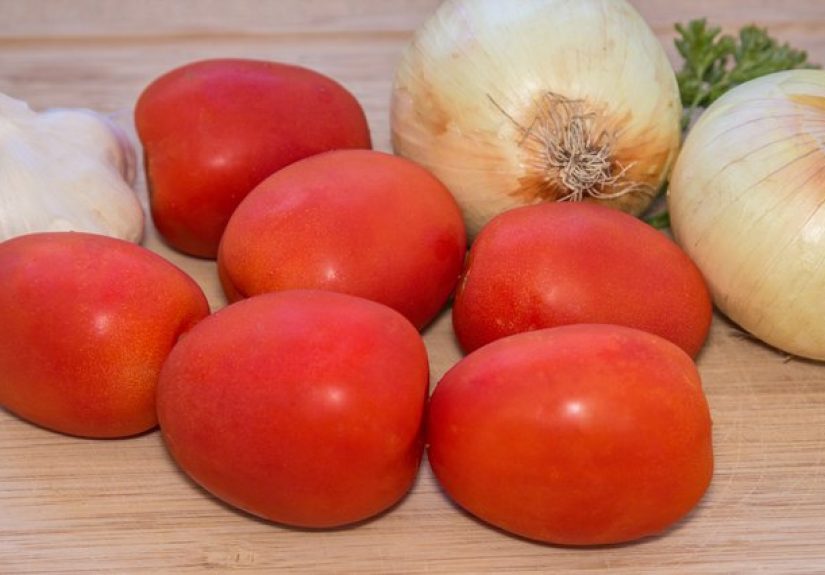
Roma, plum, and other paste-style tomatoes are low in water and high in flesh.
If you only have juicy slicers or heirlooms, you can still make great sauceyou’ll just use a couple of tricks
(like draining, roasting, or longer reduction) to avoid tomato soup cosplay.
How many tomatoes do you need?
Tomato math is delightfully imprecise because tomatoes are basically weather with feelings.
As a practical rule: 3 to 4 pounds of ripe tomatoes usually yields about
4 to 5 cups of finished marinara, depending on how juicy they are and how thick you reduce it.
If you’re feeding a crowd or planning freezer batches, double ityour future self will write you a thank-you note.
Prep Methods: Peel, Seed, Blend, MillChoose Your Adventure
You’ve got options. The “right” method depends on your texture preference, time, and how much you enjoy tiny kitchen
projects that make you feel like you’re starring in a cooking show with zero commercial breaks.
Option A: Classic blanch-and-peel (smoothest “traditional” feel)
- Bring a large pot of water to a boil and set up a bowl of ice water.
- Score a shallow “X” on the bottom of each tomato.
- Boil tomatoes briefly until skins loosen, then transfer to ice water.
- Slip off skins, then core and roughly chop.
This method is popular because it makes peeling easy and gives you a silkier sauce.
It’s especially helpful if you don’t love bits of skin curling up in your marinara like tiny tomato scrolls.
Option B: The box-grater “no-peel” hack (fast + less mess)
Cut a tomato in half and grate the cut side on a box grater over a bowl. The flesh turns into pulp,
and the skin stays behind in your hand like a sad little tomato jacket. This is great if you want speed
and don’t mind a slightly more rustic texture (or if you’re making a smooth sauce anyway).
Option C: Food mill (the “I want easy and fancy” method)
Cook the tomatoes briefly, then run them through a food mill. You get sauce-ready tomato goodness while the skins
and seeds stay behind. This is hands-off, efficient, and strangely satisfying.
Option D: Sheet-pan roasting (deep flavor, less watery sauce)
Roasting concentrates flavor and evaporates water before the tomatoes ever hit the pot. If your tomatoes are super
juicy or out-of-season and bland, roasting is your “turn the volume up” move.
The Core Recipe: Fresh Tomato Marinara (Bright, Rich, and Weeknight-Friendly)
Ingredients (makes about 4–5 cups)
- 3–4 pounds ripe tomatoes (Roma/plum preferred, but any ripe tomatoes work)
- 3 tablespoons extra-virgin olive oil
- 4–6 cloves garlic, thinly sliced or minced
- 1 small onion, finely chopped (optional, but cozy)
- 1/2 to 1 teaspoon kosher salt, plus more to taste
- Pinch red pepper flakes (optional)
- 1 sprig fresh basil or a small handful of leaves, torn
- 1/2 teaspoon dried oregano (optional)
- Black pepper, to taste
Optional “save the day” upgrades
- 1 tablespoon tomato paste (for deeper flavor and quicker thickness)
- 1 teaspoon sugar or 1 small grated carrot (if tomatoes are very acidic)
- 1 tablespoon butter (for a rounder, silkier finish)
- 2 tablespoons red wine (adds complexity; totally optional)
Equipment
- Large pot or deep skillet (stainless steel or enameled is ideal)
- Blender/immersion blender (optional)
- Food mill or box grater (optional)
Step-by-step instructions
-
Prep your tomatoes.
Choose one method:- Blanch & peel: peel, core, and chop.
- Grate: grate into pulp, discard skins.
- Food mill: rough-chop and don’t worry about skins/seeds yet.
-
Warm the oil.
Heat olive oil over medium heat. Add onion (if using) with a pinch of salt and cook until soft, 5–8 minutes.
No browning neededthis is marinara, not a caramelization audition. -
Add garlic (carefully, like it’s holding your reputation).
Stir in garlic and red pepper flakes (if using). Cook 30–60 seconds until fragrant.
If garlic starts browning fast, lower the heat. Burnt garlic will bully every other flavor in the pot. -
Add tomatoes.
Add your tomatoes (and any collected juices). If using tomato paste, stir it in now.
Add oregano (if using) and another pinch of salt. -
Simmer to your preferred thickness.
Bring to a gentle simmer and cook uncovered 20–40 minutes, stirring occasionally.
The goal: the sauce thickens, the raw edge disappears, and the flavor tastes like tomatoes, not tomato anxiety.
If you used very juicy tomatoes, plan on the longer end. -
Choose your texture.
- Chunky: smash tomatoes with a spoon as they soften.
- Smooth: blend briefly with an immersion blender or in batches.
- Ultra-silky: run through a food mill after simmering.
-
Finish with basil.
Stir in torn basil at the end (or during the last 2–3 minutes) for a fresher herbal flavor.
Taste and adjust salt and pepper. -
Balance the flavor (only if needed).
If your tomatoes are very acidic, add a tiny pinch of sugar or a knob of butter.
If your sauce tastes flat, add salt firstnot sugar. Salt is often the missing “tomato booster.”
Flavor Moves That Separate “Pretty Good” from “Make This Again Tomorrow”
1) Don’t rush the reduction
Fresh tomatoes carry more water than canned. Simmering uncovered helps evaporate excess moisture so the sauce clings
to pasta instead of puddling at the bottom of the bowl like it gave up.
2) Save garlic from the heat police
Garlic goes from “aromatic” to “bitter” quickly. Keep it gentle, stir constantly, and treat it like a celebrity:
it should be seen and appreciated, not scorched.
3) Add basil at the end for a brighter taste
Basil cooked too long can lose its fresh personality. Stirring it in late keeps that summery, green lift.
(If you love a deeper, mellow basil flavor, add a sprig earlier and then fresh leaves at the end.)
4) Use pasta water like a restaurant
When serving with pasta, reserve a splash of starchy pasta water and toss the pasta with sauce in a pan.
The starch helps the sauce cling and turns “sauce on pasta” into “pasta wearing sauce like a tailored suit.”
Fix-It Guide: Common Marinara Problems (and the Quick Saves)
My sauce is watery
- Simmer longer, uncovered, and stir occasionally.
- Use tomato paste (1 tablespoon at a time) to thicken and deepen flavor.
- Next time: roast tomatoes on a sheet pan first, or use more Roma/plum tomatoes.
My sauce tastes too acidic
- Add salt first (seriouslysalt often fixes “acidic”).
- Add a small pinch of sugar, or finish with a little butter to round edges.
- Use sweeter, fully ripe tomatoes when possible.
My sauce tastes bland
- Increase salt gradually.
- Add a splash of olive oil at the end for richness.
- Add a tiny bit of tomato paste, or simmer longer to concentrate flavor.
I burned the garlic
- Bad news: burnt garlic is loud. Good news: you can restart with fresh oil/garlic and blend the tomato portion in later.
- Next time: lower heat, add garlic later, and keep it moving.
Ways to Use Fresh Tomato Marinara (Beyond Spaghetti)
- Classic pasta night: spaghetti, penne, rigatonifinish in the sauce with pasta water.
- Chicken or eggplant Parmesan: marinara + crisp cutlets + melty cheese = applause.
- Meatballs: simmer meatballs gently in marinara for a crowd-pleaser.
- Pizza sauce: reduce slightly thicker and spread on dough.
- Shakshuka shortcut: warm marinara, crack in eggs, cover until set.
- Dipping sauce: garlic bread, mozzarella sticks, anything fried that needs a tomato friend.
Storage, Freezing, and “Can I Make This Ahead?”
Fresh marinara is meal prep gold. Cool it quickly, then store it in an airtight container in the fridge for
about 4–5 days. For longer storage, freeze in portions (1–2 cups is convenient) for
3–6 months. Thaw overnight in the fridge or warm gently on the stove.
A quick word about home canning
If you’re thinking of canning marinara, follow a tested recipe from a trusted food safety source.
Tomatoes can vary in acidity, and safe canning depends on proper acidification and processing.
(Translation: this is not the moment for “I eyeballed it.”)
Experiences: What Cooks Learn After Making Marinara From Fresh Tomatoes (500+ Words)
The first time many people make marinara from fresh tomatoes, there’s a brief moment of panic that looks like this:
you dump in a mountain of chopped tomatoes, and the pot immediately becomes… a tomato swimming pool.
Not sauce. Pool. The smell is promising, but the texture is giving “chunky soup.” This is where experience teaches
the first real lesson of fresh tomato marinara: water is the villain you must politely escort out.
A longer uncovered simmer fixes it, but so does starting with paste tomatoes, roasting, or using a little tomato paste
like a culinary seatbelt.
Another common experience is discovering your personal “texture identity.” Some cooks want marinara that’s rustic and
spoon-crushable, with little tomato islands you can see. Others want it smooth and velvety, like a restaurant sauce
that hugs every noodle with confidence. The funny part is that you can make the exact same base sauce and split it:
keep half chunky, blend the other half, and suddenly your kitchen is running a two-sauce democracy.
When you’re cooking for family or picky eaters, this move is pure peacekeeping.
Then there’s garlic. Fresh tomato marinara is basically garlic’s favorite stage. But garlic is also dramatic.
Cook it too hot and it turns bitter, and that bitterness doesn’t leaveit sets up camp and starts paying rent.
Cooks who’ve been burned (emotionally and aromatically) learn to add garlic after the onion has softened, keep the
heat moderate, and stir constantly for that short fragrant window. It’s less “fry the garlic” and more
“wake the garlic up gently so it’s in a good mood.”
Basil has its own learning curve. A lot of people toss basil in early because it feels right, like the sauce should
be “infused.” But overcooked basil can lose that bright, green charm. Many home cooks end up doing both: simmer a
basil sprig for a warm herbal note, then finish with torn fresh leaves right before serving. The result tastes like
summer without tasting like you overcooked a garden.
Fresh tomato marinara also teaches confidence in seasoning. At first, it’s tempting to fix every problem with sugar.
But the more you cook, the more you realize the order matters: salt first, then simmer to
concentrate, then adjust. A pinch of sugar or a small knob of butter can help when tomatoes are sharp, but salt is
the real “tomato amplifier.” People who make marinara regularly start tasting earlier, salting in small steps, and
trusting the simmer to do its job.
Finally, there’s the “future me” experience: the joy of opening the freezer and finding a container labeled
“MARINARA (DO NOT EAT WITH A SPOON)”. Fresh tomato marinara freezes beautifully, and having it ready turns random
weeknight dinners into something that tastes planned. You’ll also notice that marinara tastes even better the next
dayafter the flavors mingle and settleso making it ahead isn’t just convenient. It’s strategy.
Conclusion
Making marinara sauce from fresh tomatoes is mostly about two things: good tomatoes and
smart technique. Pick ripe, flavorful tomatoes (paste types make life easier), prep them in a way
that matches your texture goals, and simmer uncovered until the sauce tastes concentrated and confident. Finish with
basil, season thoughtfully, and don’t be afraid to use small fixestomato paste for thickness, butter for smoothness,
or a pinch of sugar if acidity is punching too hard.
Once you nail your method, marinara becomes a repeatable kitchen win: pasta nights get better, leftovers become
magical, and your freezer turns into a personal Italian-American comfort-food vault. And yes, you’re allowed to act
a little smug about it. You made sauce from actual tomatoes. That’s basically culinary wizardry with a wooden spoon.







 Close
Close