
Table of Contents >> Show >> Hide
- What You’ll Build (And Why It Works)
- Materials List (With Smart Options)
- Tools You’ll Actually Use
- Step 1: Pick the Size and Shape
- Step 2: Cut the Wood Base (And Prep It Like a Pro)
- Step 3: Cut and Attach the Foam
- Step 4: Wrap with Batting (The Secret to Smooth)
- Step 5: Upholster with Fabric (Where It Starts Looking Fancy)
- Optional Upgrade A: Tufting (Buttons, Drama, and Mild Math)
- Optional Upgrade B: Nailhead Trim (Instant “Custom Furniture” Vibes)
- Step 6: Finish the Back (Optional, But Nice)
- Step 7: Mounting Options (Choose Your Adventure)
- Budget, Time, and “How Expensive Is My Taste?”
- Troubleshooting: Common Problems and Easy Fixes
- Care and Cleaning (So It Stays Nice)
- Conclusion: You’re Now the Headboard Department
- Real-World Experiences and Lessons (The 500-Word Add-On)
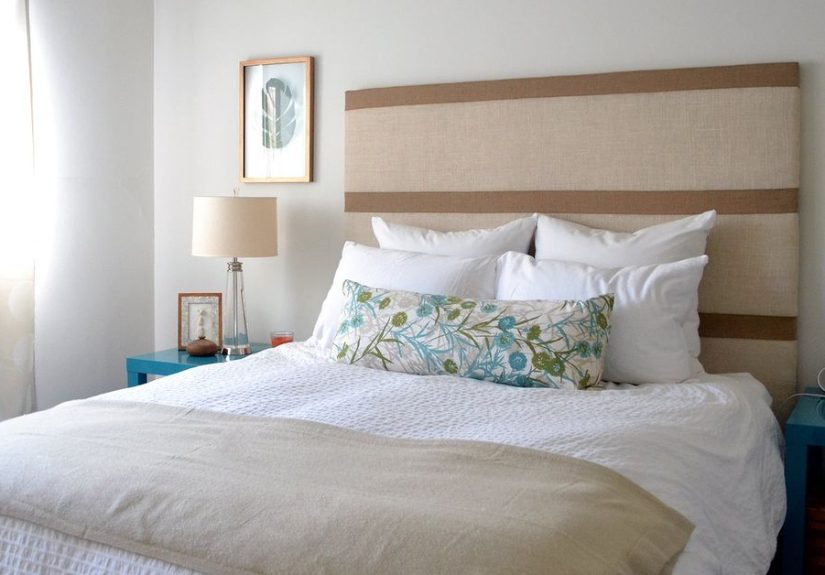
If your bedroom is feeling a little… “mattress on a metal frame in a witness protection program,” an upholstered headboard is one of the fastest upgrades you can make. The best part? You don’t need a sewing machine, a woodworking degree, or a personal relationship with a furniture showroom. You need a board, some foam, a staple gun, and the confidence to pull fabric tight like you mean it.
This guide walks you through a classic DIY upholstered headboard (smooth and tailored), plus optional upgrades like tufting, nailhead trim, and wall-mounting. I’ll also share the real-world “why is this wrinkling?” moments people run intoso you can skip the emotional support stapling.
What You’ll Build (And Why It Works)
A basic upholstered headboard is a layered sandwich: wood base (structure) + foam (cushion) + batting (smoothness) + fabric (beauty) + staples (the only commitment stronger than marriage).
Foam gives you that soft “hotel headboard” feel. Batting helps hide the foam edges and prevents the fabric from showing every tiny bump. And pulling/stapling from the center outward keeps the fabric evenly tensioned so it doesn’t sag later.
Materials List (With Smart Options)
Base + Padding
- Plywood or MDF (typically 1/2″–3/4″): plywood is lighter and more moisture-tolerant; MDF is smooth and budget-friendly.
- Upholstery foam (1″–3″ thick): 2″ is the sweet spot for most headboardsplush without looking like a marshmallow billboard.
- Batting (polyester quilt batting is common): buy enough to wrap around the back by several inches.
Fabric
- Upholstery fabric (recommended) or sturdy home decor fabric (canvas, linen blends, performance fabric).
- Buy extra if you want to match stripes, center a pattern, or cover a tall headboard.
Fasteners + Hardware
- Spray adhesive (optional but helpful) to keep foam from shifting while you work.
- Staples (often 3/8″–1/2″ depending on board thickness and stapler power).
- Mounting hardware (choose one):
- Bed-frame mount (bolt-on legs or brackets)
- Wall mount (French cleat or heavy-duty D-rings)
- Freestanding legs (2×4 supports attached to the back)
- Optional upgrades: nailhead trim, upholstery buttons + tufting twine, decorative piping, or a dust cover fabric for the back.
Tools You’ll Actually Use
- Measuring tape, pencil, straight edge
- Saw (or have the store cut your board) + sanding block or sandpaper
- Scissors + utility knife
- Staple gun (manual works; electric/pneumatic is faster)
- Drill/driver (for mounting hardware and optional tufting holes)
- Optional: electric carving knife (shockingly great for cutting foam)
- Safety basics: eye protection, dust mask when cutting/sanding
Step 1: Pick the Size and Shape
Width
A simple approach: make the headboard the same width as your mattress, or add 2″–4″ on each side for a more substantial, “intentional” look. Common mattress widths: Twin 38″, Full 54″, Queen 60″, King 76″, California King 72″.
Height
Headboard height is pure personal taste. Many DIYers aim for 36″–48″ tall for a balanced look (taller if you have high ceilings or want drama). If you sit up in bed a lot, make sure enough padding is above the pillows so your back isn’t leaning against “wood with good intentions.”
Shape
Rectangle = easiest. Arched or curved tops = still doable (trace with a large bowl, a string compass, or a cardboard template). If you want a “wingback” headboard, that’s essentially adding side panels to the main boardmore framing, more fabric, more bragging rights.
Step 2: Cut the Wood Base (And Prep It Like a Pro)
- Mark your cut lines and cut your plywood/MDF to size.
- Sand edges so fabric won’t snag or wear prematurely.
- (Optional) Add a simple frame to the back using 1x3s or 1x4s. This gives the headboard more depth, makes it feel sturdier, and creates a space for mounting hardware.
Tip: If you’re going for a super-clean look, lightly round the front edge with sandpaper. Sharp edges can telegraph through thin foam like it’s trying to send Morse code.
Step 3: Cut and Attach the Foam
- Lay the wood on top of the foam and trace the outline.
- Cut the foam using a utility knife (multiple passes) or an electric carving knife for smoother edges.
- Attach foam to the board with spray adhesive (optional). If you skip adhesive, it can still workjust be extra careful when flipping and wrapping.
Foam thickness guidance: 1″ = sleek and modern, 2″ = plush and classic, 3″ = extra cushy (great for leaning, but can look bulky on very small beds).
Step 4: Wrap with Batting (The Secret to Smooth)
Batting is the underrated hero. It softens edges, hides foam seams, and helps your fabric glide and stretch without looking lumpy.
- Lay batting down on a clean surface.
- Place the board foam-side down onto the batting.
- Cut batting leaving at least 4″–6″ extra on all sides so you can wrap it to the back.
- Staple from the center outward: start on one long side (center), pull snug, staple; then do the opposite side; then repeat on the short sides.
- Fold corners neatly like wrapping a presentflat, tight, and not weirdly bunched up.
Step 5: Upholster with Fabric (Where It Starts Looking Fancy)
Before you staple anything
- Iron the fabric. Yes, even if you hate ironing. Wrinkles don’t disappear just because you believe in yourself.
- Center the pattern if using stripes/geometrics (measure from the middle).
- Mind the “nap” on velvet or textured fabricscut and orient pieces the same direction so color and sheen match.
Stapling method (the reliable one)
- Lay fabric face-down on a clean floor or large table.
- Set the batting-covered headboard face-down on top.
- Pull fabric tight and staple starting at the center of a long side.
- Move to the opposite side, pull evenly, staple at center.
- Repeat on the short sides.
- Work outward from those center staples, alternating sides to keep tension balanced.
- Finish corners last: fold clean, staple well, trim excess if needed.
Pro tip: Use more staples than you think you need. Your headboard will be leaned on, bumped, vacuumed, and occasionally used as a pillow’s emotional support system. Secure fabric tension helps prevent sagging over time.
Optional Upgrade A: Tufting (Buttons, Drama, and Mild Math)
Tufting looks high-end because it requires three things: alignment, tension, and the patience to redo one button because it’s 1/2″ off and now you can’t unsee it. The basic idea is drilling holes through the board, pulling buttons through foam and fabric, and tying them off at the back.
Simple tufting workflow
- Mark a grid on the wood (use painter’s tape and a level if you like living peacefully).
- Drill holes large enough for your needle/twine to pass through.
- Attach foam + batting as usual.
- Wrap with fabric, but don’t fully staple the final tension yet.
- Pull buttons through: thread upholstery twine through a long needle, push through fabric/foam, out the hole, attach button, pull tight, and secure at the back (washers help distribute tension).
- Finish stapling after tufting so the fabric lays smoothly between buttons.
If you’re new to tufting, start with fewer buttons. A simple diamond pattern can look amazing without turning your living room into a button factory.
Optional Upgrade B: Nailhead Trim (Instant “Custom Furniture” Vibes)
Nailhead trim is a cheat code for making a basic upholstered headboard look like it cost “I don’t want to talk about it” money. You can:
- Use individual decorative nails (slow but authentic), or
- Use nailhead strips (faster and easier to keep straight).
Measure and mark a guideline, then install after the headboard is upholstered. Start at the center top and work outward so any tiny spacing errors end up where nobody stares directly.
Step 6: Finish the Back (Optional, But Nice)
The back doesn’t have to be pretty if it’s against the wall. But if you want a cleaner finish (or you’re wall-mounting and the back may be visible): staple a lightweight “dust cover” fabric to the back to hide staples and twine.
Step 7: Mounting Options (Choose Your Adventure)
Option 1: Attach to the bed frame
Many metal frames accept a headboard via bolts/brackets. If your headboard is a simple panel, you can add two vertical support legs (like 2x4s) on the back and bolt them to the frame. This is great if you move often and don’t want wall holes.
Option 2: Wall-mount with a French cleat
A French cleat is one of the most secure ways to hang a headboard. It’s basically two interlocking angled piecesone on the wall, one on the headboardso the weight is distributed and the headboard stays snug. Add small spacers at the bottom so the headboard sits parallel to the wall (and doesn’t lean like it’s trying to eavesdrop).
Option 3: D-rings + heavy-duty picture wire (lightweight headboards only)
This can work for smaller, lighter headboards, but a cleat tends to feel sturdier. If you lean back to read in bed often, prioritize strength.
Budget, Time, and “How Expensive Is My Taste?”
A DIY upholstered headboard can be very affordable, but fabric choice is the wildcard. Many projects land roughly in the $60–$200 range depending on foam thickness, fabric cost per yard, and upgrades like tufting or nailhead trim.
Time-wise, a basic panel headboard can be done in an afternoon (especially if your wood is pre-cut). Tufting and wingback shapes add time because they add stepsand because you’ll stop to admire it, then notice one staple line, then fix it, then admire it again.
Troubleshooting: Common Problems and Easy Fixes
Wrinkles on the front
- Fix: Pull fabric tighter and staple in smaller increments, alternating sides.
- Check: Is the fabric ironed? Is the foam/batting smooth? Is the pattern skewing?
Lumpy edges
- Fix: Add another layer of batting, or trim foam edges slightly so transitions are softer.
- Tip: Smooth batting with your hands before staplingdon’t just “hope” it behaves.
Fabric fraying at staple line
- Fix: Use heavier fabric, add a strip of batting under the staple area, or staple slightly farther in and cover the back with a dust cover fabric.
Headboard wobbles
- Fix: Reinforce legs with a back frame, use sturdier brackets, or switch to a wall-mounted French cleat.
Care and Cleaning (So It Stays Nice)
Upholstered headboards collect dust and skin oils the way white sneakers collect regret. To keep it fresh:
- Weekly: vacuum with an upholstery attachment (especially along the top edge).
- Spills/stains: blot firstdon’t scrub like you’re mad at it.
- Deep clean: once or twice a year (more if you have pets, allergies, or an impressive snack habit).
Always check the fabric’s care instructions and spot-test any cleaner in a hidden area first. If your fabric is water-sensitive (like some velvets), use appropriate upholstery products or dry methods.
Conclusion: You’re Now the Headboard Department
Making an upholstered headboard is one of those rare DIY projects where the effort-to-wow ratio is wildly in your favor. You get custom size, custom fabric, and custom stylewithout paying custom-furniture pricing. Start simple with a clean panel, then level up with tufting or nailhead trim once you’re feeling brave (or mildly unstoppable).
And remember: if the first staple is crooked, that’s not failureit’s just your headboard’s origin story.
Real-World Experiences and Lessons (The 500-Word Add-On)
Let’s talk about what happens outside the perfect tutorial photosbecause real DIY upholstered headboards are built in living rooms, on garage floors, and sometimes in that one hallway where you swear you’ll “only be for a minute” (and then it’s two hours and you live there now).
One of the most common “aha” moments people report is how much fabric tension matters. The first instinct is often to pull the fabric tight on one side until it looks smooth, staple it down, and move on. But if you don’t balance tensioncenter, then opposite center, then alternate outwardyou can accidentally “walk” the fabric off-center. This is how you end up with stripes that look straight on top but start drifting like they’re late for an appointment. The fix is simple but annoying: pull a few staples, re-center, and redo it. The good news? Staple removal is not moral failure. It’s just editing.
Another very real experience: corners will humble you. The clean, gift-wrap fold looks effortless until you’re staring at a corner that suddenly has six layers of fabric and the thickness of a grilled cheese sandwich. Most DIYers improve instantly once they realize two things: (1) corners are finished last for a reason, and (2) trimming excess fabric in small amounts can make folds lie flatterjust don’t trim so aggressively that you can’t re-pull if needed. If you’re using a bulky fabric (like velvet or heavy chenille), corners will need a little extra patience and a few extra staples to behave.
Foam choice also comes up a lot in “what I’d do differently next time” conversations. People who choose 1″ foam sometimes wish they’d gone thicker for comfortespecially if they sit up reading, scrolling, or pretending to read while actually scrolling. Meanwhile, people who choose 3″ foam occasionally discover their headboard looks a bit puffier than expected on a small bed. A great compromise is 2″ foam, or 2″ foam with an extra layer of batting for softness without the bulk.
Mounting is the final “reality check” stage. A headboard that looks perfect leaning against the wall can feel less perfect once it’s actually installed and used. If you notice wobble, squeaks, or shifting, it usually means the headboard needs better structure: add a simple back frame, strengthen the legs, or switch to a French cleat. Many DIYers say a cleat is the moment the headboard goes from “nice project” to “this feels like real furniture.” And if you’re worried about scuffing the wall, small felt pads or spacers at the bottom can keep it steady and protect paint.
Finally, there’s the “fabric personality” lesson: linen blends look crisp but can wrinkle; velvet looks luxurious but shows nap direction; performance fabrics are forgiving and family-friendly. If you want the easiest win, pick a medium-weight upholstery fabric with a subtle texture or small-scale pattern. It hides minor imperfections and still looks expensivelike you have a secret interior designer, but it’s actually just you and your staple gun.





 Close
Close