
Table of Contents >> Show >> Hide
- The Best Rule of Thumb: Wait About Two Weeks After Your Last Sighting
- No, Leaving the Feeder Up Will Not Delay Migration
- Three Clear Signs It’s Actually Time to Take Down the Feeder
- What Time of Year Is Typical?
- How to Support Hummingbirds Right Up to the End
- When You Might Leave It Up Longer Than Expected
- When It Makes Sense to Take It Down Earlier
- How to Take Down and Store a Hummingbird Feeder the Right Way
- The Real Answer: Follow the Birds, Not the Myth
- Backyard Experiences That Make This Advice Feel Real
There are two kinds of hummingbird-feeder people in fall: the ones who pull the feeder down the second the weather app whispers “October,” and the ones who keep it up so long it practically becomes patio furniture. According to ornithologists and bird migration experts, the best answer lives in the middleand it is much less dramatic than the old “take it down by Labor Day” myth.
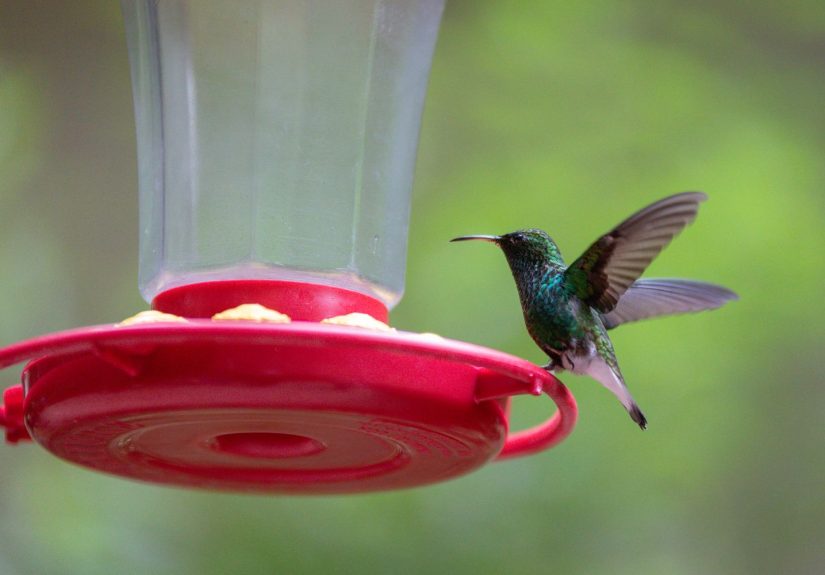
If you want the short version, here it is: don’t rush. In most parts of the United States, it is smart to leave your hummingbird feeder up for about two weeks after you see your last hummingbird. That extra time can help late migrants, wandering juveniles, and even unexpected species passing through. Keeping a feeder available does not convince hummingbirds to cancel migration and start a tiny suburban rebellion. Their migration is driven mainly by changes in day length and their internal biology, not by the fact that you left out sugar water.
So, how do you know when it is really time to take down your hummingbird feeder? You watch the birds, consider your region, keep the nectar safe, and avoid making decisions based on backyard gossip. Let’s break it down.
The Best Rule of Thumb: Wait About Two Weeks After Your Last Sighting
Bird experts tend to agree on one practical guideline: once you are fairly sure you have seen your last hummingbird, leave the feeder up for another one to two weeks. This is the sweet spot between being helpful and being overly sentimental.
Why that window? Because the hummingbirds you saw all summer are not always the same birds moving through your yard in early fall. Late in the season, your feeder may be visited by young birds leaving later than adults, migrants from farther north stopping to refuel, or occasional out-of-range hummingbirds that show up like surprise guests who did not bother to text first.
In other words, a quiet feeder for a few days does not necessarily mean the migration show is over. Fall hummingbird movement can be uneven. One day the yard is buzzing like a tiny air show, and the next day it feels like the cast packed up and moved south overnight. Waiting another couple of weeks gives stragglers a much-needed energy stop.
No, Leaving the Feeder Up Will Not Delay Migration
This is the myth that refuses to retire. Many people still believe leaving a hummingbird feeder out in fall will persuade birds to stay too long and get caught in cold weather. Ornithologists say that is not how it works.
Hummingbirds migrate because of seasonal cues, especially shorter days and shifting sun angle. Food availability matters for fueling the journey, but it is not the main switch that turns migration on and off. A feeder is more like a roadside gas station than a long-term lease agreement.
In fact, leaving a feeder up in fall may actually help hummingbirds. Migration is expensive. These birds burn energy at a jaw-dropping rate, and many are trying to build fat stores for a long trip. For eastern ruby-throated hummingbirds, that trip may include crossing the Gulf of Mexico. A clean feeder can be a useful refueling stop, not a trap.
Three Clear Signs It’s Actually Time to Take Down the Feeder
1. You have had no hummingbird activity for about two weeks
This is the biggest sign. If you have not seen a single hummingbird for roughly 10 to 14 days, and you know migration in your area is usually wrapping up, it is probably time. One empty afternoon means nothing. Two quiet weeks means the season is likely overat least for your location.
It helps to look beyond one dramatic goodbye moment. Hummingbirds do not line up at the fence, wave politely, and announce their departure date. Keep a simple note in your phone of the last confirmed sighting. That date is more useful than your guess based on vibes.
2. Your region does not typically host winter hummingbirds
Geography matters. If you live in the North, Upper Midwest, or much of the interior East, a feeder can usually come down once migration has clearly passed and no birds have visited for a couple of weeks. But if you live along the Gulf Coast, in parts of the Southeast, Southwest, California, or the Pacific Coast, the decision is different.
Some areas in the southern and western United States host overwintering hummingbirds or attract rare winter visitors. In those places, many bird experts recommend continuing to offer clean nectar through winter, especially if birds are still present. So the right answer is not “take it down in October.” The right answer is “know your local hummingbird reality.”
3. You cannot keep the feeder clean and safe anymore
This one is not glamorous, but it is important. A dirty hummingbird feeder is worse than no feeder at all. If cold weather, travel, or simple end-of-season burnout means you cannot replace nectar and scrub the feeder regularly, it is better to take it down than leave spoiled sugar water hanging around like a science project.
Nectar can ferment, grow mold, and become dangerous. During hot weather, it may need changing every day or two. In cooler weather, it lasts longer, but it still needs regular attention. If you cannot maintain it, the season is over for that feedereven if your emotions are not ready.
What Time of Year Is Typical?
There is no single national date for when to take down a hummingbird feeder, because the United States is a giant patchwork of climates and migration timing. Still, a few broad patterns are helpful.
In many northern states, hummingbird activity drops sharply by late September or early October, and feeders often come down in October after that final two-week wait. In the Mid-Atlantic and parts of the South, feeders may stay useful later into October or November. In Florida, the Gulf Coast, southern Texas, Arizona, and parts of the West Coast, feeders may remain active much lateror even year-round.
So if you are searching for the magic date, the frustrating but honest answer is this: your calendar matters less than your observations. The feeder should come down when hummingbirds are truly gone for your region, not when your neighbor declares the season over while wearing a pumpkin sweater.
How to Support Hummingbirds Right Up to the End
Keep nectar simple
The best nectar recipe is plain and boring, which is exactly what hummingbirds need: one part white sugar to four parts water. No honey. No brown sugar. No artificial sweeteners. No red dye. If the nectar looks like fruit punch, it has gone off the rails.
Change nectar often
In warm weather, refresh nectar every two to three days, and even more often during extreme heat. In cooler weather, you can stretch that a bit, but regular changes still matter. Cloudy nectar is a hard no. So is anything that smells odd or has visible debris.
Clean the feeder thoroughly
Wash every feeding port and crevice. A bottle brush is your friend here. Mold loves tiny spaces, and hummingbird feeders have plenty of them. Rinse well before refilling. If the feeder is difficult to clean, it is not a charming design objectit is a maintenance headache in disguise.
Place the feeder thoughtfully
A partly shaded location helps slow spoilage. Keep the feeder where you can monitor it easily. And if you place feeders near windows, bird-safe placement and window treatments matter. A feeder should help hummingbirds, not send them into an accidental collision course with your living room.
When You Might Leave It Up Longer Than Expected
Sometimes the smart move is not taking the feeder down at all, at least not yet. Here are a few situations where experts lean toward patience.
You live in a warm-climate region. Winter hummingbirds are a real thing in some parts of the country. If birds are still using the feeder, keep it going.
You have seen a late migrant. An unusually late bird may be tired, young, or off its typical route. A reliable feeder can make a difference.
Your garden’s natural nectar sources are fading fast. Fall flowers help, but once those fade, a feeder may become more important for the last wave of migrants.
You enjoy monitoring unusual visitors. Leaving a feeder up a bit longer can occasionally attract rare western hummingbirds in eastern states during late fall or winter. Backyard birding has plot twists.
When It Makes Sense to Take It Down Earlier
There are also times when taking the feeder down sooner is the better call.
If bears are active in your area, wildlife agencies may advise removing feeders seasonally to avoid attracting them. If the feeder is repeatedly causing window strikes, drawing ants and wasps you cannot manage, or becoming too difficult to keep sanitary, it is reasonable to shut things down. The goal is not to keep the feeder up at all costs. The goal is to help birds safely.
How to Take Down and Store a Hummingbird Feeder the Right Way
Once it is truly time, do not just dump the nectar, shrug, and toss the feeder into the garage like next year’s problem. Clean it thoroughly before storage.
Empty all nectar, wash the feeder carefully, scrub away residue, and let every part dry completely. That “completely” part matters. Trapped moisture can lead to mold while the feeder is in storage, which is a nasty surprise to discover next spring.
Store the feeder in a clean, dry place. Some people seal it in a container or bag to keep dust and insects out. When spring returns, give it another rinse before refilling. Your future self will appreciate this small act of competence.
The Real Answer: Follow the Birds, Not the Myth
If there is one takeaway from ornithologists, it is this: hummingbird feeder timing should be based on bird behavior, regional conditions, and feeder safetynot folklore. Leaving a feeder up into fall does not trap hummingbirds in your yard. It gives them one more dependable food source during an energy-intensive season.
So take the feeder down when the birds have truly moved on, when your local climate says the season is done, and when you can no longer keep the nectar fresh. Until then, let the tiny helicopters tank up. Migration is hard work, and your backyard might be one of the last reliable pit stops on the route.
Backyard Experiences That Make This Advice Feel Real
If you have ever kept a hummingbird feeder into fall, you know the experience is oddly emotional for something involving sugar water and a plastic flower. Early in the season, the birds can seem territorial, almost comically bossy. One bird claims the feeder like it is private property, chases everyone else away, and patrols the yard with the confidence of a tiny fighter pilot. Then fall arrives, and the mood changes. Suddenly there are more visitors, more quick stops, more urgent feeding, and a sense that your yard has become a travel plaza on a major migration route.
Many backyard bird lovers notice the same pattern. The busiest feeder days often happen not at the height of summer but in late summer and early fall. One morning the feeder is crowded. A few days later it is quieter. Then, just when you think the season must be over, one more hummingbird zips in for a long drink like a late traveler grabbing coffee before a road trip. That single visit is exactly why so many experts say not to take feeders down too early.
Another common experience is the false finish. You stop seeing hummingbirds for three or four days and start thinking, “Well, I guess that’s it.” Then a juvenile appearsoften less flashy, a little scruffier looking, and very serious about feeding. It becomes a reminder that migration is not always tidy. Adults and young birds do not leave at the same time, weather can shift movement, and birds from farther north may still be passing through after your local summer regulars are gone.
There is also the practical side that experienced feeder keepers learn quickly. A hummingbird feeder in September can still spoil fast if days stay warm. Plenty of people discover that keeping a feeder up late is easy in theory and surprisingly high-maintenance in practice. The birds are delightful. The scrubbing is less magical. But those routine cleanings become part of the rhythm: dump, wash, refill, watch, repeat.
For people in mild climates, the experience can stretch even longer. Some end up leaving one feeder out through winter, checking it on cold mornings and watching for the occasional visitor that completely rewrites their assumptions about “hummingbird season.” That tends to be the moment when the old myth finally falls apart. Once you have seen a bird use a feeder well past the date everyone swore was the deadline, you start trusting observation over folklore.
And that may be the best lesson of all. Hummingbird feeding teaches patience, attention, and a little humility. The birds do not care about our arbitrary rules. They care about safe habitat, clean nectar, and timing that matches the natural world. So when the season starts to fade, the best move is not panic or guesswork. It is watching closely, keeping the feeder clean, and letting the birds tell you when the show is truly over.






 Close
Close