
Table of Contents >> Show >> Hide
- What Are Tumbler Tomatoes?
- Why Tumbler Tomatoes Are Great for Containers
- Choose the Right Container First
- Use the Right Potting Mix
- How to Plant Tumbler Tomatoes
- Give Tumbler Tomatoes Plenty of Sun
- Watering: The Make-or-Break Step
- Fertilizing for Better Growth and More Fruit
- Do Tumbler Tomatoes Need Pruning or Support?
- How to Encourage Pollination and Fruit Set
- Common Problems When Growing Tumbler Tomatoes
- When and How to Harvest Tumbler Tomatoes
- A Simple Beginner Plan for Growing Tumbler Tomatoes
- Real-World Experience Growing Tumbler Tomatoes
- Final Thoughts
If regular tomato plants feel a little too “backyard jungle” for your patio, balcony, porch, or tiny sunny corner of the world, Tumbler tomatoes are here to save the day. These compact, trailing cherry tomatoes are made for containers and hanging baskets, which means you can grow a surprisingly generous harvest without sacrificing half your outdoor space. In other words, you can have homegrown tomatoes and still keep room for a chair, a coffee, and your personal dignity.
Learning how to grow Tumbler tomatoes is not complicated, but it does require a few smart choices. The right container, the right potting mix, consistent watering, and a sensible feeding schedule matter more than fancy gadgets or miracle products. Get those basics right, and these cheerful little plants can reward you with clusters of sweet fruit that hang like edible ornaments.
This guide covers everything you need to know, from planting and watering to feeding, pruning, troubleshooting, and harvesting. Whether you are starting from seed or bringing home a nursery transplant, here is how to grow Tumbler tomatoes the easy, productive, and slightly tomato-obsessed way.
What Are Tumbler Tomatoes?
Tumbler tomatoes are compact cherry tomato plants with a trailing habit, which is exactly why gardeners love them for hanging baskets, planters, patio pots, and small-space gardens. Instead of trying to become six-foot-tall tomato chaos machines, they stay relatively manageable and spill over the sides of their containers in a neat, productive cascade.
That growth habit makes them different from large indeterminate tomatoes, which keep stretching, climbing, and generally acting like they want a management team. Tumbler tomatoes are better suited to people who want a strong harvest in a compact footprint. They are also a great choice for beginners because they are easier to handle, easier to position in sunny spots, and easier to harvest without a ladder or a wrestling match.
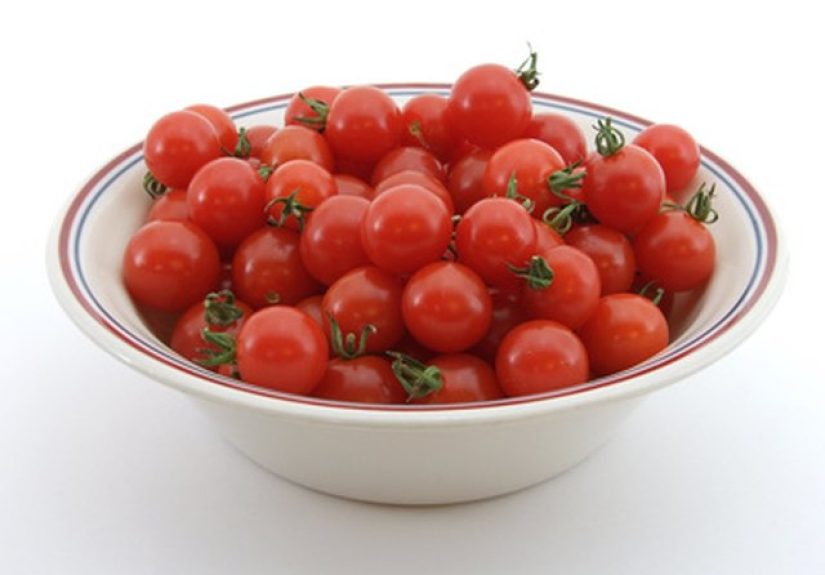
The fruit is usually small, round, and sweet, making it perfect for snacking, salads, lunch boxes, roasting, and casual “I only came outside to water them and somehow ate twelve” moments.
Why Tumbler Tomatoes Are Great for Containers
If you are wondering why so many gardeners recommend Tumbler tomatoes for patios and balconies, the answer is simple: they are built for container life. Their compact size means the roots do not demand the kind of giant pot a beefsteak tomato would prefer. Their trailing stems look attractive in hanging baskets. And because the fruit is cherry-sized, the plant can produce heavily without needing the massive support structure that larger tomato varieties often require.
They are especially useful for:
- Small patios and apartment balconies
- Porch gardens and deck planters
- Hanging baskets near the kitchen door
- Grow bags and decorative containers
- Beginner gardeners who want an easier tomato variety
That said, “easy” does not mean “immortal.” A basket full of potting mix can dry out fast in hot weather, and container tomatoes depend on you for water and food. Think of Tumbler tomatoes as low drama, not no drama.
Choose the Right Container First
Best Pot Size for Tumbler Tomatoes
The container is not just a place for your tomato to sit. It is the whole world for its roots. For that reason, size matters. A Tumbler tomato can grow in a hanging basket or pot that is smaller than what full-size slicing tomatoes need, but you still want enough soil volume to hold moisture and nutrients.
A good rule is to use a container that is at least 12 inches wide and deep, with roughly 3 to 5 gallons of growing space when possible. Bigger is usually better because larger containers dry out more slowly and give the roots more room to grow. If you are choosing between “cute but tiny” and “slightly less cute but actually practical,” pick practical. Tomatoes respect realism.
Drainage Is Non-Negotiable
Whatever container you use, make sure it has drainage holes. Tomatoes like evenly moist soil, but they do not want to sit in water. Soggy roots lead to weak growth, yellowing leaves, and disease problems that can take the joy right out of your summer garden.
Hanging Basket or Pot?
A hanging basket works beautifully if you want the classic tumbling look. Just remember that hanging baskets dry out faster than floor pots because air circulates all around them. If you live in a hot climate or you know you forget to water things when life gets busy, a floor pot or self-watering container may be a more forgiving choice.
Use the Right Potting Mix
One of the biggest container gardening mistakes is filling a pot with garden soil. It seems logical, but it is usually a bad move. Garden soil tends to compact in containers, drain poorly, and create a heavy, stubborn mess around the roots.
Use a high-quality potting mix instead. A good container mix is light, well-draining, and able to hold enough moisture for steady plant growth. Many gardeners prefer mixes that include ingredients like peat moss, coco coir, compost, and perlite or vermiculite. The goal is simple: airy enough for roots, but not so fluffy that the plant dries out before lunch.
If you want to give your Tumbler tomato a strong start, mix in a slow-release fertilizer at planting time according to the product label. That helps create a nutrient reserve while the plant settles in.
How to Plant Tumbler Tomatoes
Starting From Seed
If you are growing from seed, start indoors about 6 to 8 weeks before your last expected frost date. Sow the seeds shallowly in seed-starting mix, keep them warm, and provide strong light once they sprout. Tomato seedlings that grow in dim light tend to get lanky and dramatic, which may be entertaining but is not helpful.
Before moving seedlings outdoors, harden them off gradually over about a week. This step matters. A tender indoor seedling that goes straight into full sun and wind can look personally offended within hours.
Planting Nursery Transplants
If you are starting with a transplant, plant it deep. Tomatoes can form roots along buried stems, so setting the plant lower than it was in its nursery pot often helps create a stronger root system. Remove any leaves that would end up below the soil line, then plant the root ball and part of the stem beneath the surface.
One Tumbler tomato per basket or medium pot is usually best. Overcrowding may sound efficient, but it leads to more competition for water, nutrients, and airflow. Tomato plants are productive roommates only when they each get their own apartment.
Give Tumbler Tomatoes Plenty of Sun
Tumbler tomatoes need full sun. That means a minimum of about 6 hours of direct sunlight, though 8 hours or more is even better for strong flowering and fruit production. If your plant gets bright light but only a couple of hours of actual sun, it may grow leaves but produce fewer tomatoes.
Watch your space carefully. A patio that seems sunny in early spring can become surprisingly shady once trees leaf out, fences cast longer shadows, or neighboring buildings join the plot. If your container is portable, move it to follow the best light. This is one of the great advantages of container gardening: when the sun shifts, you can cheat.
Watering: The Make-or-Break Step
If there is one skill that separates thriving container tomatoes from sad, sulky ones, it is watering. Tumbler tomatoes need consistent moisture. Not swampy soil. Not bone-dry soil. Not a chaotic cycle of “forgot for two days, then drowned it out of guilt.” Consistent moisture.
In mild weather, you may water every couple of days. In summer heat, especially in hanging baskets, you may need to water daily or even twice a day. Check the soil with your finger. If the top inch feels dry, it is probably time to water. Water thoroughly until excess drains from the bottom, then let the soil settle back to evenly moist.
Inconsistent watering can lead to several common problems, including blossom end rot, fruit splitting, and uneven ripening. A layer of mulch on the soil surface can help reduce moisture loss, though use it lightly in containers so the surface still dries a bit between waterings.
Fertilizing for Better Growth and More Fruit
Tumbler tomatoes are productive little plants, and productive plants are hungry plants. Potting mix does not contain an endless buffet, so regular feeding is important.
There are two easy approaches:
- Mix a slow-release fertilizer into the potting mix at planting time
- Use a water-soluble fertilizer on a regular schedule according to label directions
Many gardeners combine both methods by starting with a slow-release product, then supplementing lightly during the season once flowering and fruiting begin. Avoid going wild with high-nitrogen fertilizer, because that can push lush leafy growth at the expense of fruit. If your plant looks like a beautiful green fountain but has very few tomatoes, it may be getting too much nitrogen.
Light, steady feeding usually works better than occasional fertilizer feasts. Tomatoes prefer a meal plan, not a holiday buffet.
Do Tumbler Tomatoes Need Pruning or Support?
Usually, Tumbler tomatoes need less pruning than large indeterminate tomatoes. Their compact, trailing habit is part of their charm, so there is no reason to aggressively remove every side shoot. In fact, heavy pruning can reduce your harvest because many of those stems are future flower and fruit sites.
That said, a little grooming helps. Remove yellowing leaves, broken stems, and any foliage that looks diseased. If stems are getting tangled or fruit is rubbing against rough edges, a simple support ring or small cage can help keep the plant tidy. It does not need a skyscraper support system, just a little structure if necessary.
How to Encourage Pollination and Fruit Set
Tomatoes are generally self-pollinating, but outdoor airflow and visiting insects can improve pollination. If your plant is on a covered porch or in a sheltered corner, give it a gentle shake every so often when flowers are open. That small movement can help release pollen and improve fruit set.
Also remember that extreme heat can interfere with flowering and fruiting. If the weather turns brutally hot, your plant may pause production for a while. Do not panic. Keep up with watering and feeding, and it may resume once conditions become more reasonable and less like a pizza oven.
Common Problems When Growing Tumbler Tomatoes
Blossom End Rot
If the bottoms of your tomatoes develop dark, leathery, sunken patches, blossom end rot is the likely culprit. It is usually tied to uneven watering and plant stress, not simply a lack of calcium in the bagged mix. The fix is boring but effective: keep moisture even, avoid overfeeding with nitrogen, and do not let the plant dry out repeatedly.
Cracked Fruit
Tomatoes can split after a sudden surge of water following a dry spell. Again, steady watering is the solution. Your tomato plant appreciates consistency more than dramatic gestures.
Too Many Leaves, Too Few Tomatoes
This often points to too much nitrogen or not enough sun. Move the plant to a brighter location and ease up on fertilizer if the product is very nitrogen-heavy.
Yellow Lower Leaves
A few aging leaves near the bottom are normal, but widespread yellowing can signal watering stress, nutrient issues, crowding, or poor drainage. Check the soil, drainage holes, and feeding schedule before assuming the plant is doomed.
Pests
Like other tomatoes, Tumbler plants can attract aphids, caterpillars, and other common pests. Inspect the plant regularly, especially the undersides of leaves and the areas around new growth. Catching problems early is much easier than dealing with a full-blown bug convention.
When and How to Harvest Tumbler Tomatoes
Harvest tomatoes when they are fully colored and have a little give when gently squeezed. Cherry tomatoes are best picked regularly, because frequent harvesting encourages the plant to keep producing. If fruit is close to ripe and bad weather is coming, you can pick it slightly early and let it finish coloring indoors.
Use scissors or pinch the fruit gently from the stem. Then do your best not to eat the entire harvest before it makes it into the kitchen. This is harder than it sounds.
A Simple Beginner Plan for Growing Tumbler Tomatoes
- Choose one healthy Tumbler tomato plant or start seeds indoors early.
- Use a basket or pot at least 12 inches wide with drainage holes.
- Fill it with high-quality potting mix, not garden soil.
- Plant deeply and place the container where it gets full sun.
- Water consistently so the soil stays evenly moist.
- Feed regularly with a tomato-friendly fertilizer schedule.
- Inspect for yellow leaves, pests, or watering stress each week.
- Harvest often and keep the plant tidy but not heavily pruned.
Real-World Experience Growing Tumbler Tomatoes
One of the most interesting things about growing Tumbler tomatoes is how often they outperform expectations in small spaces. Gardeners who assume a hanging basket tomato will be more decorative than productive are usually surprised. A healthy plant can start off looking cute and compact, then gradually turn into a fruiting machine with stems spilling over the sides and cherry tomatoes hiding in clusters like little red Easter eggs.
A common first-time experience goes something like this: the plant is bought on a whim because it looks manageable, it gets popped into a basket near the back door, and for the first two weeks nothing dramatic happens. Then warm weather settles in, the stems begin to drape, yellow flowers appear, and suddenly the plant starts acting as if it has decided to become the main character of the patio. That fast change is one reason Tumbler tomatoes are so satisfying.
Another frequent lesson involves watering. Many gardeners discover that container tomatoes are less forgiving than in-ground plants, especially in July and August. A Tumbler tomato in a hanging basket can look perfectly happy in the morning and slightly offended by late afternoon if the weather is hot and breezy. Once growers learn the rhythm of checking moisture daily, the plant usually bounces back and performs much better. Some switch to self-watering containers after one particularly crispy week and never look back.
Feeding also makes a visible difference. Gardeners who rely on plain potting mix alone often notice the plant slowing down after its first flush of flowers. Once a regular fertilizer routine begins, the foliage deepens in color, flowering improves, and fruit set picks up again. It is not magic, but it feels suspiciously close when a tired plant suddenly decides to get productive again.
There is also the appearance factor. Tumbler tomatoes are genuinely attractive plants. On a porch or balcony, they soften hard edges and make a space feel more alive. Many people start growing them for the harvest, then realize they also love the ornamental effect of the trailing vines. A basket full of green leaves, yellow blooms, and red fruit does not just feed you. It shows off a little.
Experienced container gardeners often mention one final truth: Tumbler tomatoes reward attention, not perfection. You do not need a greenhouse, a complicated pruning chart, or a spreadsheet titled “tomato strategy.” You need sunlight, water, food, and the willingness to look closely at the plant a few times a week. When the leaves stay healthy, the flowers keep coming, and the fruit ripens in waves, the plant teaches you what it wants. That feedback loop is part of the fun. By the end of the season, many gardeners who started with one Tumbler tomato are already planning where to fit three more next year. Tomato confidence builds fast.
Final Thoughts
If you want a tomato that fits real life, Tumbler tomatoes are an excellent choice. They are compact, productive, attractive, and well suited to containers, baskets, balconies, patios, and beginner gardeners who want strong results without growing a full tomato jungle. The secret is not secret at all: give them full sun, good potting mix, steady water, regular fertilizer, and just enough attention to catch problems early.
Master those basics, and you can enjoy a long harvest of sweet cherry tomatoes from a plant that takes up far less room than most people expect. Tiny footprint, big payoff, very little nonsense. Honestly, that is the kind of garden math everyone can appreciate.






 Close
Close