
Table of Contents >> Show >> Hide
- Meet the Queen: What Makes Queen Elizabeth Rose Special
- Where the Queen Thrives: Sun, Soil, and Site
- Planting Queen Elizabeth Rose the Right Way
- Watering: Deep Drinks, Not Daily Sips
- Feeding: Fertilizer That Works (Without Overdoing It)
- Pruning and Deadheading: The Royal Haircut
- Mulching and Winter Protection
- Common Problems (and How to Keep Them from Becoming a Lifestyle)
- Design Ideas: Using Queen Elizabeth Like a Pro
- Seasonal Care Checklist (So You Don’t Have to Guess)
- FAQ: Quick Answers for Common Queen Elizabeth Questions
- Conclusion: Treat Her Like Royalty (But Not Like a Houseplant)
- Real-World Experiences and Lessons Learned (500+ Words of “What Actually Happens”)
If roses had a “tall, dependable friend who always shows up looking amazing” award, Queen Elizabeth would win itevery yearwithout even
checking her calendar. This classic pink grandiflora rose is famous for long-stemmed blooms, repeat flowering, and a sturdy, upright habit that can make your
garden look like it hired a stylist. (A polite stylist. With thorns.)
In this guide, you’ll learn how to plant, water, feed, prune, and troubleshoot Queen Elizabeth roses so they bloom from spring through frost, look good doing
it, and don’t drag you into a never-ending drama with black spot. We’ll keep it practical, a little funny, and very friendly to your future self.
Meet the Queen: What Makes Queen Elizabeth Rose Special
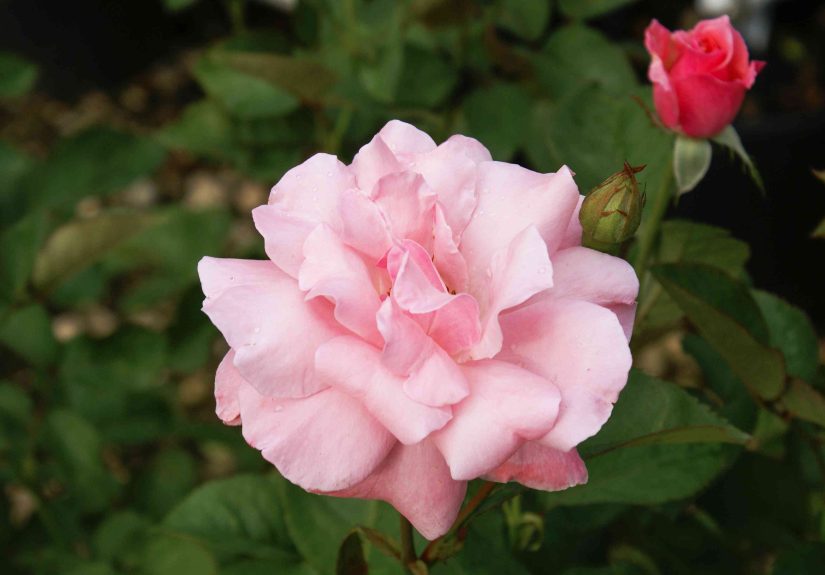
Queen Elizabeth is a grandiflora rose introduced in the mid-1950s in the U.S., and it quickly became a garden celebrity thanks to its
elegant clusters of silver-pink blooms and strong performance. Grandifloras sit in that sweet spot between hybrid teas (big, showy flowers) and floribundas
(cluster bloomers), so you get a rose that looks fancy but doesn’t require you to hold a daily press conference about its needs. [1][2][3]
Quick facts at a glance
- Type: Grandiflora rose (upright, tall, repeat-blooming)
- Bloom: Double, pink to silver-pink flowers; often on long stems and in clusters; light-to-moderate fragrance [1][2]
- Size: Commonly 4–6+ feet tall (sometimes taller), about 2–4 feet wide depending on climate and pruning style [1][2][13]
- Bloom season: Repeats from spring into fall; often “May to frost” in many regions [1][2]
- Why gardeners love it: Great cutting rose, strong vertical presence, and generally good vigor [1][2][13]
Where the Queen Thrives: Sun, Soil, and Site
Sunlight: give her the spotlight
Roses are sun-lovers, and Queen Elizabeth is no exception. Aim for at least 6 hours of direct sun daily. Morning sun is especially helpful
because it dries dew faster and reduces the time leaves stay wetone of the easiest ways to prevent fungal problems. [4]
Soil: rich, loamy, and well-drained (no swampy throne rooms)
The goal is well-drained soil with plenty of organic matter. If your soil puddles after rain or stays soggy, fix drainage before planting.
Roses don’t do their best work with “wet feet.” Work compost or other organic matter into the planting area to improve structure and moisture balance. [4]
Airflow: the underrated luxury
Queen Elizabeth can be fairly disease-resistant, but airflow still matters. Space plants so the canopy can breathe, and avoid tucking a rose into a tight
corner where leaves stay damp. Good ventilation + sun + watering at the base is basically the rose version of good sleep, hydration, and therapy. [4][12]
Planting Queen Elizabeth Rose the Right Way
Whether you’re planting a container rose from a nursery or a bare-root rose shipped in spring, the big idea is the same: build a healthy root zone from day
one, and the plant pays you back in blooms.
Step-by-step planting checklist
- Pick the site: Full sun, good airflow, and a spot you can reach with a hose (future-you says thanks). [4]
- Prep the soil: Loosen a wide area and mix in organic matter. Roses like soil that holds moisture but drains well. [4]
-
Dig a generous hole: Wide enough to spread roots without bending them; deep enough to set the plant at the same soil level it was
growing in its pot (or per your bare-root instructions). - Plant and firm: Set the rose, backfill, and gently firm soil so there aren’t big air pockets.
- Water deeply: A slow soak settles soil around roots and kicks off establishment (this is not the moment for a polite sprinkle). [5]
- Mulch lightly: Add a few inches of organic mulch, keeping it pulled back from the base so you don’t invite rot. [5]
Watering: Deep Drinks, Not Daily Sips
The most common rose care mistake is overwatering in tiny amounts. That encourages shallow roots and more disease. Instead, water deeply so moisture reaches
the root zone, then let the top inch of soil begin to dry before you water again.
Newly planted vs. established
- New plant: Expect more frequent watering at firstsometimes every day to every 2–3 days in hot conditionsuntil roots establish. [5]
-
Established plant: A widely used rule of thumb is about 1–2 inches of water per week during the growing season, adjusted
for heat, rain, soil type, and whether you’re in a pot. [5]
How to water without inviting fungus to move in
Water at the base of the plant and avoid overhead watering when possible. Wet leaves + warm weather = a fungal party you didn’t RSVP to.
If you must water overhead, do it in the morning so foliage dries quickly. [5][12]
Real-life example: In a humid summer (think Georgia or the Carolinas), switch to drip or soaker hoses and water early. In a drier climate
(think parts of Colorado), you may water less often but more deeplyespecially if your soil drains fast.
Feeding: Fertilizer That Works (Without Overdoing It)
Queen Elizabeth responds well to rose fertilizers, but the goal is steady growth and bloomsnot a leafy jungle that forgets to flower. Many gardeners start
feeding in spring and continue through the blooming season, then taper off as fall approaches.
A simple, sane feeding approach
-
Spring: Feed as new growth starts, following the product label. If using a complete fertilizer, one extension guideline suggests about
1 heaping tablespoon per plant (or roughly 3 pounds per 100 square feet), applied evenly and watered in. [6] - After the first big bloom flush: A follow-up feeding can support repeat flowering, especially in longer growing seasons. [2]
- Late season: Avoid pushing lots of tender new growth late in the season in colder climates, so the plant can harden off before winter.
Pro tip: Always water before and after fertilizing if the soil is dry. Fertilizer on drought-stressed roots is like coffee on an empty stomach: sometimes
fine, sometimes a terrible decision.
Pruning and Deadheading: The Royal Haircut
Pruning is where Queen Elizabeth goes from “nice shrub” to “wow, that’s a rose.” It improves bloom quality, keeps the plant healthy, and encourages strong,
new canes.
When to prune
For many modern, repeat-blooming roses, prune in late winter before new spring growth really takes off. If you have a once-blooming rose,
pruning timing changes, but Queen Elizabeth is typically a repeat bloomer. [7][8]
How to prune (without feeling like you’re doing garden vandalism)
- Remove dead, damaged, and diseased wood first. [7]
- Thin for airflow: take out crossing canes and crowded growth. [7]
-
Cut back vigorous shoots: One guide for grandifloras suggests cutting strong shoots back to 4–6 buds from the base, and
occasionally rejuvenating by cutting some older canes lower. [7] -
Choose an open shape: A classic tip is the “wineglass” silhouetteopen center, with canes forming the rimso light and
air can move through the plant. [9] - Make clean cuts: Aim for about ¼ inch above an outward-facing bud at a slight angle so water sheds off. [8]
Deadheading: yes, it helps
Deadheading (removing spent blooms) can encourage more flowering through the season. Some sellers note the plant can “self-clean,” but many gardeners still
deadhead for tidiness and to keep bloom cycles movingespecially during peak season. [7][13]
Mulching and Winter Protection
Mulch does more than make your beds look finished. It helps conserve moisture, reduces weeds, and can stabilize soil temperaturesespecially important in
winter where freeze-thaw cycles can stress roses. [14]
How and when to mulch for winter
- Timing: Wait until after the first hard frost or when the ground begins to cool/freeze. [14]
- Materials: Shredded bark, compost, shredded leaves, or straw all work well. [14]
-
Depth: Many modern roses (including grandifloras) benefit from deeper winter protection in colder zonesoften a mound around
10–12 inches in exposed or cold-winter areas. [14] - Spring removal: Pull mulch back gradually as new growth begins to avoid damaging tender shoots. [14]
Common Problems (and How to Keep Them from Becoming a Lifestyle)
Black spot and powdery mildew
Queen Elizabeth is often considered reasonably tough, and one extension resource lists it as moderately resistant to black spot and powdery
mildewbut “moderately” is not the same as “invincible,” especially in humid summers. [10]
Best prevention strategy:
- Sun + airflow: plant in a bright spot and avoid dense crowding. [4][12]
- Water at the base: reduce leaf wetness. [5][12]
- Clean up: remove and destroy infected leaves; don’t leave diseased debris under the plant. [12]
- Prune out old/diseased canes: especially during dormant-season cleanup. [12]
Rose rosette disease (RRD): the one you don’t “treat”
Rose rosette disease is caused by a virus spread primarily by tiny eriophyid mites. The hard truth: it’s considered
incurable. If a rose is infected, the recommended action is removal (including roots) to protect nearby roses. [11]
Watch for suspicious symptoms such as distorted growth, “witches’ broom” clusters, and unusual red or misshapen shootsespecially if the plant looks wrong
even when you’ve been doing everything right. When in doubt, contact your local extension office for confirmation.
Pests: aphids, beetles, and the occasional “why is it sticky?” moment
Most rose pest issues are manageable with a mix of observation and calm action: blast aphids off with water, encourage beneficial insects, and hand-pick large
pests when practical. If you use any spray product, follow label directions and target the problemdon’t carpet-bomb your whole yard because you saw one bug.
Design Ideas: Using Queen Elizabeth Like a Pro
Queen Elizabeth is tall and upright, which makes it perfect as a focal point, a back-of-border anchor, or a low hedge that politely suggests, “Yes, this bed
is intentional.” It’s also known for long stems that perform well in bouquetsso you can garden and decorate at the same time. [1][2][13]
Companion planting that makes sense
- For contrast: lavender, salvia, catmint (cool tones against soft pink)
- For structure: boxwood-like evergreens or ornamental grasses nearby (not crowding it)
- For airflow: keep companions lower and avoid planting dense shrubs right against the rose
Seasonal Care Checklist (So You Don’t Have to Guess)
Spring
- Remove winter protection gradually; clean up debris. [14]
- Prune before strong new growth; shape for airflow. [7][8][9]
- Start feeding as growth begins; water deeply as needed. [6]
Summer
- Water at the base; aim for consistent moisture and adjust for heat. [5]
- Deadhead and lightly shape after bloom flushes. [7]
- Scout weekly for disease and pests; remove infected leaves promptly. [12]
Fall
- Ease back on feeding as your season winds down (especially in cold-winter areas).
- Keep watering during dry spellsdrought stress going into winter is not ideal.
- Clean up fallen leaves to reduce disease carryover. [12]
Winter
- Mulch after hard frost in colder zones; protect grafted roses and crowns. [14]
- In windy areas, tie long canes to prevent breakage. [14]
FAQ: Quick Answers for Common Queen Elizabeth Questions
Does Queen Elizabeth rose need full sun?
It performs best with 6+ hours of sun daily. Morning sun is especially helpful for drying foliage and reducing disease pressure. [4]
How big will it get?
Expect a tall, upright plantoften around 4–6 feet (sometimes taller) depending on climate, care, and pruning. [1][2][13]
How often should I water?
New roses need more frequent watering while establishing. Established roses often do well with about 1–2 inches per week during the growing
season, adjusted for heat, soil, and rainfall. Water at the base. [5]
Is it disease resistant?
It has a reputation for solid performance, and some resources list it as moderately resistant to common fungal issues, but prevention still
mattersespecially in humid climates. [10][2]
Conclusion: Treat Her Like Royalty (But Not Like a Houseplant)
Queen Elizabeth rose rewards straightforward, consistent care: lots of sun, well-drained soil, deep watering, sensible feeding, and a confident late-winter
prune. Do those things, and you’ll get tall canes, glossy foliage, and elegant pink blooms that keep coming back like they own the placebecause, honestly,
they kind of do.
If you only remember three rules: sun + airflow + base watering. That trio prevents most rose problems before they start. Add a yearly
“wineglass” pruning session and a seasonal mulch refresh, and you’ll have a Queen Elizabeth rose that looks like it’s posing for a catalog… without charging
you a subscription fee.
Real-World Experiences and Lessons Learned (500+ Words of “What Actually Happens”)
Garden advice can sound wonderfully clean on paper“water weekly,” “prune in late winter,” “avoid overhead watering”but real gardens are messy. Hoses kink.
Heat waves happen. A neighbor “helpfully” sets their sprinkler schedule to “monsoon.” So here are some common, experience-based patterns gardeners report
when growing Queen Elizabeth, plus what tends to fix the issue without turning rose care into a second job.
1) The “I Love You Too Much” problem: constant light watering
Many gardeners start by watering roses the way they water patio pots: quick, frequent splashes. The rose responds with shallow roots and mood swingswilting
quickly in heat, more disease pressure, and fewer strong canes. The fix is surprisingly simple: switch to fewer, deeper soakings. Once
gardeners commit to slow, base-level watering and let the surface dry a bit between sessions, Queen Elizabeth often looks sturdier within a couple weeks.
It’s like the plant finally trusts you.
2) Airflow is not “extra.” It’s the whole plot.
A common story: the rose blooms beautifully its first year, then year two arrives with a side quest called “black spot.” Gardeners who thin the center,
remove crossing canes, and give the shrub breathing room often see a big improvement even without changing products or routines. That open, wineglass shape
isn’t just aestheticit’s disease prevention disguised as plant styling. When Queen Elizabeth is allowed to dry quickly after dew or rain, it tends to keep
more leaves, which means more energy, which means more blooms. (Roses are very into positive feedback loops.)
3) The “My rose is tall… now what?” lesson
Queen Elizabeth’s height is a featureuntil it’s towering over the rest of your bed like it’s trying to photobomb your perennials. Gardeners who plan for
that vertical habit (placing it toward the back of borders, using it as a hedge, or giving it a dedicated spot in a cutting garden) end up loving it more.
When it’s cramped into a tight foundation planting, it can become awkward: harder to prune, harder to water at the base, and easier for leaves to stay wet.
The rose didn’t do anything wrongyou just put a chandelier in a closet.
4) Feeding works best when it’s boring
Gardeners sometimes try to “power bloom” roses with frequent heavy feeding. That can produce lush growth that’s more attractive to pests and more vulnerable
to disease. The pattern that tends to work best is consistent, label-directed feeding early in the season, then a measured follow-up after a bloom flush.
In colder climates, gardeners who stop pushing nitrogen later in the season often report fewer winter dieback surprises. In warm climates with long seasons,
a lighter, steady approach still helps keep the plant blooming without turning it into an all-leaves-no-flowers situation.
5) The quiet superpower: cleanup
The “unsexy” habit of removing fallen leaves, cutting out diseased stems, and keeping the base area weed-free is one of the biggest differences between a
rose that limps along and a rose that thrives. Gardeners who do quick weekly inspectionsliterally a two-minute walk-bytend to catch problems early. That
might mean snapping off a few infected leaves before it spreads, or noticing odd growth that warrants an extension office diagnosis. It’s less about being
perfect and more about being observant.
6) The bouquet bonus
One of the most satisfying “aha” moments gardeners mention is realizing Queen Elizabeth isn’t just a landscape plantit’s a cut-flower machine.
When gardeners cut blooms correctly (clean snips, leaving enough leaf area to fuel the plant), the rose often responds with new shoots and more buds. That
turns routine deadheading into something more fun: you’re not just removing spent flowers; you’re stocking your kitchen with fresh pink roses like a
suspiciously successful florist.
The big takeaway from all these experiences is that Queen Elizabeth rewards the basics done well. You don’t need rare gadgets or secret potions. You need
sun, airflow, deep watering, a seasonal prune, and a little consistency. If you give her that, she’ll do what she’s done for decades: bloom like she’s got a
royal schedule and your garden is on it.







 Close
Close