
Table of Contents >> Show >> Hide
- Meet Jackman’s Clematis: Quick Profile
- Pick the Right Spot (Because Clematis Will Absolutely Judge You)
- How to Plant Jackman’s Clematis (Step-by-Step, No Mysticism Required)
- Watering: Consistent Moisture Without Drowning It
- Mulch & Root Shade: The Secret Sauce for Happier Clematis
- Fertilizing: Feed Flowers, Not Just Leaves
- Support & Training: How to Keep the Vine From Becoming a Tangle Monster
- Pruning Jackman’s Clematis: The Part Everyone Overcomplicates
- Common Problems (and How to Fix Them Without Panic)
- Winter Care: Keep Roots Protected, Not Smothered
- Can You Grow Jackman’s Clematis in a Container?
- Design Ideas: Make It Look Like You Hired a Garden Designer
- FAQ
- Real-World Grower Experiences & Lessons Learned (The “Wish I’d Known That” Section)
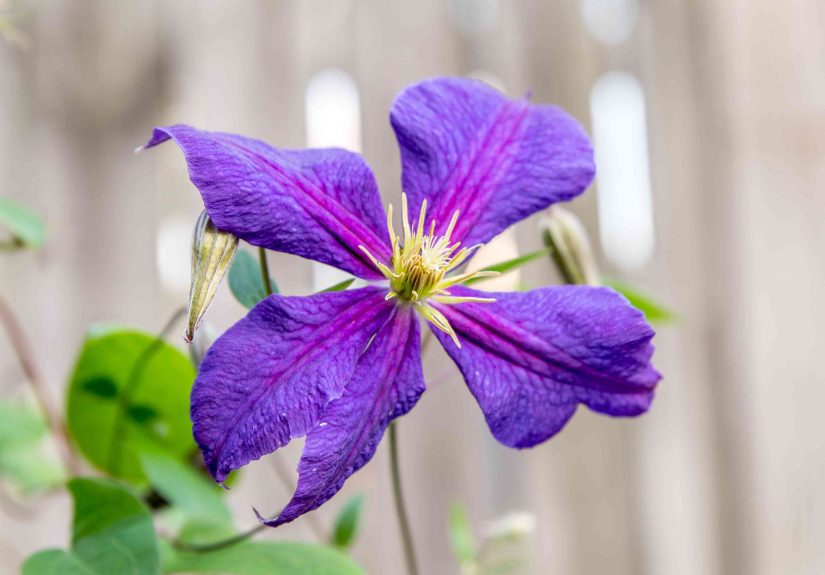
Jackman’s clematis (often sold as Clematis ‘Jackmanii’ or Clematis × jackmanii) is the vine equivalent of showing up to a backyard party
in a purple velvet blazer: bold, a little dramatic, and somehow it works with everything. When it’s happy, it throws out big, rich purple blooms in summer
and keeps going with repeat flowers (and fluffy seedheads) long enough for you to start believing you’re a botanical wizard.
The catch? Clematis has opinions. It wants sun where it blooms, cooler soil where it roots, steady moisture, and a support system that’s not built like a
telephone pole. Give it what it’s asking for, and it’ll pay you back with a wall of flowers that makes fences look expensive.
Meet Jackman’s Clematis: Quick Profile
- Type: Deciduous, twining perennial vine
- Bloom: Large, deep violet-purple flowers in mid-to-late summer; often sporadic blooms into fall
- Size: Commonly climbs about 10–15 feet with support (varies by pruning and site)
- Best use: Trellises, arbors, fences, porch posts, privacy screens, and “please ignore my ugly utility box” camouflage
- Heads/feet rule: Sun on top growth, cooler shade over roots
One safety note before we get our hands dirty: many clematis have irritating sap and are considered toxic if eaten. Wear gloves if you’re sensitive, and
keep curious pets/kids from sampling the foliage like it’s a salad bar.
Pick the Right Spot (Because Clematis Will Absolutely Judge You)
Light: Sun for flowers, relief from scorching heat
For the strongest bloom, aim for at least 6 hours of sun most days. In hot climates, a little afternoon shade can prevent stress and
color fading. Think “bright and sunny” for the vine, but not “surface-of-the-sun” at 4 p.m. in July.
Soil: Fertile, well-drained, and never a swamp
Jackman’s clematis likes fertile, well-drained soil that stays evenly moist. If your soil is heavy clay, your job is to improve
drainage and root spread: add compost, loosen the planting area widely, and avoid creating a slick-sided hole that holds water like a bathtub.
Airflow: Give it room to breathe
Good air movement helps reduce leaf diseases. You don’t need to put it on a windy runwayjust don’t cram it into a damp corner where leaves stay wet and
sulk for days.
How to Plant Jackman’s Clematis (Step-by-Step, No Mysticism Required)
When to plant
Spring is ideal, but early fall can work if the plant stays watered while establishing. The goal is to give roots time to settle in before weather
extremes.
Dig a generous hole and improve the soil
Clematis is a long-term relationship plant. Dig wider than you think, mix in compost, and create a rooting zone that feels like a well-stocked pantry:
nutritious, loose, and not waterlogged.
Planting depth: The “insurance policy” trick
Many U.S. extension and botanic garden guides recommend planting large-flowered hybrid clematis with the crown a couple inches below the soil
surface (often about 2–3 inches). This can encourage more shoots from below ground and help the plant rebound if top growth is damaged by wilt or
winter dieback. If you’re nervous, think of it as planting with a backup plan already installed.
Water in deeply and mulch smartly
Water thoroughly after planting. Then add a mulch layer to moderate soil temperature and conserve moisturejust don’t pile mulch directly against stems.
Keep the crown area tidy and airy.
Yes, you should prune at planting (it feels wrong, but it’s right)
New clematis often benefits from being cut back to around 12 inches at planting time (or shortly after). This helps reduce stem breakage,
encourages branching, and pushes energy into rootsso you get a fuller plant instead of a single awkward vine trying to do everything.
Watering: Consistent Moisture Without Drowning It
First year: Weekly support
During the first growing season, plan to water regularlyoften about weekly, more during heat waves or sandy soil conditions. Your mission is steady
moisture while roots expand.
After establishment: Deep, less frequent watering
Once established, clematis still dislikes drying out. Deep watering is better than daily sprinkles. If the soil dries completely, blooms can shrink,
leaves can crisp, and the plant may look at you like you broke a promise.
Mulch & Root Shade: The Secret Sauce for Happier Clematis
Clematis famously prefers “cool feet.” Use a 2–3 inch mulch layer, and consider shading the root zone with low, non-invasive perennials or a strategically
placed rock on the sunny side. The vine gets the sun; the roots get the spa treatment.
Fertilizing: Feed Flowers, Not Just Leaves
Jackman’s clematis grows fast and blooms hard, but it doesn’t need aggressive feeding if your soil is decent. Overdoing nitrogen can turn your vine into a
leafy superhero with fewer flowers.
A simple, practical feeding plan
- Early spring: Top-dress with compost and apply a balanced slow-release fertilizer.
- Late spring to mid-summer: If growth is pale or bloom is weak, feed lightly with a bloom-leaning fertilizer (often similar to rose or tomato blends).
- Late summer: Ease offpushing lots of tender growth late can be a bad idea in colder winter areas.
If you’re a “measurable results” gardener, you can also follow the more frequent approach used by some garden guides: start with a lower-nitrogen feed in
spring, then a balanced fertilizer at intervals through the active season. Either way, the best fertilizer is the one you don’t overapply.
Support & Training: How to Keep the Vine From Becoming a Tangle Monster
Choose the right structure
Clematis climbs by twining leaf stalks, meaning it does best on thin supportsthink trellis lattice, wire, small-diameter rods, or netting.
If your support is thick, add string lines or mesh so it has something it can actually grab.
Train early and gently
For the first season, tie stems loosely to the support and guide the vine where you want it. Check ties occasionally so they don’t pinch as the vine grows.
A little early coaching prevents the “why is it growing behind the trellis?” surprise later.
Pruning Jackman’s Clematis: The Part Everyone Overcomplicates
Here’s the truth: pruning advice for ‘Jackmanii’ can vary depending on how a source classifies it. Some references treat Jackman’s clematis among the large-flowered
hybrids that bloom on old and new wood (often called Type/Group 2), while others note that it can be pruned like Group 3 (hard pruning) with bloom delayed but not ruined.
The good news is that Jackman’s clematis is forgivingespecially once established.
Option A: The “Compromise Prune” (best if you’re unsure)
- Late winter/early spring: Remove dead or weak stems first.
- Then cut remaining vines back to about 12–18 inches, leaving a couple sets of strong buds.
- After the first flush of blooms: Lightly trim to shape and encourage additional flowering.
This approach keeps some older framework (helpful if your plant blooms partly on old wood) while still pushing fresh growth for summer flowers.
Option B: Treat it like Group 3 (hard prune for a clean, full reset)
If you want a simpler routine and don’t mind bloom starting a bit later, prune hard in late winter/early springoften down to 8–12 inches
above the ground, right above strong buds. This encourages vigorous new shoots and helps prevent that bare “legs with flowers only at the top” look.
Option C: Light pruning (if it’s thriving and you like the framework)
If your vine is already full and blooming well, you can focus on removing dead tips, thinning crowded stems for airflow, and lightly shaping. You may get
earlier flowers if some buds are carried on older wood.
Common Problems (and How to Fix Them Without Panic)
Clematis wilt: sudden collapse that looks like a soap opera
Clematis wilt often shows up as one or more stems suddenly wilting or turning dark, sometimes right as buds are opening. It’s dramaticand it can happen
fast. The standard response in many extension-style guides is simple: cut out affected stems well below the damaged section, dispose of
them (don’t compost), and disinfect pruners. Many plants regrow from the base, especially if planted a bit deeper.
Powdery mildew and leaf spots
These tend to be worse with poor airflow, overhead watering, and crowded growth. Practical fixes: thin for airflow, water at the soil line, clean up
infected leaves, and avoid keeping the foliage constantly damp.
Slugs, aphids, and spider mites
- Slugs/snails: Often chew young growthuse iron phosphate baits if needed and reduce hiding spots.
- Aphids: Blast off with water or use insecticidal soap if infestations build.
- Spider mites: More common in hot, dry conditionsimprove watering consistency and consider rinsing foliage periodically.
“It’s alive, but it won’t bloom” troubleshooting
- Not enough sun: More light usually equals more flowers.
- Too much nitrogen: Cut back on high-nitrogen fertilizer.
- Wrong pruning time: If you removed buds on older wood, flowering may be delayed (not doomed).
- Dry roots: Clematis hates droughty soilmulch and water consistently.
Winter Care: Keep Roots Protected, Not Smothered
In colder regions, a winter mulch layer helps moderate soil temperatures. The main goal is protecting the crown and roots from repeated freeze-thaw cycles.
Avoid piling mulch right against stems. In spring, pull mulch back slightly to keep the crown area dry and less disease-prone.
Can You Grow Jackman’s Clematis in a Container?
It’s possible, but containers are harder mode. Jackman’s clematis can get large, and potted soil dries out faster and freezes harder. If you go for it:
- Choose a large, heavy pot with excellent drainage.
- Use a high-quality potting mix amended for moisture retention and drainage.
- Provide a sturdy trellis and be ready to water more often in summer.
- In winter, protect the pot (move to a sheltered spot or insulate the container).
Design Ideas: Make It Look Like You Hired a Garden Designer
Jackman’s clematis is a natural with cottage-style borders, white fences, and anything that needs vertical color. Try pairing it with:
- Roses: A classic combojust make sure both plants get enough water and nutrients.
- Evergreen shrubs: Let clematis scramble through for seasonal color pop.
- Perennials at the base: Not just prettyalso shades roots and keeps soil cooler.
FAQ
How long does it take for Jackman’s clematis to really take off?
Many gardeners notice that clematis improves after the first year as roots establish. The first season is often about roots; later seasons are where you
get the “wow” coverage.
Should I deadhead Jackman’s clematis?
You can, especially if you want to encourage more blooms and reduce seed formation. But some gardeners love the fluffy seedheads in late season, so it’s a
style choice.
What’s the single most important care tip?
Keep the roots cool and evenly moist while giving the vine enough sun to bloom. If you do thatand prune with a consistent planyou’re most of the way
there.
Real-World Grower Experiences & Lessons Learned (The “Wish I’d Known That” Section)
Gardeners who fall in love with Jackman’s clematis often share a similar origin story: they planted it, watered it for two weeks, and then spent the rest
of the summer staring at a polite green vine that produced exactly zero flowerslike it was waiting for a written invitation. The next year, though, it
suddenly behaved like it had been training for a purple-bloom marathon. That pattern is common with clematis: the first season is frequently about root
establishment, and the real floral performance comes as the plant matures.
Another shared experience is the “my clematis has bare ankles” moment. Many people notice that the bottom of the vine can look sparse while all the action
happens higher up. The fix is usually a combination of intentional pruning (to encourage branching lower down) and something at the
basea small perennial, groundcover, or even a decorative rockto shade roots and visually fill the lower zone. Gardeners who embrace that strategy
often end up with a vine that looks lush from ground level instead of like a floral chandelier hung three feet too high.
Heat management is another theme, especially in sunny yards or on south- and west-facing fences. People report that their clematis looks fine in spring, then
gets cranky during peak summer heat: droopy leaves by afternoon, smaller blooms, or flowers that fade faster than expected. The wins here usually come from
boring-but-effective tactics: deeper watering, maintaining mulch, and giving the plant a little afternoon shade (even partial shade during the hottest hours
can help). It’s not that Jackman’s clematis hates sunit just doesn’t want its roots baking like a casserole.
Then there’s the classic “I pruned it… and now I’m scared” chapter. Plenty of gardeners prune too lightly because they don’t want to lose buds, and they end
up with a tangle that blooms mostly at the top. Others prune hard at the wrong time, then panic when the plant looks like it got into a fight with hedge
clippers. The most successful long-term growers usually land on consistency: they pick a pruning approach and stick with it for a couple seasons, adjusting
based on bloom timing and fullness. And a lot of them swear by the compromise prune because it keeps the plant manageable while still producing strong summer
flowering.
Clematis wilt stories are the most dramaticand oddly reassuring. Gardeners describe waking up to a vine that looked healthy yesterday and collapsed today.
The ones who recover best tend to do three things quickly: cut out affected stems well below the damage, dispose of the material (not compost), and keep the
plant watered but not soggy. Many report fresh shoots emerging from the base later, even if that season’s bloom takes a hit. It’s frustrating, sure, but it
also proves why planting a bit deeper and encouraging multiple stems can matter: the plant has backup growth points ready to go.
Finally, experienced clematis growers often mention a mindset shift: stop treating Jackman’s clematis like a delicate diva and start treating it like a
talented performer with a specific rider. It wants sun on top, cool roots, consistent moisture, a reasonable meal plan, and a trellis it can actually climb.
Deliver that, and it’ll do its jobloudly, proudly, and in purple.







 Close
Close