
Table of Contents >> Show >> Hide
- What Is Hindu Rope?
- How to Care for Hindu Rope Indoors
- How to Get Hindu Rope to Bloom
- Repotting Hindu Rope
- Pruning Hindu Rope
- How to Propagate Hindu Rope
- Common Hindu Rope Problems
- Common Pests on Hindu Rope
- Is Hindu Rope Toxic to Pets?
- Best Places to Display Hindu Rope
- Seasonal Hindu Rope Care
- Extra Experience Notes: What Growing Hindu Rope Really Teaches You
- Conclusion
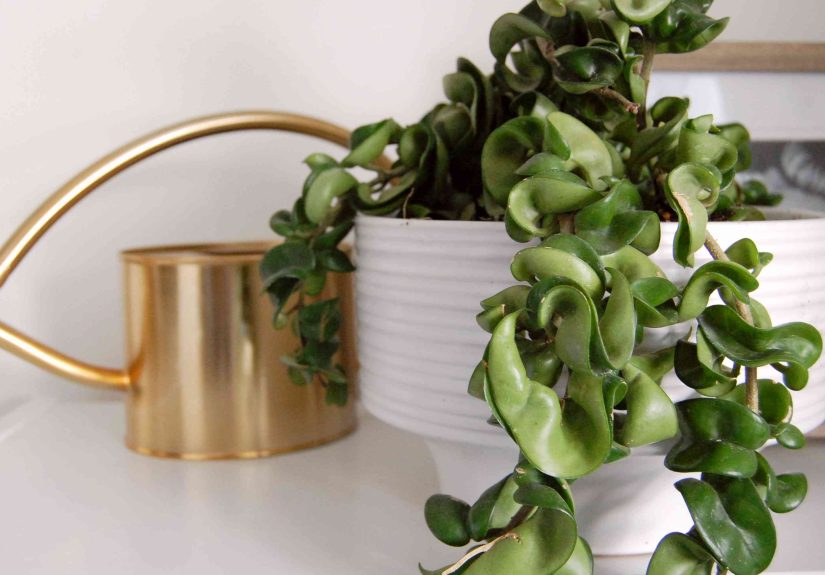
The Hindu rope plant is the houseplant equivalent of a tiny green sculpture that decided to grow dreadlocks and then become famous on Instagram. With its twisting, curling, waxy leaves and dangling vines, Hindu rope, also known as Hoya carnosa ‘Compacta’, looks complicated. Thankfully, it is not nearly as dramatic as it appears. This plant is slow-growing, sturdy, and surprisingly forgivingas long as you resist the urge to drown it with “love.”
If you want a plant that can trail from a hanging basket, live happily in a bright window, and eventually reward you with clusters of fragrant, star-shaped flowers, Hindu rope is a fantastic choice. It does not grow as quickly as pothos or philodendron, but that is part of its charm. This is a plant for patient people, relaxed plant parents, and anyone who enjoys the phrase “slow but worth it.”
In this guide, you will learn exactly how to grow and care for Hindu rope indoors, including light, watering, soil, humidity, fertilizer, propagation, pruning, repotting, blooming, and pest control. We will also cover common mistakes, practical growing tips, and real-life experience notes to help your Hoya thrive instead of merely surviving in a decorative pot looking mildly disappointed.
What Is Hindu Rope?
Hindu rope is a compact form of Hoya carnosa, a tropical evergreen vine often called wax plant, porcelain flower, or honey plant. It belongs to the dogbane family and is native to parts of Asia. Unlike the standard Hoya carnosa, which has flatter oval leaves, Hindu rope has thick, curled leaves packed tightly along trailing stems. The result is a rope-like appearance that makes it one of the most recognizable Hoyas in the houseplant world.
The plant is semi-succulent, meaning its fleshy leaves store water. That single fact explains a large part of Hindu rope care: it prefers to dry out between waterings, hates soggy soil, and usually suffers more from too much attention than too little. It is also epiphytic in nature, so its roots appreciate airflow and a chunky, well-draining potting mix.
Quick Hindu Rope Plant Profile
- Botanical name: Hoya carnosa ‘Compacta’
- Common names: Hindu rope, wax plant, rope Hoya, porcelain flower, Krinkle Kurl
- Plant type: Evergreen tropical vine, semi-succulent houseplant
- Light: Bright, indirect light
- Water: Allow soil to dry between waterings
- Soil: Airy, fast-draining mix
- Humidity: Moderate to high humidity preferred
- Pet safety: Considered non-toxic to cats and dogs
- Best use: Hanging baskets, shelves, plant stands, bright indoor displays
How to Care for Hindu Rope Indoors
Hindu rope plant care is not difficult, but it does require the right balance. Think of it as a plant that likes spa conditions without being treated like a swamp creature. Give it bright light, breathable soil, careful watering, warmth, and patience, and it can live for years.
Light Requirements
Hindu rope grows best in bright, indirect light. A spot near an east-facing window is often ideal because the plant receives gentle morning sun without harsh afternoon heat. A south- or west-facing window can also work if the light is softened with a sheer curtain or if the plant sits a few feet back from the glass.
Good light is especially important if you want flowers. Hindu rope can survive in lower light, but survival is not the same as thriving. In dim conditions, growth slows even more, the vines may become sparse, and blooms are unlikely. If your plant has been sitting in a dark corner for a year and refusing to flower, it is not being stubborn. It is filing a light-related complaint.
Avoid intense direct sunlight for long periods, especially during hot afternoons. Too much direct sun can scorch the waxy leaves, leaving pale, yellow, or brown patches. On the other hand, a little gentle morning sun can be helpful and may encourage stronger growth.
Watering Hindu Rope
Watering is where many new Hoya owners get into trouble. Hindu rope does not want constantly wet soil. Its thick leaves store moisture, so it is better to let the potting mix dry out between waterings than to keep it damp all the time.
As a general rule, water when the top half of the soil feels dry, or when the pot feels noticeably lighter than it did after watering. In many homes, this may mean watering every 10 to 21 days, depending on light, pot size, temperature, humidity, and season. During active growth in spring and summer, your plant may need water more often. In winter, it usually needs less.
When you water, do it thoroughly. Pour water through the soil until it drains from the bottom of the pot, then empty the saucer. Do not let the plant sit in standing water. Soggy soil can lead to root rot, and Hindu rope is not the type to politely recover from weeks of wet feet.
Best Soil for Hindu Rope
The best soil for Hindu rope is loose, chunky, and fast-draining. A basic indoor potting mix can hold too much moisture on its own, so it is smart to amend it with materials that improve airflow. A good homemade mix might include indoor potting soil, orchid bark, perlite, and a small amount of coco coir or peat moss.
For example, try a simple blend of:
- 1 part high-quality potting mix
- 1 part orchid bark
- 1 part perlite or pumice
This type of mix gives the roots oxygen and helps prevent water from lingering too long. Because Hindu rope is epiphytic, its roots are not designed for dense, heavy soil. If your potting mix stays wet for a week or more, it is probably too compact.
Temperature and Humidity
Hindu rope prefers warm, stable indoor temperatures. Most homes are comfortable for this plant if temperatures stay between about 60 and 85 degrees Fahrenheit. Avoid cold drafts, sudden temperature swings, and placing it near heating or cooling vents.
Humidity is helpful, especially if your indoor air is dry. Hindu rope can adapt to normal household humidity, but it tends to look healthier with moderate to high humidity. A humidity level around 40 to 60 percent is a practical target for most homes. You can boost humidity by grouping plants together, using a pebble tray, or running a small humidifier nearby.
Misting is not always the magic solution people hope it will be. It briefly raises humidity, then quickly evaporates. If you mist, do it lightly and make sure air circulation is good. Water trapped deep inside the plant’s curled leaves can encourage problems, especially in cool or poorly ventilated rooms.
Fertilizing Hindu Rope
Hindu rope is not a heavy feeder. During spring and summer, feed it once a month with a balanced liquid houseplant fertilizer diluted to half strength. You can also use a fertilizer formulated for blooming houseplants if your goal is to encourage flowers.
Do not fertilize heavily. Too much fertilizer can cause salt buildup in the soil, damage roots, or produce weak growth. Skip fertilizer in fall and winter when the plant is resting and growth naturally slows. Remember, Hindu rope grows slowly even when happy. Fertilizer is not a turbo button.
How to Get Hindu Rope to Bloom
Hindu rope flowers are one of the best reasons to grow this plant. The blooms appear in round clusters of small, star-shaped flowers that look almost unreal, as if someone made them from wax and added a soft fragrance for dramatic effect. The flowers may be pinkish, creamy, or pale, depending on the plant and growing conditions.
However, blooming requires maturity and the right environment. A young Hindu rope may take several years to flower. If your plant is still small, patience is essential. You cannot rush a Hoya into blooming any more than you can rush a cat into caring about your schedule.
Tips to Encourage Blooms
- Give the plant bright, indirect light.
- Allow the soil to dry between waterings.
- Keep the plant slightly root-bound.
- Provide warm temperatures and moderate humidity.
- Feed lightly during the growing season.
- Do not cut off old flower spurs, also called peduncles.
The last point is important. Hindu rope can bloom again from the same peduncles, so removing them can delay future flowers. After blooms fade, leave the little flowering spurs in place. They may look like tiny leftover stems, but they are valuable. Think of them as your plant’s reusable flower launch pads.
Repotting Hindu Rope
Hindu rope does not need frequent repotting. In fact, it often prefers being slightly snug in its container. Repot only when the plant has clearly outgrown its pot, the soil has broken down, roots are circling heavily, or water runs straight through without absorbing.
When repotting, choose a pot only one size larger than the current container, usually no more than 1 to 2 inches wider. A pot that is too large holds extra soil, and extra soil holds extra moisture. That moisture can become a problem for the roots.
The best time to repot Hindu rope is in spring or early summer, when the plant is entering active growth. Avoid repotting while the plant is budding or flowering. Hoyas can be sensitive to disturbance during bloom development, and moving or repotting at the wrong time may cause buds to drop.
Pruning Hindu Rope
Pruning is usually minimal. You can remove dead, damaged, or unhealthy stems at any time with clean scissors or pruning shears. If a vine becomes too long or awkward, trim it back in spring before active growth picks up.
Be careful not to remove peduncles if you want flowers. These small flowering spurs may bloom repeatedly over the years. Many people accidentally prune them off and then wonder why their Hoya is acting like a leafy rope with no floral ambitions.
If your plant is full and healthy, pruning is mostly cosmetic. Letting the vines trail naturally from a hanging pot is one of the best ways to display Hindu rope’s unusual form.
How to Propagate Hindu Rope
Hindu rope can be propagated from stem cuttings, though it may root more slowly than some other houseplants. The key is to take a cutting with at least one or two nodes. A node is the point on the stem where leaves and roots can grow.
Propagation Steps
- Choose a healthy vine with several leaves.
- Use clean scissors to cut below a node.
- Remove leaves from the lower part of the cutting if needed.
- Place the node in water, moist sphagnum moss, or a light propagation mix.
- Keep the cutting warm and in bright, indirect light.
- Wait until roots are a few inches long before potting into a small container.
Water propagation is easy because you can see roots forming, but sphagnum moss or a chunky propagation mix often produces stronger roots for potting later. Keep the medium lightly moist, not soggy. Once the cutting is established, care for it like a mature Hindu rope, but be extra careful with watering while the root system is still small.
Common Hindu Rope Problems
Hindu rope is resilient, but it is not immune to problems. Most issues come from watering mistakes, poor light, compacted soil, or hidden pests. The curled leaves are beautiful, but they also create tiny hiding places where pests can throw a houseplant party without your permission.
Yellow Leaves
Yellow leaves often point to overwatering, especially if the soil is wet or the stems feel soft. Check the roots if the problem continues. Healthy roots should be firm and light-colored, not mushy, dark, or smelly.
Wrinkled Leaves
Wrinkled leaves can mean the plant is thirsty, but they can also appear when roots are damaged and unable to take up water. First, check the soil. If it is bone dry, water thoroughly. If it is damp and the leaves are wrinkled, inspect the roots for rot.
No Growth
Slow growth is normal for Hindu rope. However, if the plant shows no change for many months during spring and summer, it may need brighter light, warmer conditions, or fresher soil. It may also be adjusting after repotting or relocation.
No Flowers
Lack of flowers is usually caused by insufficient light, immaturity, overwatering, or pruning off peduncles. Give the plant time and brighter indirect light. A slightly root-bound pot can also help encourage blooming.
Common Pests on Hindu Rope
The most common pests on Hindu rope include mealybugs, scale, aphids, and spider mites. Mealybugs are especially annoying because they hide inside the plant’s twisted leaves and leaf joints. They look like small white cottony spots and can weaken the plant by feeding on sap.
Inspect your plant regularly, especially if it is new or has been near other houseplants. If you spot pests early, treatment is much easier. For mealybugs, use a cotton swab dipped in isopropyl alcohol to remove visible insects, then follow with insecticidal soap or horticultural oil if needed. Always test any treatment on a small part of the plant first and avoid applying sprays in strong sunlight.
Good prevention matters. Keep the plant healthy, avoid overwatering, clean leaves gently when dusty, and quarantine new plants for a few weeks before placing them near your collection. A five-minute inspection can save you from a month-long pest battle that feels like a tiny botanical horror movie.
Is Hindu Rope Toxic to Pets?
Hindu rope is generally considered non-toxic to cats and dogs. That makes it a popular option for pet-friendly homes. However, “non-toxic” does not mean “excellent salad bar.” If a pet chews a large amount of any houseplant, mild stomach upset is still possible. Keep trailing vines out of reach if your cat treats every dangling object like a personal challenge.
Best Places to Display Hindu Rope
Because of its trailing growth habit, Hindu rope looks wonderful in hanging baskets, wall planters, tall shelves, and plant stands. It also works well near bright windows where the vines can cascade naturally. Avoid placing it in a dark hallway or far from a window unless you use a grow light.
A hanging basket is especially practical because it allows airflow around the vines and keeps the plant away from curious pets. Just make sure watering is still convenient. A plant that requires a ladder, towel, and emotional preparation every time it needs water may eventually become neglected.
Seasonal Hindu Rope Care
Spring
Spring is the start of active growth. This is the best time to repot, prune lightly, start fertilizing, and take cuttings. Move the plant gradually into brighter light if winter conditions were dim.
Summer
Summer usually brings stronger growth. Water more often if the soil dries faster, but still avoid soggy conditions. Watch for pests and protect the plant from harsh direct sun.
Fall
Growth begins to slow as days shorten. Reduce fertilizer and monitor watering carefully. If your home becomes cooler, the soil may stay wet longer.
Winter
Winter care is mostly about restraint. Provide as much bright indirect light as possible, water less frequently, and keep the plant away from cold drafts. Do not fertilize until active growth returns.
Extra Experience Notes: What Growing Hindu Rope Really Teaches You
After spending time with a Hindu rope plant, the first lesson is clear: this plant rewards observation more than routine. A strict watering schedule sounds organized, but Hindu rope does not care what your calendar says. It cares whether the soil is dry, whether the room is warm, and whether the roots can breathe. The best growers learn to pick up the pot, feel the soil, look at the leaves, and respond to the plant’s actual condition.
One common experience is thinking the plant is doing nothing. You buy a charming little Hindu rope, place it in a bright spot, water it carefully, and then stare at it for three months while it appears to be contemplating its career options. This is normal. Hindu rope is a slow grower. New leaves may appear gradually, and vines may take time to lengthen. The important thing is to avoid changing everything at once. Many plant owners panic and move it repeatedly, repot it too soon, fertilize heavily, or water more often. Usually, the plant simply needs consistency.
Another practical lesson is that soil quality matters more than people expect. A Hindu rope in dense, wet potting soil may look fine at first, but over time the roots can struggle. Switching to a chunky mix often makes care easier because the plant dries more predictably. For beginners, this can be the difference between constant worry and relaxed success. A breathable mix gives you a wider safety margin, especially if you sometimes water a little too generously.
Light is another area where real-life growing experience is useful. Hindu rope often survives in medium light, but it usually performs better near a bright window. If the plant grows slowly, refuses to bloom, or produces weak vines, brighter indirect light is often the solution. A grow light can also help in apartments with limited natural light. The goal is not to roast the plant but to give it enough energy to grow and eventually flower.
Pest inspection is also part of the Hindu rope experience. The curled leaves are beautiful, but they create excellent hiding spots for mealybugs. A quick glance from across the room is not enough. Every few weeks, gently examine the leaf folds, stems, and joints. Catching one or two pests early is manageable. Discovering a hidden colony after months of silence is much less fun. It is the houseplant version of finding out your quiet neighbor has been running a nightclub in the basement.
Blooming teaches patience. Many people want flowers quickly, but Hindu rope may take years to bloom indoors. The best approach is to focus on long-term health: bright light, proper watering, snug pot, warm temperatures, and no unnecessary pruning of peduncles. When flowers finally appear, they feel like a reward for good behaviornot just the plant’s behavior, but yours too.
Finally, Hindu rope teaches that low-maintenance does not mean no-maintenance. It can tolerate some neglect, but it still needs thoughtful care. It appreciates a stable location, careful watering, and occasional feeding. It does not want constant fussing. In many homes, the happiest Hindu rope is the one placed in bright indirect light, watered deeply only when dry, and otherwise left alone to twist, trail, and slowly become the weird little masterpiece it was born to be.
Conclusion
Growing Hindu rope is a lesson in patience, restraint, and learning not to smother a plant just because it is adorable. Give it bright indirect light, airy soil, careful watering, warm temperatures, and moderate humidity, and this sculptural Hoya can become a long-lasting highlight of your indoor plant collection.
The most important rule is simple: do not overwater. The second most important rule is also simple: do not panic when it grows slowly. Hindu rope is not in a rush. With steady care, it can trail beautifully, stay compact and charming, and eventually produce clusters of waxy, fragrant flowers that make all the waiting worthwhile.







 Close
Close