
Table of Contents >> Show >> Hide
- What Is Burning Bush?
- Before You Plant: The Important Invasive-Species Reality Check
- Best Growing Conditions for Burning Bush
- How to Plant Burning Bush
- Watering and Feeding
- How to Prune Burning Bush Without Turning It Into a Red Meatball
- Common Problems: Pests, Diseases, and Other Headaches
- Landscape Uses and Design Tips
- Real-World Growing Experience: What Gardeners Usually Learn After a Few Seasons
- Final Thoughts
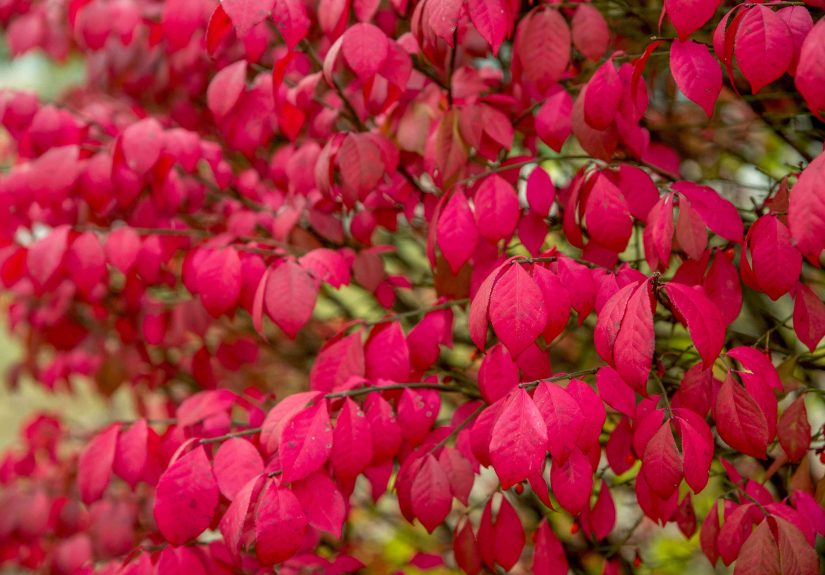
If there were an award for “most likely to turn the whole yard into a fall fireworks show,” burning bush would absolutely expect a trophy. Known botanically as Euonymus alatus, this deciduous shrub has earned a loyal following for its vivid red autumn color, tidy branching, and four-season presence. In spring and summer, it behaves like a polite green shrub. In fall, it suddenly becomes the loudest guest at the garden party.
That said, burning bush is not a plant you should add to the landscape on autopilot. It is easy to grow, yes. It is adaptable, yes. But it is also considered invasive in many parts of the United States, and some states regulate or prohibit its sale or planting. So the smartest way to approach burning bush care is with two ideas in mind: grow it well if it is legal and appropriate where you live, and grow it responsibly.
This guide covers everything you need to know about burning bush care, including light, soil, watering, pruning, common problems, and what real gardeners tend to learn after living with this shrub for a few seasons.
What Is Burning Bush?
Burning bush is a deciduous shrub prized for its corky “winged” stems and brilliant red fall foliage. The straight species can eventually reach a surprisingly large size, often around 15 to 20 feet tall and wide in favorable conditions, while compact cultivars are more commonly kept in the 5- to 10-foot range. That difference matters. A plant that looks charming and restrained in a nursery pot can become the shrub equivalent of a homeowner’s “we may need a bigger house” moment a few years later.
Its natural shape is rounded, layered, and dense. The leaves are opposite, small to medium in size, and green through the growing season. Flowers are small and not especially showy, but the fall display is the main event. If the plant gets enough sun, the foliage can turn an intense scarlet red that practically glows from across the yard.
Before You Plant: The Important Invasive-Species Reality Check
Here is the part many glossy plant tags skip: burning bush is considered invasive in a number of eastern and Midwestern states. Birds eat the fruits and spread the seeds into woodlands, field edges, and other natural areas, where the shrubs can form dense thickets and crowd out native vegetation.
So before you plant one, check your state extension service, department of agriculture, or invasive species list. In some places, burning bush is still sold. In others, it is restricted, regulated, or prohibited. If your area discourages planting it, listen to that advice. Your local woods will thank you, even if your inner hedge enthusiast grumbles a little.
If you want a similar effect without the invasive baggage, look at alternatives such as Virginia sweetspire, fothergilla, chokeberry, ninebark, fragrant sumac, blueberries, or oakleaf hydrangea. They can give you excellent seasonal color and often support local wildlife better, too.
Best Growing Conditions for Burning Bush
Light
Burning bush grows in full sun to partial shade, and it can tolerate even more shade than many shrubs. But here is the catch: the more shade it gets, the less dramatic the fall color usually becomes. If you are planting it for that famous red display, give it as much sun as the site reasonably allows. Full sun usually delivers the boldest autumn color and the densest branching.
Soil
One reason this shrub became so popular is that it is not terribly fussy about soil. Burning bush adapts to clay, loam, sandy ground, acidic soil, neutral soil, and even mildly alkaline conditions. The big exception is poor drainage. Wet, soggy soil is where this plant starts complaining. Plant it in well-drained soil, and it will usually settle in with far less drama.
Climate and Hardiness
Burning bush is generally hardy across much of the colder and temperate United States. Most gardeners grow it successfully in USDA Zones 4 through 8, though some northern guidance stretches the range into Zone 3. It handles winter cold well, which is one reason it became such a classic landscape shrub in many older suburban plantings.
How to Plant Burning Bush
If burning bush is legal and appropriate in your area, plant it in spring or early fall so roots have time to establish before weather becomes extreme. Choose a spot with enough room for the mature size. This is not a shrub that enjoys being wedged into a tiny foundation bed and then scolded for existing enthusiastically.
When planting, dig a hole at least twice as wide as the root ball and no deeper than the root ball itself. Set the shrub so the top of the root ball sits at soil level, or slightly high if your soil drains slowly. Backfill with the native soil you removed rather than turning the planting hole into a luxury compost spa. The goal is to encourage roots to move outward into the surrounding ground.
Water thoroughly after planting to settle the soil and reduce air pockets. Then add a 2- to 3-inch layer of mulch over the root zone, keeping the mulch a few inches away from the stems. Mulch helps conserve moisture, moderates soil temperature, and gives the bed a finished look that says, “Yes, this shrub was planted on purpose.”
Watering and Feeding
Watering
Once established, burning bush is fairly tolerant of short dry spells, but newly planted shrubs need steady moisture while they are putting down roots. The root ball should stay evenly moist, not bone dry and not waterlogged. During the first growing season, check the soil regularly and water deeply when the top few inches begin to dry. In hot weather or full-sun exposures, you may need to water more often.
After establishment, most burning bushes can get by with normal rainfall plus supplemental watering during drought. If the leaves start looking tired in prolonged heat, that is your cue to step in with a deep soak.
Fertilizer
Burning bush is not a heavy feeder. In average garden soil, it often grows perfectly well without much added fertilizer. If growth seems weak or foliage is pale, a light application of a balanced shrub fertilizer in spring may help. Go easy. Overfeeding is an excellent way to get lots of leafy growth without making the plant healthier or more beautiful.
How to Prune Burning Bush Without Turning It Into a Red Meatball
Pruning is where many burning bushes lose their dignity. Because the shrub responds well to clipping, it often gets sheared into tight geometric blobs. It can survive that treatment, but it usually looks better with selective pruning that respects its natural form.
Best Time to Prune
The ideal time for major pruning is late winter or early spring, just before new growth begins. That timing makes it easier to see the plant’s framework and encourages vigorous new growth once the weather warms.
Best Pruning Method
Instead of hacking the entire plant into submission, remove or shorten a few of the most vigorous branches back to major side branches. This keeps the shrub full while avoiding the stiff, over-sheared look that makes landscapes feel like they were designed by a hedge trimmer with trust issues.
If you are maintaining a hedge, keep the top slightly narrower than the bottom so sunlight can reach the lower branches. If you need to reduce size, do it gradually. Mature specimens can also be thinned by removing some older stems to improve airflow and keep the framework attractive.
One useful nuance: with burning bush, selective reshaping is usually better than cutting the whole plant to the ground. This shrub often has a more tree-like structural habit than people expect.
Common Problems: Pests, Diseases, and Other Headaches
Burning bush is often described as relatively easy-care, and that reputation is mostly fair. It is not a constant problem child. Still, a few issues can show up.
Spider Mites
Spider mites may appear during hot, dry weather. Leaves can look stippled, dusty, or generally unhappy. A strong spray of water, better plant hydration, and avoiding unnecessary stress can help. Dry, stressed shrubs are more likely to attract trouble.
Twig Blight and Leaf Problems
Burning bush can experience twig blight, especially if grown in wet or poorly drained conditions. Across the broader euonymus group, gardeners may also run into powdery mildew, anthracnose, or leaf spot diseases, particularly when plants are crowded and air circulation is poor. Good sanitation matters: prune out damaged growth, rake fallen leaves, and avoid overhead watering when possible.
Scale Insects
Euonymus species as a group can attract scale insects. Not every burning bush planting will have major scale problems, but it is smart to inspect stems and leaf undersides if a shrub begins yellowing or declining for no obvious reason. Light infestations can sometimes be pruned out; horticultural oil is commonly used for broader control when labeled for the situation.
Landscape Uses and Design Tips
Burning bush works as a specimen shrub, informal screen, mixed border plant, or clipped hedge. Its best landscape role is usually as a strong seasonal accent rather than a wall-to-wall monotony machine. One well-placed shrub that lights up in fall can look elegant. Fifteen identical shrubs marching down the property line can feel like the landscape equivalent of too many exclamation points.
Use it where its fall color can shine against evergreens, ornamental grasses, stone, or dark mulch. Give it room to develop. If you are growing a compact cultivar, still plan for more space than you think you need. Shrubs rarely read the label and decide to stay petite out of courtesy.
Real-World Growing Experience: What Gardeners Usually Learn After a Few Seasons
One of the most common experiences gardeners report with burning bush is that the plant starts out looking modest and manageable, then slowly reveals that it had much bigger plans all along. In year one, it is cute. In year three, it is confident. In year five, it may be occupying enough visual space that nearby perennials begin filing silent complaints.
Another lesson is that sunlight really does matter. Gardeners who plant burning bush in partial shade often like the plant well enough, but they do not always get the blazing red color they expected from magazine photos. The shrub may turn peachy, pinkish, or unevenly red instead of producing that dramatic, stop-the-car autumn glow. By contrast, shrubs in brighter spots tend to color up more intensely, which is why so many people fall in love with them in the first place.
Pruning is another area where experience changes behavior. A lot of homeowners start by shearing burning bush because it seems quick and tidy. Then, after a few seasons, the plant becomes dense on the outside, woody on the inside, and a bit too much like a giant green ottoman for comfort. The gardeners who end up happiest are usually the ones who switch to selective pruning. Once they stop trying to make the shrub look like a cube and start thinning branches intelligently, the plant looks more graceful and needs less corrective work.
Watering lessons tend to arrive in the first hot summer after planting. Burning bush is often described as adaptable, and it is, but newly planted shrubs still need regular attention. Gardeners who assume “low maintenance” means “basically immortal” sometimes watch a new shrub sulk through July. Leaves may droop, growth may stall, and the plant can look rougher than expected. Once the root system is established, it usually becomes much more forgiving, but that first season is when good habits matter.
Then there is the invasive issue, which is where practical experience becomes especially important. Gardeners near woods, hedgerows, or natural areas sometimes notice seedlings popping up away from the original shrub. Birds love the fruits, and birds are not known for respecting property lines. That is often the moment when a purely ornamental decision turns into an ecological one. Some gardeners respond by removing fruits when possible, monitoring for seedlings, or replacing the shrub entirely with a better-behaved alternative.
And yet, despite all of that, many people still remember burning bush as the plant that made them notice fall in a whole new way. A single shrub turning electric red near a porch, driveway, or front walk can become part of a home’s seasonal identity. That is the real experience of growing burning bush: it is beautiful, easy enough to live with, occasionally oversized, sometimes overused, and absolutely worth approaching with open eyes instead of blind enthusiasm.
Final Thoughts
Burning bush is easy to understand once you know its personality. It likes sun for its best color, well-drained soil for healthy roots, moderate moisture while establishing, and thoughtful pruning instead of constant haircut therapy. It can be a striking shrub with outstanding fall color and dependable structure.
But good burning bush care is not just about keeping the plant healthy. It is also about planting responsibly. Before you bring one home, check whether it is considered invasive or restricted where you live. If it is allowed and suits your landscape, grow it with intention. If it is discouraged in your region, choose a smart alternative that gives you beauty without the ecological baggage. That is not less stylish. That is just better gardening.






 Close
Close