
Table of Contents >> Show >> Hide
- Why thrift store smell is so stubborn in the first place
- Step one: identify the fabric before you attack the smell
- The pro-approved ways to remove thrift store smell for good
- 1. Air it out first, because fresh air is still undefeated
- 2. For washable items, do a diluted vinegar soak
- 3. Wash with real detergent, not just kitchen-cabinet optimism
- 4. Use baking soda the smart way
- 5. Do not machine-dry the item until the odor is actually gone
- 6. Steam delicate pieces instead of over-washing them
- 7. Try odor-absorbing storage for non-washable items
- 8. For severe mildew or residue, level up carefully
- What not to do if you want the smell gone for real
- Quick fix guide by item type
- How to keep thrift store smell from coming back
- Real-life experience: what actually worked after years of thrift shopping
- Final thoughts
There is a special kind of optimism that happens when you find a perfect thrifted blazer for twelve bucks. There is also a special kind of betrayal that happens when that blazer smells like a basement, an attic, a cigarette from 1997, and somebody’s rose perfume all at once. That unmistakable “thrift store smell” can cling to fabric with the determination of a stage-five barnacle.
The good news: you usually can get rid of thrift store smell for good. The less-fun news: it is not always a one-wash miracle. According to cleaning pros, laundry experts, and textile-care specialists, the trick is to match the deodorizing method to the fabric, the strength of the odor, and the source of the smell. In other words, the right fix for a cotton tee is not the right fix for a wool coat, and what works on a mildly musty cardigan may not touch years of smoke, mildew, or fragrance buildup.
This guide breaks down the methods professionals actually recommend for removing thrift store smell from clothes, coats, and other secondhand textiles without wrecking them in the process. We will cover what causes the smell, what works, what is mostly wishful thinking wearing a cute apron, and how to keep the odor from coming back once your thrifted treasure finally smells like a normal member of society.
Why thrift store smell is so stubborn in the first place
“Thrift store smell” is not one single odor. It is usually a greatest-hits compilation of storage funk, trapped humidity, body oils, old detergent residue, dust, perfume, smoke, mothballs, and stale air. Sometimes mildew is the main villain. Sometimes the smell is more like “overly enthusiastic fabric softener from a previous owner.” Sometimes it is several odors layered together like a cursed lasagna.
That matters because different smells behave differently. Mildew and damp-storage odors often respond well to air, vinegar, and a proper wash. Perfume and smoke can require repeated treatments because they embed deeply into fibers. Residue-heavy items may need a soak or a more thorough wash routine, while delicate fabrics often do better with steaming and time instead of aggressive scrubbing.
The main keyword here is patience. If you go straight to the hottest wash, the strongest cleaner, and a dryer cycle that could roast a turkey, you may damage the fabric before you remove the odor.
Step one: identify the fabric before you attack the smell
Before you do anything heroic, read the care label. That tiny tag is not trying to ruin your fun. It is trying to stop you from turning silk into sadness. Pros consistently recommend checking whether the item is machine-washable, hand-wash-only, or dry-clean-only before you start any deodorizing routine.
Here is the easiest way to think about it:
Washable and sturdy fabrics
Cotton, denim, many poly blends, sturdy pajamas, tees, sheets, and some sweatshirts can usually handle a more active odor-removal process. These are the best candidates for soaking, washing, and repeating if needed.
Delicate or structured fabrics
Silk, wool, cashmere, lace, rayon blends, lined vintage pieces, embellished garments, and anything labeled dry clean only need a gentler plan. For these, steaming, airing out, spot treatment, or a professional cleaner is usually the smarter move.
Leather, suede, and specialty materials
Do not dunk these into a mystery potion and hope for the best. Leather and suede can stain, dry out, warp, or lose finish if treated like gym socks. They need targeted surface cleaning and deodorizing, not a bathtub adventure.
The pro-approved ways to remove thrift store smell for good
1. Air it out first, because fresh air is still undefeated
If the smell is mild, start with the simplest fix: air. Hang the item outside or in a breezy, well-ventilated area before washing. Fresh air helps release trapped odor molecules, and light exposure can help with mustiness. That said, do not leave delicate fabrics baking in direct sun for hours. Prolonged sunlight can fade colors and stress sensitive fibers.
A few hours may help lightly musty items. Heavy odors may need a full day or repeated sessions. This step sounds almost too basic, but it often makes the next deodorizing step dramatically more effective.
2. For washable items, do a diluted vinegar soak
White vinegar remains one of the most commonly recommended laundry fixes for stubborn smells, especially when the odor feels musty or storage-related. The goal is not to pickle your blouse. The goal is to use a diluted vinegar solution to loosen odor-causing residue before laundering.
For sturdy washable pieces, soak the garment briefly in diluted white vinegar and water, then rinse and launder according to the care label. This works especially well on cotton tees, denim, durable blouses, and other everyday fabrics. If you are dealing with a particularly funky find, pretreating with vinegar can make a surprisingly big difference.
Patch-test first if the item is older, brightly dyed, or fragile. Vintage fabrics can be drama queens, and sometimes with good reason.
3. Wash with real detergent, not just kitchen-cabinet optimism
Vinegar and baking soda can help with odors, but pros are very clear on one thing: they do not replace actual laundry detergent. Once the soak is done, wash the item with a quality detergent appropriate for the fabric. If the garment is deeply smelly, wash it separately or with similar colors only. That prevents dye transfer and stops your fresh laundry from accidentally joining the stink club.
Choose the warmest water that is safe for the fabric rather than defaulting to hot. Hot water can help some sturdy items, but it can also shrink, fade, or distort delicate garments. “More aggressive” is not the same as “more effective.” Sometimes it is just more expensive.
4. Use baking soda the smart way
Baking soda is a classic deodorizer because it helps neutralize odors rather than merely covering them up. For washable items, it can be used as a laundry booster or as a pre-soak for especially smelly clothes. For dry items, it can also be sprinkled on certain fabrics, left overnight, and brushed off later.
One important note: do not toss baking soda and vinegar into the same step expecting fireworks of cleaning glory. They neutralize each other. The better move is to use them in separate stages. Think of them as coworkers on different shifts, not a buddy-comedy duo.
5. Do not machine-dry the item until the odor is actually gone
This is where a lot of people accidentally lock in failure. If the item still smells funky after washing, do not throw it in a hot dryer and hope heat will make the problem disappear. Heat can set stains and lingering odors, making them harder to remove later. Reassess while the item is still damp. If the smell is still there, repeat the deodorizing process, try a second wash, or switch methods.
Air-drying after treatment is often the safer move, especially for vintage or delicate items. It gives you one more chance to check the smell before committing to heat.
6. Steam delicate pieces instead of over-washing them
Steaming is one of the best tricks for dry-clean-only items, structured garments, wool coats, silk blouses, and delicate vintage finds. Steam can help relax fibers, reduce odors, freshen the fabric, and make the garment feel less like it spent the last decade in a costume trunk.
A handheld garment steamer works well, but you can also use a professional steaming service or, for some items, an at-home dry-cleaning refresh kit. Steaming is especially useful when the item is not truly dirty but simply smells stale or perfume-heavy. If the smell is strong and the piece is valuable, a professional cleaner is usually worth every penny.
7. Try odor-absorbing storage for non-washable items
For pieces that cannot be washed easily, pros often recommend a sealed-container approach. Place the item in a large bin or bag with an odor absorber nearby, not dumped directly onto delicate fabric. Baking soda, activated charcoal, and even plain paper can help pull odors out over time.
This method is handy for hats, handbags, coats, shoes, books, and textiles that need a gentler touch. It is not instant, but it is effective for the slow, weird funk that seems to live in secondhand fibers rent-free.
8. For severe mildew or residue, level up carefully
If the smell is intense and washable fabrics still reek after the basic routine, you may need a stronger approach. On sturdy washable items, pros sometimes recommend oxygen bleach, borax-based treatments, or a laundry sanitizer formulated for fabrics. These can help with mildew smells, deep residue, and extra-stubborn funk.
But this is the moment to be picky. These stronger methods are for durable washables only, and only when the care label allows it. They are not for silk, cashmere, spandex-heavy items, embellished garments, or fragile vintage fabrics. When in doubt, go gentler or go professional.
What not to do if you want the smell gone for real
Do not try to hide the odor with more fragrance
If the item smells bad, adding scent beads, dryer sheets, or heavily perfumed spray can create an even stranger final result. Now you do not have “thrift store smell.” You have “thrift store smell in a lavender wig.” Masking is not the same as removing.
Do not mix random cleaning products
This is not the place for chemistry improvisation. Never mix bleach with ammonia, vinegar, or other cleaners. Follow product labels carefully and keep treatments simple and separate.
Do not use extreme heat on everything
Heat can help with some sturdy fabrics, but it can also shrink wool, stress elastic, fade color, and damage vintage construction. If an item is fragile, act like it is fragile.
Do not overwash delicate vintage pieces
Some older garments are structurally weaker than they look. Too much rubbing, wringing, or repeated harsh washing can finish them off. For delicates, gentleness is not laziness. It is strategy.
Quick fix guide by item type
Cotton T-shirts and denim
Air out, do a diluted vinegar soak, wash with detergent, and air-dry before using heat.
Wool coats and cashmere sweaters
Air out first, then steam. If odor remains, use a professional cleaner familiar with delicate fibers.
Silk blouses and lace pieces
Avoid rough soaking and high heat. Steam, spot-test carefully, or take them to a cleaner.
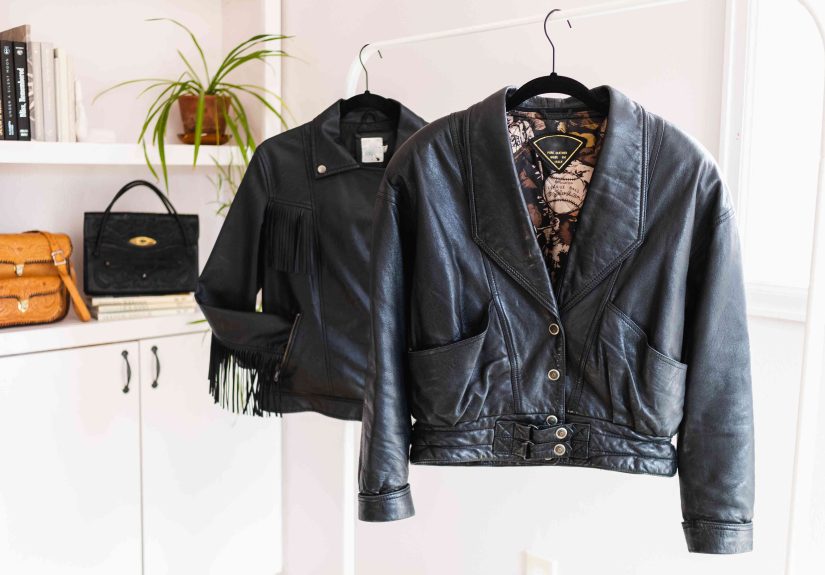
Leather jackets and suede finds
Surface clean gently, air out, and use odor absorbers nearby in a closed space. Avoid soaking.
Shoes, hats, and bags
Use airflow, odor absorbers, and targeted cleaning. For severe odor, repeat the sealed-container method several times.
How to keep thrift store smell from coming back
Once you finally win the fight, do not store the item in a damp closet and act surprised when the smell makes a sequel. Keep secondhand clothing clean, fully dry, and stored in a space with decent airflow. Avoid overloading your closet, since trapped humidity and stale air can bring odors back. If you are storing off-season pieces, make sure they are fully deodorized before packing them away.
Also, keep your washing machine clean. If your washer smells musty, your laundry can come out with a bonus odor you absolutely did not order. Sometimes the problem is not the thrift store at all. Sometimes it is your appliance staging a small rebellion.
Real-life experience: what actually worked after years of thrift shopping
After years of bringing home thrifted clothing, I can tell you this: the items that smell the worst are rarely the ones you expect. A crisp-looking button-down can smell like an old motel hallway once it warms up indoors. A leather bag can seem fine in the store and then suddenly release the ghost of every perfume counter it ever walked past. And the piece that looks the most harmless, usually a cardigan, can carry enough storage odor to make your entire closet smell like a historical society gift shop.
The biggest lesson I learned is that speed matters. The earlier you treat thrift store smell, the better your chances of getting rid of it completely. If I leave a secondhand piece sitting in the laundry basket for three days, the smell seems to settle in like it signed a lease. When I air it out right away and treat it the same day, the results are almost always better.
I also learned not to treat every item the same. Early on, I made the classic mistake of assuming one giant wash would solve everything. It did not. One cotton dress came out fine, while a delicate vintage blouse came out looking emotionally damaged. These days, I separate thrifted finds the minute I get home: sturdy washables in one pile, delicate fabrics in another, and anything vaguely “costume department” in the please-do-not-touch-yet zone.
The most reliable routine for everyday washable clothes has been simple: fresh air first, a vinegar-based pretreatment if the odor is strong, then a regular wash with detergent, followed by air-drying. That sequence has rescued thrifted jeans, sweatshirts, cotton dresses, and more mystery-cardigans than I can count. The key is checking the item while it is still damp. If the smell is still there, I do not pretend otherwise. I repeat the process. Denial is not a deodorizer.
For delicate pieces, steaming has been the game-changer. I used to think steam was just for getting wrinkles out before weddings and job interviews. Turns out it is also one of the gentlest ways to freshen thrifted garments that cannot handle a regular wash. I have used steaming on wool coats, lined blazers, and soft sweaters with great success. It is not magic, but it is close enough to make you feel smug.
The sealed-bin method has also saved a few items I was ready to donate right back. One thrifted handbag had a persistent perfume smell that refused to leave. Instead of spraying more fragrance on it like a fool in a hurry, I placed it in a large container with an odor absorber nearby and left it alone for several days. The difference was dramatic. Not instant, not glamorous, but dramatic.
What has not worked well? Trying to cover the smell with scented products. That only creates a more confusing smell. Also unhelpful: panic-washing delicate vintage pieces in hot water. That path leads to regret, shrinkage, and the kind of silence that happens when you realize you just ruined a beautiful thrift find for absolutely no reason.
If there is one final takeaway, it is this: thrift store smell is beatable, but only if you stop treating it like a minor inconvenience and start treating it like a fabric-specific project. Once you do that, the odds swing in your favor. And then you get the best part of thrifting: wearing something amazing, paying almost nothing for it, and not smelling like a haunted cedar chest while doing it.
Final thoughts
If you want to get rid of thrift store smell for good, the winning formula is usually not one dramatic hack. It is a smart sequence: identify the fabric, air the item out, use the right odor-removal method, wash or steam appropriately, and avoid heat until you know the smell is gone. The pros tend to agree on the basics because the basics work. The only real secret is matching the method to the item and giving the process enough time to do its job.
So yes, buy the vintage coat. Grab the weirdly perfect denim shirt. Rescue the cashmere sweater with questionable vibes. Just bring it home with a plan.







 Close
Close