
Table of Contents >> Show >> Hide
- First: Are You Sure It’s a Skunk?
- Skunk Safety 101 (Because Rabies Is Not a Vibe)
- Why Skunks Are Visiting Your Yard
- The 3-Phase Plan to Get Rid of Skunks (Humanely)
- How to Skunk-Proof Under a Deck, Shed, or Porch
- Do Repellents Work on Skunks?
- What Not to Do (Learn From the Neighborhood Group Chat)
- When to Call a Professional
- If You Get Sprayed: Quick, Practical Advice
- FAQ: Skunks in the Yard
- Real-World Experiences: What Homeowners Learn the Hard Way (and Then Laugh About Later)
- Conclusion
Skunks are the awkward houseguests of the animal world: they show up late, eat your snacks (grubs, pet food, fallen fruit),
and if you startle them, they respond with a “perfume” you’ll remember until retirement.
The good news: getting rid of skunks usually isn’t about fighting themit’s about making your yard a terrible place to do skunk business.
This guide walks you through a practical, humane plan to evict skunks and keep them from coming back, with safety tips, step-by-step exclusion,
and real-world examples. No gimmicks. No mysterious “skunk-banishing crystals.” Just strategies that work in American backyards.
First: Are You Sure It’s a Skunk?
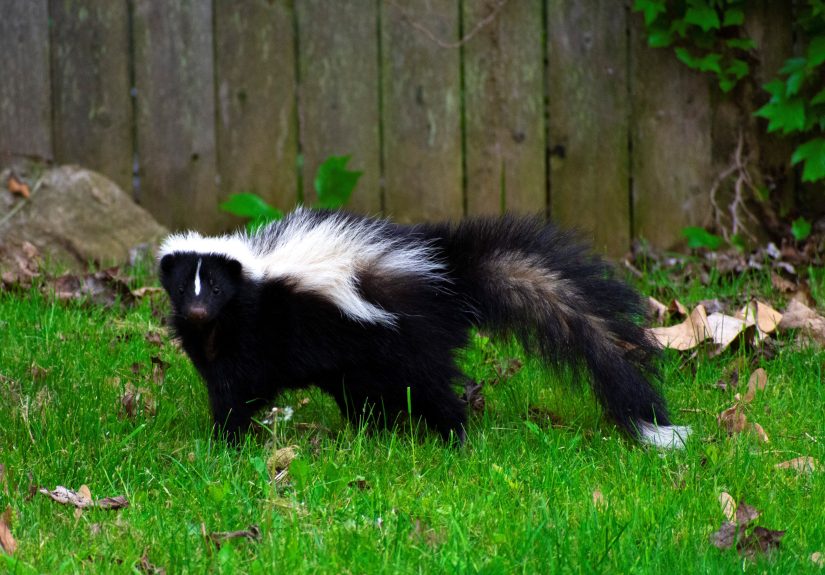
Before you skunk-proof your whole life, confirm you’re dealing with the right critter. Skunks are nocturnal, low to the ground,
and tend to waddle like they’re carrying groceries. Common signs include:
- Small cone-shaped holes in the lawn (often 1–3 inches wide) from hunting grubs and insects.
- Rolled-back turf or patches flipped up like someone tried to unroll your lawn like a carpet.
- A musky odor near decks, sheds, porches, or crawl spacesespecially after dusk.
- Tracks with five toes on each foot (front and back), often near soft soil or muddy areas.
If the damage is huge, messy, and looks like a small rototiller attacked your yard, raccoons might also be involved.
Either way, many of the prevention steps below help with both.
Skunk Safety 101 (Because Rabies Is Not a Vibe)
Skunks can carry rabies, and any wild mammal that’s unusually aggressive, disoriented, or active during the day should be treated cautiously.
Here’s the safe rule: don’t approach, don’t corner, don’t “shoo” a skunk with a broom like you’re in a cartoon.
Do this instead
- Keep kids and pets inside if a skunk is nearby.
- Make sure your dogs and cats are current on rabies vaccines.
- If you think a person or pet had direct contact (bite/scratch/saliva exposure), call a medical professional or veterinarian right away.
- If the skunk seems sick, injured, or unusually bold, contact local animal control or a licensed wildlife professional.
Why Skunks Are Visiting Your Yard
Most skunk problems come down to two things: food and housing.
They’re not plotting against you personally. They’re just opportunists in a hurry.
Most common skunk “attractants”
- White grubs and lawn insects (a skunk buffet under your grass).
- Trash that’s easy to tip or smells like leftovers.
- Pet food left outside, plus greasy grills and compost.
- Fallen fruit under trees or birdseed spilled under feeders.
- Den sites under decks, sheds, porches, or in crawl spaces with a cozy entrance gap.
Translation: if your yard is an all-you-can-eat brunch with free Airbnb under the deck, skunks will RSVP.
The 3-Phase Plan to Get Rid of Skunks (Humanely)
Here’s the approach that works best in most yards: remove attractants, encourage the skunk to leave, then block re-entry.
If you skip the “block re-entry” part, you’re basically cleaning the guest room while your guests are still inside it.
Phase 1: Make Your Yard Unappetizing
- Lock down trash: use tight lids, bungee cords, or store bins in a garage/shed.
- Feed pets indoors (or pick up bowls immediately after meals).
- Clean grills and keep grease trays from turning into a midnight snack bar.
- Pick up fallen fruit daily during peak drop season.
- Control spilled birdseed: place trays under feeders or reduce feeding for a couple of weeks.
- Limit easy water sources: empty standing water at night when possible (pet bowls, leaky hoses).
If skunks are digging, you likely have grubs or soil critters. Treating the “food under the lawn” problem can reduce visits.
But don’t panic-apply random chemicals. Check first: peel back a small section of turf and see if you find grubs.
Many extension services recommend treating only when you confirm a significant infestation.
Phase 2: Gently Encourage Them to Move Out
Skunks like quiet, dark, predictable spaces. So your goal is to make the area around their hangout feel busy and annoyingwithout trapping them inside.
- Add light: a bright work light aimed at the den entrance (nighttime is prime “move-out time”).
- Add sound: a talk radio station at low volume near the den can discourage settling.
- Use motion-activated sprinklers in travel routes (effective and oddly satisfying).
- Reduce cover: clear brush piles, stacked lumber, or junky corners that feel like skunk real estate.
Avoid pushing them into “defensive mode.” If a skunk is stomping, tail up, or doing a dramatic handstand warning (yes, they do that),
back away slowly and give it space.
Phase 3: Exclude and Seal (The Part That Actually Ends the Problem)
If a skunk is denning under a deck or shed, exclusion is usually the long-term fix. The key is timing:
you must be sure the animal is out before you seal things upand you must consider the possibility of babies during warmer months.
When in doubt, a licensed wildlife professional is worth it.
How to Skunk-Proof Under a Deck, Shed, or Porch
This is a proven DIY method for many homeowners. It’s basically “build a polite fence that goes underground.”
Materials
- Hardware cloth (galvanized wire mesh), typically 1/4-inch to 1/2-inch openings
- Garden staples or landscape pins
- Exterior screws + washers (or a staple gun rated for fencing)
- Shovel, gloves, and patience
Steps
- Find the entrance(s): look for holes, disturbed soil, and odor hotspots.
- Confirm the skunk is leaving at night: sprinkle a thin layer of flour or sand near the opening and check for tracks later.
- Create an L-shaped barrier: attach mesh along the base of the structure, then bend it outward on the ground like an “L.”
- Bury or pin the apron: bury a few inches or secure it tightly with landscape pins. The outward apron discourages digging.
- Leave one exit temporarily: you need a way for the skunk to get out while you’re finishing the barrier.
- After you’re sure it’s out, seal the last gap securely.
The L-shaped “apron” works because many animals dig at the edge of a barrierthen hit mesh and give up.
It’s not magic; it’s just frustrating in a very targeted way.
What about a one-way door?
One-way doors can be effective: they allow the animal to exit but not re-enter. The catch is timing and ethicsif there are babies inside,
you can create a serious welfare problem. If you’re not 100% confident about the season, the den status, or local regulations, call a pro.
Do Repellents Work on Skunks?
Sometimes… kind of… for a little while. Scent repellents can discourage a skunk that’s casually passing through,
but they’re rarely a permanent solution if the yard still offers food and shelter.
If you try repellents, keep expectations realistic
- Use them as a temporary “push” while you remove attractants and set up exclusion.
- Reapply after rain and as directed. Weather destroys most scent-based efforts quickly.
- Keep pets and kids in mind: avoid anything that can irritate skin, eyes, or airways.
Important warning: Don’t use mothballs outdoors
Some people toss mothballs into crawl spaces or yards as a wildlife repellent. This is a bad idea for multiple reasons:
it can be illegal when used off-label, and it can expose people, pets, and wildlife to pesticide risks.
If your strategy starts with “let’s scatter pesticides around the house like sprinkles,” stop and pivot.
What Not to Do (Learn From the Neighborhood Group Chat)
- Don’t corner a skunk or try to chase it. That’s how you get sprayed.
- Don’t seal a den opening unless you’re sure it’s empty.
- Don’t use poisons or attempt DIY fumigation. It’s dangerous, can be illegal, and can harm non-target animals.
- Don’t trap-and-relocate casually: laws vary by state, relocation can be stressful for wildlife, and it can simply move the problem elsewhere.
- Don’t ignore the real attractant: if grubs are the buffet, skunks will keep coming back until the buffet closes.
When to Call a Professional
DIY is greatuntil it’s not. Call a licensed wildlife control operator or animal control when:
- You suspect babies are present (or you’re unsure).
- The skunk is inside a structure, garage, or window well.
- The animal is acting strangely or may be sick.
- You’ve tried exclusion and the skunk keeps finding a new way in.
- You want the job done fast, clean, and with minimal “eau de skunk” risk.
If You Get Sprayed: Quick, Practical Advice
If a skunk sprays near your home, ventilate and keep pets from rubbing on furniture (they will try to share the experience).
If a dog gets sprayed, many vets and animal organizations suggest a fresh mixture of
3% hydrogen peroxide, baking soda, and a small amount of dish soap, used immediately and not stored.
Avoid eyes, rinse thoroughly, and contact your veterinarian if irritation occurs.
Also: tomato juice is the “folk remedy” that refuses to retire, but it tends to mask odor rather than neutralize it.
Chemistry is rude like that.
FAQ: Skunks in the Yard
How long do skunks stay in one place?
Skunks may roam nightly for food, but a den site under a deck or shed can be used for weeks or longerespecially during colder periods
or when raising young. Your goal is to disrupt comfort and remove resources so the site stops being valuable.
Will skunks leave on their own?
Sometimes. But “sometimes” is not a plan. If the attractants remain, another skunk (or a different animal) may move in next.
Exclusion is what turns a lucky break into a lasting fix.
What’s the fastest humane solution?
In many cases: remove food sources immediately, use light/sound/motion sprinklers to encourage departure,
then install hardware cloth exclusion around the structure. If there’s any risk of babies or you can’t confirm departure,
call a licensed wildlife professional.
Real-World Experiences: What Homeowners Learn the Hard Way (and Then Laugh About Later)
Homeowners who deal with skunks almost always say the same thing afterward: “I thought it was going to be one simple trick.”
And then reality arrivesusually around 2:00 a.m.and reality smells… memorable.
One of the most common stories goes like this: a family notices little holes in the lawn, assumes it’s “just a few birds,”
and ignores it until the yard looks like someone attacked it with a garden fork. When they finally check, they find grubs.
The skunks weren’t randomly vandalizing the grass; they were harvesting a protein-rich buffet. The fix wasn’t chasing the skunk first
it was making the lawn less of a late-night diner. After grub pressure drops and food sources are cleaned up, skunk visits often fade
because the yard stops paying “skunk rent.”
Another frequent experience: people focus on repellents and skip exclusion. They sprinkle something strong-smelling near the deck,
feel victorious for two nights, and then the skunk comes back like, “Nice attempt. Anyway…” The lesson: repellents are a helper,
not a hero. Homeowners who succeed usually treat repellents as a short-term nudge while they secure the real vulnerabilities
gaps under sheds, loose lattice panels, and that one corner where the ground dips just enough to invite a burrow.
Then there’s the classic “sealed-too-soon” mistake. Someone finds a hole under the porch andunderstandablywants it closed immediately.
They block it the same day, and now they’ve either trapped an animal inside or forced it to dig a second emergency exit.
The homeowners who end up with the calmest outcome typically do one small detective move first: they confirm nightly exit using tracks
(flour, sand, or a camera), and they leave a controlled way out until they’re sure the space is empty. That one step can prevent a lot of chaos.
People also learn quickly how much skunks value “quiet.” A backyard that’s calm, dark, and full of hiding spots is basically skunk-friendly design.
The most effective “experience-based” adjustments tend to be boring but powerful: cleaning up brush piles, storing birdseed properly,
picking up windfall fruit, and fixing a trash can lid that never quite closes. When those small habits change,
the yard stops advertising itself as an easy, low-risk place to forage.
And yes, many homeowners discover the hard way that pets can escalate skunk drama. A dog that charges the corner of the yard turns a
skunk encounter into a spray event fast. Families who reduce incidents often add a simple routine: lights on before letting the dog out at night,
a quick scan of the yard, and a leash for a week or two if skunk activity is high. It’s not foreverit’s just long enough to break the pattern.
Finally, there’s the “I tried mothballs” chapterusually told with regret and a pledge to never take advice from a 1998 forum thread again.
People who pivot away from risky, off-label pesticide ideas and toward exclusion and attractant control tend to solve the problem with far less stress.
The recurring theme in successful stories is almost always the same: make the yard less rewarding, give the skunk a safe path to leave,
then lock the doors behind it. It’s not dramatic. It’s not instant. But it’s the kind of boring that smells a whole lot better.
Conclusion
Getting rid of skunks in your yard is rarely about “winning a battle” and almost always about changing the conditions that attracted them.
Remove food sources, reduce shelter, and use humane exclusion to prevent denning under structures. If you’re dealing with a possible den
during seasons when babies may be presentor if the skunk is behaving oddlybring in a licensed professional.
Your goal is simple: a yard that skunks stroll past, not one they move into.






 Close
Close