
Table of Contents >> Show >> Hide
- What Is an Abscess?
- Common Signs and Symptoms of an Abscess
- How to Get Rid of an Abscess: 12 Safe Steps
- Step 1: Identify Whether It Might Be an Abscess
- Step 2: Check for Emergency Warning Signs
- Step 3: Do Not Squeeze, Pop, Cut, or Pierce It
- Step 4: Apply Warm, Moist Compresses
- Step 5: Keep the Area Clean
- Step 6: Cover It With a Clean Bandage
- Step 7: Wash Hands and Avoid Sharing Personal Items
- Step 8: Use Over-the-Counter Pain Relief Carefully
- Step 9: Know When a Doctor Needs to Drain It
- Step 10: Take Antibiotics Only When Prescribed
- Step 11: Handle Dental Abscesses Differently
- Step 12: Prevent Future Abscesses
- What Not to Put on an Abscess
- How Long Does an Abscess Take to Heal?
- When to See a Healthcare Provider
- Can You Get Rid of an Abscess Overnight?
- Experience-Based Tips for Managing an Abscess Safely
- Conclusion
- SEO Tags
An abscess is one of those health problems that announces itself like an uninvited guest with a tiny marching band: swelling, redness, tenderness, heat, and sometimes a dramatic little pocket of pus. Charming? Not exactly. Common? Very. Important to treat correctly? Absolutely.
If you are wondering how to get rid of an abscess, the safest answer is not “grab a needle and become your own surgeon.” Please do not do that. An abscess is a walled-off infection, and trying to pop, squeeze, lance, or dig into it at home can push bacteria deeper into the skin, spread infection, cause scarring, or turn a manageable problem into a medical plot twist nobody requested.
The good news is that many small, superficial skin abscesses can be supported at home with warm compresses, careful hygiene, and protection while you arrange medical care if needed. Larger, painful, spreading, recurring, facial, dental, genital, rectal, or fever-related abscesses usually need professional evaluation. Doctors may drain the abscess, prescribe antibiotics when appropriate, or treat the underlying cause so it does not come back with the enthusiasm of a bad sequel.
This guide explains 12 practical, safe steps for dealing with an abscess, what not to do, when to call a healthcare provider, and how to reduce the chance of future infections.
What Is an Abscess?
An abscess is a pocket of pus that forms when the body fights an infection. Pus is made of white blood cells, bacteria, dead tissue, and fluid. It can develop under the skin, around a tooth, near a hair follicle, in a gland, around the anus, in the breast, or even deeper inside the body.
Most people think of a skin abscess first: a swollen, painful bump that may look red, warm, shiny, or firm. Sometimes the center becomes soft or yellow-white as pus collects near the surface. Boils, carbuncles, infected cysts, and some infected pimples can behave like abscesses. Dental abscesses are different because the infection begins around a tooth or gum and needs dental treatment, not just a warm washcloth and wishful thinking.
Common Signs and Symptoms of an Abscess
An abscess may cause:
- A painful, swollen lump under the skin
- Redness or darker discoloration around the area
- Warmth, throbbing, or tenderness
- A soft center or visible pus
- Drainage that may be white, yellow, green, or bloody
- Fever, chills, fatigue, or swollen lymph nodes if infection is spreading
- Tooth pain, facial swelling, bad taste, or pain when chewing in dental abscesses
Because abscesses can look like cysts, acne, insect bites, cellulitis, or other skin conditions, it is smart to pay attention to size, pain level, location, and whether symptoms are worsening.
How to Get Rid of an Abscess: 12 Safe Steps
Step 1: Identify Whether It Might Be an Abscess
Start by looking at the lump without poking it like you are checking whether a cake is done. An abscess is usually painful, swollen, warm, and tender. It may feel firm at first and later become softer as pus collects. The skin may be red on lighter skin tones or appear purple, brown, grayish, or darker than surrounding skin on deeper skin tones.
If the area is painless, slow-growing, and not warm, it may be a cyst or another type of bump. If it is spreading flat redness without a central pocket, cellulitis may be involved. Since treatment differs, uncertainty is a good reason to call a healthcare provider.
Step 2: Check for Emergency Warning Signs
Some abscesses should not be managed at home. Seek urgent medical care if you have fever, chills, rapidly spreading redness, red streaks, severe pain, confusion, dizziness, fast heartbeat, swelling of the face or jaw, trouble breathing, trouble swallowing, or an abscess near the eye. These symptoms can suggest that infection is spreading.
You should also get prompt care if the abscess is on the face, spine, hand, genitals, rectal area, breast, or inside the mouth. These locations can be harder to drain safely and may involve deeper structures. People with diabetes, weakened immune systems, cancer treatment, HIV, organ transplant history, circulation problems, or recurrent infections should contact a clinician early.
Step 3: Do Not Squeeze, Pop, Cut, or Pierce It
This is the step that saves people from turning a small infection into a bigger one. Do not squeeze an abscess, even if it looks “ready.” Do not use a needle, razor, safety pin, tweezers, kitchen knife, or any other object from the Cabinet of Bad Ideas.
Squeezing can force pus and bacteria into surrounding tissue. Cutting into an abscess at home can cause bleeding, scarring, incomplete drainage, and deeper infection. Professional drainage is done with sterile technique, proper pain control, and wound care instructions. Your bathroom mirror is not an operating room, even if the lighting is dramatic.
Step 4: Apply Warm, Moist Compresses
For a small, superficial skin abscess or boil, warm compresses can help reduce discomfort and encourage natural drainage. Soak a clean washcloth in warm water, wring it out, and place it gently over the area for 10 to 15 minutes. Repeat this three to four times daily.
The compress should be warm, not hot. Burning the skin will not impress the abscess into leaving. Use a clean cloth each time, wash your hands before and after, and avoid pressing hard. If the area becomes more painful, larger, or redder after 24 to 48 hours, contact a healthcare provider.
Step 5: Keep the Area Clean
Clean skin helps limit bacterial spread. Wash around the abscess gently with mild soap and water. Pat dry with a clean towel. Avoid harsh scrubbing, alcohol, hydrogen peroxide, strong antiseptics, or abrasive exfoliants unless a clinician specifically recommends them. These products can irritate skin and slow healing.
If the abscess is draining, clean the surrounding skin carefully. Do not dig into the opening. Think of wound care as calm housekeeping, not excavation.
Step 6: Cover It With a Clean Bandage
If the abscess is draining or rubbing against clothing, cover it with sterile gauze or a clean bandage. Change the dressing whenever it becomes wet, dirty, or loose. Place used dressings in a sealed plastic bag before throwing them away, especially if there is pus.
Covering the area protects the skin, absorbs drainage, and lowers the risk of spreading bacteria to towels, sheets, gym equipment, or other people. This is especially important for suspected staph or MRSA skin infections.
Step 7: Wash Hands and Avoid Sharing Personal Items
Wash your hands with soap and water before and after touching the area or changing a bandage. If soap and water are not available, use hand sanitizer. Do not share towels, razors, washcloths, athletic gear, or clothing while the abscess is active or draining.
Launder towels, sheets, and clothing that contact the abscess using detergent. Dry them thoroughly. Bacteria enjoy damp fabric far more than we would like, which is rude but biologically unsurprising.
Step 8: Use Over-the-Counter Pain Relief Carefully
Pain from an abscess can be surprisingly intense. Over-the-counter pain relievers such as acetaminophen or ibuprofen may help, depending on your health history. Follow the label directions and avoid taking more than recommended.
Do not take ibuprofen or other NSAIDs if you have been told to avoid them due to kidney disease, stomach ulcers, blood thinners, certain heart conditions, or pregnancy-related concerns. When in doubt, ask a pharmacist or clinician.
Step 9: Know When a Doctor Needs to Drain It
Many abscesses do not fully heal until the pus is drained. A clinician may perform incision and drainage, often called I&D. This usually involves numbing the skin, making a small opening, letting the pus drain, and sometimes placing packing or a small drain depending on the size and location.
Professional drainage often brings relief because pressure decreases. However, the wound may continue to drain for a while and requires aftercare. Follow the instructions exactly, including bandage changes, follow-up visits, and activity limits.
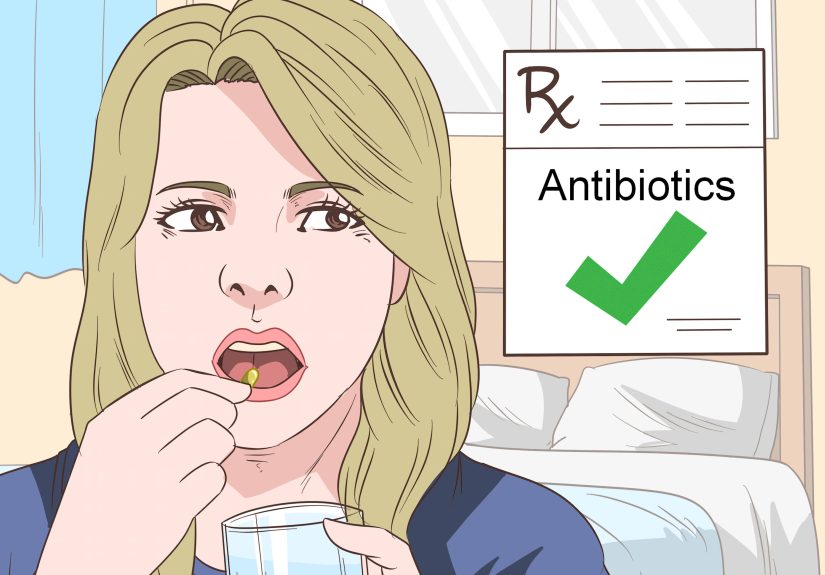
Step 10: Take Antibiotics Only When Prescribed
Antibiotics are not magic erasers for every abscess. For a simple skin abscess that is completely drained, antibiotics may not always be needed. However, they may be prescribed if infection has spread to nearby skin, you have fever, the abscess is large or recurrent, there are multiple abscesses, the location is high-risk, or your immune system is weakened.
If antibiotics are prescribed, take them exactly as directed. Do not stop early because the bump looks better after two days. Also, do not take leftover antibiotics from an old prescription. That is not resourceful; it is how bacteria start lifting weights and becoming harder to treat.
Step 11: Handle Dental Abscesses Differently
A tooth abscess is not solved by draining a gum bump at home. Dental abscesses usually require a dentist to treat the source of infection. Treatment may include draining the abscess, root canal therapy, tooth extraction, and sometimes antibiotics if infection has spread or the patient is at higher risk.
Call a dentist promptly if you have severe tooth pain, swelling, gum pus, fever, a bad taste in your mouth, pain when biting, or facial swelling. Seek emergency care if swelling affects breathing, swallowing, the eye area, or the floor of the mouth.
Step 12: Prevent Future Abscesses
Prevention depends on the cause, but the basics matter. Keep skin clean and dry, treat cuts promptly, avoid sharing razors, manage acne or ingrown hairs carefully, wear breathable clothing, shower after heavy sweating, and avoid shaving irritated skin. If abscesses keep returning in the armpits, groin, buttocks, or under the breasts, ask a dermatologist about hidradenitis suppurativa, a chronic inflammatory skin condition that can cause recurring painful lumps and tunnels under the skin.
For dental abscess prevention, brush twice daily, floss daily, limit frequent sugary snacks, and keep regular dental checkups. Your teeth are tiny bones with public relations problems; they need maintenance before they start filing complaints.
What Not to Put on an Abscess
Avoid applying toothpaste, baking soda paste, essential oils, garlic, turmeric paste, drawing salves, acne spot treatments, or random internet potions to an abscess. Some home remedies may irritate the skin, cause chemical burns, delay proper treatment, or trap bacteria under occlusive layers.
Warm compresses, gentle cleansing, and clean dressings are safer while you monitor symptoms or arrange care. If a remedy sounds like it belongs in both a kitchen and a medieval spellbook, pause before applying it to infected skin.
How Long Does an Abscess Take to Heal?
A small boil or superficial abscess may improve within several days and heal over one to three weeks, especially if it drains naturally and is cared for properly. A larger abscess that needs medical drainage may feel better quickly after the procedure, but the wound can take days or weeks to close depending on depth, location, and overall health.
Healing may take longer if the abscess is large, infected with resistant bacteria, associated with diabetes, located in a high-friction area, or repeatedly irritated. Worsening pain, swelling, fever, odor, or spreading redness after treatment should be reported to a healthcare provider.
When to See a Healthcare Provider
Call a healthcare provider if the abscess is larger than about half an inch, very painful, growing, not improving after 24 to 48 hours of warm compresses, or located on the face, hand, groin, rectal area, breast, spine, or near the eye. Also get care for recurrent abscesses, multiple boils, fever, red streaks, swollen lymph nodes, or drainage with a strong odor.
People with diabetes, immune system problems, poor circulation, heart valve disease, or implanted medical devices should not wait long to ask for guidance. Infections can move faster in high-risk situations.
Can You Get Rid of an Abscess Overnight?
Usually, no. You may reduce pain overnight with warm compresses, rest, and proper covering, but the infection itself often needs time to drain and heal. If the abscess is large or deep, professional drainage may be the fastest and safest path to relief.
Be skeptical of any product promising to “pull out” an abscess overnight. The body is good at healing, but it does not operate like a vending machine. Insert compress, receive cure? Sadly, not quite.
Experience-Based Tips for Managing an Abscess Safely
Many people first notice an abscess and assume it is a pimple, ingrown hair, spider bite, or “weird little bump that will probably go away.” That is understandable. Early abscesses can be sneaky. The experience often changes when the bump becomes tender, warm, swollen, and impossible to ignore every time clothing brushes against it. At that point, the best practical move is to stop irritating it. Switch to loose clothing, avoid shaving over it, and keep friction low. A waistband, bra strap, backpack strap, or tight gym shorts can make a small irritated area angrier by the hour.
One useful habit is to track the border of redness. With clean hands, you can look at the area in good lighting and note whether redness is expanding. Some people take a photo once a day for comparison. Others lightly mark the outer edge with a washable pen if a clinician has suggested monitoring spread. The goal is not to obsess over it every seven minutes like it owes you money. The goal is to know whether it is improving, staying the same, or expanding.
Warm compresses work best when people are consistent. One lazy compress while scrolling through messages may not do much. A better routine is 10 to 15 minutes, three or four times daily, using a clean warm cloth each time. The cloth should feel soothing, not scorching. Afterward, gently pat the area dry and apply a fresh bandage if needed. If the abscess drains, resist the urge to squeeze out “just a little more.” Let it drain naturally and keep it covered.
Another real-world tip: prepare a small wound-care kit. Include clean gauze, adhesive bandages, medical tape, disposable gloves if available, mild soap, clean towels, and a small trash bag for used dressings. This keeps care simple and reduces the chance of using the nearest questionable tissue from the bottom of a drawer. If drainage is heavy, change the dressing more often and wash your hands every time.
People also underestimate how important follow-up can be after professional drainage. Once pain improves, it is tempting to declare victory and vanish like a magician. But if the clinician placed packing, requested a wound check, prescribed antibiotics, or asked you to return in a specific timeframe, do it. Incomplete aftercare can allow the abscess to refill or heal poorly.
For recurring abscesses, experience teaches an even bigger lesson: look for patterns. Do they appear after shaving? After workouts? In skin folds? In the same armpit or groin area? After sharing towels or sports gear? Around dental problems? These clues help a healthcare provider identify causes such as friction, folliculitis, hidradenitis suppurativa, uncontrolled blood sugar, dental infection, or bacterial colonization. Treating the pattern is better than playing whack-a-mole with painful lumps.
Finally, do not let embarrassment delay care. Abscesses can happen in awkward places, including the buttocks, groin, breast, or near the anus. Clinicians have seen it all. Truly. Your “most embarrassing bump ever” is probably a regular Tuesday in urgent care. Getting help early can prevent worse pain, bigger procedures, and complications.
Conclusion
Getting rid of an abscess safely means respecting what it is: an infection, not a DIY craft project. Small superficial abscesses may improve with warm compresses, cleanliness, and protection, but many need professional drainage. The most important rule is simple: do not squeeze, pop, cut, or pierce it at home.
Seek medical care if the abscess is large, worsening, very painful, recurring, located in a sensitive area, associated with fever, or affecting someone with diabetes or a weakened immune system. Dental abscesses require dental treatment because antibiotics alone usually do not fix the source. With the right care, most abscesses heal well, and prevention habits can lower the chance of repeat infections.







 Close
Close