
Table of Contents >> Show >> Hide
- Can You Really Build Leg Muscle Without Weights?
- The 3 Levers That Make Bodyweight Leg Training Work
- Quick Warm-Up (5 Minutes) That Makes Your Knees Happier
- 9 No-Equipment Moves to Build Leg Muscle
- 1) Tempo Squat (The “Make It Heavy” Squat)
- 2) Split Squat (Single-Leg Muscle Without the Drama)
- 3) Reverse Lunge (Knee-Friendly Quad + Glute Builder)
- 4) Lateral Lunge (Side-to-Side Strength Most People Skip)
- 5) Single-Leg Romanian Deadlift (Bodyweight Hamstrings That Bite Back)
- 6) Single-Leg Glute Bridge (Glutes Without Guesswork)
- 7) Hamstring Walkout (No Equipment, All Regret)
- 8) Wall Sit (The Quiet Leg Burner)
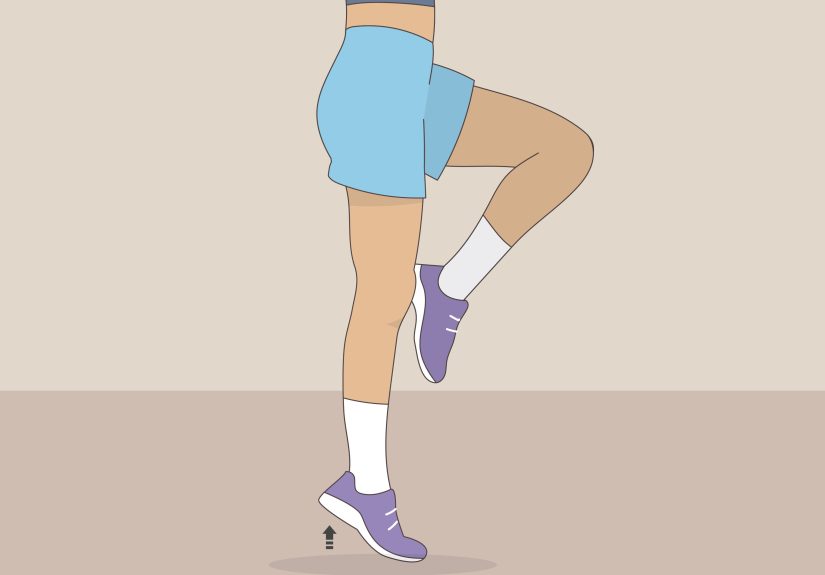
- 9) Standing Calf Raise (Calves: The Muscle Group That Ghosts You)
- How to Progress (Without Buying Anything)
- Sample Plan: Build Legs at Home (3 Days/Week)
- Nutrition and Recovery: The Part Everyone Wants to Skip (But Shouldn’t)
- FAQs (Because Your Brain Will Ask These Anyway)
- Conclusion
- Experiences and Lessons Learned (The “Real Life” Section)
- SEO Tags
Your legs don’t actually care whether you’re holding a dumbbell, a kettlebell, or a jug of suspicious-looking homemade protein shake. What they do care about is tension, effort, and progression. If you can create enough challengeand keep making it harder over time your quads, glutes, hamstrings, and calves will get the message loud and clear: grow.
This guide shows you exactly how to build leg muscle at home using only your bodyweight. No gym. No equipment. No “I’ll start Monday” energy required (though Monday is still a solid choice).
Can You Really Build Leg Muscle Without Weights?
Yesespecially if you use smart bodyweight leg exercises that make your muscles work close to their limit. Muscle growth (hypertrophy) is driven by a mix of mechanical tension (how hard the muscle has to work), training volume (hard sets over time), and effort (how close you get to “yep, that’s all I’ve got”).
The trick with no-equipment leg training is that regular squats can get easy fast. So you’ll use the same tools athletes and coaches use when weights aren’t available: single-leg work, tempo, paused reps, longer ranges of motion, and higher-effort sets. Translation: your legs will still be toastedjust without the metal soundtrack.
The 3 Levers That Make Bodyweight Leg Training Work
1) Make the exercise harder (without adding load)
- Unilateral moves: one leg at a time doubles the “whoa” factor.
- Longer range: deeper squats (within comfort) = more work.
- More instability: controlled balance challenges recruit more muscle.
2) Make each rep harder
- Tempo: slow down the lowering phase (eccentric).
- Pauses: stop at the toughest point and hold.
- 1.5 reps: go down, halfway up, back down, then up. Cruel. Effective.
3) Make your training more “growth-friendly”
- Work close to failure: leave about 0–3 reps “in the tank” on most sets.
- Accumulate hard sets: consistent weekly volume beats heroic one-off workouts.
- Progress weekly: more reps, longer holds, less rest, tougher variations.
Quick Warm-Up (5 Minutes) That Makes Your Knees Happier
Warm muscles move better and complain less. Before you start, do 5 minutes of light movement:
- 30 seconds easy marching or jog-in-place
- 10 leg swings front-to-back per side
- 10 leg swings side-to-side per side
- 8–10 bodyweight squats (easy range)
- 6 walking lunges per side (slow and controlled)
If you’re tight, save longer stretching for after training. For now, you want warm and ready, not “accidentally auditioning for Cirque du Soleil.”
9 No-Equipment Moves to Build Leg Muscle
For each move below, focus on clean form first. Then push effort by adding reps, slowing tempo, or advancing the variation. If something hurts (sharp pain, not “this is hard”), regress the range of motion or swap the exercise.
1) Tempo Squat (The “Make It Heavy” Squat)
Targets: quads, glutes, adductors, core
A tempo squat turns a basic bodyweight squat into a legit muscle-builder by increasing time under tension.
- How: Stand shoulder-width. Sit back and down. Keep chest tall. Drive up through midfoot.
- Tempo: Lower for 3 seconds, pause 1 second at the bottom, stand in 1 second.
- Sets/Reps: 3–5 sets of 8–15 reps.
- Make it harder: add a 2-second pause at the bottom or do 1.5 reps.
Common mistake: collapsing knees inward. Think “knees track over toes.”
2) Split Squat (Single-Leg Muscle Without the Drama)
Targets: quads, glutes, balance/stability
Split squats are the gateway to serious unilateral strength. They’re also a humbling reminder that your left leg has a personality.
- How: Stagger stance. Drop straight down (elevator, not escalator). Front foot stays planted.
- Depth: Back knee approaches the floor with control.
- Sets/Reps: 3–4 sets of 8–20 per side.
- Make it harder: slow the lowering to 4–5 seconds or pause at the bottom.
Form cue: torso tall, ribs stacked over hips, gentle forward lean is fine.
3) Reverse Lunge (Knee-Friendly Quad + Glute Builder)
Targets: quads, glutes, hamstrings
Reverse lunges tend to feel smoother on the knees for many people because you control the step and keep your shin angle more manageable.
- How: Step back, land softly, drop into a lunge, push through the front leg to stand.
- Sets/Reps: 3–4 sets of 10–16 total reps (5–8 per side) to start; build up.
- Make it harder: do “deficit-free” slow reps: 3 seconds down, 1 second pause, drive up.
Common mistake: bouncing off the back leg. The front leg should do most of the work.
4) Lateral Lunge (Side-to-Side Strength Most People Skip)
Targets: adductors (inner thigh), glutes, quads
If you only train forward and back, your legs are basically fluent in one language. Lateral lunges make them bilingual.
- How: Step wide, sit hips back into the stepping leg, keep the other leg straighter.
- Foot: Keep the working foot flat; knee tracks over toes.
- Sets/Reps: 3 sets of 8–12 per side.
- Make it harder: add a 2-second pause at the bottom or increase depth gradually.
Tip: Start shallow if your inner thighs feel like they just got an eviction notice.
5) Single-Leg Romanian Deadlift (Bodyweight Hamstrings That Bite Back)
Targets: hamstrings, glutes, hips, balance
This hip-hinge move builds the backside of your legs and teaches control. It also reveals whether your balance is “athlete” or “newborn giraffe.”
- How: Soft knee on the standing leg. Hinge hips back while the other leg extends behind you.
- Back: Keep it long and neutral; think “proud chest.”
- Sets/Reps: 3–4 sets of 8–15 per side.
- Make it harder: slow eccentrics (4 seconds down) or add a 1-second pause at max hinge.
Common mistake: rotating the hips open. Keep hip bones facing the floor.
6) Single-Leg Glute Bridge (Glutes Without Guesswork)
Targets: glutes, hamstrings, core
Bridges are simple, but single-leg bridges are where glutes stop “kind of helping” and start doing their job like they’re on payroll.
- How: Lie on your back, one foot planted, other leg straight. Drive hips up by squeezing the glute.
- Top position: ribs down, hips fully extended, don’t over-arch the low back.
- Sets/Reps: 3–4 sets of 10–20 per side.
- Make it harder: 2-second squeeze at the top or slow lower (3–4 seconds).
7) Hamstring Walkout (No Equipment, All Regret)
Targets: hamstrings, glutes, core
This is a bridge variation where you “walk” your feet out and back inforcing your hamstrings to stabilize and pull. If you’ve ever wanted hamstrings that feel like they exist, congratulations.
- How: Start in a glute bridge. Take small steps forward with your heels until your legs nearly straighten, then walk back.
- Rule: Keep hips lifted the entire time (or as close as you can).
- Sets/Reps: 3 sets of 6–10 walkouts (out-and-back = 1).
- Make it harder: go farther out, slow down, or add a pause when extended.
Safety note: If hamstrings cramp, shorten range and build gradually.
8) Wall Sit (The Quiet Leg Burner)
Targets: quads, glutes, core endurance
Wall sits look like “resting” until you do them. Then they look like “negotiating with your life choices.”
- How: Back against a wall. Slide down until knees are about 90 degrees (or higher if needed).
- Posture: keep ribs down, lower back gently against the wall, feet flat.
- Sets/Time: 3–5 rounds of 20–60 seconds.
- Make it harder: increase time, drop slightly lower, or do single-leg wall sit alternations.
9) Standing Calf Raise (Calves: The Muscle Group That Ghosts You)
Targets: calves (gastrocnemius/soleus), ankle strength
Calves can grow without weights, but they demand consistencylike a houseplant that judges you.
- How: Stand tall, feet hip-width. Rise up onto toes, pause, lower slowly.
- Sets/Reps: 4–6 sets of 12–25 reps.
- Make it harder: single-leg calf raises, slower lowering (3 seconds), longer top pause.
Tip: Use a wall for balance if needed; don’t use it to do the work.
How to Progress (Without Buying Anything)
Progression is your growth engine. Pick one progression method at a time so you can measure it.
- Add reps: hit the top of the range before moving on.
- Add sets: go from 3 sets to 4 sets on key moves.
- Slow tempo: turn 1-second lowering into 3–5 seconds.
- Add pauses: especially in the bottom of squats/lunges.
- Reduce rest: shave 15–20 seconds off rest time (don’t rush sloppy reps).
- Advance the variation: squat → tempo squat → 1.5 squat → harder single-leg patterns.
Sample Plan: Build Legs at Home (3 Days/Week)
Train legs 2–3 times per week with at least one rest day between hard sessions. Rotate two workouts (A and B). Keep most sets at about RIR 0–3 (0–3 reps in reserve).
Workout A (Quad Focus + Calves)
- Tempo Squat: 4 x 8–15
- Split Squat: 3 x 10–18 per side
- Wall Sit: 3 x 30–60 seconds
- Standing Calf Raise: 5 x 12–25
Workout B (Glute/Hamstring Focus + Lateral Strength)
- Single-Leg RDL: 4 x 8–15 per side
- Reverse Lunge: 3 x 10–16 total reps
- Single-Leg Glute Bridge: 3 x 12–20 per side
- Lateral Lunge: 3 x 8–12 per side
- Hamstring Walkout: 2–3 x 6–10
Weekly example: Monday (A), Wednesday (B), Friday (A). Next week, start with (B). If you’re new, do 2 days/week for 2–3 weeks, then add the third day.
Nutrition and Recovery: The Part Everyone Wants to Skip (But Shouldn’t)
If you want to gain leg muscle without weights, your training is the signalbut recovery is the construction crew. A few basics that matter more than fancy hacks:
- Protein: include a high-protein food at most meals.
- Calories: a small surplus helps if your goal is visible size gain.
- Sleep: aim for consistent sleep; your legs grow when you’re not doomscrolling at 1 a.m.
- Rest days: walking and light mobility can help you feel better without adding stress.
FAQs (Because Your Brain Will Ask These Anyway)
How long until I see results?
Many people notice better control and endurance within 2–3 weeks. Visible muscle changes often show up in 6–10 weeksfaster if nutrition and consistency are on point.
Do I have to train to failure?
Not every set. But bodyweight training usually needs high effort on key sets to create enough stimulus. Living around 0–3 reps in reserve is a realistic, joint-friendlier sweet spot.
What if squats hurt my knees?
First: check your form and range. Try a slightly wider stance, slow tempo, and stop shy of pain. Reverse lunges and split squats (shorter range) can also be kinder. If pain persists, consider getting professional guidance.
Conclusion
You don’t need a rack of weights to build stronger legsyou need a plan that makes bodyweight feel heavy: unilateral work, slow tempo, smart progression, and honest effort. Pick 4–6 moves, train them 2–3 times per week, and track your progress like it’s your favorite show (except this one actually improves your life).
Experiences and Lessons Learned (The “Real Life” Section)
When people start trying to gain leg muscle without weights, the first surprise is usually this: the workouts feel easy… until they don’t. The first set of bodyweight squats is often a warm-up. The third setdone with a slow tempo and a pause at the bottomcan feel like you just discovered a brand-new muscle group hiding inside your thighs. That’s the moment many beginners realize the secret isn’t “more stuff,” it’s “more challenge.”
Another common experience: single-leg exercises are an ego check you didn’t order. Split squats and single-leg RDLs expose side-to-side differences fast. One leg will feel smooth and powerful; the other will wobble like it’s trying to text during the rep. That wobble is not failureit’s information. With consistent practice, balance improves, reps get cleaner, and the same movement that once felt chaotic becomes controlled and strong. In a strange way, the progress is easier to notice than it is with weights because your coordination is improving alongside your strength.
People also tend to learn quickly that tempo is the cheat code. Slow eccentrics (the lowering phase) and pauses make basic moves brutally effective. It’s the difference between “I did 20 squats” and “I did 12 squats and questioned the meaning of time.” If your bodyweight training ever starts feeling too easy, tempo is often the fastest fixno extra reps needed.
Then there’s soreness. Many report that the DOMS hits differently with no-equipment leg workouts, especially after lunges, lateral lunges, and hamstring walkouts. The soreness isn’t a badge of honor, but it can be a sign you trained muscles through ranges and angles they aren’t used to. The best lesson here is pacing: start with fewer sets, let your body adapt, and build volume gradually. The goal is to train again soonnot to limp around like a cowboy in a movie for four days.
Another “real life” thing: boredom is the enemy of consistency. Bodyweight training can feel repetitive if you do the same exact workout forever. The fix is rotation without chaos. People who stick with it typically keep the same core moves (like tempo squats, split squats, bridges), but sprinkle in small upgrades: 1.5 reps for a month, then pause reps; reverse lunges one cycle, then lateral lunges the next. You stay consistent while still feeling like you’re leveling up.
Finally, progress often shows up in unexpected places first: stairs feel easier, knees feel steadier, walking posture improves, and sports feel more explosive. Visible size gains can follow, but the functional wins arrive quicklyand they’re motivating. The best “experience-based” advice is simple: track one or two numbers (like wall sit time and split squat reps) and try to beat them slightly every week. That small, measurable progress turns “random workouts” into a muscle-building program. And yesyour legs will absolutely notice.







 Close
Close