
Table of Contents >> Show >> Hide
- Why a Sock Bun Works on Short Hair
- What You’ll Need
- How to Do a Sock Bun with Short Hair: 13 Steps
- Step 1: Pick the Right Sock
- Step 2: Turn the Sock Into a Bun Maker
- Step 3: Start with Slightly Dirty or Textured Hair
- Step 4: Brush and Choose Your Placement
- Step 5: Make a Ponytail
- Step 6: Tease the Ponytail Lightly
- Step 7: Slide the Sock Bun Onto the Ponytail
- Step 8: Fan the Hair Around the Sock
- Step 9: Secure the Hair with an Elastic or Pins
- Step 10: Wrap Loose Ends Around the Base
- Step 11: Pin the Escaping Layers
- Step 12: Loosen the Bun Slightly for Fullness
- Step 13: Finish with Hairspray and Final Touches
- Extra Tips for Making a Sock Bun Work Better on Short Hair
- Common Mistakes to Avoid
- What If Your Hair Is Very Short?
- Experiences with Doing a Sock Bun on Short Hair
- Conclusion
If you have short hair, you have probably looked at a giant, glossy sock bun and thought, “That is clearly a long-hair hobby.” Fair. But a sock bun with short hair is absolutely doableyou just need the right size, the right prep, and a little patience with those sneaky layers that love to escape like they pay rent elsewhere.
The good news is that a sock bun can make shorter hair look fuller, more polished, and more intentional than a rushed twist-and-pray bun. It is a great option for second-day hair, workdays, weddings, dinners, school mornings, or any moment when you want to look pulled together without spending an hour negotiating with your mirror.
In this guide, you will learn exactly how to do a sock bun with short hair in 13 simple steps, plus how to troubleshoot common issues like flyaways, thin ends, and layers that refuse to cooperate. There is no magic herejust a smart method that helps short hair look impressively bun-like.
Why a Sock Bun Works on Short Hair
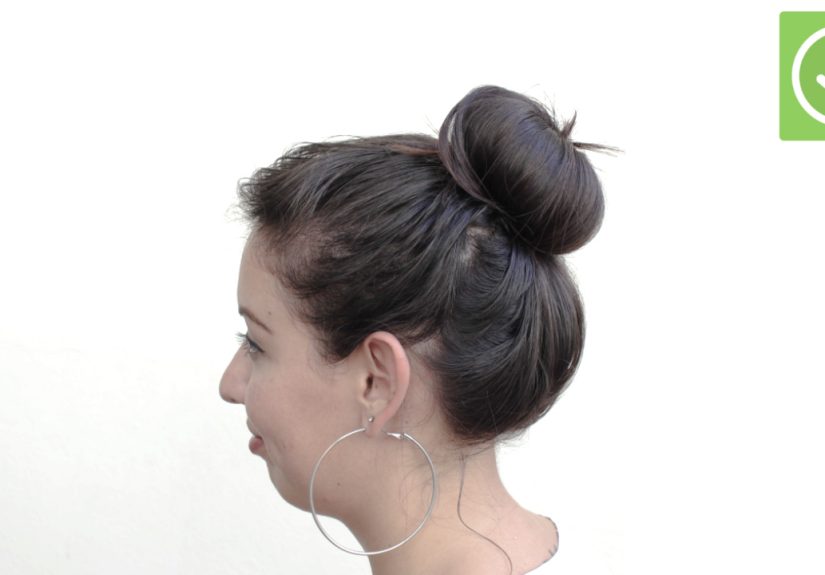
A sock bun gives your hair structure. Instead of relying on length alone, you use a soft circular base to create the round shape of the bun. That means even a bob, lob, or shoulder-skimming cut can fake a fuller updo. It is basically optical illusion for hair, which is one of the more useful kinds of illusion.
The trick is adjusting the technique for short hair. A smaller sock bun works better, texture helps the hair grip the form, and bobby pins do a lot of the heavy lifting. If your hair is extremely short or heavily layered, you may not get a perfectly smooth ballerina bun on the first tryand that is okay. A slightly soft, textured bun often looks better anyway.
What You’ll Need
- One clean sock, preferably thin and close to your hair color
- Scissors
- One or two hair elastics
- Bobby pins or French pins
- Dry shampoo, texturizing spray, or light styling mousse
- Brush or comb
- Flexible-hold hairspray
- Optional: edge brush, pomade, decorative clip, or headband
How to Do a Sock Bun with Short Hair: 13 Steps
Step 1: Pick the Right Sock
For short hair, choose a small or medium sock, not a giant athletic tube sock that looks like it belongs in a locker room montage. A thinner sock creates a smaller bun, which is exactly what shorter hair needs. Dark hair works best with a black or brown sock, while blonde or lighter hair looks better with beige, gray, or cream.
Step 2: Turn the Sock Into a Bun Maker
Cut off the toe of the sock, then roll the sock down into a donut shape. Keep rolling until it forms a compact ring. If the ring looks enormous, start over with a smaller sock. With short hair, a mini bun maker is usually more forgiving and far less dramatic in the “why is there a cinnamon roll on my head?” sense.
Step 3: Start with Slightly Dirty or Textured Hair
Freshly washed hair can be slippery and annoyingly well-behaved in all the wrong ways. A sock bun usually holds better on second-day hair. If your hair is freshly washed, add dry shampoo, texture spray, or a touch of mousse from mid-length to ends. This gives the hair grip and helps prevent the bun from sliding apart before lunch.
Step 4: Brush and Choose Your Placement
Decide where you want the bun to sit. A mid-height or low sock bun is often easiest on short hair because the shorter back pieces can reach more comfortably. A high bun can look cute, but it may leave the nape pieces staging a rebellion. Brush your hair into position and smooth obvious bumps without pulling it painfully tight.
Step 5: Make a Ponytail
Secure your hair into a ponytail with a hair elastic. If your hair is layered, do not panic if a few pieces fall out. That is normal. If the hair at the nape or around the face will not reach, leave it out for nowyou can pin those sections later. If your hair is very short, try a half-up ponytail instead of forcing all of it into one sad little tail.
Step 6: Tease the Ponytail Lightly
This step is especially helpful for fine or short hair. Gently backcomb the ponytail near the base to create a little cushion and volume. You are not trying to recreate a 1980s rock concert. You just want enough texture to help the hair wrap around the sock and look fuller.
Step 7: Slide the Sock Bun Onto the Ponytail
Pull the ponytail through the center of the sock ring until the ring sits near the elastic. Spread the hair around the donut so it begins to cover the sock evenly. If your hair is too short to fully drape over it, that is fine. The next few steps are where the shape comes together.
Step 8: Fan the Hair Around the Sock
Use your fingers to distribute the hair around the bun form like a fountain. Try to cover as much of the sock as possible. Short hair does best when you work slowly here. Instead of expecting one smooth curtain of hair, think in sections. The goal is to hide the sock and create a rounded shape, not to win a perfection contest judged by a hostile swan.
Step 9: Secure the Hair with an Elastic or Pins
If your hair is long enough, place a second elastic around the hair-covered sock to lock the shape in place. Many people with short hair will need a mix of elastic and pins, or just pins. Tuck the ends underneath the donut and secure them with bobby pins. Push the pins inward toward the center of the bun so they anchor into both the bun and the base ponytail.
Step 10: Wrap Loose Ends Around the Base
You will likely have little ends sticking out, especially if you have layers. Twist small leftover sections and wrap them around the base of the bun. Pin each section as you go. This is what gives the style a polished finish. If the ends are too short to wrap, tuck and pin them underneath. Short hair is less about one grand motion and more about strategic negotiations.
Step 11: Pin the Escaping Layers
Now deal with the pieces near the nape, sides, and front. Twist or smooth them back and pin them discreetly under or around the bun. If a few face-framing strands look soft and intentional, keep them. If they look like your hairstyle lost an argument with humidity, smooth them with a tiny bit of pomade or hairspray on your fingertips.
Step 12: Loosen the Bun Slightly for Fullness
Once everything is secure, gently tug at the bun with your fingers to soften the shape and make it look fuller. This works especially well for fine hair. Do not yank at random. Tiny adjustments are all you need. A slightly relaxed bun often looks more modern and natural than one that is shellacked into submission.
Step 13: Finish with Hairspray and Final Touches
Use a flexible-hold hairspray to keep the style in place. Add a headband, clip, ribbon, or decorative pins if you want the style to look more dressed up. Check the bun from the side and back if possible. The mirror sometimes lies by omission, so a quick photo check can save you from discovering later that one half looked chic and the other half looked experimental.
Extra Tips for Making a Sock Bun Work Better on Short Hair
Use a Smaller Bun Form
This is the biggest game-changer. Short hair cannot comfortably wrap a jumbo donut. A smaller sock makes the style look proportional and helps the hair cover the base more easily.
Try a Half-Up Sock Bun
If your hair is chin-length or heavily layered, a full sock bun may be frustrating. A half-up sock bun gives you the same round, cute effect without forcing every strand into the style. It is also a great option if the front pieces are long enough but the nape pieces are not cooperating.
Lean Into Texture
Perfectly sleek short hair can be harder to control in a sock bun than textured hair. Dry shampoo, texturizing spray, or a little teasing can make a huge difference in how well the bun holds.
Do Not Pull Too Tight
A neat bun should feel secure, not punishing. If your scalp feels sore immediately, loosen it a bit. A style that looks polished but feels comfortable is the real win.
Common Mistakes to Avoid
- Using a sock that is too big: This makes the bun bulky and hard to cover.
- Skipping texture: Slippery hair makes short layers fall out faster.
- Trying to make it perfectly smooth: Short hair often looks better with a soft finish.
- Ignoring the back: The nape area is usually where the style needs extra pins.
- Over-pinning one spot: Spread the pins evenly so the bun feels balanced and stays put.
What If Your Hair Is Very Short?
If your hair barely reaches a ponytail, you still have options. A mini half-up sock bun is usually the easiest route. You can also create the illusion of a bun by twisting small sections toward a tiny bun form and pinning them in place around it. Another option is to style a low faux bun using pins and a decorative clip. In other words, if your hair is short-short, the mission is not “follow the rules exactly.” The mission is “make it look cute and intentional.” That is a much friendlier goal.
Experiences with Doing a Sock Bun on Short Hair
The experience of doing a sock bun on short hair is usually a mix of surprise, skepticism, and eventual triumph. At first, many people assume the style is only for long hair because that is how it is usually shown online: one smooth ponytail, one elegant wrap, done in thirty seconds by someone who appears to have both magical hair and limitless patience. Then real life enters the chat. Your bob has layers. Your ends are thinner than the hair at your crown. The back pieces are shorter. One side behaves beautifully while the other side acts like it has never met a brush before.
That is exactly why the first successful sock bun with short hair feels so satisfying. You realize the style is less about length and more about setup. Once the hair has a little texture and the sock is the right size, the whole process starts making sense. The bun may not look enormous, but it looks polished, balanced, and surprisingly full. That momentwhen you turn your head and see an actual bun instead of a tiny knotis deeply rewarding.
Another common experience is learning that short hair almost always needs a few extra minutes. With long hair, people can often roll and secure everything in one motion. With short hair, you usually work in stages: ponytail first, shape second, pin the layers third, then step back and adjust. It is less “one-step tutorial magic” and more “tiny engineering project with beauty benefits.” But once you accept that, the style becomes much less frustrating.
Many people also find that the sock bun changes how they feel about their short haircut. A cut that seemed limited suddenly feels more flexible. You realize you do not have to wait for your hair to grow three more inches before wearing an updo to a wedding, an interview, or a hot summer brunch. A sock bun can make short hair feel dressy, practical, and a little more versatile than expected.
There is also the issue of confidence. The first time you wear a sock bun with short hair out in public, you may assume everyone can tell how many pins are holding the operation together. The truth is that most people just see a chic bun. They do not know you used half a can of dry shampoo, a sacrificial sock, and the strategic thinking of a military planner. They just think your hair looks good, which is honestly the dream.
Of course, not every attempt is glorious. Some days the bun sits too low. Some days the crown gets puffy. Some days the short pieces at the nape seem personally offended by the concept of styling. But that is part of the learning curve. The more often you do it, the faster you get at choosing the right placement, using fewer pins, and deciding which loose pieces should stay out for a soft look and which need to be tucked away immediately.
Over time, the sock bun becomes one of those hairstyles that quietly earns a permanent spot in your routine. It is useful on rushed mornings, humid afternoons, and evenings when your hair needs to look more expensive than the actual effort involved. And that may be the best experience of all: discovering that short hair is not a limitation. It just asks you to be a little smarter, a little more patient, and slightly more willing to use a sock in the name of beauty.
Conclusion
Learning how to do a sock bun with short hair is really about working with your haircut instead of against it. Use a small sock, prep the hair for texture, choose a realistic bun placement, and rely on pins to handle shorter layers. The final result may not look exactly like a dramatic long-hair donut bunand that is perfectly fine. A shorter sock bun has its own charm: neat, modern, soft, and wearable.
So yes, short hair can absolutely do a sock bun. It may take a few more pins and a little more strategy, but the payoff is worth it. Once you get the hang of it, this style becomes one of the easiest ways to look polished with minimal heat, minimal fuss, and only a mildly heroic amount of problem-solving.






 Close
Close