
Table of Contents >> Show >> Hide
- Why Divide Ferns in the First Place?
- When Is the Best Time to Divide Ferns?
- What You’ll Need
- How to Divide Ferns: 13 Steps
- Step 1: Pick a Healthy, Mature Fern
- Step 2: Identify How the Fern Grows
- Step 3: Water the Fern the Day Before
- Step 4: Prepare the New Planting Spot First
- Step 5: Cut Back Ragged or Excess Growth
- Step 6: Dig Up the Entire Clump Carefully
- Step 7: Shake Off or Rinse Away Excess Soil
- Step 8: Find the Natural Division Points
- Step 9: Divide the Fern with a Clean, Sharp Tool
- Step 10: Replant at the Correct Depth
- Step 11: Water Thoroughly Right Away
- Step 12: Mulch and Protect the Divisions
- Step 13: Monitor for Several Weeks
- Aftercare Tips for Newly Divided Ferns
- Common Mistakes to Avoid
- Examples of Ferns Commonly Divided
- What Success Looks Like
- Real-World Experiences With Dividing Ferns
- Conclusion
Dividing ferns is one of those wonderfully old-school gardening jobs that makes you feel wildly competent with very little drama. There is no complicated gadget, no secret handshake, and no need to whisper encouraging affirmations to a bag of seeds. You simply take a healthy fern, split it the right way, replant the pieces, and end up with more ferns. That is the kind of math gardeners can get behind.
If your fern has become crowded, developed a tired-looking center, or started throwing fronds that seem smaller than they used to be, division may be exactly what it needs. For many common garden ferns, this is the most practical propagation method because it is faster and easier than raising ferns from spores. Better yet, dividing ferns can refresh an aging clump, help you fill shady spots in the landscape, and give you an excellent excuse to say, “Oh, this old thing? I propagated it myself.”
In this guide, you’ll learn exactly how to divide ferns in 13 clear steps, plus how to avoid the usual mistakes, what to do after replanting, and what real gardeners often experience when they try it for the first time.
Why Divide Ferns in the First Place?
Fern division is about more than making plant babies, although that is admittedly a strong selling point. It also helps rejuvenate mature plants. Over time, some ferns become congested, develop woody or exhausted centers, or simply outgrow their space. Dividing them can improve vigor, give roots more room, and create healthier new starts for other beds, borders, or containers.
It also lets you match the division method to the way a fern grows. Some ferns spread by creeping rhizomes, some form dense crowns, and others produce offsets or runners. Once you understand which type you are working with, the job becomes much easier and far less likely to end in muttered apologies to a shredded root ball.
When Is the Best Time to Divide Ferns?
For most gardeners, early spring is the best time to divide ferns. That is when fresh growth is just starting, temperatures are milder, and the plant can focus on root establishment before the heat of summer arrives. Spring also makes it easier to see where the crowns or new growth points are located.
In some regions, fall division can also work well for outdoor ferns, especially after the hottest weather has passed and the plant has time to settle in before winter. The key is to avoid dividing during periods of stress, such as blazing midsummer heat, drought, or when the plant is pushing lots of tender top growth that will wilt faster than your enthusiasm.
What You’ll Need
- A sharp spade, hori-hori knife, or garden knife
- Garden fork or hand fork
- Clean pruning shears
- Gloves
- Prepared planting holes or containers
- Compost or humus-rich soil amendment, if needed
- Mulch
- Watering can or hose with gentle spray
How to Divide Ferns: 13 Steps
Step 1: Pick a Healthy, Mature Fern
Choose a fern that is well established and large enough to split into at least two viable sections. A tiny, recently planted fern is not a division candidate. That is a patient project, not a propagation project. Look for signs that the fern is ready: a crowded clump, multiple crowns, spreading rhizomes, or a center that is thinning out.
Step 2: Identify How the Fern Grows
This step matters more than people think. Ferns generally fall into a few useful categories for division. Creeping-rhizome ferns spread horizontally and can often be cut into sections with roots and shoots attached. Crown-forming ferns grow in clumps and are divided by separating those crowns. Some ferns also produce runners or offsets, which can be detached and replanted. Knowing the growth habit keeps you from hacking blindly and hoping the plant appreciates your creative process.
Step 3: Water the Fern the Day Before
Watering ahead of time reduces transplant stress and makes the root mass easier to handle. Slightly moist soil also clings less stubbornly than bone-dry soil, which is nice because nobody enjoys wrestling a dusty root brick. A hydrated fern is simply better prepared for the move.
Step 4: Prepare the New Planting Spot First
Before you lift the fern, get the destination ready. Ferns generally prefer rich, humusy, well-drained soil with steady moisture and protection from harsh afternoon sun. Dig the new holes wide enough for the divisions, mix in compost if the soil is thin, and have containers filled if you are potting the divisions. This step keeps roots from sitting out too long, which is one of the fastest ways to turn a simple division job into a melodrama.
Step 5: Cut Back Ragged or Excess Growth
You do not need to shear the plant to the ground, but trimming damaged, dead, or scruffy fronds can make the process easier. If the fern is large and floppy, you can lightly reduce the top growth to help lower water loss after division. Think of it as giving the plant a practical haircut, not an unfortunate makeover.
Step 6: Dig Up the Entire Clump Carefully
Use a spade or fork to loosen the soil several inches away from the crown so you do not slice through all the roots at once. Work around the clump, then lift it gently. If the fern is large, you may need leverage from two sides. Try to keep as much of the root system intact as possible. This is surgery, not demolition.
Step 7: Shake Off or Rinse Away Excess Soil
Once the fern is out of the ground, gently shake off loose soil or rinse the roots enough to see the structure. This helps you locate crowns, rhizomes, buds, and natural separation points. It also gives you a chance to remove obviously dead or damaged roots. You do not need the root ball spotless, just visible enough to stop guessing.
Step 8: Find the Natural Division Points
Look for places where the plant naturally wants to separate. On clump-forming ferns, this may be where several crowns are growing side by side. On creeping-rhizome ferns, look for sections with healthy roots and visible shoots or buds. If the center is old, dead, or hollow, discard that tired portion and keep the vigorous outer growth. Ferns, like some dinner parties, are often better around the edges.
Step 9: Divide the Fern with a Clean, Sharp Tool
Use a knife, spade, or two garden forks back to back to split the plant. Each division should have a healthy share of roots and at least one strong crown, bud, or growing point. For rhizomatous ferns, sections with roots and shoots attached are the goal. Do not make divisions so small that they need emotional support to survive. Bigger pieces usually establish faster.
Step 10: Replant at the Correct Depth
Set each division into its new hole or container at roughly the same depth it was growing before. This is especially important with fern crowns, which generally should sit near soil level rather than being buried too deeply. Spread the roots naturally, backfill with soil, and firm gently around the plant. Good contact matters, but you are not pouring a patio.
Step 11: Water Thoroughly Right Away
After planting, water each division deeply to settle the soil and eliminate air pockets. Fern divisions need consistent moisture while they re-establish, but they do not want to sit in waterlogged soil. The sweet spot is evenly moist soil that feels cool and slightly damp, not swampy enough to support a canoe.
Step 12: Mulch and Protect the Divisions
Apply a light layer of mulch around the divisions to help hold moisture, moderate soil temperature, and reduce weed competition. Keep mulch slightly away from the crown so you do not invite rot. If hot weather arrives unexpectedly, provide temporary extra shade or closer watering. Freshly divided ferns are brave, but they are not invincible.
Step 13: Monitor for Several Weeks
Watch your divisions closely over the next month or so. Some droop or a little transplant sulking is normal at first. What you want to see is steady recovery: fronds holding up better, new growth appearing, and the plant staying green instead of crisping at the edges. Keep the soil evenly moist, avoid heavy fertilizer right away, and resist the urge to dig them back up every three days to “check.” That is not checking. That is harassment.
Aftercare Tips for Newly Divided Ferns
Once the divisions are in place, aftercare determines whether they thrive or merely survive. Water is the big one. Ferns generally like moisture-retentive soil, but most do not enjoy sitting in stagnant water. If you are growing them in containers, make sure drainage is good. If you are growing them in the ground, enrich poor soil with organic matter and mulch to slow evaporation.
Skip strong fertilizer immediately after division. A freshly cut root system does not need a nutrient overload. Let the plant settle first. Once you see healthy new growth, you can top-dress lightly with compost or use a gentle feeding routine if the variety benefits from it.
Also remember that not all ferns want identical conditions. Many classic woodland ferns prefer part shade to full shade and steady moisture, while a few tolerate more sun if the soil remains consistently moist. Match the fern to the site whenever possible. A fern that hates its location will not reward your careful division with polite gratitude.
Common Mistakes to Avoid
Dividing in extreme heat
Summer stress is one of the fastest ways to make fern division fail. Hot sun and drying winds can overwhelm newly split plants.
Making divisions too small
Tiny pieces can survive, but larger divisions with stronger root systems and clear growing points usually establish faster and more reliably.
Planting too deep
Fern crowns buried too low can struggle, especially in dense or wet soil. Replant at the original level whenever possible.
Letting roots dry out
Work efficiently. Fern roots and crowns should not sit in the sun while you wander off to look for the trowel you definitely had five minutes ago.
Ignoring drainage
Moist does not mean bogged down. Many ferns appreciate consistent moisture, but poor drainage can invite crown problems and rot.
Examples of Ferns Commonly Divided
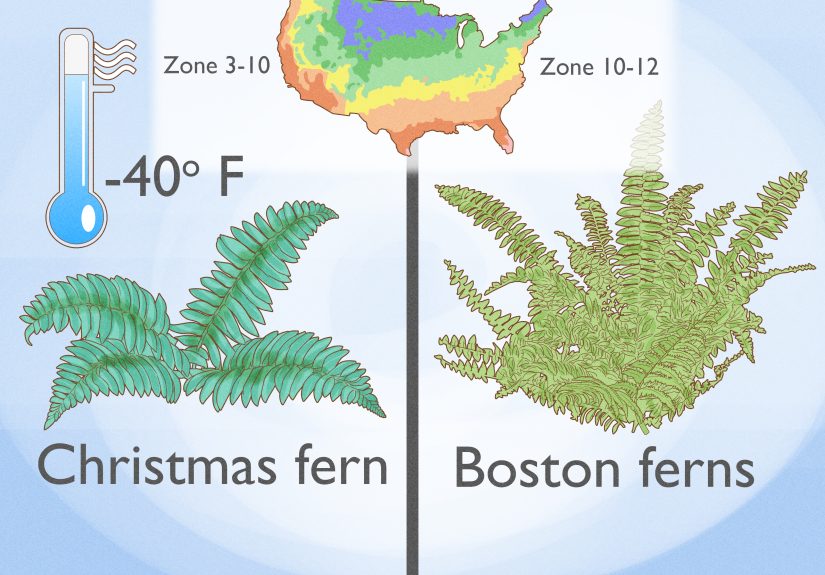
Many popular landscape ferns respond well to division, including lady fern, Japanese painted fern, autumn fern, holly fern, and various wood ferns. Some spread by rhizomes, while others form more obvious clumps. Boston ferns grown in containers can also be divided when crowded, though they often need extra humidity and careful watering during recovery.
If you are unsure about a specific species, study its root structure before cutting. A quick look at how it grows tells you far more than gardening bravado ever will.
What Success Looks Like
A successful division does not always look dramatic in week one. In fact, the most successful fern divisions are often boring at first. They simply hold on, stay green, and begin pushing fresh growth as roots re-establish. That quiet, steady recovery is exactly what you want. By the next growing stretch, the divisions should begin to look settled rather than startled.
Real-World Experiences With Dividing Ferns
The first time many gardeners divide a fern, they expect either instant triumph or immediate tragedy. The truth is usually somewhere in between. A common experience is lifting the plant and realizing the clump is much larger, denser, and more opinionated than expected. What looked delicate above ground turns out to have a root system with the structural confidence of a small ottoman. That surprise is normal.
Another common experience is discovering that the center of an older fern is far less productive than the edges. Gardeners often assume the whole plant should be saved, but once the clump is cleaned up, the most vigorous growth is usually around the outside where younger crowns or active rhizomes are located. Keeping those healthier outer pieces and discarding the exhausted center often leads to better results. It can feel ruthless, but it is actually smart gardening.
Many people also notice that freshly divided ferns look mildly unimpressed for a week or two. Fronds may droop. A few tips may brown. The plant can seem to be filing a formal complaint. Then, with steady moisture and shade, new growth starts to appear and the mood changes. That recovery phase teaches an important lesson: fern division rewards patience more than panic.
Container gardeners often report a different kind of surprise. When dividing a pot-bound fern, especially a houseplant fern, the root mass can be so tight that it feels like cutting into a loaf of very determined bread. In that case, clean cuts and prompt replanting make a big difference. Once potted into fresh mix with room to breathe, many divisions rebound better than expected.
Experienced gardeners also learn that timing really does matter. A division done on a cool spring morning tends to go far more smoothly than one done on a blazing afternoon in July when both the gardener and the fern are reconsidering all life choices. Weather, soil moisture, and preparation often matter as much as technique.
One of the nicest experiences tied to dividing ferns is how generous the process feels. You start with one mature plant and end with several. A shady corner gets filled. A tired bed looks refreshed. A friend leaves with a division wrapped in newspaper like a botanical care package. Fern division is practical, yes, but it is also one of those quiet garden tasks that makes a space feel more alive, more shared, and more personal. Not bad for a plant that reproduces without flowers and still manages to be one of the stars of the shade garden.
Conclusion
If you have been putting off dividing your ferns because it sounds complicated, here is the good news: it is mostly a matter of timing, observation, and not being too timid with the root ball. Choose a healthy mature plant, divide it according to its growth habit, replant it at the proper depth, and keep it consistently moist while it settles in. That is the core method.
Done well, fern division gives you healthier plants, more greenery for shady spaces, and a reliable propagation technique you can use again and again. It is one of the simplest ways to stretch your garden budget and improve the look of established plantings at the same time. In other words, it is a classic gardener move: slightly muddy, deeply satisfying, and absolutely worth doing.






 Close
Close