
Table of Contents >> Show >> Hide
- What Is Nilagang Baboy?
- Best Pork Cuts for Nilagang Baboy
- Ingredients for Nilagang Baboy
- How to Cook Nilagang Baboy Step by Step
- Tips for a Clear and Flavorful Broth
- Common Mistakes to Avoid
- Easy Variations of Nilagang Baboy
- What to Serve with Nilagang Baboy
- How to Store and Reheat Nilagang Baboy
- Experience Notes: What Cooking Nilagang Baboy Teaches You
- Conclusion
- SEO Tags
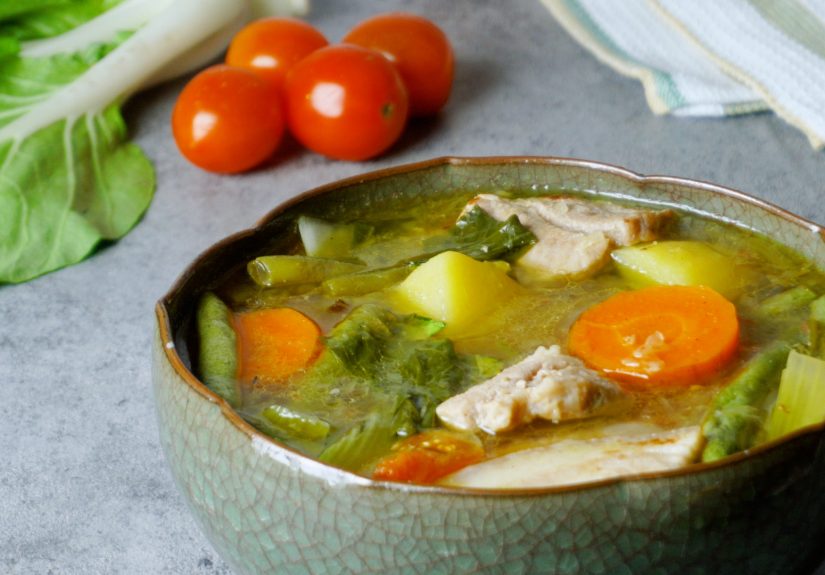
Nilagang Baboy is the kind of Filipino comfort food that does not need fireworks to win people over. It is simple, warm, generous, and deeply satisfyingthe culinary equivalent of someone handing you a blanket and saying, “Eat first, worry later.” At its heart, Nilagang Baboy is a clear pork soup made by simmering pork until tender, then adding vegetables like potatoes, cabbage, pechay, corn, green beans, or saba bananas. The broth is light but flavorful, the pork is soft enough to make your spoon feel important, and the whole dish practically begs to be served with steamed white rice.
If you are searching for how to cook Nilagang Baboy, the good news is that this dish is friendly to beginners. You do not need a complicated spice cabinet, fancy equipment, or a cooking degree from a secret lola academy. What you do need is patience. Nilagang Baboy is built on slow simmering, gentle seasoning, and knowing when to add each vegetable so the final bowl tastes balanced instead of “everything fell asleep in the pot.”
This guide walks you through the ingredients, cooking method, timing, variations, serving ideas, storage tips, and real kitchen experience behind making a delicious pot of Filipino pork nilaga. By the end, you will know how to make a clear, savory broth, tender pork, and vegetables that still look alive when they reach the bowl.
What Is Nilagang Baboy?
Nilagang Baboy, also called Pork Nilaga, is a traditional Filipino boiled pork soup. The word “nilaga” comes from the idea of boiling or simmering, which explains the dish’s straightforward cooking style. “Baboy” means pork, so the name is refreshingly honest: boiled pork. No mystery, no dramatic branding, no tiny foam dots on the plate.
But “boiled pork” does not fully capture how comforting this dish can be. A good Nilagang Baboy has a clear broth flavored by pork, onion, whole peppercorns, fish sauce, and vegetables. The meat becomes tender through slow cooking, while vegetables add sweetness, body, and color. It is commonly served as a main dish with rice, often with extra fish sauce, calamansi, or chili on the side.
Compared with sinigang, which is sour and punchy, Nilagang Baboy is gentler. Compared with adobo, it is lighter. Compared with lechon, it will not require a family committee, a giant pig, and three uncles arguing about charcoal. Nilagang Baboy is everyday foodhumble, practical, and deeply loved because it tastes like home.
Best Pork Cuts for Nilagang Baboy
The pork cut you choose affects the broth, texture, and richness of the soup. The most popular options are pork ribs, pork belly, pork shoulder, and pork hock. Each one brings something different to the pot.
Pork Ribs
Pork ribs are one of the best choices for Nilagang Baboy because the bones help build a naturally flavorful broth. They also create a satisfying eating experience, especially if you enjoy meat that clings to the bone and becomes tender after simmering.
Pork Belly
Pork belly gives the soup a richer, silkier mouthfeel because of its fat content. It is delicious, but it can make the broth oilier. If you use pork belly, skim the surface while simmering or chill leftovers and remove the solidified fat before reheating.
Pork Shoulder or Pork Butt
Pork shoulder is a great middle-ground option. It has enough fat and connective tissue to become tender and flavorful, but it is usually less fatty than pork belly. It is also easy to find in many U.S. grocery stores.
Pork Hock
Pork hock creates a deeper, more gelatinous broth and a very hearty version of the dish. It usually needs a longer cooking time, so it is best for slow weekend meals when nobody is in a rush and the kitchen already smells like victory.
Ingredients for Nilagang Baboy
This recipe makes about 5 to 6 servings. You can adjust the vegetables based on what you have, because Nilagang Baboy is flexible. It is not the kind of dish that panics if you swap cabbage for bok choy.
Main Ingredients
- 2 to 2 1/2 pounds pork ribs, pork belly, pork shoulder, or a mix
- 10 cups water, plus more as needed
- 1 large yellow onion, quartered
- 1 tablespoon whole black peppercorns
- 2 to 3 tablespoons fish sauce, plus more to taste
- 1 1/2 teaspoons salt, or to taste
- 3 medium potatoes, peeled and quartered
- 2 ears corn, cut into smaller pieces
- 2 cups cabbage wedges
- 2 cups pechay, baby bok choy, or Napa cabbage
- 1 cup green beans or long beans, trimmed
- 2 saba bananas, sliced into chunks, optional
- Green onions, optional for garnish
Optional Flavor Boosters
- 2 cloves garlic, lightly crushed
- 1 small piece ginger, especially if you want a brighter broth
- 1 pork bouillon cube, if you want a stronger commercial-style broth
- Calamansi or lemon wedges for serving
- Bird’s eye chili or sliced fresh chili for dipping sauce
Fish sauce is important because it adds saltiness and umami. However, it can be quite salty, so add it gradually. The best strategy is simple: season, taste, adjust, and do not let the fish sauce bottle make all your decisions.
How to Cook Nilagang Baboy Step by Step
Step 1: Rinse and Prepare the Pork
Cut the pork into serving-size pieces if it is not already prepared. Rinse briefly under cool running water and pat dry. If you want a clearer broth, you can parboil the pork first. Place the pork in a pot, cover with water, bring to a boil for 5 to 7 minutes, then drain and rinse the pork. Wash the pot before continuing.
This extra step is optional, but it helps remove impurities that can cloud the broth. If you are cooking on a busy weeknight, you can skip it and simply skim the broth well during simmering.
Step 2: Start the Broth
Place the cleaned pork in a large pot. Add 10 cups of fresh water, the quartered onion, whole peppercorns, and garlic if using. Bring the pot to a boil over medium-high heat.
Once the water boils, reduce the heat to low or medium-low. The broth should gently simmer, not aggressively bubble like it is auditioning for a volcano documentary. A gentle simmer keeps the pork tender and helps maintain a clear broth.
Step 3: Skim the Broth
As the pork simmers, foam and scum may rise to the surface. Skim this off with a spoon or fine-mesh skimmer. This step improves the appearance and taste of the soup. It also makes the broth cleaner and more elegant, even though the dish itself remains wonderfully homey.
Step 4: Simmer Until the Pork Is Tender
Cover the pot partially and simmer for 60 to 90 minutes, depending on the cut of pork. Pork ribs may become tender in about an hour, while pork shoulder or hock may need longer. Add more water if the broth reduces too much.
The pork is ready when it can be pierced easily with a fork. For slow-cooked cuts like ribs or shoulder, tenderness matters more than the clock. Food safety is important, but with Nilagang Baboy, the pork usually cooks far beyond the minimum safe temperature because it simmers until soft.
Step 5: Add the Firm Vegetables
Add the corn and saba bananas first, if using. Simmer for about 8 to 10 minutes. Then add the potatoes and cook for another 10 to 12 minutes, or until they are tender but not falling apart.
The order matters. Corn and saba need more time. Potatoes need moderate time. Leafy vegetables need only a few minutes. If you throw everything into the pot at once, the cabbage may become tired, limp, and emotionally unavailable.
Step 6: Season the Soup
Add fish sauce and salt gradually. Stir, taste, and adjust. The broth should be savory but not harsh. Remember that Nilagang Baboy is usually served with rice, so the soup can be slightly more seasoned than something eaten alone.
If you are using a bouillon cube, reduce the added salt and fish sauce at first. Bouillon already contains sodium, and nobody wants a comforting soup that tastes like it has been personally sponsored by the ocean.
Step 7: Add the Leafy Vegetables
Add cabbage, pechay, baby bok choy, or Napa cabbage during the final 3 to 5 minutes of cooking. Push the thicker stems into the broth first, then let the leaves wilt gently. Add green beans or long beans at this stage too, cooking just until crisp-tender.
Turn off the heat once the vegetables are bright and tender. The residual heat will continue cooking them slightly, so it is better to stop early than to boil them into sadness.
Step 8: Serve Hot
Ladle the pork, vegetables, and broth into bowls. Serve with steamed white rice and a small dipping sauce made with fish sauce, calamansi or lemon juice, and chopped chili. Some families like the dipping sauce salty and spicy; others prefer it mild. Both are correct, because the best condiment is the one that makes you reach for another spoonful.
Tips for a Clear and Flavorful Broth
A beautiful Nilagang Baboy broth should be clear, savory, and lightly rich. It does not need to look like consommé from a fancy restaurant, but it should not be murky if you can help it.
Use a Gentle Simmer
Rapid boiling breaks up proteins and fat, making the broth cloudy. After the first boil, reduce the heat and let the pork cook slowly. A calm pot makes a calmer broth.
Skim Early and Often
The first 20 to 30 minutes are when most foam appears. Skim during this stage, and your final soup will look cleaner.
Do Not Overload the Pot
Too much meat or too many vegetables can crowd the pot and make cooking uneven. Use a large pot so the ingredients have room to simmer properly.
Season Near the End
If you add too much salt early, the broth can become too salty as it reduces. Add some seasoning during cooking, but save final adjustments for the end.
Common Mistakes to Avoid
Boiling the Pork Too Hard
A hard boil can toughen the meat and cloud the broth. Keep the heat low once the soup starts simmering.
Adding Vegetables Too Early
Potatoes, corn, cabbage, and pechay do not cook at the same speed. Add them in stages so each vegetable keeps its best texture.
Using Too Much Fish Sauce at Once
Fish sauce is powerful. Add it slowly and taste as you go. You can always add more, but you cannot politely ask it to leave.
Not Cooking the Pork Long Enough
Nilagang Baboy should have tender pork. If the meat is chewy, keep simmering. Add more water if needed and give the pork time to relax.
Easy Variations of Nilagang Baboy
Nilagang Baboy with Kalabasa
Kalabasa, or squash, adds gentle sweetness and a golden color to the soup. Add it after the corn and before the leafy greens. Do not overcook it, or it may dissolve into the broth.
Nilagang Baboy with Saba Banana
Saba banana is a classic addition in many Filipino nilaga recipes. It adds a mild sweetness and starchy texture that pairs beautifully with salty broth and tender pork.
Nilagang Baboy with Pork Belly
For a richer version, use pork belly. Skim the broth well and balance the richness with cabbage, pechay, and a squeeze of calamansi at the table.
Nilagang Baboy with Pork Ribs
Pork ribs create a more flavorful broth because of the bones. This version is hearty, rustic, and especially good when served with a spicy fish sauce dip.
What to Serve with Nilagang Baboy
The classic partner is steamed white rice. The rice absorbs the broth and balances the salty dipping sauce. You can also serve Nilagang Baboy with garlic fried rice if you want a more filling meal, though plain rice keeps the dish traditional and clean-tasting.
For condiments, prepare fish sauce with calamansi or lemon juice. Add sliced chili if you enjoy heat. A small dish of soy sauce can also work, but fish sauce is the more traditional choice for many Filipino tables.
How to Store and Reheat Nilagang Baboy
Let the soup cool slightly, then store it in shallow airtight containers. Refrigerate leftovers within two hours. Nilagang Baboy generally keeps well for 3 to 4 days in the refrigerator. For longer storage, freeze the broth and pork separately from delicate leafy vegetables if possible.
When reheating, bring the soup back to a full simmer and make sure leftovers are heated thoroughly. If the soup has thickened in the refrigerator, add a little water and adjust the seasoning after reheating. Leafy vegetables may soften after storage, so some cooks add fresh pechay or cabbage when reheating to bring the soup back to life.
Experience Notes: What Cooking Nilagang Baboy Teaches You
Cooking Nilagang Baboy teaches one of the most valuable lessons in home cooking: simple food is only simple when you respect the details. On paper, this dish looks almost too easy. Pork, water, onion, peppercorns, vegetables, fish saucedone. But once the pot is on the stove, you realize that the magic is in timing, heat control, and restraint.
The first experience many cooks have with Nilagang Baboy is learning patience. You may want to rush the pork, especially when the kitchen starts smelling good after 30 minutes. But pork ribs, shoulder, belly, and hock all need time to become tender. If you taste too early, the broth may seem plain and the meat may feel tough. Then, almost suddenly, the dish changes. The broth becomes rounder, the pork softens, and the onion seems to disappear into the background like it was only there to support everyone else’s career.
Another experience is learning how much vegetables matter. In some soups, vegetables feel like decoration. In Nilagang Baboy, they are part of the structure. Corn adds sweetness. Potatoes make the bowl more filling. Cabbage gives the broth a mild sweetness and soft texture. Pechay or bok choy adds freshness. Saba banana, if used, brings a comforting starchy sweetness that surprises people who did not grow up eating fruit in savory soup. The vegetables are not just “extras.” They help define the personality of the dish.
Cooking this soup also teaches seasoning confidence. Fish sauce can be intimidating if you are not used to it. It smells strong from the bottle, but once it blends into the broth, it becomes savory, deep, and beautifully balanced. The trick is not to dump it in all at once. Add a spoonful, stir, taste, and wait a moment. Seasoning soup is like adjusting music volume: too low and nobody feels it; too high and everyone leaves the room.
One practical experience is discovering that Nilagang Baboy is forgiving. If you do not have pechay, use baby bok choy or Napa cabbage. If you do not have saba, skip it. If potatoes are missing, sweet potatoes or squash can work. If the broth gets too salty, add water and more vegetables. If the pork is not tender yet, simmer longer. The dish does not punish you for adapting. It simply asks that you keep the broth clean, the pork tender, and the vegetables properly timed.
Nilagang Baboy is also a great dish for feeding different kinds of eaters at one table. Someone can focus on the pork and rice. Someone else can load up on vegetables. A chili lover can make a fiery dipping sauce. A mild eater can enjoy the broth as is. This makes the dish especially useful for family meals, rainy days, casual gatherings, and meal prep. It stretches well, reheats nicely, and somehow tastes even more comforting the next day.
The most memorable thing about cooking Nilagang Baboy is how it fills the kitchen without demanding attention. It simmers quietly. It smells familiar even if you did not grow up with it. It turns inexpensive ingredients into something generous. And when you finally sit down with a bowl of hot broth, tender pork, soft potatoes, green vegetables, and rice, the dish reminds you that comfort food does not need to be complicated. Sometimes it just needs a pot, a little patience, and enough broth to make everyone at the table go quiet for the first few spoonfuls.
Conclusion
Learning how to cook Nilagang Baboy is really learning how to build comfort in a pot. The dish is simple, but it rewards careful simmering, thoughtful seasoning, and good timing. Choose pork ribs for a bone-rich broth, pork belly for extra richness, or pork shoulder for a balanced everyday version. Keep the broth at a gentle simmer, skim when needed, add vegetables in stages, and season gradually with fish sauce and salt.
Serve it hot with steamed rice and a small bowl of fish sauce with calamansi and chili. That final dipping sauce turns every bite into something brighter and more personal. Whether you are cooking for a family dinner, a cold evening, or a weekend meal that makes the house smell like someone knows what they are doing, Nilagang Baboy is a dependable classic. It is humble, hearty, flexible, and deliciousthe kind of recipe worth keeping in your regular rotation.
Note: This article is written in original, publication-ready American English and is based on established Filipino cooking methods, common Nilagang Baboy recipe patterns, and practical U.S. food-safety guidance. No source links or citation placeholders are included inside the article body so the HTML can be copied cleanly for web publishing.







 Close
Close