
Table of Contents >> Show >> Hide
- Why Cockapoo Ears Need Extra TLC
- Before You Start: What You’ll Need
- When Not to Clean at Home
- How to Clean Cockapoo Ears: 10 Steps
- Step 1: Pick the Right Time (and Place)
- Step 2: Set Up Your Supplies Like a Pro
- Step 3: Make It a Positive Ritual
- Step 4: Inspect First (Look + Sniff Test)
- Step 5: Warm the Bottle (Optional, but Nice)
- Step 6: Apply Cleaner Safely
- Step 7: Massage the Base of the Ear (20–30 Seconds)
- Step 8: Let the Head Shake Happen
- Step 9: Wipe Only What You Can See
- Step 10: Reward, Repeat on the Other Side, and Keep Notes
- How Often Should You Clean a Cockapoo’s Ears?
- Troubleshooting: What the “Ear Gunk” Might Be Telling You
- Preventing Ear Problems in Cockapoos (Without Becoming a Full-Time Ear Manager)
- FAQ
- Real-World Experiences: What Cockapoo Parents Often Run Into (and How to Handle It)
- Conclusion
Cockapoos are living, breathing bundles of joypart Cocker Spaniel sweetness, part Poodle brilliance, and 100% convinced
your couch is their personal throne. Their ears, though? Their ears are basically tiny, floppy “humidity domes.”
Which means they can trap wax, moisture, and debris like a little souvenir shop you never asked for.
The good news: learning how to clean Cockapoo ears is simple, safe, and wildly satisfying
(in the same way it’s satisfying to peel a protective film off a new phone). The better news:
doing it right can help reduce funky odor and lower the odds of painful ear problems.
Quick note before we dive in: this guide is for routine cleaning and maintenance. If your Cockapoo’s ears look angry,
smell like a locker room, or your pup is yelping, head-shaking nonstop, or tilting their head like they’re
trying to tune in a radio stationcall your vet.
Why Cockapoo Ears Need Extra TLC
Many Cockapoos have floppy ears plus hair growth around (and sometimes inside) the ear opening. Less airflow +
more warmth + more moisture = a cozy hangout spot for yeast and bacteria. Add swimming, baths, allergies, or
seasonal gunk, and you’ve got a recipe for irritation and ear infections (also known as “why is my dog suddenly
scratching like they owe money?”).
Routine dog ear cleaning helps you remove excess wax and debris andjust as importantnotice problems early.
Think of it as a weekly “ear wellness check” rather than a deep-cleaning mission.
Before You Start: What You’ll Need
- Veterinarian-approved dog ear cleaning solution (not hydrogen peroxide, not rubbing alcohol)
- Cotton balls or gauze squares (soft, absorbent, non-scratchy)
- A towel you don’t mind becoming “modern art”
- Treats (high-value if your Cockapoo is a tiny negotiator)
- Optional: disposable gloves and a second person for moral support
Skip cotton swabs/Q-tips. They can push debris deeper into the ear canal and risk injury. Your goal is
“clean what you can see,” not “explore uncharted territory.”
When Not to Clean at Home
Don’t do a DIY ear-cleaning session if you notice:
- Intense redness, swelling, or heat
- Bleeding, open sores, or a lot of dark discharge
- Strong foul odor (worse than “normal dog”)
- Significant pain when you touch the ear
- Head tilt, loss of balance, or sudden hearing changes
These can be signs of infection, inflammation, or (rarely) a ruptured eardrumsituations where cleaning can hurt and
treatment should be guided by a veterinarian.
How to Clean Cockapoo Ears: 10 Steps
The vibe you’re going for: calm, quick, confident. If you act like you’re defusing a bomb, your Cockapoo will
absolutely read the room and decide this is, indeed, a bomb.
Step 1: Pick the Right Time (and Place)
Choose a spot that’s easy to wipe down: bathroom, laundry room, or outside. Pick a moment when your dog is already
relaxedafter a walk, after playtime, or during the evening “I have become one with the sofa” phase.
Step 2: Set Up Your Supplies Like a Pro
Put everything within arm’s reach: cleaner open, cotton balls ready, towel laid out, treats accessible.
Once you start, you don’t want to leave your dog mid-session to hunt for gauze like you’re on a scavenger hunt.
Step 3: Make It a Positive Ritual
Give a treat before you do anything. Then gently touch the ear, treat again. This isn’t briberyit’s behavior science.
You’re teaching your Cockapoo: “Ear time predicts snacks,” which is an excellent life lesson.
Step 4: Inspect First (Look + Sniff Test)
Lift the ear flap and look for mild wax versus angry redness, swelling, or heavy discharge. Then do a quick sniff.
Healthy ears usually smell like… nothing much. A strong yeasty, sour, or rotten smell can signal trouble.
Step 5: Warm the Bottle (Optional, but Nice)
Cold ear cleaner can feel startling. If your dog is sensitive, hold the bottle in your hand for a minute to bring it
closer to room temperature. Comfort mattersespecially for a dog who thinks a slightly chilly floor is a human rights violation.
Step 6: Apply Cleaner Safely
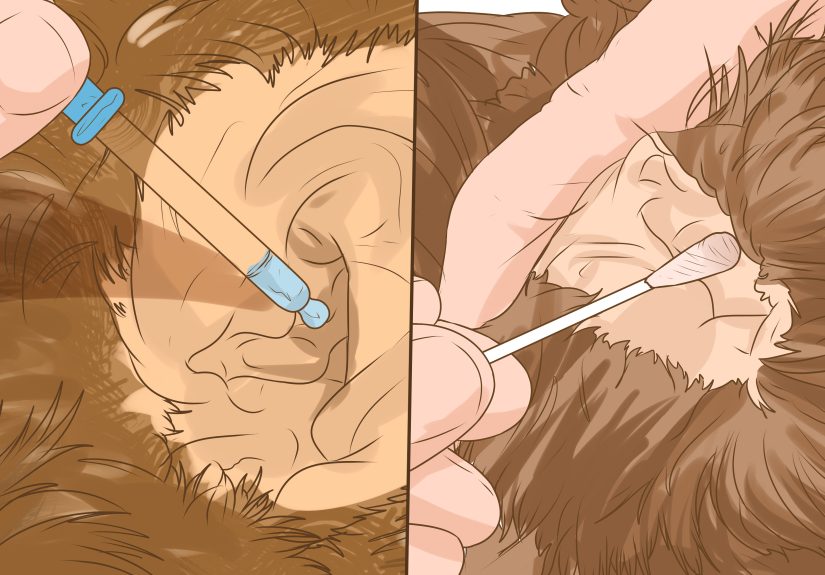
Hold the ear flap up to straighten the canal as much as possible. Then either:
-
Pour method: Gently squeeze cleaner into the ear canal until you have a good amount in there.
Don’t jam the nozzle into the ear. -
No-pour method (for nervous dogs): Soak a cotton ball with cleaner, place it at the ear opening,
and let it release solution more slowly.
Aim for “enough to work,” not “we’re filling a swimming pool.”
Step 7: Massage the Base of the Ear (20–30 Seconds)
With the ear flap still lifted, gently massage the base of the ear. You may hear a squishy “sloshing” soundgross,
but helpful. This loosens wax and debris so it can come out more easily.
Step 8: Let the Head Shake Happen
Step back and let your Cockapoo shake their head. This is not chaosit’s physics doing you a favor. The shake helps
fling loosened debris outward. It also helps explain why you put the towel down.
Step 9: Wipe Only What You Can See
Use cotton balls or gauze to wipe the inside of the ear flap and the visible opening of the ear canal.
Go gently and avoid pushing anything down into the canal. If the cotton comes away very dirty, use a fresh one and
keep wiping visible areas until it looks reasonably clean.
Step 10: Reward, Repeat on the Other Side, and Keep Notes
Treat your dog like they just completed a heroic quest (because in their mind, they did). Then repeat on the other ear.
If your Cockapoo gets frequent buildup, consider keeping a simple note on your phone:
“Cleaned earsnormal wax” vs. “More debris than usual” helps you spot patterns tied to allergies, swimming, or seasons.
Pro tip: If your dog uses prescription ear meds, many veterinarians recommend cleaning first and then
waiting a few minutes before applying medicationso the meds don’t get diluted by leftover cleaner.
Always follow your vet’s specific instructions.
How Often Should You Clean a Cockapoo’s Ears?
There’s no single magic schedule because Cockapoos vary: coat type, ear hair, allergy history, swimming habits, and wax production
all matter. A common maintenance range for dogs with floppy or hair-prone ears is every 1–2 weeks.
For dogs with healthy, low-wax ears, you may only need cleaning when you notice dirt, mild odor, or visible buildup.
If your Cockapoo swims or gets frequent baths, check the ears afterward and gently dry the ear flap and surrounding fur.
Moisture management is a big deal for ear infection prevention.
Troubleshooting: What the “Ear Gunk” Might Be Telling You
You don’t need to become an ear detective with a magnifying glass, but patterns can be helpful.
Here’s a practical way to think about what you see (without playing veterinarian at home).
- Light brown wax, mild smell: often normal. Maintain routine checks.
- Dark, crumbly debris with itchiness: could be yeast-related or irritation; watch closely and call your vet if it persists.
- Yellow/green discharge, strong odor, redness: more consistent with infectionvet time.
- Black “coffee grounds” + intense scratching: could be ear mites (more common in some environments); needs veterinary confirmation and treatment.
Bottom line: if cleaning doesn’t improve things quicklyor your dog seems uncomfortableget professional guidance.
Preventing Ear Problems in Cockapoos (Without Becoming a Full-Time Ear Manager)
Keep ears dry
After bathing or swimming, gently dry the ear flap and surrounding fur. If your vet recommends a drying rinse for swimmer-prone dogs,
use it as directedoverusing products can irritate sensitive skin.
Groom strategically
Many Cockapoos grow hair around the ear opening that can trap moisture. Regular grooming helps. If ear hair inside the canal is a concern,
ask your vet or groomer for advice. Don’t start plucking or trimming deep inside the ear canal at home unless you’ve been shown exactly what to do safely.
Manage allergies
Allergies (environmental or food-related) can inflame the ear canal and set the stage for recurring ear infections.
If your Cockapoo has frequent ear issues plus paw-licking, face-rubbing, or skin flare-ups, talk to your vet about an allergy plan.
Do quick weekly checks
A 10-second peek and sniff once a week can catch problems earlybefore your dog’s ear becomes the headline news of your entire household.
FAQ
Can I use Q-tips to clean my Cockapoo’s ears?
It’s not recommended. Cotton swabs can push debris deeper and can injure the ear canal or eardrum. Stick with cotton balls or gauze and clean only visible areas.
Can I make homemade dog ear cleaner?
Some DIY recipes float around the internet, but ear tissue is sensitive and mistakes can cause irritation.
A vet-approved ear cleaning solution for dogs is the safer choiceespecially for Cockapoos prone to inflammation.
My dog hates ear cleaning. What now?
Go slower. Practice touching ears briefly, reward, stop. Build tolerance over days. Use the no-pour method with a soaked cotton ball.
And remember: short sessions beat wrestling matches. If your dog is truly panicked or painful, ask your vet for help.
Can I clean too often?
Yes. Overcleaning can irritate the ear canal and may increase inflammation. Clean as needed and follow your vet’s recommendation if your dog has recurring issues.
Real-World Experiences: What Cockapoo Parents Often Run Into (and How to Handle It)
In real homes (not perfectly lit grooming salons), ear cleaning rarely goes exactly like the instructions on a bottle.
Here are common scenarios Cockapoo owners reportand practical ways to keep everyone sane.
1) “My Cockapoo turns into a slippery noodle.”
This is the classic maneuver: the moment the ear cleaner appears, your dog’s skeleton politely exits their body.
The fix is not stronger gripit’s better setup. Try cleaning after exercise, on a non-slip mat, with your dog facing away from you.
Some people find it easiest to have their Cockapoo sit between their knees, so the dog feels contained without being pinned.
Keep sessions short, and end on a success (even if that success is “we cleaned one ear and everybody lived”).
2) “The head shake redecorated my bathroom.”
If you’ve never worn dog ear cleaner as a facial mist, are you even a pet parent? Put a towel under your dog and keep tissues nearby.
Some owners do the “shake zone” outdoors or in a shower stall. The shake is useful, so don’t try to stop itjust plan for it
like you’re hosting a tiny, enthusiastic sprinkler.
3) “There’s always more gunk than I expect.”
Cockapoos can produce waxy buildup fast, especially during allergy season or humid weather. If you’re wiping and wiping and the cotton
is still filthy, pause and reassess. Routine cleaning shouldn’t take forever. If the debris is heavy, the smell is strong, or the ear looks red,
it’s time to ask your veterinarian whether there’s yeast, bacteria, or inflammation that needs treatmentnot just cleaning.
Cleaning is maintenance; it’s not a cure-all.
4) “My dog is okay until the liquid goes in.”
Sensation and sound can spook dogs. Switch to the no-pour method: soak a cotton ball with cleaner, place it at the ear opening,
then massage. It’s gentler and quieter. You can also warm the bottle in your hands. Pair each mini-step with a treat:
show bottle = treat, touch ear = treat, cotton ball = treat. You’re basically teaching your Cockapoo a very specific, very adorable curriculum.
5) “Ear hair is confusingtrim, pluck, or ignore?”
Many Cockapoos have hair growth around the ear opening that can hold moisture. Owners often find that keeping the outer ear area neatly groomed helps.
But hair deeper in the canal is trickier: aggressive plucking can irritate skin, and irritation can invite problems.
If you suspect ear hair is contributing to recurring issues, the safest move is to ask your vet or a skilled groomer for a plan tailored to your dog.
Sometimes it’s gentle trimming around the entrance, sometimes it’s managing allergies, and sometimes it’s changing how ears get dried after baths.
6) “We finally got a routineand it changed everything.”
The biggest “aha” most Cockapoo owners share is that consistency beats intensity. A calm weekly check, a quick clean when needed,
and solid drying habits after water play often prevent the dramatic, middle-of-the-night “why is my dog crying?” moments.
Add rewards, keep it low-stress, and your Cockapoo may go from suspicious to mildly offended to totally finelike a tiny celebrity
tolerating makeup before a photoshoot.
Conclusion
Cleaning your Cockapoo’s ears isn’t about perfectionit’s about comfort, prevention, and catching issues early. Keep it gentle,
avoid poking deep, use a vet-approved solution, and let the legendary head shake do part of the work. If anything looks painful,
smells strongly foul, or keeps coming back, loop in your veterinarian. Your Cockapoo will thank you… probably not with words,
but with fewer itchy ear meltdowns and more time for important activities like napping and judging squirrels.





 Close
Close