
Table of Contents >> Show >> Hide
- What You’ll Learn
- Supplies You Actually Need
- Safety + Quick Pre-Check
- The Easy Weekly Clean (10–15 Minutes)
- Deep Clean & Descale With Vinegar (The Hard-Water Fix)
- When and How to Disinfect Safely
- How to Clean Key Levoit Parts (Without Breaking Anything)
- How Often Should You Clean a Levoit Humidifier?
- How to Keep Your Levoit Cleaner Longer (Less Scrubbing, More Breathing)
- Troubleshooting: Common Problems After (or Because of) Cleaning
- Seasonal Storage (So It Doesn’t Smell Like a Swamp Next Winter)
- Real-World Experiences: What People Notice (and What Actually Helps)
- 1) “I cleaned it last month. Why is it crusty again?”
- 2) “The humidifier smells… not exactly awful, but not great.”
- 3) “I used tap water and now there’s white dust everywhere.”
- 4) “I’m busy. What’s the bare-minimum habit that makes the biggest difference?”
- 5) “I tried to ‘super clean’ it and accidentally made it worse.”
- 6) “The app says humidity is fine, but the windows are sweating.”
- Conclusion
Your Levoit humidifier is basically a tiny indoor weather machine. And like any machine that holds warm-ish water,
it can turn into a science fair project (mineral scale! slimy film! mysterious smells!) if you don’t clean it.
The good news: cleaning a Levoit humidifier isn’t hard, doesn’t require a chemistry degree, and absolutely does not
require that “one weird hack” that ends with you coughing in the driveway.
This guide walks you through a simple weekly clean, a deeper vinegar descale (the real MVP for hard-water buildup),
and safe disinfecting options when things get funky. These steps work for most Levoit cool mist/ultrasonic models
(including many top-fill and smart units). When your model’s manual says something different, always let the manual win.
Supplies You Actually Need
Keep it simple. Your humidifier likes gentle cleaning tools and thorough rinsing.
- Distilled white vinegar (for dissolving mineral scale)
- Clean, soft cloths or paper towels
- Soft brush (a small bottle brush or the included Levoit cleaning brush, if your model has one)
- Clean water (ideally distilled for refilling)
- Optional: 3% hydrogen peroxide or diluted bleach solution (only for disinfecting when needed)
- Optional: cotton swabs for tight corners
What to Avoid (Because Regret Is Not a Cleaning Method)
- Do not submerge the base. It contains electronics. Electronics hate baths.
- Avoid harsh scrubbers (steel wool, abrasive pads) that scratch plastic and invite gunk to cling.
- Skip detergents unless your specific manual allows them. Many Levoit ultrasonic manuals warn against detergents for cleaning.
- Never mix chemicals (especially bleach with vinegar or ammonia). This is how “cleaning” becomes “call for help.”
Safety + Quick Pre-Check
- Unplug the humidifier. Always. Cleaning + electricity is a villain origin story.
- Find your model name. It’s usually on the bottom label or in the app/manual. If your unit has special parts
(filter, demineralization cartridge, warm-mist heating element), follow those model-specific instructions. - Empty the water. Pour out water from the tank and the base reservoir (if your model has a base chamber).
- Work on a water-resistant surface (kitchen counter, sink area, towel down a table).
The Easy Weekly Clean (10–15 Minutes)
Think of this as brushing your teeth. It’s not glamorous, but it prevents “surprises.”
Many manufacturers recommend frequent cleaning to reduce mineral buildup and microbial growth.
Step 1: Disassemble the basics
- Remove the tank.
- Take off the nozzle/nozzle cover (if your model has it) and rinse it.
- Remove any small removable parts you can access easily (tank cap, noise silencer, float coverdepends on model).
Step 2: Rinse and wipe
- Rinse the tank with room-temperature water.
- Rinse the base reservoir/chamber (do not immerse the basejust rinse the water-holding area carefully).
- Wipe interior surfaces with a soft cloth to remove slime, film, or visible residue.
Step 3: Clean the “mist path”
- Wipe the nozzle and surrounding areas where mist exits.
- If the nozzle has a tight curve, use a soft brush or swab gently.
Step 4: Dry thoroughly
Drying matters. Moisture left behind invites growth, and “mystery smells” often start with water that never got a chance to fully dry.
Use a clean cloth and let parts air-dry before reassembling.
Deep Clean & Descale With Vinegar (The Hard-Water Fix)
If you see white crusty buildup (scale), reduced mist output, or gritty residue, you need a vinegar descale.
Vinegar’s mild acidity helps dissolve mineral deposits without wrecking plastics when used properly.
Levoit-style vinegar soak (common on many ultrasonic models)
In several Levoit ultrasonic manuals, the descale method looks like this: add about 3 cups (710 mL) of distilled white vinegar
to the tank, swish, then place the tank on the base so vinegar drains into the base chamber and soak for 15–20 minutes.
Smaller models may need lessyour goal is enough vinegar contact time to loosen scale.
- Add vinegar to the tank. Pour in vinegar (straight vinegar is common for descaling in manuals).
- Swish gently. Put the cap on and swirl the vinegar around the tank walls.
- Soak the base chamber. Place the tank on the base and let it sit 15–20 minutes so vinegar can reach the reservoir and transducer area.
- Soak removable small parts. Put the tank cap, noise silencer, and similar removable pieces into a small container of vinegar for 15–20 minutes.
- Brush gently. Use a soft brush (or the included Levoit brush) to remove loosened scale from the tank, base chamber surfaces, and hard-to-reach corners.
- Rinse until the vinegar smell is gone. This is not the time for “eh, close enough.” Rinse well.
- Dry completely. Cloth-dry and air-dry before reassembly.
Descale “hot spots” to pay attention to
- Transducer plate (the small disk/area that vibrates to make mist): scale here can reduce output.
- Float and float housing: buildup can confuse water-level sensing.
- Mist tube/noise silencer (if present): scale here can create rattles, blockage, or odd performance.
When and How to Disinfect Safely
Vinegar is great for mineral scale and light grime. But if you see visible mold, slimy growth that keeps returning,
or the humidifier has been sitting with water for days, you may want a disinfecting step.
Important: always check your model’s manual first, and never mix disinfectants with vinegar.
Option A: 3% hydrogen peroxide (often suggested for humidifier cleaning)
- After your rinse/clean, add a small amount of 3% hydrogen peroxide to the tank (enough to coat surfaces).
- Let it sit briefly (follow product guidance and your manual if it specifies a time).
- Rinse thoroughly and dry completely.
Option B: Diluted bleach solution (use carefully, rinse obsessively)
If you choose bleach, use a properly diluted solution and ventilate the area. Do not use hot water with bleach.
After disinfecting, rinse until there’s no bleach smell leftbecause anything left behind can become airborne.
- Prepare a diluted bleach solution in room-temperature water (follow official dilution guidance).
- Use it to wet-contact the tank surfaces (do not soak electronic base components).
- Wait the recommended time for disinfection.
- Rinse thoroughly multiple times and allow to air-dry.
Safety reminder: never combine bleach with vinegar (or other cleaners). Rinse between steps if you’re switching products.
How to Clean Key Levoit Parts (Without Breaking Anything)
Transducer (the “mist maker”)
The transducer is delicate. Treat it like a phone screen, not a cast-iron skillet.
After the vinegar soak, wipe gently with a soft cloth or use the included brush lightly if your manual shows it.
Avoid scraping with hard tools.
Float and float housing (water level sensor area)
If your Levoit has a float, make sure it moves freely and isn’t stuck with scale.
Vinegar soaking usually loosens deposits. Rinse well so the float isn’t left smelling like salad dressing.
Nozzle/nozzle cover
This is a common “gunk trap” because mist condenses here. Rinse it weekly, and wipe it when you notice residue.
Noise silencer or mist tube (if your model has one)
Some Levoit models include a removable noise silencer near the tank cap area.
Many manuals advise soaking it in vinegar during descaling. Rinse well and let it dry fully before reinstalling.
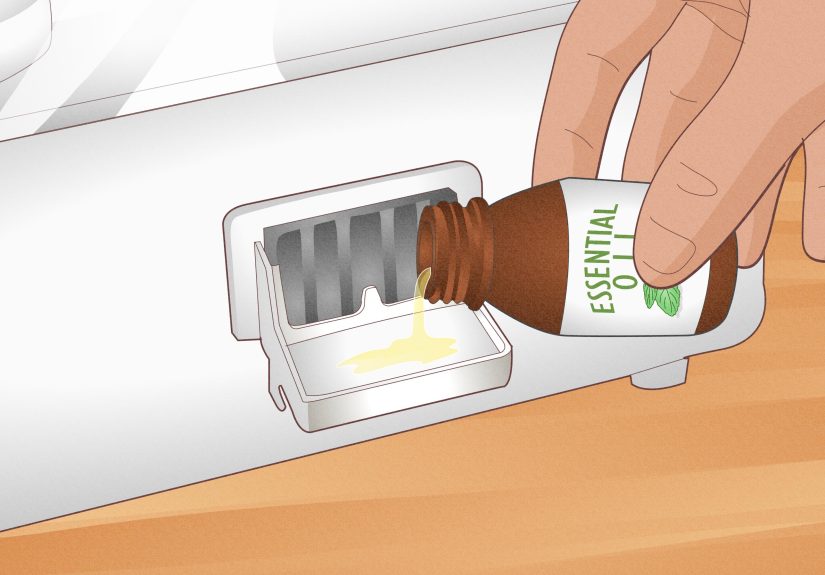
Aroma pad (if your model supports aromatherapy)
If your Levoit has an aroma box/pad: keep oils out of the water tank. Clean the aroma pad separately by rinsing it under warm running water,
then dry it with a clean cloth before putting it back. Also: aroma is meant to be lightyour humidifier is not trying to become a candle store.
How Often Should You Clean a Levoit Humidifier?
Different authorities and manuals give slightly different schedules, but they all agree on one thing:
don’t let water sit for long periods, and don’t “set it and forget it” for weeks.
- Daily: Empty remaining water, wipe surfaces dry, and refill with fresh water if you’re using it again.
- Every 3 days (good for heavy use): Do a more thorough clean to reduce scale and microorganism buildup.
- Weekly: Do the full clean + vinegar descale if you see mineral buildup (many Levoit manuals say clean weekly and before storage).
- Anytime it smells “off,” mist output drops, or you see residue: clean it right then, not “after one more night.”
How to Keep Your Levoit Cleaner Longer (Less Scrubbing, More Breathing)
Use better water
Distilled or low-mineral water helps reduce white dust and slows mineral scale buildup. If you use tap water in a hard-water area,
you’re basically inviting minerals to move in and redecorate your humidifier’s insides.
Keep indoor humidity in a healthy range
Many health and indoor-air sources recommend keeping indoor humidity around 30%–50%.
Too low feels like living in a saltine cracker. Too high can encourage mold and dust mites.
If your Levoit has a humidistat or app control, use it. If not, a cheap hygrometer helps.
Let it dry when it’s off
If you won’t use it for a day or more, empty it, dry it, and leave the tank open to air-dry.
Standing water is the “all-you-can-eat buffet” for microbial growth.
Don’t put extras in the tank
Many Levoit manuals warn against adding essential oils, water treatments, or third-party additives directly into the tank or base chamber.
If your model includes an aroma pad, that’s where oils belong.
Troubleshooting: Common Problems After (or Because of) Cleaning
“It smells weird.”
- Cause: old water, residue, or leftover cleaner.
- Fix: rinse until no vinegar/bleach smell remains; dry completely; refill with fresh distilled water.
- Tip: if essential oils were used on an aroma pad, rinse and fully dry the pad.
“There’s white dust on my furniture.”
- Cause: minerals from tap water aerosolized by ultrasonic humidifiers.
- Fix: switch to distilled/demineralized water; clean out scale; consider a demineralization cartridge if your model supports it.
“Mist output is weak.”
- Cause: scale on the transducer, clogged mist path, incorrect assembly, or too much water in the wrong chamber.
- Fix: do the vinegar descale; check that parts are seated correctly; ensure you filled the tank (not the base, if your model warns against it).
“It’s leaking.”
- Cause: cap not tight, gasket out of place, tank not seated on the base correctly, or overfilling.
- Fix: re-seat the sealing ring/gasket; tighten cap firmly; place tank correctly; wipe moisture on the base top.
“Condensation is forming on windows.”
- Cause: humidity is too high, or placement is too close to cold surfaces.
- Fix: lower mist level, enable auto/humidistat mode if available, and aim for 30%–50% indoor humidity.
Seasonal Storage (So It Doesn’t Smell Like a Swamp Next Winter)
- Do a full clean and vinegar descale.
- Rinse thoroughly and dry every part completely.
- Store in a cool, dry place with the tank cap off (or loosely placed) so trapped moisture can’t linger.
- When you take it back out, rinse once before first use.
Real-World Experiences: What People Notice (and What Actually Helps)
Let’s talk about the stuff that doesn’t always make it into manuals: the little patterns you notice after using a Levoit humidifier for a while.
These aren’t “scientific studies,” but they’re common, practical experiences that match what indoor-air experts and manufacturers warn about.
1) “I cleaned it last month. Why is it crusty again?”
If you live in a hard-water area, scale can build fastsometimes shockingly fast. People often expect “monthly cleaning” to be enough,
then wonder why the mist gets weaker or the base has chalky deposits. The fix is rarely complicated: switch to distilled water,
and do shorter, more frequent descaling. Instead of letting buildup become a weekend project, a 15–20 minute vinegar soak every week or two
keeps the transducer area from turning into a mineral museum. Many users say this is the single biggest “effort saver” because it prevents
the need for aggressive scrubbing (which you don’t want to do on delicate parts anyway).
2) “The humidifier smells… not exactly awful, but not great.”
That “wet towel” smell is usually old water plus leftover film. A common experience is cleaning with vinegar, then refilling too quickly
without rinsing enough. Vinegar works, but it must be rinsed until the smell is gone. Another frequent issue: people clean the tank
but forget the nozzle cover, mist tube, or small removable parts where condensation collects. Those parts can hold onto odor even when the tank looks spotless.
A quick rinse of the nozzle cover and a gentle wipe of the mist outlet area often fixes “mystery smells” without needing disinfectants.
3) “I used tap water and now there’s white dust everywhere.”
This one is almost a rite of passage for ultrasonic humidifier owners. People think the humidifier is making dust… but it’s usually the minerals
from the water becoming airborne and settling on surfaces. Parents tend to notice it first on dark furniture (or on the TV screen, because of course).
The experience-based solution is consistent: distilled water dramatically reduces the problem, and regular descaling helps keep internal buildup from shedding.
If distilled water feels like a chore, some people compromise by using distilled water most nights and tap water only occasionallythough the best results come from consistency.
4) “I’m busy. What’s the bare-minimum habit that makes the biggest difference?”
The most helpful “minimum viable routine” people stick with is this: empty the tank every morning (or when you turn it off),
wipe the base reservoir area dry, and leave the tank open to air-dry during the day. That one habit reduces the time water sits stagnant,
which is a big deal for preventing growth. Then, once a week, do the quick rinse-and-wipe clean, and add a vinegar soak when you notice scale.
People who adopt the daily empty-and-dry routine often report fewer smells, less slime, and fewer “why is my humidifier acting weird?” moments.
5) “I tried to ‘super clean’ it and accidentally made it worse.”
Over-cleaning can be a thingespecially with harsh chemicals or abrasive tools. Some users learn the hard way that strong cleaners,
detergents (if not approved), or scratchy scrubbers can cloud plastic, damage seals, or leave residues that then get aerosolized.
The sweet spot is gentle cleaning + thorough rinsing + complete drying. If disinfecting is needed, using the correct dilution and rinsing
until there’s zero chemical smell is key. And if you ever find yourself thinking, “What if I mix these two cleaners to save time?”
the answer is: absolutely not. That’s not efficiencythat’s how cleaning becomes a safety hazard.
6) “The app says humidity is fine, but the windows are sweating.”
A common experience with smart humidifiers is trusting the number without noticing where the moisture is going. Cold windows can condense moisture
even when room humidity isn’t wildly high, especially if the humidifier is close to a window or blowing mist directly at it.
People often solve this by moving the unit a few feet away from exterior walls, lowering the mist level, and aiming the nozzle so mist disperses into the room.
If you’re using a humidistat mode, giving the unit time to stabilize (instead of constantly turning it up and down) also helps.
Bottom line: a clean Levoit humidifier is quieter, smells better, outputs mist more consistently, and is less likely to spread minerals or microbes into your air.
The routine is simpleespecially once you set yourself up with the right water and a weekly cleaning habit.
Conclusion
Cleaning a Levoit humidifier doesn’t have to be a full-day event. Do the daily empty-and-refill habit, give it a quick weekly clean,
and run a vinegar descale when minerals show up. If you ever need to disinfect, do it carefully, never mix cleaners, and rinse like you mean it.
Your reward: cleaner mist, better performance, and far fewer “what is that smell?” moments.






 Close
Close