
Table of Contents >> Show >> Hide
- Can You Really Tell if Someone Has a Fever Without a Thermometer?
- 9 Telling Signs of a Fever Without a Thermometer
- 1. The Skin Feels Unusually Warm, Especially on the Chest, Back, or Forehead
- 2. Chills or Shivering Show Up Out of Nowhere
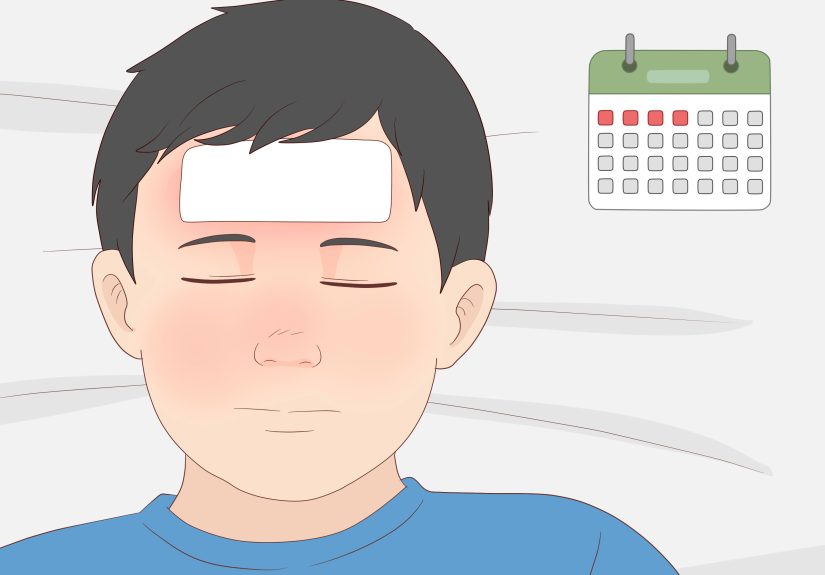
- 3. The Face Looks Flushed or the Eyes Look Glassy
- 4. Sweating Alternates With Feeling Hot and Cold
- 5. Headache and Body Aches Start Tagging Along
- 6. Fatigue, Irritability, or Behavior Changes Become Obvious
- 7. The Heart Seems to Race and Breathing May Be Faster
- 8. Thirst, Dry Mouth, and Darker Urine Suggest Dehydration
- 9. Appetite Drops and the Stomach May Feel Off
- What These Signs May Mean
- What Not to Do When You Suspect a Fever
- When to Call a Doctor or Seek Urgent Care
- How to Get a Better Answer at Home
- Real-Life Experiences: What a Fever Often Looks Like in Everyday Life
- Final Thoughts
Sometimes a fever shows up at the worst possible moment: midnight, while traveling, during a power outage, or right when your thermometer decides to retire without notice. Annoying? Absolutely. Impossible to deal with? Not quite.
If you do not have a thermometer, you can still look for several common fever signs that your body tends to wave around like little red flags. The key word here is look. You are not trying to win a guessing contest. You are trying to spot clues that suggest a fever may be present so you can decide what to do next.
Before we go any further, here is the honest truth: the most accurate way to confirm a fever is still to take a temperature with a thermometer. Feeling someone’s forehead is a screening trick, not a medical verdict. Still, when you need a quick answer and all you have is your hand, your eyes, and a bit of common sense, these signs can help.
Can You Really Tell if Someone Has a Fever Without a Thermometer?
You can suspect a fever without a thermometer, but you cannot measure it precisely that way. Many people with a fever feel hot, flushed, achy, chilled, sweaty, thirsty, or more tired than usual. Children may get clingy, cranky, glassy-eyed, or strangely quiet. Adults often say they feel like they got hit by a truck, then wrapped in a blanket, then tossed into a freezer. That hot-cold seesaw is classic fever behavior.
That said, warm skin alone does not prove a fever. A person may feel hot after exercise, crying, sleeping under heavy blankets, spending time in a warm room, or sitting in the sun. On the flip side, some people with a real fever do not feel dramatically hot at all. So think of symptom-checking as putting together a puzzle, not trusting one piece and calling it a masterpiece.
9 Telling Signs of a Fever Without a Thermometer
1. The Skin Feels Unusually Warm, Especially on the Chest, Back, or Forehead
This is the classic starting point. If someone feels warmer than usual to the touch, a fever may be present. The forehead gets all the fame, but checking the chest or upper back can sometimes be more helpful because those areas may reflect body warmth more reliably than hands or feet.
Still, do not crown your palm as a diagnostic genius. Warm skin is only a clue. It is useful as a first pass, especially in kids, but it is not enough by itself to confirm a fever.
2. Chills or Shivering Show Up Out of Nowhere
One of the strangest things about a fever is that it can make a person feel cold while their body is actually heating up. That is because the brain raises the body’s temperature set point, and the body responds by trying to generate heat. Cue the shivers, goosebumps, and the sudden desire to wrap up like a burrito.
If someone says, “I’m freezing,” while also seeming warm to the touch, pay attention. Chills and shaking can be strong signs that a fever is building.
3. The Face Looks Flushed or the Eyes Look Glassy
Fevers often change how a person looks. The cheeks may appear pink or red, the skin may look slightly flushed, and the eyes may seem shiny, tired, or glassy. In children, this can be especially noticeable. Parents often describe it as the “you look off” moment. Not scientific wording, perhaps, but surprisingly useful.
These visible changes matter more when they show up with other symptoms like warmth, fatigue, or body aches.
4. Sweating Alternates With Feeling Hot and Cold
A fever can turn your body into a confused thermostat. First you feel cold and shivery. Then you feel hot. Then you sweat. Then you wonder why your T-shirt suddenly feels like a wet paper towel.
Sweating often happens when the body starts losing heat or when the fever is breaking. If someone is damp, flushed, and complaining that they keep flipping between too hot and too cold, a fever is very much on the suspect list.
5. Headache and Body Aches Start Tagging Along
Fever rarely travels alone. It often brings a group of irritating friends, including headache, muscle aches, joint soreness, and a general sense of misery. Adults may describe it as feeling run down or heavy. Kids may simply stop bouncing off the furniture, which, let’s be honest, can be its own medical headline.
Body aches are especially common when a fever is linked to viral illnesses such as the flu or other respiratory infections. If warmth, fatigue, and aches all arrive together, the odds of a fever go up.
6. Fatigue, Irritability, or Behavior Changes Become Obvious
One of the most telling fever signs is a change in normal behavior. A child may become fussier, quieter, sleepier, clingier, or less interested in eating or playing. An adult may seem foggy, sluggish, cranky, or unusually wiped out.
This matters because fever often affects the whole body, not just temperature. When a person suddenly seems “not like themselves,” especially with warmth or chills, do not brush it off.
7. The Heart Seems to Race and Breathing May Be Faster
When body temperature rises, the heart rate and breathing rate often increase too. You may notice that someone’s pulse feels quicker than usual or that they are breathing a little faster, even while resting.
This can be a normal response to fever, but it deserves attention. If breathing becomes labored, rapid, noisy, or visibly difficult, stop guessing and seek medical care. That moves well beyond the “maybe it’s just a fever” zone.
8. Thirst, Dry Mouth, and Darker Urine Suggest Dehydration
Fever can contribute to fluid loss, especially when it comes with sweating, vomiting, or diarrhea. A person with a fever may suddenly seem thirstier than usual, have a dry mouth, urinate less often, or produce darker urine.
Children may cry fewer tears or have fewer wet diapers. These signs matter because dehydration can make a sick person feel much worse and may require medical care, especially in young children and older adults.
9. Appetite Drops and the Stomach May Feel Off
Many people with a fever lose interest in food. That is common. Some also feel nauseated, have an upset stomach, or even vomit. Others may develop diarrhea depending on the illness causing the fever.
Loss of appetite alone does not equal fever, of course. But when it shows up with warmth, aches, chills, and tiredness, it fits the pattern.
What These Signs May Mean
A fever is not a disease by itself. It is usually a sign that the body is reacting to something, most often an infection. Viral infections such as colds and flu are common causes. Bacterial infections can cause fever too. Sometimes fever can also appear after vaccines, with inflammatory conditions, or during heat-related illness.
The other symptoms that show up with a fever often offer important clues. A cough, sore throat, runny nose, and body aches may point toward a viral illness. A rash changes the picture. Ear pain, painful urination, severe sore throat, vomiting, diarrhea, confusion, or trouble breathing all raise the stakes and may signal something that needs medical attention faster.
In other words, do not just ask, “Does this look like a fever?” Also ask, “What else is going on?” That second question is usually the more useful one.
What Not to Do When You Suspect a Fever
Do Not Assume a Forehead Touch Is Perfect
Touch can help you notice that a fever might be there, but it is not exact. If you can get a thermometer soon, do it. A real number is far more helpful than “pretty warm-ish.”
Do Not Overbundle the Person
When someone has chills, it is tempting to pile on blankets until they resemble a winter camping experiment. Resist the urge. Light clothing and a comfortable room are usually better. Overheating can make things worse.
Do Not Use Ice Baths or Rubbing Alcohol
Old-school fever remedies can be dramatic, but drama is not the same thing as good care. Ice baths are uncomfortable and not generally recommended. Rubbing alcohol on the skin is also unsafe, especially for children.
Do Not Ignore Red-Flag Symptoms
A fever by itself is often manageable. A fever plus confusion, stiff neck, chest pain, trouble breathing, seizure, severe dehydration, or an unusual rash is a different story entirely.
When to Call a Doctor or Seek Urgent Care
Even without a thermometer, some situations should push you toward medical help right away.
For Babies and Children
If a baby younger than 3 months feels warm and seems ill, call a healthcare professional promptly and get an accurate temperature as soon as possible. In this age group, a confirmed fever can be an emergency.
For older infants and children, call a doctor if the child is very sleepy, hard to wake, not drinking, not urinating much, breathing fast, having a seizure, developing a stiff neck, vomiting repeatedly, showing signs of dehydration, or simply looking very sick. Trust your instincts here. Parents often notice when something is not right before they can explain why.
For Teens and Adults
Seek care if a suspected fever comes with trouble breathing, chest pain, confusion, severe headache, stiff neck, persistent vomiting, severe weakness, dehydration, seizure, or a rash. Also reach out if symptoms last several days, worsen instead of improve, or briefly improve and then come roaring back.
If the fever may be related to heat exposure, such as being in a hot car or overheated environment, do not treat that as an ordinary fever. Heat illness can become an emergency very quickly.
How to Get a Better Answer at Home
If you suspect a fever and do not have a thermometer, use the signs above as a temporary guide, then try to get a reliable temperature reading as soon as you can. While you are waiting:
Encourage fluids. Let the person rest. Dress them lightly. Watch for symptom changes. Pay attention to urine output, alertness, breathing, and whether they are able to drink. And if the person is a child, keep an eye on their behavior, because behavior often tells the story before the thermometer does.
Most of all, remember this: the number matters, but how the person looks and acts matters too. A mildly elevated temperature in a person who is drinking, talking, and resting comfortably is very different from a possibly feverish person who is confused, dehydrated, or struggling to breathe.
Real-Life Experiences: What a Fever Often Looks Like in Everyday Life
In real life, fevers rarely arrive with a polite announcement. More often, they sneak in through behavior. A child who usually treats the living room like an Olympic event suddenly lies on the couch and stares into space. A toddler who normally negotiates snack options like a tiny lawyer stops asking for crackers. A teenager who never turns down fries says, “I’m not hungry,” and suddenly everyone in the house gets suspicious.
Adults have their own version of this. Sometimes it starts with that weird “off” feeling: the room feels too cold, your shoulders ache, your eyes feel heavy, and your skin seems warm even though you are reaching for a blanket. Then comes the back-and-forth temperature drama. One minute you are shivering like you wandered into the Arctic wearing beach clothes. The next minute you are kicking the blanket away because now you feel like a baked potato.
Parents often say they first notice a fever at night. Their child wakes up fussy, looks flushed, and feels hot on the neck or chest. The child may want to be held more than usual, drink water in little sips, then fall back asleep only to wake up sweaty an hour later. That pattern does not guarantee a fever, but it is familiar enough that many caregivers can spot it almost instantly.
Another common experience is the “glassy eyes plus zero energy” combination. The person does not necessarily look dramatically sick at first, but they look dull, slow, and wiped out. They may answer questions more quietly, move less, and complain that their head hurts or their legs ache. In children, the clues may be even subtler: they stop playing, skip meals, become unusually clingy, or cry over things that normally would not bother them.
Fevers also have a way of exposing dehydration. A person who is feverish may ask for water more often, have dry lips, or stop going to the bathroom as much. Kids may have fewer wet diapers or cry without many tears. By that point, caregivers usually realize this is no longer just a “maybe they’re tired” situation.
One especially confusing experience happens when the fever begins to break. People often start sweating heavily and assume the fever is gone for good. Sometimes it is. Sometimes it is just taking a brief intermission before coming back for an encore. That is why watching the overall trend matters more than one sweaty moment.
Perhaps the most important real-world lesson is this: people experience fever differently. Some children are surprisingly playful even when feverish. Some adults feel flattened by a low-grade fever. Older adults may not seem very hot but can become weak or confused. So while the classic signs are helpful, context matters. Knowing what is normal for that person can be just as valuable as noticing the warmth of their skin.
That is really the heart of fever-checking without a thermometer. You are observing patterns: warmth, chills, sweat, thirst, aches, fatigue, behavior changes, and the general sense that the body is fighting something. It is not glamorous, and it is not perfect, but it is often enough to tell you when to rest, when to hydrate, when to keep watching, and when to call for help.
Final Thoughts
If you need to check a fever without a thermometer, look for the full picture, not just one clue. Warm skin, chills, sweating, flushed cheeks, body aches, fatigue, faster breathing, thirst, and appetite loss can all point toward a fever. The more of these signs you see together, the more likely it is that a fever is present.
Still, a thermometer is the best backup singer for this performance. Use symptoms to guide your next step, but use a temperature reading to confirm what is really going on whenever you can. And when red-flag symptoms show up, skip the home detective work and get medical care.







 Close
Close