
Table of Contents >> Show >> Hide
- Why Squirrels Target Attics in Winter
- How Squirrels Are Getting into Your Attic
- Signs Squirrels Are Already in the Attic
- Why You Should Not Just Seal the Hole Right Away
- 5 Ways to Stop Squirrels from Getting into Your Attic This Winter
- What a Successful Long-Term Fix Looks Like
- Homeowner Experiences: What People Often Learn the Hard Way
- Conclusion
Winter has a funny way of turning your attic into premium real estate. To you, it is a dusty storage zone filled with holiday bins, mystery cords, and maybe one treadmill nobody has touched since summer. To a squirrel, it is a penthouse suite: dry, elevated, protected from wind, and conveniently close to neighborhood food sources. That is why homeowners often start hearing the telltale soundtrack of cold weatherscratching, scampering, gnawing, and the occasional dramatic thump overheadjust when temperatures drop.
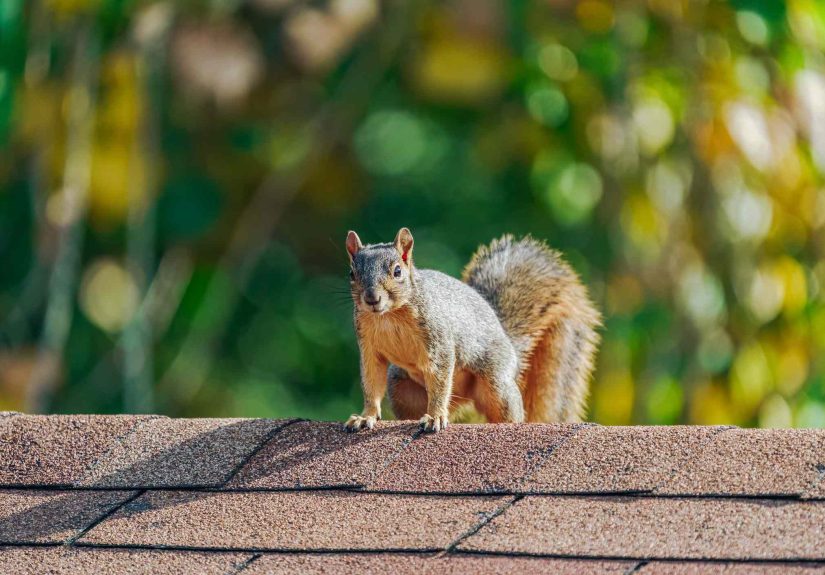
If squirrels are getting into your attic this winter, they are not teleporting through the ceiling like tiny furry magicians. They are using weak spots you may not even notice from the ground: roof vents, soffits, fascia gaps, utility openings, loose trim, damaged shingles, and even tiny spaces near the roofline that become large enough after repeated chewing. In many cases, tree branches, fences, downspouts, or nearby roofs act like convenient squirrel highways that lead right to those openings.
The good news is that stopping them is usually less about complicated gadgets and more about smart inspection, solid repairs, humane exclusion, and a little timing. The better news? You do not have to lose a winter to a squirrel family running a daytime cardio class over your head.
Why Squirrels Target Attics in Winter
Squirrels do not hibernate in the way many people assume. They stay active year-round, although they may spend longer stretches in sheltered nesting spots during severe weather. When winter brings freezing temperatures, wind, rain, or snow, attics become especially attractive because they provide warmth, darkness, and protection from predators. Flying squirrels are also known to gather in communal dens during cold weather, which means one problem can occasionally become a group project.
That is one reason winter attic invasions can feel so sudden. The squirrels may have been moving across your roof for months, but once cold weather settles in, they become much more motivated to turn a casual inspection stop into a signed leasewithout the courtesy of a security deposit.
Food nearby can make the problem worse. Bird feeders, unsecured trash, pet food, acorns, walnuts, and even dense backyard landscaping can all support a squirrel population close to your home. If your roofline also offers easy shelter, your house becomes the complete package: lunch downstairs, luxury suite upstairs.
How Squirrels Are Getting into Your Attic
Most attic invasions happen through the upper parts of the home, especially around the roof and eaves. Squirrels are excellent climbers, and they do not need a giant opening to get started. In some cases, they use an existing gap. In others, they enlarge a weak area by chewing until the entrance is big enough to pass through.
1. Roof vents and attic louvers
Roof vents are one of the most common problem spots. Some vent caps have flimsy interior screens that can be pushed through or chewed open. Once the screen fails, the attic becomes easy to access. Gable vents and attic louvers can also become entry points if the louvers are cracked, loose, or poorly screened.
2. Soffits and fascia boards
Soffits and fascia sit right in the zone squirrels love to investigate. If wood is soft, trim is pulling away, or the underside of the eaves has begun to rot, squirrels may chew or pry their way in. A small weakness at the roof edge can become a full entry hole faster than most homeowners expect.
3. Gaps around utility lines and roof intersections
Where cables, pipes, or conduits enter the home, small gaps can form over time. Roof-to-wall joints, flashing failures, and siding interfaces are also trouble spots. These openings often look minor from the ground but can be enough for a determined squirrel to exploit, especially after repeated gnawing.
4. Loose shingles, trim, and construction gaps
Older homes are especially vulnerable, but newer homes are not immune. Loose shingles, separated trim, warped boards, and settling-related cracks can all create inviting gaps. Squirrels are opportunists. If something is weak, they will test it.
5. Tree branches and “jump points”
Sometimes the opening is not the real storythe access route is. Overhanging limbs, nearby fences, pergolas, stacked firewood, and even downspouts can give squirrels a clean path to your roof. Once they can reach the roofline daily, they have plenty of time to investigate every vent and seam until they find the one weak spot that ruins your week.
Signs Squirrels Are Already in the Attic
The most obvious clue is noise. Gray squirrels are usually active during the day, especially in the morning and late afternoon, so daytime scratching and scampering often point toward them. Flying squirrels, on the other hand, are nocturnal, so nighttime activity may suggest a different culprit. Either way, the attic should not sound like a tiny gymnastics facility.
Other signs include chewed wood, damaged vent screens, droppings, gnaw marks, nesting material, insulation disturbance, and oily smudges or dark stains near an entry hole. Outside, you may spot a squirrel regularly entering the same roofline gap or running a predictable route along a branch, gutter, or utility line.
You may also notice a stronger, musky odor over time, especially if nesting material accumulates. In severe infestations, squirrels can damage wiring, wood, stored items, and insulation. That is when the problem stops being “annoying wildlife” and starts becoming “expensive wildlife.”
Why You Should Not Just Seal the Hole Right Away
This is where many homeowners make the biggest mistake. They find the entry hole, grab a ladder, patch it shut, and celebrate for about six hours. Then the trapped squirrel starts tearing at another part of the house to get out. Or worse, dependent young are left inside. Humane wildlife guidance consistently emphasizes checking for babies and using proper eviction or exclusion methods before permanent repairs are made.
Timing matters. Squirrels can have litters in early spring and again in late summer or early fall, and juveniles may remain dependent for weeks. Even in winter, a problem that began earlier in the season may still involve young animals or recently weaned juveniles. That is why a careful inspection matters more than a fast patch job.
5 Ways to Stop Squirrels from Getting into Your Attic This Winter
1. Inspect the whole exterior, not just the obvious hole
Start with a full walk-around of the house. Look at roof vents, soffits, fascia, chimney areas, siding joints, roof intersections, utility penetrations, and attic louvers. Check for chew marks, gaps, broken screens, staining, or loose trim. If possible, inspect the attic during the day and look for light coming through cracks or holes. That trick is simple, effective, and surprisingly humbling.
Do not assume there is only one entry point. Squirrels often use multiple openings or test several before settling on a favorite route. If you seal one hole and miss the backup door, the problem is not solved. It just changes zip codes on your roof.
2. Remove easy roof access
Trim tree branches that overhang or come too close to the roof. Cut back limbs that allow squirrels to leap onto shingles, gutters, or dormers. Also look for nearby structuresfences, sheds, trellises, stacked materials, and downspoutsthat make climbing easier. This step alone will not solve an active infestation, but it makes your home much less convenient for future return visits.
If you maintain bird feeders, consider moving them farther from the house and using squirrel baffles where appropriate. Feeders may not be the sole cause of attic invasions, but they absolutely help squirrels decide your property is worth frequenting.
3. Use humane exclusion, such as a one-way door, before sealing
If squirrels are actively using the attic, humane exclusion is usually the safest fix. A one-way door or exclusion device allows the animal to leave but prevents reentry. Once you are sure all squirrels are out, you can permanently repair the opening. This method is far better than trapping a squirrel inside or trying to “out-yell” it, which is not a recognized wildlife management strategy anywhere worth trusting.
This step is also where caution matters most. If you suspect babies, do not rush. Improper timing can separate a mother from her young. If there is any doubt, or if the entry point is high, steep, or difficult to access, a licensed wildlife control professional is the smart move.
4. Reinforce vents, soffits, and weak spots with durable materials
After exclusion, repair the damage with materials that actually hold up. Replace weak vent caps, secure loose trim, repair rotted fascia, and cover appropriate vents with corrosion-resistant 1/4-inch hardware cloth or other animal-resistant screening designed for the job. Dryer vents need specialized covers that prevent animal entry without creating a lint problem, so do not improvise there.
The key is durability. Foam, flimsy screening, or quick cosmetic patches are basically an invitation to try again. If a squirrel already learned that one spot gives way under pressure, you need to change the terms of the relationship.
5. Reduce attractants and know when to call a pro
Good prevention is part repair, part housekeeping. Clean up spilled birdseed, store pet food securely, keep trash sealed, and trim back dense vegetation near the house. Then pay attention to risk. If your roof is steep, the hole is high, the attic is hard to access, or the squirrel activity is ongoing, call a professional wildlife removal service with experience in humane exclusion and repair.
Also skip the bad ideas. Toxic baits are not recommended for squirrel attic problems, and they can create additional risks for pets, children, and other wildlife. Mothballs, random internet potions, and wishful thinking are also not a serious control plan. If the squirrel is already inside, the fix is exclusion and repairnot chemistry class on the shingles.
What a Successful Long-Term Fix Looks Like
The best outcome is not just “the noises stopped.” It is a house that stays secure through the rest of winter and beyond. That means every active entry point has been identified, squirrels have been allowed or encouraged to leave humanely, vulnerable areas have been reinforced, and access routes have been reduced. In other words, you are not just evicting a tenant. You are changing the locks, upgrading the doors, and firing the real estate agent.
It also means staying observant. After repairs, monitor the old entry areas for a few days or weeks. Watch for new chewing, listen for return activity, and inspect after storms. A winter squirrel problem is often a maintenance problem wearing a tail.
Homeowner Experiences: What People Often Learn the Hard Way
One of the most common homeowner experiences starts with disbelief. The first noise overhead gets blamed on “the house settling,” then on the wind, then maybe on a branch scraping the roof. A week later, the scratching becomes a regular morning alarm clock, and suddenly everyone in the house turns into a part-time wildlife detective. In many cases, the biggest surprise is not that squirrels got in, but how ordinary the entry point looked from the ground. A vent that seemed intact, a fascia board that looked merely weathered, or a tiny roofline gap near old flashing often turns out to be the welcome mat.
Another common experience is discovering that the shortest fix is not the best fix. Plenty of homeowners find the hole and rush to seal it, only to hear louder scrambling afterward. That moment tends to change the mood from “annoying” to “we have made a terrible mistake.” What they learn very quickly is that attic wildlife problems need a full plan, not just a patch. You have to know whether the animal is still inside, whether there may be more than one access point, and whether young squirrels are involved before permanent repairs begin.
Many people also realize how much trees influence the problem. A branch that seemed harmless for years suddenly looks very different once you notice squirrels using it like a driveway ramp to the roof. Homeowners often report that trimming limbs and reducing direct roof access did more for long-term prevention than any store-bought deterrent ever did. The same goes for feeders. People love feeding birds, but they often notice that heavy seed spill, convenient feeder placement, and roof access create a perfect squirrel routine. Once that routine is broken, attic pressure usually drops.
There is also the experience of underestimating the damage. Some homeowners expect a little noise and maybe a nest. Instead, they find shredded insulation, chewed wood, droppings, and gnaw marks around vent openings or wiring. That is often the moment the problem starts feeling less like a quirky winter nuisance and more like a legitimate home repair issue.
Finally, many homeowners say the biggest lesson is this: the winning move is usually a calm, methodical one. Inspect carefully. Watch the activity pattern. Confirm the entry point. Use humane exclusion. Repair with durable materials. Then keep monitoring. The people who solve squirrel problems most effectively are rarely the ones who panic fastest. They are the ones who treat the attic like a system, not a mystery. And once the house is sealed properly, winter gets a lot quieterwhich is exactly what an attic should be.
Conclusion
If squirrels are getting into your attic this winter, the issue is usually a mix of seasonal behavior and structural opportunity. The animals are looking for warmth and shelter, while your house is unknowingly offering a vent, gap, seam, or weak roofline that says, “Please enter here.” The fix is straightforward when approached the right way: inspect carefully, avoid sealing animals inside, use humane exclusion, repair with strong materials, and reduce the easy access routes that brought squirrels to your roof in the first place.
Do that, and your attic can go back to being what it was always meant to be: boring, quiet, and full of boxes you swear you will organize next weekend.







 Close
Close