
Table of Contents >> Show >> Hide
- The Short Answer: How Long Does Food Poisoning Last?
- Why the Timeline Varies So Much
- Typical Food Poisoning Symptoms
- A Practical Timeline by Type of Food Poisoning
- When Are You Usually “Over It”?
- How to Recover From Food Poisoning
- When to See a Doctor for Food Poisoning
- Food Poisoning vs. Stomach Flu
- How to Prevent Food Poisoning Next Time
- Bottom Line
- Real-Life Experiences Related to Food Poisoning
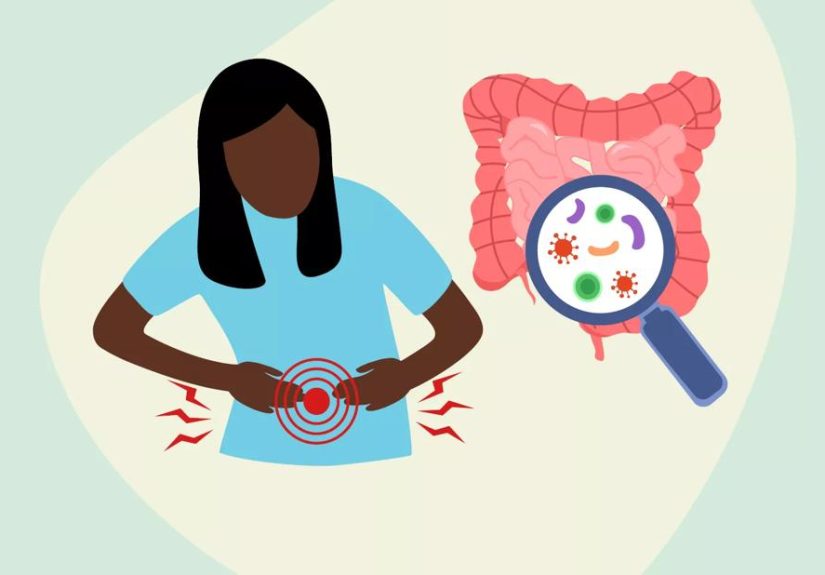
Food poisoning has a special talent for ruining perfectly normal days. One minute you are enjoying lunch, and the next minute your stomach is writing a breakup letter to everything you ate. The good news is that most cases are short-lived. The less fun news is that “short-lived” can still feel like a lifetime when you are making emergency sprints to the bathroom.
If you are wondering how long food poisoning lasts, the honest answer is: it depends. Many mild cases pass within 12 to 48 hours. Others last a few days. Some infections can drag on for up to a week, and a small number of more serious causes can last longer or cause complications. The exact timeline depends on what contaminated the food, how much you consumed, your overall health, and how your body responds.
This guide breaks down the typical food poisoning recovery time, what symptoms to expect, when you should worry, and how to recover without making your stomach even grumpier than it already is.
The Short Answer: How Long Does Food Poisoning Last?
In many everyday cases, food poisoning symptoms improve within one to two days. That is why many people feel terrible one evening and significantly better by the next day or two. Still, not every case follows that speedy timeline.
Here is the simple version:
- Mild toxin-related cases: Sometimes just a few hours to 24 hours.
- Common foodborne infections: Often 1 to 3 days, though some last longer.
- Many bacterial illnesses: Around 4 to 7 days.
- Most cases overall: Less than a week.
- Complicated or less common cases: Can last weeks or require medical treatment.
So if you are searching for the average food poisoning duration, think of it this way: usually short, sometimes stubborn, rarely simple enough to predict with total confidence.
Why the Timeline Varies So Much
Food poisoning is not one single illness. It is a catch-all term for sickness caused by contaminated food or drink. That contamination may come from bacteria, viruses, parasites, or toxins. And each of those troublemakers behaves differently.
1. Some causes hit fast and leave fast
When food poisoning is caused by a toxin already present in the food, symptoms may start very quickly. You might feel sick within hours, with sudden nausea, vomiting, stomach cramps, or diarrhea. These cases can be intense, but they often burn out faster.
Classic example: some forms of Staphylococcus aureus food poisoning can begin within hours and may be over within a day. Your stomach throws a dramatic protest, the curtain falls, and hopefully the performance does not get a sequel.
2. Some infections take longer to show up
With bacterial or viral infections, symptoms may not appear right away. In fact, the food that made you sick is often not the last thing you ate. That is what makes food poisoning so sneaky. You may blame the sandwich you ate at lunch when the real villain was yesterday’s undercooked chicken or that picnic pasta salad that lived a little too confidently in the sun.
Some infections start within several hours. Others take one to three days, and some can take even longer.
3. Your body matters too
Healthy adults often recover faster than people who are pregnant, very young, older, or immunocompromised. Hydration status also matters. If you can sip fluids and keep them down, recovery usually goes more smoothly. If vomiting and diarrhea leave you dry as a rice cake left in a hot car, recovery can feel longer and more dangerous.
Typical Food Poisoning Symptoms
The most common symptoms are not subtle. Your digestive system tends to announce them with the subtlety of a marching band.
- Diarrhea
- Nausea
- Vomiting
- Stomach cramps or abdominal pain
- Fever
- Headache
- Fatigue or weakness
Some people may also have bloody diarrhea, chills, or body aches. Less common but more urgent symptoms include blurred vision, tingling, weakness, trouble speaking, or other nervous system symptoms. Those are not symptoms to “tough out.” They call for prompt medical care.
A Practical Timeline by Type of Food Poisoning
| Type | When Symptoms May Start | How Long It May Last |
|---|---|---|
| Fast-acting toxin-related illness | Within hours | Several hours to about 24 hours |
| Many routine food poisoning cases | Same day to a couple of days | 12 to 48 hours or 1 to 2 days |
| Common foodborne infections | About 1 to 3 days | 2 to 7 days |
| Salmonella in many cases | Hours to several days | About 4 to 7 days |
| Some less common or more severe causes | Days to weeks | Days, weeks, or longer |
This is why the question “How long does food poisoning last?” does not have one neat answer. Foodborne illness duration is a range, not a stopwatch.
When Are You Usually “Over It”?
Most people know they are turning the corner when vomiting stops, bowel movements become less frequent, stomach cramps ease up, and they can drink fluids without regretting every life choice that led them to this moment.
But recovery is not always instant just because the worst symptoms pass. Many people feel wiped out for another day or two. Your stomach may remain sensitive. Appetite often comes back slowly. You may feel weak, tired, or oddly nervous about food for a bit. That is normal after a rough digestive illness.
In other words, the infection may be leaving, but your body may still be filing paperwork.
How to Recover From Food Poisoning
Focus on fluids first
The biggest short-term risk in food poisoning is dehydration. If you are losing fluid through vomiting or diarrhea, replacing water and electrolytes matters more than worrying about a perfect meal plan.
Helpful options include:
- Small sips of water
- Oral rehydration solutions
- Broth
- Electrolyte drinks in moderation
- Ice chips if drinking feels hard
Take small amounts often instead of chugging a huge glass all at once. Your stomach is already on strike. Do not hand it more paperwork.
Eat gently when you are ready
Once vomiting settles and appetite starts to return, most people can gradually go back to normal eating. Start simple if needed: toast, rice, crackers, bananas, soup, oatmeal, or plain potatoes. Avoid greasy, spicy, or extra-rich foods right away unless you enjoy gambling with your digestive peace.
Rest more than you think you need
Food poisoning can be exhausting. Even if symptoms are “only” digestive, your body is dealing with inflammation, fluid loss, poor sleep, and not enough calories. That can leave you feeling wrung out. Rest is not laziness here. It is part of the recovery plan.
When to See a Doctor for Food Poisoning
Most cases resolve at home, but some symptoms deserve prompt medical attention. Do not just wait it out if you have:
- Signs of dehydration, such as dry mouth, dizziness, very dark urine, or barely urinating
- Bloody diarrhea
- High fever
- Vomiting that keeps you from holding down fluids
- Severe or worsening abdominal pain
- Diarrhea lasting more than a few days
- Symptoms lasting about a week or not improving
- Nervous system symptoms, such as blurred vision, weakness, tingling, or trouble speaking
You should also be more cautious if the sick person is a young child, older adult, pregnant person, or someone with a weakened immune system. In those groups, dehydration and complications can happen faster.
Food Poisoning vs. Stomach Flu
Many people confuse food poisoning with the stomach flu, and that makes sense because the symptoms overlap. Both can cause diarrhea, nausea, vomiting, cramps, and fever. The difference is often in the timing and pattern.
Food poisoning often comes on quickly after exposure and may move through the body faster. Viral gastroenteritis may spread from person to person and sometimes lasts a little longer. Unfortunately, when you are curled up near a bathroom questioning the meaning of lunch, the distinction may not feel especially poetic.
Still, it matters because persistent symptoms may point to something other than routine food poisoning. If the illness keeps going or the story does not add up, a medical evaluation is wise.
How to Prevent Food Poisoning Next Time
No one wants a repeat episode. Prevention is gloriously boring, but it works.
- Wash hands with soap and water before handling food and after using the bathroom.
- Keep raw meat, poultry, eggs, and seafood separate from ready-to-eat foods.
- Cook foods to safe temperatures.
- Refrigerate leftovers within 2 hours, or within 1 hour if food has been sitting in heat above 90°F.
- Do not eat foods that smell off, look questionable, or have been sitting out too long.
- Be extra careful with unpasteurized milk, juice, soft cheeses, raw seafood, and undercooked eggs or meat.
Food safety is not glamorous. But neither is whispering “never again” to a saltine cracker at 3 a.m.
Bottom Line
So, how long does food poisoning last? In many cases, 12 to 48 hours is a realistic window. Others last a few days, and some can stretch to a week or longer depending on the cause. Most people recover without prescription treatment, but dehydration and red-flag symptoms should never be ignored.
If symptoms are mild and getting better, hydration, rest, and simple foods usually do the trick. If symptoms are severe, unusual, or dragging on, it is time to call a healthcare professional. Your stomach may be dramatic, but sometimes the situation really does deserve an audience.
Real-Life Experiences Related to Food Poisoning
One reason people worry so much about food poisoning is that the experience can feel wildly unpredictable. Many people say it starts with a vague sense that something is “off.” Maybe there is a little nausea, a strange wave of fatigue, or stomach cramps that seem annoying but manageable. Then, without much warning, the situation becomes very clear. Very, very clear.
A common experience is the fast-onset episode after a restaurant meal, picnic, buffet, or leftovers. Someone feels fine at dinner, then wakes up in the middle of the night with nausea, sweating, and sudden vomiting. They often describe it as hitting “like a truck,” which is not medically precise but is emotionally accurate. These people are usually desperate to know how long food poisoning lasts because the first few hours feel endless. In many milder cases, the worst part passes by the next day, but that first night can feel like a full season of television.
Another common story is the slower, more confusing kind. A person has diarrhea, cramps, and low energy a day or two after eating something suspicious, but they are not sure whether it is food poisoning, a stomach virus, or just stress doing backflips in their digestive system. This uncertainty is normal. People often blame the last meal they ate, when in reality the problem may have started with food from yesterday or even earlier. That delay is one reason food poisoning can be so frustrating to figure out.
Parents often describe a special kind of anxiety when a child has possible food poisoning. Kids can lose fluids quickly, and adults know that even one rough night of vomiting or diarrhea can leave a child tired, clingy, and miserable. In these situations, parents often focus less on the exact culprit and more on whether the child is drinking, peeing, and becoming more alert. The emotional side of food poisoning is real too. It is not just about the stomach. It is about worry, interrupted sleep, and the strange power of a half-empty bottle of electrolyte drink to become the most important object in the house.
Adults also talk about the “aftershock” period. Even after the vomiting stops and the diarrhea eases, people may feel weak, shaky, or nervous about eating again. The appetite does not always bounce back immediately. Some say they stick to toast, bananas, soup, or rice for a day or two because richer foods suddenly seem like a terrible idea invented by chaos. That cautious return to normal eating is incredibly common.
There is also the social side no one loves discussing. Food poisoning can derail work, travel, date nights, family events, and basically any plan that requires standing upright with confidence. People miss flights, cancel meetings, or spend road trips memorizing restroom locations like a game no one wanted to play. When symptoms last longer than expected, frustration builds fast. That is usually the point when many people stop asking the internet for reassurance and start calling a doctor.
In the end, most people remember two things about food poisoning: how miserable it felt in the moment and how relieved they were when recovery finally kicked in. The experience tends to reinforce the basics forever after. Leftovers get refrigerated faster. Expiration dates get a second look. Buffet foods sitting out too long suddenly lose their charm. It is not the life lesson anyone asks for, but it is certainly memorable.
Note: This is an independent educational article based on current U.S. medical guidance, including information commonly discussed by Cleveland Clinic and other reputable health organizations. It is not a substitute for personal medical advice, diagnosis, or treatment.





 Close
Close