
Table of Contents >> Show >> Hide
- What a Castor Oil Pack Is (and What It Isn’t)
- Define “Working” Before You Judge It
- Signs a Castor Oil Pack May Be Working
- Signs It’s Not Working (or Needs Adjustment)
- Is It the Castor Oil… or Just the Heat?
- How Long Should You Try a Castor Oil Pack?
- How to Use a Castor Oil Pack Correctly (So You Can Evaluate It Fairly)
- Safety: When to Avoid or Stop
- Practical Tips That Make Packs Less Messy (and More Measurable)
- FAQ
- So… How Do You Know If It’s Working? The Bottom-Line Checklist
- Real-World Experiences: What People Commonly Notice (and What They Wish Someone Told Them)
- Conclusion
Castor oil packs have been around forever in “your aunt’s kitchen cabinet” lore, and they’ve recently gotten a second life online as the self-care equivalent of a weighted blanket for your abdomen. People use them for everything from constipation to cramps to “detoxing” (a word that can mean anything from “I drank water today” to “my liver is a Brita filter”).
So how do you know if a castor oil pack is actually working and not just making you warm, slightly greasy, and emotionally attached to a heating pad? Let’s break it down with a realistic, evidence-aware lens, a dash of humor, and enough practical detail that you won’t end up redecorating your couch with permanent oil stains.
Quick note: Castor oil packs are not a substitute for medical care. If you have severe pain, fever, unexplained swelling, rectal bleeding, pregnancy concerns, or symptoms that are getting worse, talk with a clinician.
What a Castor Oil Pack Is (and What It Isn’t)
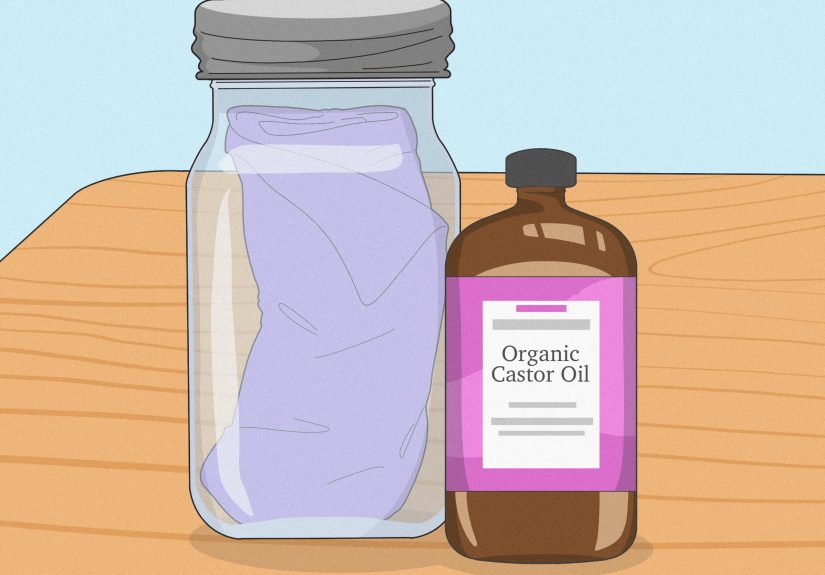
A castor oil pack is usually a piece of flannel or cotton fabric soaked in castor oil, placed on the skin (often the abdomen), covered with a barrier layer (like plastic wrap), and warmed with a hot water bottle or heating pad for around 45–60 minutes. It’s basically a warm, oily compress with commitment issues (because it will cling to your sheets if you let it).
What it is: a moist, occlusive, heated compress that may help you relax, warm tissues, and possibly soothe certain kinds of discomfort. Castor oil itself contains ricinoleic acid, which has shown anti-inflammatory and analgesic activity in experimental research but translating that into “this pack cured my everything” is a leap worthy of an Olympic gymnast.
What it isn’t: a proven cure-all, a guaranteed “lymph detox,” or a way to treat serious disease at home. If someone promises it will “pull toxins out,” ask politely for a definition of “toxins,” then watch them try to wrangle that word like a slippery fish.
Define “Working” Before You Judge It
The sneakiest reason people feel unsure is that “working” can mean three totally different things:
- Immediate effects: warmth, relaxation, reduced muscle guarding, a calmer nervous system.
- Short-term symptom shifts: less bloating, easier bowel movements, milder cramps, less stiffness.
- Longer-term trends: fewer flare-ups, better sleep, improved comfort across a week or two.
If you expect a single session to overhaul your digestion, hormones, mood, and love life… you’re setting yourself up to declare it a failure by Tuesday. If you define success as “I feel looser, calmer, and my belly isn’t auditioning for a drumline,” you’ll evaluate it more fairly.
Signs a Castor Oil Pack May Be Working
1) You Feel Warmth That’s Pleasant (Not Scorching)
A well-done pack feels deeply warm and soothing. You might notice your abdomen or the target area feels less tight, and your breathing naturally slows down. That nervous-system “downshift” is a real benefit for many people. Think: spa vibes, not frying-pan vibes.
2) Your Body “Unclenches”
People often hold tension in the belly, hips, shoulders, and jaw (yes, your jaw is invited to the party). If you notice reduced guarding less bracing, less “everything is tight” that’s a meaningful sign. Warm compresses can help tissues relax, and relaxation alone can change how pain and discomfort feel.
3) Digestive Comfort Improves Over a Few Sessions
For constipation or sluggish digestion, “working” usually looks like easier bowel movements, less straining, less bloating, and a calmer, less crampy belly. Some research has examined castor oil packs in constipation contexts, but evidence is limited and not definitive still, it gives a clue that a subset of people may notice benefit.
Realistic timeline: some people feel a difference after 1–3 sessions; others need a week of consistent use to notice a pattern. If nothing changes after a reasonable trial, it’s not “failing” it’s just not your tool.
4) Cramps or Pelvic “Heaviness” Feels Less Intense
Heat is a classic comfort measure for cramps and pelvic discomfort. If your symptoms soften from “my uterus is doing CrossFit” to “okay, I can function,” that’s a legitimate outcome. Just remember: symptom relief is not the same as treating the underlying cause.
5) You Sleep Better (or at Least Fall Asleep Faster)
Many people use packs in the evening because warmth plus stillness can be sedating. Better sleep is a valid win and often, it’s a high-impact win, because sleep affects pain sensitivity, stress hormones, and gut function.
6) Your Skin Tolerates It (No Rash, Burning, or Itching)
This sounds basic, but it’s huge. If your skin stays calm no hives, no persistent redness, no itch-fest you’ve cleared the first hurdle. If you’re reacting, it doesn’t matter how “detoxifying” the internet says it is; your skin is voting “no.”
Signs It’s Not Working (or Needs Adjustment)
- No symptom change after a consistent trial (for example, several sessions across 1–2 weeks).
- You feel worse: more cramping, nausea, headache, dizziness, or increased discomfort.
- Your skin complains loudly: rash, itching, burning, welts, or lingering redness.
- You’re relying on it to avoid care for red-flag symptoms (severe abdominal pain, fever, vomiting, unexplained weight loss, etc.).
Also: if the only thing you notice is that your towel is now permanently translucent, the pack may be “working” mainly as a fabric conditioner. (A very expensive one.)
Is It the Castor Oil… or Just the Heat?
Heat alone can reduce pain and muscle tension. So if you want to be a little more scientific (without turning your bedroom into a lab), try a simple “compare and contrast” routine:
- Week 1: Use the pack with castor oil for 3–4 sessions.
- Week 2: Use the same setup but with a warm compress only (no oil) for 3–4 sessions.
- Track a few simple metrics: comfort level (0–10), bloating, bowel movements, cramps, and sleep quality.
If both weeks feel the same, you might be a “heat-only” person (congrats easier cleanup). If the castor oil week noticeably beats the heat-only week, then the oil component may be adding something for you. Either way, you win: you get clarity.
How Long Should You Try a Castor Oil Pack?
There’s no universal rule, but here’s a practical approach:
- For simple comfort (stress, mild cramps, general tension): you can judge after 1–3 sessions.
- For digestive comfort: give it about 1–2 weeks (several sessions total) while keeping other variables steady.
- For chronic issues: treat it like a supportive tool, not “the answer.” Pair it with evidence-based care.
If you’re stacking 14 new wellness habits at once (packs + supplements + fasting + interpretive dance), you won’t know what’s helping. Keep it simple enough to learn from.
How to Use a Castor Oil Pack Correctly (So You Can Evaluate It Fairly)
Basic setup
- Castor oil
- Flannel/cotton cloth (dedicated to this purpose)
- Plastic wrap or a barrier layer
- Old towel(s) (your laundry will thank you)
- Heating pad or hot water bottle
Step-by-step
- Protect your area: lay down an old towel.
- Saturate the cloth with castor oil (not dripping like a leaking roof, but well-soaked).
- Place it on the target area (often the abdomen).
- Cover with a barrier layer to keep oil off everything you own.
- Add warmth with a heating pad or hot water bottle.
- Relax for 45–60 minutes. Use this time to breathe, read, meditate, or stare at the ceiling and reconsider your life choices.
- Clean up: wipe the area with a warm damp towel and store the cloth properly.
Important: Keep the heat comfortably warm, not hot. Don’t fall asleep with a heating pad on burns are not a “detox reaction.”
Safety: When to Avoid or Stop
Avoid putting castor oil on:
- Broken or irritated skin
- Rashes, eczema flares, or areas prone to contact dermatitis
- Recent surgical sites (unless a clinician specifically instructs you)
Stop immediately if you get:
- Hives, intense itching, or spreading redness
- Burning or blistering
- Swelling of lips/face/throat or trouble breathing (seek urgent care)
Pregnancy and breastfeeding considerations
Oral castor oil is associated with significant GI side effects and has a long history of being used (sometimes unsafely) in labor-related contexts. If you are pregnant, trying to become pregnant, or breastfeeding, talk to your OB-GYN or midwife before using castor oil in any form. Even with topical use, it’s smart to get individualized guidance especially if you’d place the pack over the abdomen.
When it’s time to call a professional instead of doing another pack
- Severe or persistent abdominal pain
- Fever, vomiting, dehydration
- Blood in stool or black/tarry stool
- Unexplained weight loss, worsening fatigue, or new symptoms that don’t make sense
Practical Tips That Make Packs Less Messy (and More Measurable)
- Use a “pack uniform”: old T-shirt + old towel. You’re not auditioning for a fashion week runway.
- Pick one goal: constipation comfort or cramps or relaxation. One experiment at a time.
- Track a few data points: discomfort 0–10, bowel movement frequency, sleep quality, and skin reaction.
- Keep everything else steady: don’t change your entire diet the same week you start packs.
FAQ
Should a castor oil pack make you poop right away?
Not necessarily. If it helps with constipation, it may do so gradually by promoting relaxation and comfort. If you need fast relief or you have severe constipation, follow evidence-based medical guidance.
Is mild pinkness normal?
Mild warmth-related redness can happen, especially with heat. But if redness is intense, itchy, spreading, or lasts a long time, treat it as irritation.
Can you reuse the cloth?
Many how-to guides suggest storing and reusing the cloth (often refrigerated). If you do, keep it clean, sealed, and dedicated to this use. If it smells off, looks questionable, or you have sensitive skin, replace it.
What if I feel worse afterward?
Don’t force it. “Feeling worse” is not a required entry fee. Reduce heat, shorten the time, try a patch test, or stop altogether. If symptoms are significant or persistent, check in with a clinician.
So… How Do You Know If It’s Working? The Bottom-Line Checklist
- You feel soothed, not scorched.
- Your target symptom improves (comfort, cramps, bloating, bowel regularity, sleep) across multiple sessions.
- Your skin stays calm (no rash, burning, or lingering irritation).
- You can distinguish whether oil adds benefit beyond heat by comparing routines.
- You’re using it as support, not as a replacement for medical care when red flags exist.
If you check those boxes, your castor oil pack is “working” in the only way that matters: it’s making your life feel better, safely. If you don’t, it’s okay to retire it gracefully preferably before it permanently perfumes your linens.
Real-World Experiences: What People Commonly Notice (and What They Wish Someone Told Them)
Let’s talk about the part nobody admits until they’re already elbow-deep in laundry: using a castor oil pack is as much an experience as it is a remedy. And the “is it working?” question often turns into “is this worth the mess?” Here are patterns people commonly describe, with a reality check baked in.
The “Oh… I Actually Feel Calm” Crowd
A lot of people say the first noticeable effect is not digestive fireworks, but a nervous-system sigh. They lie down, the warmth spreads, their shoulders drop, and their brain stops speed-running tomorrow’s to-do list. If you’re stressed, tense, or you carry anxiety in your stomach, that calming effect can feel like a small miracle. In that case, “working” may simply mean you’ve found a ritual that reliably relaxes you and that’s not nothing.
The “My Belly Is Less Dramatic” Crowd
Some users report less bloating or a softer, less crampy feeling after a few sessions. It’s rarely an instant “everything is fixed” moment; it’s more like, “Huh, I’m not as uncomfortable after dinner this week.” People who track bowel habits sometimes notice improved regularity over several days, especially when they pair the routine with hydration, consistent meals, and the radical act of not eating like a raccoon at midnight.
The “It’s Just the Heat, Babe” Crowd
Others try castor oil packs and conclude the magic is mostly warmth and stillness. They get the same relief from a plain heating pad, a warm bath, or a hot water bottle without the oil slick. This isn’t a failure; it’s a cost-saving discovery. If heat does the job, you’ve unlocked the deluxe version of simple.
The “Why Am I Itchy?” Crowd
Skin reactions happen. Some people get redness, itchiness, or a rash especially if they use too much oil, apply too much heat, or have sensitive skin to begin with. The biggest lesson from this group is: don’t interpret irritation as “toxins leaving.” It’s usually your skin asking you to stop, adjust, or patch-test first. If you want to keep experimenting, people often do better with less oil, lower heat, shorter sessions, and a stricter “stop if irritated” rule.
The “I Didn’t Expect the Logistics” Crowd
People also talk about the practical learning curve: castor oil stains, plastic wrap crinkles like a snack bag in a movie theater, and the cloth can feel cold when you first place it. Veterans recommend setting up a dedicated “pack kit” (old towels, a cloth you don’t love, and a container for storage), so the routine feels relaxing instead of like a low-budget oil spill cleanup. When the setup becomes easy, it’s much simpler to test whether you’re getting consistent benefits.
The honest takeaway from real-world use is this: if a castor oil pack helps you feel calmer, more comfortable, and you tolerate it well, it may be a worthwhile self-care tool. If it adds stress, skin irritation, or no measurable benefit, it’s also perfectly okay to move on wellness should not require a hazmat team.
Conclusion
You’ll know a castor oil pack is working when it produces repeatable, safe improvements you can actually feel not just hopeful vibes. Aim for comfort, track outcomes, compare against heat-only sessions if you want clarity, and keep safety at the center. If it helps, keep it. If it doesn’t, thank it for its service and let your heating pad take over the shift.






 Close
Close