

Table of Contents >> Show >> Hide
- What Are Home Accessories?
- Why Home Accessories Matter
- Start With a Clear Style Direction
- Use the Rule of Balance, Not the Rule of “Buy More Stuff”
- Decorate With Trays, Bowls, and Baskets
- Layer Pillows and Throws Without Overdoing It
- Choose Rugs That Anchor the Room
- Style Shelves Like a Designer
- Add Mirrors for Light and Space
- Use Lighting as Decor
- Bring in Plants and Natural Elements
- Decorate With Art and Personal Collections
- Room-by-Room Home Accessories Ideas
- Budget-Friendly Home Accessories Tips
- Common Home Accessory Mistakes to Avoid
- Experience-Based Ideas for Decorating With Home Accessories
- Conclusion
Home accessories are the final wink in a well-dressed room. Furniture may do the heavy lifting, paint may set the mood, and lighting may keep everyone from bumping into the coffee table, but accessories are what make a house feel like someone interesting lives there. They are the pillows you actually want to lean on, the vase that makes grocery-store flowers look suspiciously fancy, the tray that turns clutter into “curated objects,” and the mirror that saves a small entryway from feeling like a hallway with commitment issues.
The best part? You do not need a mansion, a designer budget, or a warehouse full of antiques to create a beautiful home. With the right home accessories, even a small apartment, starter home, rental, or slightly chaotic family room can feel polished, comfortable, and personal. The trick is knowing what to choose, where to place it, and when to stop before your console table starts looking like a souvenir shop that lost its manager.
This guide explores practical home accessories tips and ideas for every room, including how to style shelves, use rugs, layer pillows and throws, decorate with plants, display meaningful objects, organize with beautiful storage, and create a home that feels collected instead of copied.
What Are Home Accessories?
Home accessories are the decorative and functional finishing touches that complete a room. They include items such as throw pillows, blankets, rugs, lamps, mirrors, wall art, candles, trays, baskets, books, plants, vases, decorative bowls, sculptures, clocks, picture frames, curtains, and tabletop decor.
Think of furniture as the “main character” and accessories as the supporting cast. A sofa without pillows can look lonely. A dining table without a centerpiece can feel unfinished. A bookshelf filled only with books may be useful, but adding art, pottery, greenery, and personal objects gives it rhythm and personality.
Good accessories do more than sit around looking pretty. They can add color, soften hard surfaces, improve storage, help define a style, make a room feel warmer, and reflect your story. The goal is not to fill every empty corner. The goal is to choose pieces that make the space feel intentional, comfortable, and alive.
Why Home Accessories Matter
Accessories are often the easiest way to refresh a room without remodeling. Swapping pillow covers, adding a new lamp, changing a rug, or styling a coffee table can completely shift the feeling of a space. That means you can update your home seasonally, experiment with trends, or correct a room that feels too flat without buying new furniture.
They Add Personality
A room with only matching furniture can feel like a showroom. A room with accessories feels like a home. Travel finds, framed family photos, handmade ceramics, vintage books, inherited objects, or local art can tell a story that no mass-produced furniture set ever could.
They Bring Color and Texture
Accessories are perfect for adding color without repainting the walls. A blue vase, patterned pillow, brass lamp, woven basket, or velvet throw can add depth and contrast. Texture is especially important in neutral rooms. When the palette is simple, materials such as linen, jute, wool, leather, wood, glass, ceramic, metal, and rattan keep the room from feeling bland.
They Improve Function
The best home decor accessories are not just decorative. A basket hides blankets. A tray gathers remotes. A mirror brightens a dark wall. A table lamp creates cozy evening light. A beautiful bowl catches keys near the door. Stylish accessories can solve real-life problems while looking like they belong in the room.
Start With a Clear Style Direction
Before buying accessories, decide how you want the room to feel. Cozy and traditional? Clean and modern? Bright and coastal? Warm and rustic? Colorful and eclectic? Your style direction does not need a fancy label, but it should give you a filter for decisions.
A helpful question is: “What mood should this room create?” A bedroom may need calm, softness, and quiet colors. A living room may need warmth, conversation, and comfort. A home office may need energy, organization, and lighting that does not make video calls look like a ghost interview.
Once you know the mood, choose home accessories that support it. For example, a peaceful bedroom might include linen curtains, a wool throw, a ceramic lamp, soft art, and a few plants. A lively family room might use durable baskets, colorful pillows, framed prints, layered lighting, and a large rug that can survive popcorn crumbs and enthusiastic pets.
Use the Rule of Balance, Not the Rule of “Buy More Stuff”
One common decorating mistake is thinking a room needs more accessories when it actually needs better balance. Too many tiny objects can make a space feel cluttered. Too many large pieces can make it feel heavy. Too much matching decor can feel stiff. Too many unrelated styles can feel like a design argument.
A balanced room usually includes a mix of heights, shapes, textures, and finishes. Try pairing tall items with low ones, round pieces with rectangular ones, shiny surfaces with matte materials, and soft textiles with harder objects. For example, on a console table, you might place a tall lamp on one side, a medium framed photo in the center, and a low bowl or stack of books on the other side.
Negative space matters too. Empty space gives the eye a place to rest. Not every shelf, wall, or tabletop needs to be filled. Your home is not a storage unit auditioning for a design magazine.
Decorate With Trays, Bowls, and Baskets
If there were a hall of fame for practical home accessories, trays, bowls, and baskets would be standing in the front row waving politely.
Trays Make Clutter Look Intentional
A tray is one of the easiest accessories to use. Place one on a coffee table to hold remotes, candles, coasters, and a small vase. Use one on a bathroom counter for perfume bottles and skincare. Add a tray to a nightstand to corral jewelry, glasses, and lip balm. Suddenly, random items become a “vignette.” Very fancy. Very sneaky.
Bowls Are Beautiful and Useful
A decorative bowl can sit on a dining table, console, bookshelf, or kitchen island. Fill it with fruit, matchbooks, shells, pinecones, ornaments, wrapped candies, or nothing at all if the shape is strong enough. A good bowl is flexible, which makes it a smart accessory for people who like to rearrange things every time they clean.
Baskets Hide Real Life
Baskets are the charming magicians of home decor. They hide toys, blankets, shoes, magazines, pet supplies, and mysterious cables while adding warmth and texture. Woven baskets work especially well in living rooms, bedrooms, bathrooms, laundry rooms, and entryways.
Layer Pillows and Throws Without Overdoing It
Throw pillows and blankets are the fastest way to make a room feel cozy. They add color, pattern, comfort, and softness. But there is a fine line between “inviting sofa” and “where am I supposed to sit?”
For a standard sofa, three to five pillows usually work well. Mix sizes and textures rather than buying five identical pillows. Try a pair of larger pillows in a solid color, one patterned pillow, and one smaller accent pillow. On a bed, use sleeping pillows, a few decorative pillows, and a throw folded or casually draped near the foot.
Throws should look relaxed, not like they were folded by a nervous hotel manager. Drape one over the arm of a chair, fold one across a bench, or place one in a basket near the sofa. Choose washable fabrics for family rooms and pet-friendly spaces. Beauty is wonderful, but so is surviving spaghetti night.
Choose Rugs That Anchor the Room
A rug is one of the most powerful home accessories because it defines a space, adds softness underfoot, and brings color or pattern to the floor. The biggest rug mistake is choosing one that is too small. A tiny rug floating in the middle of a living room can make the furniture look disconnected.
In a living room, try to choose a rug large enough for at least the front legs of the sofa and chairs to sit on it. In a dining room, the rug should extend beyond the table so chairs remain on the rug when pulled out. In a bedroom, a rug should be large enough to step onto when getting out of bed.
Material matters. Wool rugs are durable and classic. Jute and sisal add natural texture. Washable rugs are excellent for kitchens, entryways, kids’ rooms, and homes with pets. Patterned rugs are forgiving in high-traffic areas because they hide everyday wear better than flat, solid colors.
Style Shelves Like a Designer
Shelves are useful, but they can quickly become clutter zones. The secret to styling shelves is variety. Mix books, art, boxes, baskets, plants, bowls, framed photos, and sculptural objects. Use different heights and leave breathing room between groups.
Start With Books
Books give shelves structure. Place some vertically and stack others horizontally. A horizontal stack can become a platform for a small bowl, candle, or object. Choose books you actually like, not just books with beige spines. Your shelves should not look like they were emotionally neutralized.
Add Art and Objects
Lean small framed artwork against the back of a shelf. Add pottery, glass, wood, or metal pieces for texture. Use objects with meaning when possible: a souvenir from a trip, a family heirloom, a handmade vase, or a quirky find from a flea market.
Repeat Colors and Materials
Repeating a few colors or materials helps shelves feel cohesive. For example, you might repeat black frames, white ceramics, warm wood, and green plants across multiple shelves. Repetition creates order without making everything match perfectly.
Add Mirrors for Light and Space
Mirrors are hardworking accessories. They reflect light, make small spaces feel larger, and add style to empty walls. A large mirror can brighten a living room, entryway, dining room, or bedroom. A round mirror can soften a room filled with straight lines, while a rectangular mirror can add structure.
Placement is important. Hang a mirror where it reflects something attractive, such as a window, artwork, greenery, or a beautiful light fixture. Avoid placing it where it reflects clutter, laundry piles, or the one corner of the room everyone pretends not to see.
Use Lighting as Decor
Lighting is not just practical; it is one of the most important accessories in a home. A room with only overhead lighting can feel harsh. Layering light makes a space warmer and more flexible.
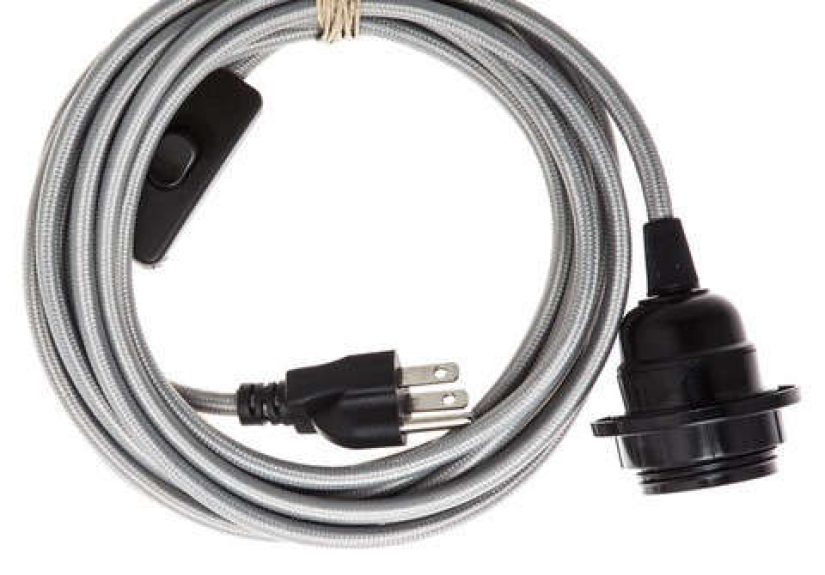
Use a mix of table lamps, floor lamps, sconces, pendants, and candles. A living room may need a floor lamp near a reading chair, a table lamp beside the sofa, and accent lighting on a shelf. A bedroom may need bedside lamps and a soft lamp on a dresser. A kitchen may benefit from under-cabinet lighting or a small lamp on a counter if space allows.
Lamps also add shape, color, and texture. A ceramic lamp, brass lamp, woven shade, or sculptural base can act like decor even when turned off.
Bring in Plants and Natural Elements
Plants make almost every room better. They add color, organic shape, and a sense of freshness. If you are not a plant expert, start with forgiving options such as pothos, snake plants, ZZ plants, or philodendrons. If you are known in your household as “the plant reaper,” high-quality faux greenery is allowed. No judgment. The ficus does not need to know.
Natural elements also include branches, dried flowers, stones, shells, driftwood, pinecones, woven fibers, and wood accessories. These materials make rooms feel grounded and relaxed. A bowl of collected stones, a vase of branches, or a rattan basket can add beauty without feeling fussy.
Decorate With Art and Personal Collections
Wall art is one of the most expressive home accessories. It can be modern, vintage, abstract, traditional, photographic, handmade, or deeply personal. The best art does not have to be expensive. Framed postcards, children’s artwork, black-and-white family photos, vintage maps, fabric pieces, and local prints can all look beautiful when displayed thoughtfully.
Collections can also become decor. If you collect pottery, books, baskets, records, cameras, or travel mementos, display them in a way that feels organized. Group similar items together for impact. A collection looks intentional when it has a clear theme, repeated material, or dedicated display area.
Room-by-Room Home Accessories Ideas
Living Room Accessories
For the living room, focus on comfort and conversation. Use pillows, throws, a rug, lamps, coffee table books, trays, baskets, plants, and meaningful art. Keep the coffee table functional by leaving space for drinks, snacks, or actual living. A good formula is one tray, one stack of books, one natural element, and one decorative object.
Bedroom Accessories
In the bedroom, choose accessories that support rest. Soft bedding, layered pillows, blackout curtains, bedside lamps, a cozy rug, calming artwork, and a small tray for nighttime essentials can make the room feel peaceful. Avoid too many stimulating colors or cluttered surfaces if your goal is better sleep.
Kitchen Accessories
Kitchen accessories should be attractive and useful. Try wooden cutting boards, ceramic utensil crocks, fruit bowls, small lamps, washable runners, pretty dish towels, glass jars, and herb plants. Keep counters edited. A kitchen looks better when everyday items have a place and appliances are not hosting a countertop convention.
Bathroom Accessories
Bathrooms benefit from small upgrades. Use matching towels, a stylish soap dispenser, a tray for toiletries, baskets for storage, a small plant, framed art, and a good bath mat. If space is limited, choose wall shelves or lidded containers to keep surfaces neat.
Entryway Accessories
The entryway sets the tone for the home. Add a mirror, a small table or bench, hooks, a bowl for keys, a basket for shoes, and a lamp if there is an outlet. Even a tiny entry can feel welcoming with a runner rug and wall-mounted storage.
Budget-Friendly Home Accessories Tips
Beautiful decorating does not require buying everything new. Some of the best accessories are affordable, secondhand, handmade, or already hiding in your home.
Shop your own rooms first. Move a lamp from the bedroom to the living room. Place a serving bowl on the coffee table. Turn a scarf into framed textile art. Use outdoor garden stools indoors as side tables. Stack old books under a vase. Rearranging what you already own can make a room feel fresh without spending a dollar.
Thrift stores, estate sales, flea markets, antique malls, and local craft fairs are excellent sources for unique decor. Look for frames, mirrors, baskets, pottery, lamps, trays, candlesticks, and small furniture. Vintage pieces add character and help a room avoid that “everything came from the same online cart” feeling.
When buying new, spend more on pieces you will use daily, such as lamps, rugs, curtains, and storage baskets. Save on trend-driven items like seasonal pillows, small decorative objects, and holiday decor.
Common Home Accessory Mistakes to Avoid
Using Too Many Small Items
Lots of tiny accessories can make a room feel busy. Choose fewer, larger pieces for stronger impact. Instead of five small candles, try one substantial candle on a tray with matches and a small vase.
Matching Everything
Matching sets can make a space feel flat. Mix materials, eras, and shapes. A modern lamp can work with a vintage table. A traditional rug can warm up a contemporary sofa. Contrast creates interest.
Ignoring Scale
Scale matters. A tiny picture over a large sofa looks lost. A huge vase on a narrow shelf looks nervous. Match accessories to the size of the furniture and wall around them.
Forgetting Function
Decor should support your life. If you have children, pets, or frequent guests, choose durable accessories. Avoid fragile items on low shelves, sharp objects on coffee tables, or white textiles in zones where snacks mysteriously multiply.
Experience-Based Ideas for Decorating With Home Accessories
One of the most useful lessons about home accessories is that a room rarely comes together in one shopping trip. The best spaces usually evolve. You might start with a rug, add pillows later, find the right lamp months after that, and eventually discover the perfect piece of art when you are not even looking for it. This slower approach often creates a home that feels more natural and personal.
When styling a room, begin by removing more than you add. Clear the surfaces, step back, and look at the shapes, colors, and empty areas. Then bring accessories back in groups. On a coffee table, try a tray, a book stack, a candle, and something organic like flowers or a small plant. On a shelf, combine books, a framed piece of art, and one sculptural item. On a bed, start with good bedding, then add only enough pillows to make it inviting without turning bedtime into a nightly excavation.
Another real-world tip is to decorate for your habits, not your fantasy self. If your family drops shoes at the door, use a basket or cabinet there. If you read in the living room, add a lamp and a small table where you actually sit. If your dining table becomes a mail station, add a tray or wall organizer nearby. Accessories work best when they make daily life smoother.
Color experiments are easier with accessories than with big-ticket items. If you love a bold shade but are nervous about using it, try it first in a pillow, vase, lampshade, or piece of art. If it makes you smile after a few weeks, keep going. If it starts annoying you, congratulations: you learned something without repainting the entire room.
Seasonal decorating also becomes easier when you keep a strong base. Use neutral or classic foundational pieces, then rotate smaller accessories. In spring, add lighter textiles, fresh greenery, and soft colors. In summer, bring in woven textures, glass, and breezy linens. In fall, use warmer tones, thicker throws, and natural accents like branches or dried flowers. In winter, layer candles, metallic finishes, evergreen touches, and cozy fabrics.
The most important experience-based advice is to avoid decorating for approval. A beautiful home should support the people who live in it. If you love family photos, display them. If you collect colorful pottery, let it shine. If your favorite accessory is a funny little ceramic frog from a road trip, give him a place of honor. Personality is what keeps a room from looking like a hotel lobby with better Wi-Fi.
Conclusion
Home accessories are the finishing touches that turn rooms into stories. They add comfort, color, texture, storage, light, and personality. Whether you are styling shelves, choosing rugs, layering pillows, hanging mirrors, decorating with plants, or organizing with baskets, the best approach is thoughtful and personal.
You do not need to follow every trend or fill every surface. Start with function, choose pieces that support your style, mix textures and heights, leave some breathing room, and let your home evolve over time. A well-accessorized home does not have to look perfect. It should feel welcoming, useful, and unmistakably yours.
Note: This article was written as original, publication-ready web content based on widely accepted interior design principles, current decorating practices, and practical home styling guidance.





 Close
Close