
Table of Contents >> Show >> Hide
- What Is a Ground Chicken Pizza Crust (and Why It Works)?
- The “Meat-to-Crust” Science (No Lab Coat Required)
- Ingredients You Need (and Smart Substitutions)
- Step-by-Step: A Foolproof Method for a Sliceable Crust
- Topping Ideas That Won’t Turn Your Crust Into a Swamp
- Protein & Nutrition: What You’re Actually Getting
- Troubleshooting: Fixes for the 5 Most Common Problems
- Meal Prep & Storage: Make It Once, Eat Like a Genius Later
- Kitchen Experiences: of “What It’s Really Like” Making Chicken Crust
- Conclusion: Pizza Night, But Make It Protein
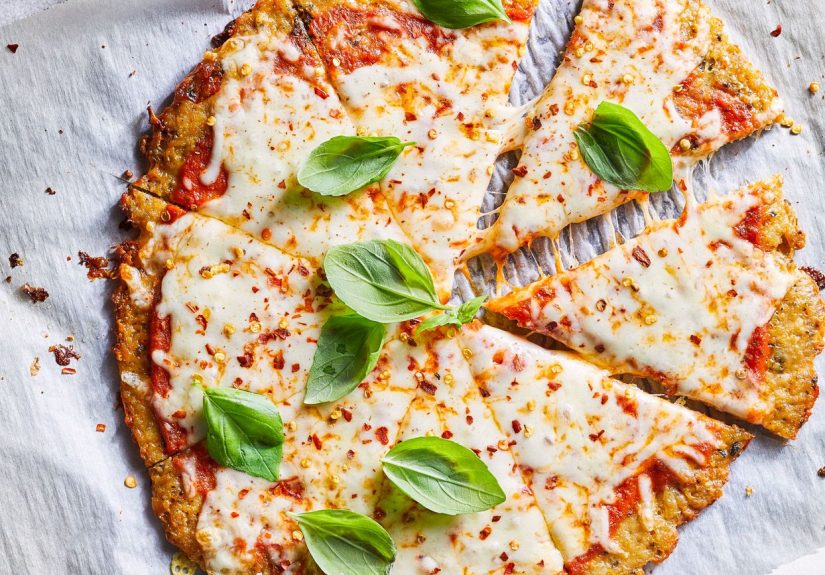
Imagine pizza night where the “crust” pulls its weightliterally. Instead of a flour-based dough that politely contributes carbs and vibes, this high-protein ground chicken pizza crust shows up like it pays rent. It’s savory, sturdy, naturally gluten-free, and (bonus) it can be customized into everything from classic margherita to spicy chicken parm to “I raided the fridge and have no regrets.”
If you’ve ever wanted pizza that fits a higher-protein lifestylewithout tasting like “diet food”a ground chicken crust is the sweet spot: crisp edges, a chewy middle, and enough protein to keep you full long after the last slice disappears.
What Is a Ground Chicken Pizza Crust (and Why It Works)?
A ground chicken pizza crust replaces traditional dough with a thin layer of seasoned ground chicken mixed with binders (usually egg and/or cheese). When baked, the proteins set, moisture evaporates, and you get a sliceable base that can handle sauce and toppingsno rolling pin, no yeast, no “Did I kill the yeast?” existential crisis.
People love it because it’s:
- High in protein compared to flour crusts
- Low in carbs (often close to zero carbs for the crust itself)
- Gluten-free by default
- Weeknight-friendly (mix, press, bake, top, bake again)
The “Meat-to-Crust” Science (No Lab Coat Required)
1) Protein sets like a natural glue
Ground chicken is packed with proteins that firm up as they cook. When you spread the mixture thin and bake it hot, those proteins set into a cohesive layersimilar to how a meatloaf holds together, but flatter and crispier.
2) Cheese helps with structure and browning
Parmesan and mozzarella don’t just add flavor; they help bind the mixture and encourage browning. Parmesan is especially useful because it’s dry and salty (two things pizza crust dreams are made of).
3) Thickness is everything
Too thick and the center steams (soft, wet, and a little tragic). Too thin and it can dry out or crack. The goldilocks zone for most pans is about 1/4 inch, up to 1/2 inch if you’re going for a softer, more “flatbread” vibe.
Ingredients You Need (and Smart Substitutions)
Think of this as the “core build,” then customize based on your taste and macro goals.
The core build
- Ground chicken (about 1 lb)
- Cheese: shredded mozzarella + grated Parmesan
- Seasonings: garlic, Italian seasoning, salt, pepper
- Optional binder: 1 egg (adds stability and helps it slice cleanly)
Substitutions that actually work
- Ground turkey: similar method, slightly different flavor.
- Egg-free: increase mozzarella + Parmesan a bit and press firmly; it can still hold together, just be gentle when slicing.
- Dairy-light: reduce cheese and keep the egg; browning may be less dramatic, so consider a short broil at the end.
- Extra crisp: add 1–3 Tbsp of panko or almond flour (not required, but it can help absorb moisture).
Step-by-Step: A Foolproof Method for a Sliceable Crust
Step 0: Safety setup (fast, important, not scary)
Raw poultry is no time for “I’ll clean later.” Wash hands, keep raw chicken away from ready-to-eat foods, and don’t rinse raw chicken (it can spread germs around your kitchen). Use separate utensils and cutting boards, and sanitize surfaces once you’re done.
Step 1: Preheat and prep the pan
Preheat your oven to 400°F. Line a baking sheet or pizza pan with parchment paper. (Parchment is the difference between “pizza night” and “why is my crust fused to the pan like a kitchen curse?”)
Step 2: Mix the crust
In a bowl, combine:
- 1 lb ground chicken
- 1/2 cup shredded mozzarella
- 1/4 cup grated Parmesan
- 1 egg (optional but recommended)
- Garlic (fresh or powder), Italian seasoning, salt, pepper
Mix thoroughly (clean hands are best here) until evenly combined.
Step 3: Press it thin and even
Place the mixture on the parchment-lined pan. To make shaping easier, you can press it between two sheets of parchment, then peel off the top sheet. Aim for a round or rectangle about 1/4 inch thick (up to 1/2 inch if you prefer).
Step 4: Bake the crust until firm
Bake for 35–45 minutes, until the edges are browned and the surface feels set. If there’s visible liquid, carefully blot it with paper towels (or gently tilt the pan and spoon it off) so your toppings don’t slide into a sad, soggy puddle.
Step 5: Verify doneness (yes, with a thermometer)
Because it’s ground poultry, the safe target is 165°F at the thickest point. If you’re thinking, “But it looks done,” remember: color and texture can lie. Thermometers don’t.
Step 6: Add toppings and finish
Add a light layer of sauce (go easy), then cheese and toppings. Return to the oven for 8–12 minutes, until the cheese melts and bubbles. Optional: finish with 1–3 minutes of broil for extra browningjust keep an eye on it like it owes you money.
Topping Ideas That Won’t Turn Your Crust Into a Swamp
With chicken crust, moisture is the main villain. Choose toppings that are bold but not watery, and cook or drain anything that releases a lot of liquid.
1) Classic Pepperoni + Basil (the crowd-pleaser)
Use a thin smear of sauce, mozzarella, pepperoni, then fresh basil after baking. It’s simple, salty, and reliably sliceable.
2) Chicken Parm “Pizza”
Keep it cozy: marinara (light layer), mozzarella, extra Parmesan, oregano, basil. You get chicken parm vibes with fewer steps and a very smug protein count.
3) Buffalo Caesar
Bake the crust, then top with Buffalo sauce, cheese, and finish with a crisp Caesar salad (add the salad after the hot bake so it stays crunchy). This combo is weirdly addictivein the “Why is this so good?” way.
4) BBQ Ranch “Chicken Pizza” Energy
BBQ sauce (thin), mozzarella, red onion, cooked bacon bits, then a drizzle of ranch after baking. Not subtle. Not trying to be.
Protein & Nutrition: What You’re Actually Getting
Exact macros depend on the leanness of your ground chicken and how much cheese you use. But here’s the general advantage: traditional crust is mostly carbs, while chicken crust is mostly protein.
For a practical benchmark, a serving of cooked ground chicken is often around ~30g protein per 4 oz (varies by fat content and brand). Add mozzarella and Parmesan, and a slice can easily land in “post-workout meal” territoryeven if you never worked out and simply stood near a dumbbell once.
Want to keep it balanced? Pair your chicken-crust pizza with a big salad or roasted vegetables. High-protein doesn’t mean “vegetables are canceled.”
Troubleshooting: Fixes for the 5 Most Common Problems
Problem 1: “It’s sticking!”
Use parchment paper. Full stop. Also let the crust rest 5 minutes after baking; it releases more cleanly once it’s not screaming hot.
Problem 2: “It’s watery and floppy.”
Spread thinner, bake longer, and blot off moisture before topping. Also go lighter on sauce and avoid raw watery toppings (fresh tomatoes, mushrooms) unless you pre-cook them.
Problem 3: “It crumbles when I slice.”
Add the egg next time, increase Parmesan slightly, and press the mixture more firmly. Also, slice after it cools for a few minuteshot crust is fragile.
Problem 4: “It’s dry.”
Consider using ground chicken that isn’t ultra-lean (a bit more fat can be more forgiving), avoid overbaking, and add a touch more mozzarella.
Problem 5: “The middle won’t cook through.”
The center is usually thicker than you think. Press more evenly, use a larger pan, and verify 165°F at the thickest point.
Meal Prep & Storage: Make It Once, Eat Like a Genius Later
- Make-ahead crust: Bake the crust fully, cool, wrap, and refrigerate 3–4 days. Add toppings fresh and reheat.
- Freezing: Freeze the baked crust (or finished slices) with parchment between layers. Reheat in a hot oven or toaster oven.
- Reheating: Oven/toaster oven keeps it crisp. Microwave works, but you’ll trade crispness for speedlike all of adulthood.
Kitchen Experiences: of “What It’s Really Like” Making Chicken Crust
The first time you make a high-protein ground chicken pizza crust, the experience is usually equal parts excitement and suspicion. There’s a momentright after you press raw chicken into a circlewhere your brain whispers, “This is not pizza. This is a crime scene.” Totally normal. Keep going.
Most people’s first surprise is how much evenness matters. You’ll think you pressed it flat, but the center often ends up thicker (because your hands naturally push outward). Then the edges brown beautifully while the middle stays softer and takes longer. The fix is annoyingly simple: press with intention, like you’re smoothing concrete for a tiny delicious driveway. If you want to feel extra competent, press it between parchment sheets so it spreads evenly without sticking to your hands.
The second “aha” moment is moisture. Ground chicken releases juices and fat as it bakes. If you ignore that liquid and pile on sauce, you can accidentally create a topping slip-n-slide. The best real-world habit is a quick mid-bake check: if you see a lot of liquid, carefully blot or spoon it off. This tiny step is the difference between “crispy, sliceable pizza” and “fork-required protein casserole” (which is still tasty, just emotionally different).
Then comes the topping strategy phasewhere you learn that chicken crust rewards restraint. Heavy sauce and watery vegetables can overwhelm it, especially if you’re chasing a crisp bite. That’s why people who make this often gravitate toward bold, lower-moisture toppings: pepperoni, cooked sausage, shredded chicken, roasted peppers, olives, and a reasonable amount of cheese. Fresh basil and arugula? Amazing. A mountain of raw mushrooms? Only if you enjoy living dangerously.
There’s also a very relatable learning curve with doneness. Many home cooks used to dough crust assume “golden edges” means doneand it’s close, but ground poultry needs to hit 165°F. Once you use a thermometer a couple of times, it becomes weirdly empowering: you stop guessing, you stop overcooking “just in case,” and suddenly your crust is both safe and juicier. (Confidence is delicious.)
Finally, you’ll notice a funny lifestyle shift: this crust tends to turn pizza into an actual meal instead of a snack you keep “sampling” while pretending you’re waiting for everyone else. The protein makes it satisfying, and leftovers reheat shockingly well in a toaster oven. Many people end up doing a double batch: one for dinner, one for next-day lunchbecause once you realize pizza can be meal prep, you may never emotionally recover (in a good way).
Conclusion: Pizza Night, But Make It Protein
A high-protein ground chicken pizza crust is one of those rare internet food trends that actually delivers: it’s flavorful, customizable, and genuinely filling. Keep it thin, bake it until firm, manage moisture, and always verify 165°F. After that, the topping universe is yourspepperoni classic, chicken parm comfort, buffalo Caesar chaos, you name it.
If you try it once, you’ll probably try it againpartly because it’s tasty, and partly because it’s extremely satisfying to tell people, “Yeah, the crust is chicken,” and watch them do the math in their head.






 Close
Close