
Table of Contents >> Show >> Hide
- What Exactly Is the Artichoke Lamp?
- Why the Artichoke Lamp Became an Icon
- The “High” in High/Low: Why Designers Still Splurge
- The “Low” in High/Low: How to Borrow the Look Without Buying the Legend
- Where the Artichoke Lamp Works Best
- When It Is Less Than Ideal
- How the Artichoke Changed the Conversation Around Lighting
- Buying, Styling, and Living With an Artichoke Lamp
- Experience Notes: Living Around an Artichoke Lamp
- Conclusion
Some light fixtures illuminate a room. The Artichoke Lamp walks in, clears its throat politely, and becomes the room. Officially known as the PH Artichoke, this famous pendant by Danish designer Poul Henningsen has spent decades doing something few objects manage well: being dramatic without being tacky, sculptural without being fussy, and luxurious without feeling like it is trying too hard. In other words, it is the rare design classic that can impress architects, interior designers, museum curators, and regular people who just walked in and said, “Wait, what is that?”
That reaction is part of the magic. The Artichoke Lamp is instantly recognizable, yet it never feels ordinary. Its overlapping metal leaves form a glowing globe that looks botanical, futuristic, and quietly glamorous all at once. It has the kind of visual confidence that makes a dining room feel smarter, a lobby feel richer, and a staircase landing feel like it finally got its act together. But the Artichoke is not famous just because it is pretty. It became iconic because it solved a real lighting problem with uncommon elegance.
This is where the “high/low” conversation gets interesting. On the high end, the Artichoke Lamp is one of the most celebrated statement lights in modern design history. On the low end, it also teaches lessons anyone can borrow: layer light, hide glare, use shape to soften technology, and let one great object carry more weight than ten forgettable ones. Whether you are dreaming about the original or simply stealing its best ideas for a more attainable space, the Artichoke remains a master class in how lighting can shape mood, architecture, and memory.
What Exactly Is the Artichoke Lamp?
The Artichoke Lamp was designed in 1958 by Poul Henningsen for the Langelinie Pavilion in Copenhagen, and it was produced by Louis Poulsen, the Danish lighting manufacturer that helped turn Henningsen’s ideas into design history. The fixture takes its nickname from the vegetable it resembles, though “vegetable” feels a little unfair. This is less farmers market, more glowing sculpture with excellent posture.
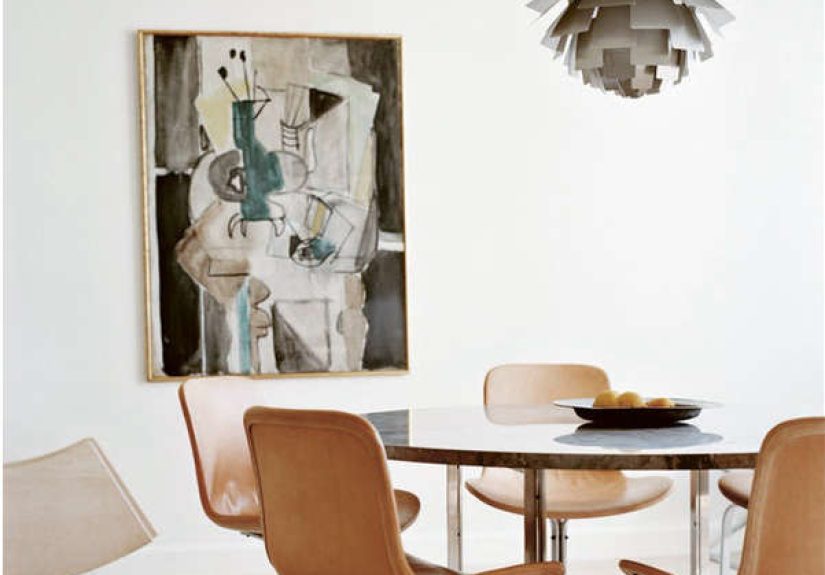
Its form is built from layered “leaves” arranged around the bulb so that the light source is concealed from nearly every angle. That detail matters. Henningsen spent much of his career trying to tame the harshness of electric light. Rather than treating a bulb as something to show off, he treated it as something to civilize. The Artichoke does exactly that: it hides the raw glare, reflects the light across its surfaces, and sends a warm, diffused glow into the room.
The result is a pendant that feels both engineered and organic. It behaves like a precision tool for visual comfort, but it looks like a chandelier and a sculpture had a very stylish child. That dual identity is a big reason the lamp still feels relevant. It is not nostalgic in a dusty way. It is timeless in a “How is this still cooler than most things made last week?” way.
Why the Artichoke Lamp Became an Icon
It solved glare without sacrificing beauty
Many decorative fixtures ask you to choose between atmosphere and usability. They either look beautiful and blind everyone at the table, or they provide decent light while resembling office equipment with commitment issues. The Artichoke avoided that trap. Its layered construction allows the bulb to disappear while the fixture itself glows. You get ambient light, reflected light, and a softly theatrical presence instead of one rude beam aimed straight at your retinas.
That achievement sounds simple now because so many later fixtures borrowed the same logic. In 1958, however, it felt revolutionary. Henningsen proved that comfort and spectacle did not have to be enemies. Good lighting could be technically intelligent and emotionally generous at the same time.
It turned a practical object into sculpture
Most lamps are functional items first and visual personalities second. The Artichoke reversed the hierarchy without forgetting the job. Even when it is turned off, it has a strong architectural presence. The layered leaves create rhythm, shadow, depth, and movement. Walk around it, and it changes. Stand beneath it, and it feels ceremonial. Glance at it from a distance, and it reads as an object of almost impossible balance.
This sculptural quality explains why the lamp appears in so many design conversations. It is not merely a pendant light; it is an atmosphere machine. It helps define a room’s identity before anyone comments on the flooring, the dining chairs, or the painfully expensive stone countertop someone is hoping you notice.
It sits perfectly between nature and modernism
The Artichoke’s genius is that it never feels too cold or too decorative. The silhouette is inspired by nature, yet the execution is rigorously modern. That balance gives the fixture a broad emotional range. It works in midcentury interiors, contemporary homes, refined restaurants, and public spaces because it feels both soft and disciplined. It is organic enough to warm a room and geometric enough to sharpen it.
In design terms, that combination is gold. Or copper. Or brushed brass. The finish depends on your budget and how fancy you were planning to be that year.
The “High” in High/Low: Why Designers Still Splurge
On the high end of the decorating spectrum, the Artichoke Lamp earns its reputation for several reasons. First, it has pedigree. A fixture with documented design history, museum recognition, and decades of admiration comes with cultural weight. Buying one is not just buying lighting; it is buying into a lineage of modern design.
Second, it delivers craftsmanship that is difficult to fake with conviction. The layered leaves, the precision of the assembly, and the quality of the materials all contribute to the fixture’s extraordinary depth. An original Artichoke does not just occupy space; it articulates space. It catches light during the day, throws mood at night, and maintains its presence from every angle.
Third, it solves a decorating problem many people do not realize they have: how to create a focal point without visual chaos. A room full of trendy objects can feel busy and forgettable. A room with one major gesture often feels calmer and more memorable. The Artichoke is that major gesture. It can anchor a dining room over a table, elevate a double-height entry, or add gravity to a minimalist living area that might otherwise drift into “beautiful but emotionally unavailable.”
That is why top-tier interiors continue to use it. The lamp brings sculptural authority, historical credibility, and a remarkably flattering glow. It is the design equivalent of someone who enters a party wearing one excellent coat and somehow outdresses everyone trying much harder.
The “Low” in High/Low: How to Borrow the Look Without Buying the Legend
Now for the useful part. Even if an original Artichoke is not in your budget, its logic absolutely can be. High/low decorating is not about pretending a less expensive object is the same thing. It is about understanding what made the classic work, then applying those principles in a more accessible way.
Prioritize layered silhouettes
The Artichoke’s power comes from depth and repetition. Look for fixtures with overlapping petals, slats, leaves, or shades that create dimension. Flat fixtures often disappear; layered ones create character. Even when the material is simpler, the sense of volume can still capture some of the Artichoke’s magic.
Choose light that shields the bulb
One of Henningsen’s greatest lessons is also one of the easiest to use: if you can see the naked bulb from everywhere in the room, the fixture is probably working against comfort. Choose pendants that diffuse or redirect light. Frosted globes, layered shades, and indirect designs all help create a softer mood that feels more expensive than bare-bulb brightness.
Use warm finishes with restraint
Copper, brass, and soft metallic finishes can echo the Artichoke’s richness, but balance matters. Pair warm metals with natural wood, matte paint, plaster, linen, or stone so the room feels collected rather than aggressively shiny. The Artichoke is glamorous, yes, but it is never gaudy. That distinction is doing a lot of work.
Let one object lead
If you want the room to feel elevated, do not compete with your ceiling light. Keep surrounding furniture relatively calm and let the fixture carry the drama. A great pendant above a simple table often feels more luxurious than a room full of “statement” pieces arguing with one another like undercaffeinated panelists on a morning show.
Where the Artichoke Lamp Works Best
Dining rooms: This may be the Artichoke’s most natural habitat. Hung above a table, it feels intimate, flattering, and just formal enough. It creates a pool of light without the social hostility of exposed bulbs, which is excellent news for dinner, conversation, and anyone who would prefer not to be interrogated by their chandelier.
Entry halls and stairwells: In taller spaces, the lamp reads like suspended architecture. It fills vertical volume beautifully and creates an immediate sense of arrival. Even a relatively minimal entry can become memorable when an Artichoke is doing the welcoming.
Living spaces with clean lines: In restrained rooms, the fixture becomes a sculptural counterpoint. It softens hard angles and gives contemporary interiors a touch of warmth and humanity.
Hospitality settings: Restaurants, boutique hotels, and lounges love the Artichoke because it communicates taste while improving atmosphere. It is photogenic without being gimmicky, and that is a combination the hospitality world never says no to.
When It Is Less Than Ideal
Not every room needs an Artichoke. In very low ceilings, the fixture can feel crowded. In heavily decorated interiors packed with pattern and ornament, it may lose some of its sculptural clarity. And in tiny rooms that need pure task lighting, a different solution may be more practical.
This does not make the lamp difficult. It makes it specific. Great design is often specific. The Artichoke performs best when it has enough breathing room to show its shape and enough darkness or contrast to let its glow matter.
How the Artichoke Changed the Conversation Around Lighting
The Artichoke helped cement an idea that now feels obvious but was once radical: lighting should be designed for human experience, not just illumination levels. A room is not better because it is brighter. It is better when the light supports comfort, texture, mood, and use. Henningsen understood that early, and the Artichoke became one of the clearest expressions of that philosophy.
That legacy is visible everywhere now. Contemporary fixtures regularly conceal bulbs, use layered shades, and blend decorative presence with softer light distribution. Many newer pendants owe a conceptual debt to the Artichoke even when they look quite different. The lamp did not just become famous; it changed expectations.
It also helped reinforce the idea that lighting belongs in serious design history. Museums, collectors, and design publications treat the Artichoke as more than a functional object because it demonstrates how a useful thing can carry artistic, cultural, and emotional value. Put simply: it is a lamp, yes, but it is also a design argument that still wins.
Buying, Styling, and Living With an Artichoke Lamp
If you are considering the real thing, think less about trends and more about context. The Artichoke is not a trendy purchase. It is a long-term design decision. It works best when the room already values proportion, material honesty, and thoughtful lighting. It does not need everything around it to be Scandinavian, but it does appreciate company that knows how to behave.
Styling-wise, the fixture pairs especially well with natural woods, stone, wool, leather, matte walls, and upholstery in quiet tones. It can also look incredible against deeper colors that heighten the glow. The key is contrast with composure. Let the lamp be the jewelry, not the entire costume department.
And then there is the emotional side of living with a piece like this. Great lighting changes routines. It makes everyday dinners feel slower, hallways feel more intentional, and rooms feel inhabited rather than merely furnished. The Artichoke’s endurance comes from this human effect. People remember how it looks, but they keep loving it because of how it makes a space feel.
Experience Notes: Living Around an Artichoke Lamp
To understand the Artichoke Lamp fully, it helps to think beyond catalog descriptions and into lived experience. The fixture does not simply occupy the ceiling; it choreographs the room underneath it. Morning, afternoon, evening, empty house, full dinner party, quiet Tuesday, noisy holiday meal: it behaves slightly differently each time, and that adaptability is part of its charm.
In daylight, the Artichoke often reads as sculpture first and lighting second. Sun catches the edges of the leaves and creates little shifts in tone across the surface. Copper versions feel especially alive at this hour, warming up as the day changes. The lamp becomes a suspended object with texture and depth, almost like a design piece in conversation with the architecture around it. You do not even need to switch it on to understand why people stop and stare. It has presence when silent.
By late afternoon, especially in rooms with natural shadows, the fixture starts preparing for its main event. This is where the layered geometry really earns its keep. Even before the lamp is lit, the object creates visual softness. Hard corners feel less severe. A dining table below it starts to look less like furniture and more like a place where something pleasant ought to happen soon. You get the sense that the room is settling into itself.
Then evening arrives, and the Artichoke does what iconic lighting does best: it changes the emotional temperature. Once illuminated, the fixture creates a glow that feels intentional rather than generic. The light is not dumped into the room; it is released gradually, reflected, filtered, and shaped. Faces look better. Surfaces look richer. Glassware sparkles without turning the whole dinner into a spotlight audition. You can see why restaurants and hospitality spaces have long loved this fixture. It flatters people while preserving atmosphere, which is basically social diplomacy in lamp form.
There is also a psychological effect to living with a light this distinctive. Rooms with a true focal fixture tend to get used more deliberately. People gather beneath them. They linger. They pause before rushing out of a hallway or cutting dinner short. A strong pendant can quietly organize behavior, and the Artichoke is particularly good at it because it gives a room a center of gravity. That sounds lofty, but in practice it means the space feels composed. The room knows what it is doing.
Even solo moments benefit. Picture reading at the table after everyone else has gone to bed, or making tea in the near-dark, or setting out plates before guests arrive. The Artichoke brings a ceremonial quality to ordinary actions. Nothing about it feels disposable. It reminds you that design is not only about owning impressive things; it is about improving repeated experiences. The same fixture that dazzles visitors can also make quiet domestic habits feel calmer and more beautiful.
That may be the most enduring lesson of the Artichoke Lamp. Its fame comes from form, but its staying power comes from feeling. It makes rooms glow without showing off the bulb, adds luxury without demanding clutter, and turns light into atmosphere with almost suspicious ease. Plenty of objects are photogenic. Far fewer are memorable to live with. The Artichoke, decades after its debut, still manages to be both.
Conclusion
The PH Artichoke remains iconic because it solved a technical problem with uncommon grace and then kept looking extraordinary while doing it. It softened glare, elevated modern interiors, and gave lighting a place in the larger story of design culture. On the high end, it is a collectible classic with museum-level credibility. On the low end, it is a blueprint for better decorating: layer forms, soften the light, use one strong focal point, and remember that comfort is part of luxury.
That is why the Artichoke Lamp still matters. It is not just a beautiful pendant from 1958. It is a reminder that the smartest design rarely shouts. It glows.







 Close
Close