
Table of Contents >> Show >> Hide
- Why Red Task Light Is Trending Again
- High vs. Low: What You’re Actually Paying For
- The Science: What Red Light Can Do (and What It Can’t)
- How to Choose the Right Red Task Light
- High/Low Buying Strategies That Actually Work
- Room-by-Room Ideas
- Examples of High/Low Market Positioning
- Five Mistakes to Avoid
- A Simple 10-Minute Setup Formula
- 500-Word Experience Section: Life With High/Low Red Task Lights
- Conclusion
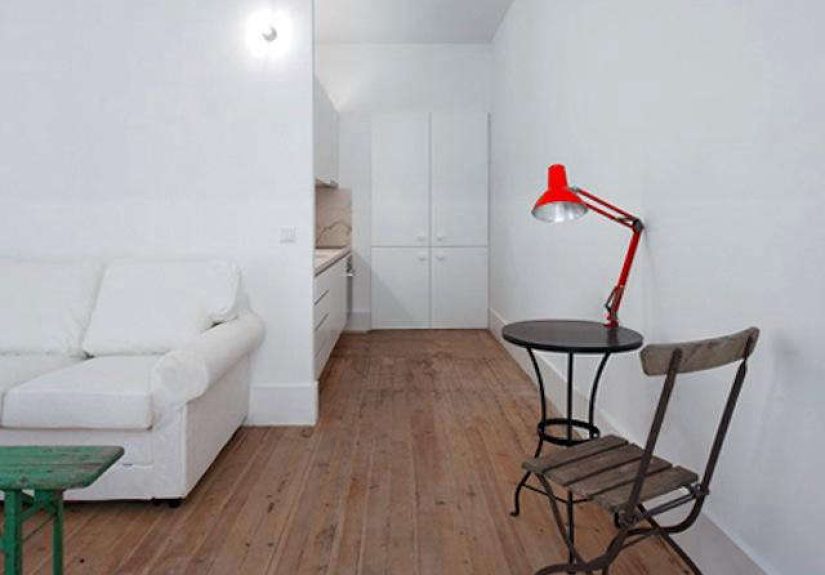
Red task lighting used to live in niche worlds: darkrooms, cockpits, astronomy clubs, and the occasional moody café that wanted everyone to look mysterious while ordering espresso. Now it’s showing up in home offices, bedside reading setups, studios, gaming desks, and even kitchen corners where people pretend meal prep is a cinematic event.
But here’s the big question: should you buy the budget red lamp and call it a day, or spend real money on a premium piece? The answer is not “always go high” or “always go low.” The answer is smarter than that. This guide breaks down what matters, what’s marketing glitter, where red light actually helps, where it can backfire, and how to build a stylish setup that works for your eyes, your schedule, and your wallet.
We’ll cover design, ergonomics, sleep science, night-vision use cases, and practical buying strategy. Think of this as your no-nonsense, slightly-fun roadmap to making red task lighting look expensive even when your budget says, “Please calm down.”
Why Red Task Light Is Trending Again
Two trends collided. First, people now treat lighting as part of personal style, not just utility. A lamp is no longer “that thing on the desk.” It’s a personality signal. Red, in particular, reads as bold, creative, and intentional.
Second, people are learning that not all evening light behaves the same. Short-wavelength light (especially blue-rich light) has a stronger effect on circadian timing and melatonin signaling, while red light generally has less impact at moderate levels. That opened the door for red night-use lamps in bedrooms and late-night work zones.
Translation: red task light sits at the intersection of style and function. It can look great and solve real problemsif you choose and place it correctly.
High vs. Low: What You’re Actually Paying For
Low Tier (Usually Under $50)
Budget red task lights are often stronger than people expect. You can get adjustable necks, clamp options, USB power, touch controls, and decent LED output. If your goal is practical light for simple tasks, low-tier options can absolutely deliver.
- Best for: students, second desks, dorms, maker corners, kids’ homework stations.
- Common strengths: affordability, portability, quick setup, low risk if style changes.
- Common tradeoffs: uneven light spread, lower durability, less precise dimming, shorter warranty.
Mid Tier (About $50–$180)
This is often the sweet spot. You get better arm mechanics, steadier bases, better dimming behavior, and cleaner light quality. Materials improve (metal instead of lightweight plastic), and designs feel intentional rather than disposable.
- Best for: everyday desk work, hybrid office setups, design-conscious rooms.
- Why it wins: better value over time, fewer annoyances, better consistency for focused tasks.
High Tier (About $180 and Up)
Premium red task lights are about precision and longevity. You’re paying for refined engineering: smoother articulation, less drift, better heat management, better finish quality, and in some cases, iconic design value.
- Best for: long-hour professionals, creative studios, people who care about furniture-grade aesthetics.
- What improves most: build quality, control precision, visual comfort, and lifespan confidence.
The Science: What Red Light Can Do (and What It Can’t)
1) Evening Use and Sleep Friendliness
Red light is often called “sleep friendly” because it tends to interfere less with melatonin signaling than blue-rich light. That makes it useful for winding down, navigating your room at night, or doing light tasks before bed.
Important caveat: brightness still matters. Very bright red light can still be stimulating, and any nighttime light exposure can influence biology if intense enough or used long enough. So don’t read “red” as a magic shieldread it as “usually gentler when dim.”
2) Night Vision and Dark Adaptation
Red light has long been used in astronomy and aviation contexts because dim red illumination can help preserve dark adaptation better than bright white light. That’s why many headlamps and cockpit tools include red mode.
But there’s a tradeoff: red light can distort color perception. If your task depends on color accuracy (maps, wires, paint, photos, fabric matching), pure red light is not your best friend.
3) Eye Comfort Is Mostly About Placement, Not Color Alone
Glare, poor contrast, and bad lamp angle are major causes of discomfort. If the light reflects off your screen or blasts directly into your eyes, red won’t save the setup. Proper positioning, controlled brightness, and balanced room lighting matter more than trendy color alone.
How to Choose the Right Red Task Light
Check the Beam Behavior First
You want usable light on the task area, not a glowing “vibe blob” that looks cool but does nothing. Look for directional heads, adjustable arms, and dimming that gives smooth steps (not just “blinding” and “dim cave”).
Don’t Ignore Color Rendering
If you do detail work, choose a lamp that can switch to warm white or neutral white in addition to red mode. Pure red is great for specific nighttime conditions, but mixed-use desks need better color fidelity for everyday work.
Prioritize Mechanical Stability
A wobbly lamp is a daily annoyance. Good hinges and balanced springs are worth paying for. If you adjust your lamp often, build quality matters more than flashy features.
Choose the Right Form Factor
- Clamp lamp: best for small desks and standing desks.
- Weighted-base desk lamp: easy to move and style.
- Wall-mounted task light: clean look, frees desktop space.
Match the Red Tone to the Room
Not all reds are equal. Cherry red feels energetic. Brick red feels warm and grounded. Oxblood feels premium and moody. If your room has wood, warm neutrals, or black accents, deeper reds usually look more cohesive than bright toy-like reds.
High/Low Buying Strategies That Actually Work
Strategy A: Low Lamp, High Bulb
Buy an affordable fixture with decent adjustability and pair it with a quality flicker-conscious LED bulb from a trusted line. You often get better real-world performance than buying a fancy-looking lamp with a mediocre integrated LED.
Strategy B: High Arm, Low Accent
Invest in one premium work lamp for your primary desk, then use lower-cost red accent/task lights in secondary zones. This gives you premium ergonomics where it counts and style consistency everywhere else.
Strategy C: One Lamp, Two Modes
For people who work late, a tunable lamp is ideal: neutral white for productivity, dim red for wind-down. This is the “one lamp, two personalities” setup and usually beats owning multiple single-purpose lamps.
Room-by-Room Ideas
Home Office
Keep your main work light neutral or warm-white during heavy cognitive work. Use red mode only for late-night low-intensity tasks (journaling, simple planning, reading short notes). Place the lamp to the side to reduce monitor glare.
Bedroom
A dimmable red task lamp near the bed is perfect for “I need to find the charger without waking up my brain.” Use low intensity. If you read paper books at night, pair with a warm low-lumen white mode when needed.
Studio or Workshop
Red can be useful during transitions, but precision work (color matching, electronics, labeling) should happen under higher-fidelity light. Think of red as support lighting, not your only lighting.
Gaming Setup
Red task light can reduce harsh contrast against dark screens and add visual drama. Just avoid placing the source in your direct line of sight. The lamp should light your peripherals, not your pupils.
Examples of High/Low Market Positioning
In the current U.S. market, low-priced red desk and task options are widely available from big-box and mass retailers, while premium categories are led by design-forward brands with iconic arm engineering and long-lifecycle materials. You can also find many “in-between” options from design-lighting stores that balance price and aesthetics.
Practical takeaway: the market is healthy at every tier. You do not need luxury pricing to get functional red task lighting, but if you care about articulation precision and longevity, premium can be worth it.
Five Mistakes to Avoid
- Using red as your only work light: good for night adaptation, not ideal for color-critical tasks.
- Buying for color only: pretty red lamp + bad beam = daily frustration.
- Ignoring glare geometry: if you can see the LED directly, your eyes will complain.
- Over-lighting at night: bright red is still bright.
- Forgetting control range: a lamp without useful dimming is half a lamp.
A Simple 10-Minute Setup Formula
- Place lamp slightly off-axis from your dominant eye.
- Aim beam at task surface, not your screen.
- Set ambient room light to low-moderate, avoid hard contrast.
- Use brighter neutral light for detail work.
- Switch to low red only when transitioning toward bedtime.
- Step back and check shadows on keyboard, notebook, and face.
- Fine-tune angle until shadows are soft, not sharp.
500-Word Experience Section: Life With High/Low Red Task Lights
Experience 1: The Budget Win Nobody Expected. A freelance writer set up a low-cost red clamp lamp on a small apartment desk because there was literally no room left after a monitor, keyboard, and one emotionally supportive plant. The expectation was “good enough for now.” The surprise was how much the lamp improved evening comfort once it was positioned correctly and dimmed just enough to keep contrast soft. The writer still used neutral white for heavy editing, but switched to red for outlining and light admin. The result wasn’t a miracle productivity explosion; it was better pacing. Less visual harshness at night meant fewer “wired but tired” evenings. Total cost was modest, setup took minutes, and the lamp stayed in service far longer than planned.
Experience 2: Premium Hardware, Fewer Daily Frictions. A product designer upgraded from a bargain lamp to a premium articulated red-capable task light after years of fighting drooping joints and awkward shadows. The difference was subtle at first: smoother movement, steadier positioning, better dimming transitions. Over a month, those small upgrades turned into fewer interruptions and less fatigue from constant readjusting. The designer noticed a practical benefit that marketing copy rarely explains: when a lamp stays exactly where you place it, your posture improves because you stop leaning to compensate for bad angles. Was it expensive? Yes. Was it worth it? For someone who sits at the desk eight to ten hours a day, also yes.
Experience 3: The Bedroom “Don’t Wake My Brain” Setup. A couple replaced a bright bedside bulb with a dimmable red task lamp after one partner kept waking up at 2 a.m. and accidentally turning “sunrise mode” on in the entire room. The red lamp became the night-navigation MVP: enough light to find water, medications, and phone chargers without turning the room into daytime. Over time, they refined a simple habitlowest red setting after midnight, warm white at very low level for reading, no overhead lighting near bedtime. The biggest improvement was relational, not technical: fewer arguments that began with “Why is it so bright in here?” and ended with dramatic blanket negotiations.
Experience 4: Studio Reality Check. An illustrator fell in love with the look of a vintage-style red lamp and tried using it for full-time artwork. Beautiful mood, terrible color judgment. Skin tones drifted. Reds overcompensated. Neutrals became mysterious strangers. The fix was a dual-light workflow: high-fidelity white light for drawing and color decisions, red light for breaks, mood, and late-night winding down. Once the lamp’s role was redefined, everything clicked. The lesson was simple: a red task light is a tool with a specific purpose, not an all-purpose sun replacement. Used strategically, it improved atmosphere and focus transitions without sabotaging output quality.
Experience 5: The “High/Low Hybrid” That Stuck. A remote team lead built a home setup with one premium primary task lamp and two low-cost red accentsone near a reading chair and one near a shelf used for planning notebooks. The premium lamp handled core work hours; the budget lights handled transitions and ambient support. This hybrid approach delivered both durability and flexibility. When the person moved apartments, the low-cost lights were reassigned to new corners without pain, while the premium lamp remained the anchor piece. Over a year, this turned out to be the smartest cost strategy: invest heavily where performance is mission-critical, save where portability and mood matter most.
Conclusion
“High/Low: Red Task Light” is really a strategy question, not a status question. Red task lighting can be useful for nighttime navigation, mood-forward design, and softer late-hour routinesbut it performs best when paired with good ergonomics and the right brightness discipline.
If your needs are basic, low-tier options can perform beautifully with smart placement. If you work long hours and adjust lighting constantly, premium mechanics may pay you back every single day. The smartest setup is often mixed: one high-performance work lamp plus affordable red-support lights for transitions and atmosphere.
In short: buy for behavior, not hype. Your eyes, sleep schedule, and desk aesthetic can all win at the same time.






 Close
Close