
Table of Contents >> Show >> Hide
- Why Windshields Fog Up in the First Place
- The Easy Hack That Actually Works
- How To Use the Hack in Cold Weather
- How To Handle Fog in Rainy or Humid Weather
- Small Habits That Prevent Fog Before It Starts
- What Not To Do When Your Windshield Fogs
- Why This Matters More Than People Think
- The Bottom Line
- Real-World Experiences With Windshield Fogging
- SEO Tags
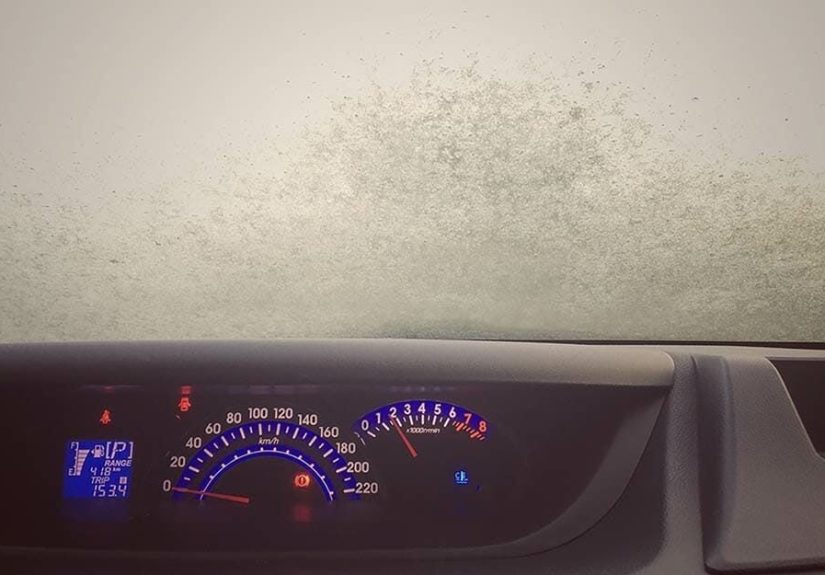
Few things ruin a peaceful drive faster than a windshield that suddenly looks like it borrowed a spa steam room. One minute you are heading to work like a responsible adult. The next, you are squinting through a patchy blur and wondering whether your car has entered its mysterious “cloud mode.”
The good news is that foggy glass is usually not a sign that your vehicle has developed a dramatic personality. It is mostly basic science, a little cabin moisture, and a lot of bad timing. Better yet, there is a simple hack that works in most situations: use your defroster with the air conditioning on, switch the ventilation to fresh air instead of recirculate, and crack the windows slightly if needed. That combination helps dry the air inside the cabin and balances the temperature difference that causes condensation in the first place.
It sounds almost too simple, which is probably why so many drivers ignore it and go straight to wiping the glass with a sleeve, napkin, or whatever unfortunate fast-food receipt is nearby. But once you understand why your windshield fogs up, this trick makes perfect sense. And once you make it a habit, you can spend less time fighting fog and more time focusing on the road.
Why Windshields Fog Up in the First Place
Your windshield fogs when moist air meets cooler glass. The water vapor in the air cools down, condenses, and forms tiny droplets on the surface. That is the same general reason your bathroom mirror fogs after a hot shower, except your car is less relaxing and usually comes with traffic.
In cold weather, the inside of the windshield is often colder than the warm, humid air inside the cabin. Your breath alone adds moisture. So do wet coats, muddy shoes, melting snow on floor mats, damp umbrellas, and that gym towel you swear you were going to take out three days ago.
In hot, rainy, or humid weather, the opposite can happen. The outside air may be warm and wet, while the glass is cooled by your air conditioner. Then moisture can collect on the outside of the windshield instead of the inside. Same annoyance, different side of the glass.
That is why a good fix is not just about heat. It is about humidity control. You do not just want warm air. You want drier air.
The Easy Hack That Actually Works
If you want the quick answer, here it is: turn on the defroster, make sure the A/C is running, set the system to fresh air instead of recirculate, and crack the side windows a little if the fog is stubborn.
This works because each part of the trick handles a different piece of the problem:
1. Defroster directs air where you need it most
Your defroster sends airflow straight to the windshield. That helps warm the glass and evaporate condensation faster. It is the most efficient way to target the exact spot causing trouble.
2. Air conditioning dries the air
Many drivers think A/C is only for summer. Nope. Your air conditioner also removes moisture from the cabin air. That means the air blowing onto the windshield is drier, which helps clear fog much faster. Think of it as your car quietly running a tiny dehumidifier while you drive.
3. Fresh air beats recirculate for fog control
Recirculate mode keeps reusing the same humid air already inside the cabin. That is great when you want to cool the cabin quickly on a scorching day, but not so great when your windows look like they need counseling. Fresh-air mode brings in outside air, which is often less moisture-laden than the air trapped inside the car.
4. Cracking the windows helps equalize temperature and humidity
If the windshield is still fogging, open the windows slightly for a minute or two. That lets moist air escape and helps balance the difference between inside and outside conditions. It is a small move that can make a big difference, especially when the cabin feels damp.
How To Use the Hack in Cold Weather
Cold mornings are prime time for windshield fog. Here is the best way to handle it without turning your commute into a guessing game.
- Start the car and turn on the front defroster.
- Set the temperature to warm or hot.
- Make sure the A/C is on, even if the heat is running too.
- Switch the airflow to fresh air, not recirculate.
- If needed, crack the windows slightly for a short time.
- Wait for the fog to clear fully before driving off.
Yes, it can feel weird to run heat and A/C together. But that combo is the magic. The heat helps warm the glass. The A/C helps dry the air. Together, they are the power couple your windshield did not know it needed.
How To Handle Fog in Rainy or Humid Weather
When it is rainy, muggy, or deeply committed to being annoying outside, fogging may show up on the outside of the windshield instead of the inside.
If the fog is outside the glass:
- Use the wipers first.
- Lower the interior temperature slightly if the glass is colder than the outside air.
- Keep airflow moving over the windshield.
- Avoid creating a big temperature gap between the cabin and the outdoors.
If the fog is inside the glass during humid weather, go back to the same core hack: defroster, A/C, fresh-air mode, and a slight window crack. The main goal is always the same: reduce moisture and balance conditions so the glass stops collecting condensation.
Small Habits That Prevent Fog Before It Starts
The best fog fight is the one you barely have to fight at all. A few simple habits can reduce how often your windshield fogs up.
Keep the inside of the glass clean
A dirty windshield is not just ugly. Dust, oils, smoke residue, and general grime give moisture an easier surface to cling to. A clean interior windshield fogs less and clears faster. Use a proper automotive glass cleaner and a clean microfiber cloth. Your hoodie sleeve is trying its best, but it is not a professional.
Remove damp items from the cabin
Wet jackets, umbrellas, floor mats, shoes, pet towels, and snow-covered gear all add moisture to the air. If your car feels like a rolling laundry hamper in winter, your windshield will notice. Shake out floor mats, dry wet items, and avoid leaving soaked gear in the car longer than necessary.
Use anti-fog products if you live in a damp climate
Anti-fog treatments for interior glass can add an extra layer of defense. They are especially useful if you drive early in the morning, live in a rainy region, or regularly deal with temperature swings. They are not a substitute for proper defrosting, but they can help reduce repeat fogging.
Check your cabin air filter
A clogged cabin air filter can reduce airflow and make your HVAC system less effective. If your defroster seems weak, your filter might be overdue for replacement. Better airflow means better moisture control and faster clearing.
Look for leaks if fog is constant
If your windows fog excessively every day, something else may be going on. Water leaking into the cabin from worn seals, clogged drains, or other issues can leave the interior damp all the time. That gives you an endless fog machine you definitely did not ask for.
Pay attention to warning signs of heater core trouble
Persistent condensation, a sweet smell inside the cabin, greasy film on the glass, or weak heat can point to a heater core problem. That is not a “life hack” problem. That is a “please see a mechanic” problem.
What Not To Do When Your Windshield Fogs
Drivers get creative when visibility disappears, but not all solutions deserve applause.
- Do not wipe the glass with your bare hand. You will smear oils all over it, which makes future fogging worse.
- Do not stay in recirculate mode. It traps humid cabin air.
- Do not drive with only a tiny clear peephole. That is not safe, and it is absolutely not “good enough.”
- Do not ignore chronic fogging. Repeated moisture buildup can signal leaks, poor airflow, or HVAC issues.
- Do not blast random DIY substances onto the glass without checking them first. Some folk remedies are messy, streaky, or just plain bad for visibility.
Why This Matters More Than People Think
Fogged-up windshields are not just mildly irritating. They are a visibility problem, and visibility problems become safety problems fast. Even a brief loss of clear vision can make it harder to react to brake lights, pedestrians, cyclists, lane changes, or road debris.
That is why the “easy hack” matters. It is not flashy. It will not go viral because it is glamorous. But it is practical, fast, and grounded in how temperature, moisture, and vehicle HVAC systems actually work. In other words, this is one of those rare internet hacks that deserves to survive.
The Bottom Line
If you are tired of your windshield fogging up at the exact moment you need to see literally anything, the fix is refreshingly simple. Use the defroster, keep the A/C on, switch to fresh-air mode, and crack the windows slightly if the fog hangs on. Then support that habit by keeping the glass clean, removing damp clutter, and checking for cabin moisture problems.
It is not magic. It is not a secret handed down by mysterious road-trip elders. It is just a smart, easy windshield fogging hack that works with your car instead of against it. And honestly, that is a lot more useful than rubbing the glass with a french fry napkin and hoping for the best.
Real-World Experiences With Windshield Fogging
Anyone who drives in winter or rainy weather usually has a windshield-fog story, and most of them begin the same way: with confidence that disappears in about three seconds. You leave the driveway thinking everything is fine, then your warm breath, damp coat, and chilly windshield team up like they have a personal grudge against visibility. Suddenly, the road ahead looks like it was painted in watercolor.
One of the most common experiences happens on cold mornings when the car has been parked outside overnight. You start the engine, hop in, and instinctively turn the heat on high. But if you leave the system on recirculate, the cabin starts recycling all that warm, moist air from your breath and wet shoes. The windshield clouds over, and now your heroic five-minute commute feels like an Arctic expedition. Drivers who switch to fresh air and run the A/C with the defroster usually notice the fog clears much faster, even though it feels backward at first.
Rainy days create a different kind of confusion. Many people assume the windshield is fogging inside when the moisture is actually on the outside of the glass. So they wipe the interior, accomplish absolutely nothing, and become increasingly offended by physics. The giveaway is simple: if the wipers clear it, the moisture is outside. If they do not, it is inside. That little realization alone saves a lot of frustration.
Another familiar scenario involves passengers. One driver may be doing everything right, then two kids climb in wearing wet hoodies, someone tosses an umbrella on the floor, and suddenly the cabin humidity spikes. The windshield reacts immediately. In real life, fog prevention is not just about the settings on the dash. It is also about what comes into the car with you. Damp gear, slushy boots, and soaked floor mats quietly sabotage visibility.
There is also the classic “I will just wipe it quickly” moment. Nearly every driver has tried clearing a small patch with a hand or tissue in a hurry. It feels efficient for exactly ten seconds. Then the streaks show up, headlights hit the glass at night, and the windshield becomes even harder to see through. That is why experienced drivers often keep a clean microfiber cloth in the car. It is a small tool, but in a stubborn fog situation, it beats a sleeve every time.
Over time, most drivers who deal with fog regularly settle into the same routine: keep the inside glass clean, remove damp stuff, use the defroster properly, and stop treating the A/C button like a summer-only decoration. It is one of those lessons that sounds boring until the day it saves you from white-knuckling your way through traffic with a windshield that looks like a bathroom mirror after a long shower.







 Close
Close