
Table of Contents >> Show >> Hide
- Why People With Asthma Look for Herbal Relief
- The Short Answer: Can Herbs Help Asthma?
- Which Herbs Are People Talking About?
- Why the Research Is So Tricky
- The Risks of Using Herbs for Asthma Relief
- Can Herbal Remedies Replace Inhalers?
- What Might Help Alongside Standard Asthma Care?
- How to Try an Herb More Safely
- So, Do Herbs for Asthma Relief Work?
- Experiences Related to “Herbs for Asthma Relief: Do They Work?”
Asthma has a way of making people suddenly very interested in anything labeled “natural.” A tea? Lovely. A tincture? Intriguing. A mysterious bottle with a leaf on the label and a promise to “support respiratory wellness”? Suspiciously poetic. If you live with wheezing, chest tightness, coughing, or shortness of breath, it makes total sense to wonder whether herbs can help calm your airways without turning your medicine cabinet into a chemistry set.
Here’s the honest answer: some herbs and plant-based supplements have been studied for asthma, but the evidence is still limited, inconsistent, and nowhere near strong enough to replace proven asthma treatment. A few products show early promise in small studies, but major U.S. medical organizations still do not recommend herbal remedies as standard asthma therapy. Translation: your inhaler remains the star of the show, while herbs are still auditioning in the lobby.
This article synthesizes guidance and evidence from leading U.S. health organizations and medical centers to answer a simple question: Do herbs for asthma relief work? We’ll look at what the research says, which remedies come up most often, what risks matter most, and how to talk with your doctor before trying anything “natural.”
Why People With Asthma Look for Herbal Relief
Asthma is common, chronic, and annoyingly unpredictable. Even when it’s well managed, people may still worry about flare-ups caused by pollen, smoke, exercise, cold air, respiratory infections, pet dander, mold, or strong scents. On top of that, some people want to use less medication, feel nervous about side effects, or simply prefer a more holistic approach to health.
That is exactly why searches for terms like herbs for asthma relief, natural asthma remedies, and supplements for wheezing never seem to go out of style. The appeal is easy to understand: plants sound gentle, old traditions sound wise, and “natural” sounds safer than “prescription.” But asthma is not a condition that rewards wishful thinking. It is a disease involving airway inflammation, narrowing, mucus production, and overreactive airways. In plain English, your lungs are not impressed by marketing adjectives.
The Short Answer: Can Herbs Help Asthma?
Maybe a little in some cases, but not reliably enough to count on. That is the most accurate summary of the current evidence.
Some herbal products and traditional medicine formulas have shown possible benefits in small studies. However, researchers often run into the same problems: studies are small, ingredients vary from one product to another, dosages are inconsistent, and the quality of the research is uneven. That makes it hard to know whether a supplement truly works, who it might help, and what side effects it may cause.
Major U.S. sources repeatedly make the same point: there is no conclusive evidence that dietary supplements, including herbs, clearly improve asthma in a dependable way. That does not mean every herb is useless. It means the evidence is not strong enough to recommend herbs as a standard treatment, especially when asthma can become serious fast.
Which Herbs Are People Talking About?
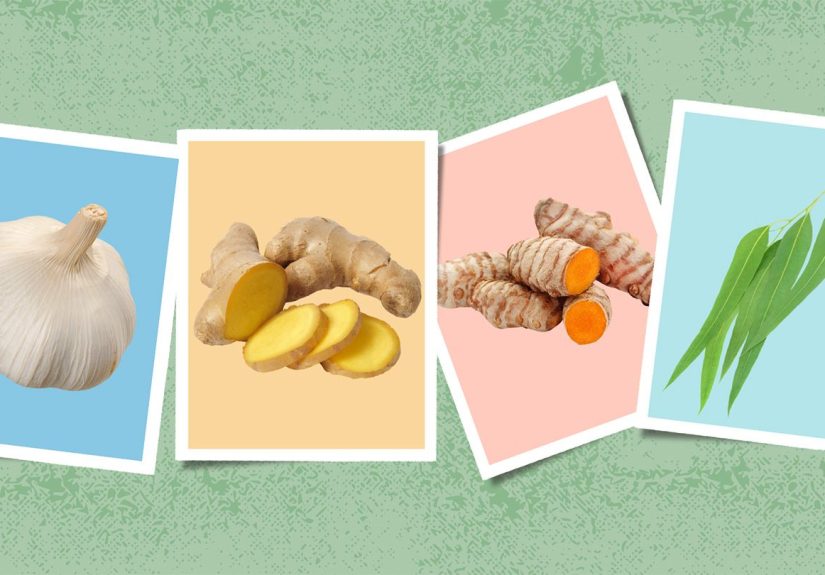
People shopping for natural asthma relief often run into the same familiar cast of characters: black seed, ginger, turmeric or curcumin, ivy leaf, licorice root, mullein, boswellia, and various traditional multi-herb blends. Some of these have anti-inflammatory properties in lab research. Some have been included in small clinical trials. Some are famous mostly because the internet loves a dramatic before-and-after story.
Black Seed
Black seed, also called Nigella sativa, is one of the better-known herbal options in asthma conversations. It gets attention because small studies suggest it may improve symptom scores in some people. That sounds promising, and it is enough to keep research alive. Still, the studies are relatively small, and black seed has not earned a place as a guideline-based asthma treatment. It is best viewed as a possible complementary option that still needs better evidence.
Ginger and Turmeric
Ginger and turmeric show up everywhere in wellness culture, and asthma is no exception. Both have anti-inflammatory reputations, which makes them appealing in a disease driven by airway inflammation. The trouble is that “anti-inflammatory” in theory does not automatically mean “clinically helpful for asthma” in practice. At this point, the evidence is too limited to treat either one like a proven asthma therapy. Adding turmeric to dinner is one thing; expecting it to do the job of a controller inhaler is quite another.
Traditional Herbal Blends
Some East Asian traditional medicine formulas and multi-herb preparations have been studied as add-on treatments. A few trials suggest possible benefits, but there is a major catch: each product can contain different herbs, in different amounts, prepared in different ways. That makes one study hard to compare with another. In research terms, it is messy. In real life terms, it means the bottle you buy may be very different from the product used in a clinical trial.
Why the Research Is So Tricky
If you have ever wondered why scientists cannot just say “yes” or “no” already, there are good reasons. Herbal research is hard to standardize. One black seed capsule may not match another. One tea may be mild; another may be concentrated enough to taste like regret and poor decisions. On top of that, people with asthma are not all the same. Some have allergic asthma, some have exercise-induced symptoms, some have severe eosinophilic disease, and some mainly struggle during certain seasons.
Even when a study reports improvement, researchers still need to ask important questions. Did lung function improve? Did symptoms improve? Were there fewer attacks? Did people use less rescue medication? Were side effects tracked carefully? Was the product tested for purity? Many asthma supplement studies simply do not answer all of those questions well enough.
The Risks of Using Herbs for Asthma Relief
This is the part that matters just as much as the question of effectiveness. Even if an herb seems harmless, it can still create problems.
1. “Natural” Does Not Automatically Mean Safe
Herbal products are not regulated like prescription drugs. Manufacturers do not have to prove the same level of safety and effectiveness before selling them. Product quality can vary, ingredient amounts may not match the label perfectly, and contamination is a real concern. In other words, that “all-natural lung support” capsule may be natural in the same way a thunderstorm is natural.
2. Herbs Can Interact With Asthma Medicines or Other Drugs
Supplements can interact with prescription medications, over-the-counter medicines, and even other supplements. That matters for people with asthma, especially if they also take medicines for allergies, blood pressure, reflux, migraines, anxiety, or other chronic conditions. If you use any herbal product, your clinician needs to know about it. Full stop.
3. Some Smells and Oils Can Make Symptoms Worse
Many people assume that herbal relief includes essential oils, vapor rubs, diffusers, or menthol-heavy products. Unfortunately, strong odors can irritate sensitive airways and trigger coughing, bronchospasm, or shortness of breath in some people with asthma. A diffuser may smell like a spa, but your lungs may interpret it as a rude surprise.
4. Delaying Real Treatment Is the Biggest Danger
The most serious risk is not always the herb itself. Sometimes it is the decision to rely on herbs instead of proven treatment. Asthma can become life-threatening if it is not properly managed. Rescue inhalers, inhaled corticosteroids, combination inhalers, biologics, and written asthma action plans exist for a reason. When symptoms are persistent or worsening, experimentation should not outrank breathing.
Can Herbal Remedies Replace Inhalers?
No. Herbs should not replace quick-relief inhalers, controller medicines, or any treatment plan prescribed by your doctor. Not because doctors are anti-tea. Not because nature is fake. But because the scientific evidence for standard asthma medications is dramatically stronger, and asthma attacks can escalate quickly.
Major U.S. allergy and lung organizations are clear on this point: there is no herbal cure for asthma. Good treatment can control symptoms and reduce flare-ups, but “cure” is not the word. Any product claiming to cure asthma deserves a long, skeptical stare.
What Might Help Alongside Standard Asthma Care?
If you want a more natural-feeling approach, there is some good news. Complementary strategies that support overall asthma control may be more useful than supplements alone.
Breathing Exercises and Yoga
Breathing exercises and yoga are not herbal therapies, but they often come up in the same conversation. Research suggests they may help some people improve quality of life, stress levels, and symptom perception. That can be valuable. Stress and anxiety can make asthma feel worse, and anything that helps people stay calm and consistent with care can make a meaningful difference. Still, these methods are helpers, not replacements.
Trigger Reduction
Sometimes the most effective “natural” asthma strategy is brutally unglamorous: reduce triggers. Keep indoor air cleaner, avoid smoke, stay on top of mold and dust, manage pet dander if you are allergic, watch pollen and air quality, and be cautious with strong fragrances. It is not as exciting as a miracle herb, but it works better than wishful mist from a eucalyptus diffuser.
Healthy Habits
Maintaining a healthy weight, staying active with medically appropriate exercise, eating a balanced diet, treating reflux when present, and following your asthma action plan can all support better control. A healthy lifestyle may not sound flashy, but lungs appreciate boring competence.
How to Try an Herb More Safely
If you still want to try an herbal product, do it like a grown-up with Wi-Fi and caution.
- Talk to your healthcare provider first, especially if you use inhalers, allergy medicine, blood thinners, or blood pressure medication.
- Do not stop prescribed asthma treatment.
- Choose products from reputable manufacturers that use third-party testing when possible.
- Start only one new product at a time, so if something goes wrong, you know what caused it.
- Watch for side effects like rash, stomach upset, dizziness, palpitations, or worsening breathing.
- Never use herbs as a substitute during an asthma attack.
So, Do Herbs for Asthma Relief Work?
The best evidence-based answer is this: herbs may offer limited, preliminary benefits for some people, but they do not have strong enough evidence to be considered proven asthma treatment. A few options, especially black seed, have shown early promise in small studies. But the larger picture from reputable U.S. medical sources is consistent: herbal remedies are not established replacements for inhalers or other guideline-based asthma care.
If you are curious about herbal asthma relief, curiosity is fine. Replacing effective treatment with a trendy bottle of botanical optimism is not. The smart middle ground is to use proven asthma care first, reduce triggers, ask your doctor about supplements, and treat “natural” claims with the same healthy skepticism you would use on a social media ad for moon-charged chlorophyll gummies.
In asthma care, better breathing beats better branding every time.
Experiences Related to “Herbs for Asthma Relief: Do They Work?”
In real life, the experience of trying herbs for asthma relief is usually much more ordinary than the internet makes it sound. Most people do not wake up, drink one magical tea, and float into a pollen field like they have been cast in a wellness commercial. What often happens instead is a slow process of trial, hope, confusion, and eventually a clearer understanding of what actually helps.
A common experience is that someone with mild or moderate asthma starts looking for “natural” options after a rough flare-up, especially if the flare-up happened during allergy season or after a cold. They may already have a rescue inhaler, but they wonder whether there is something gentler they can add. Maybe a friend recommends black seed oil. Maybe a relative swears by ginger tea. Maybe social media presents a very confident person holding a mason jar and speaking with the energy of someone who has never met a randomized controlled trial. The product gets ordered, used for a few days or weeks, and the results are mixed. Some people say they feel a little better overall. Others notice no difference. Some end up with stomach upset, a headache, or the sneaking suspicion that the supplement is mostly helping the manufacturer’s vacation fund.
Another common experience is discovering that strong-smelling “natural” products can backfire. Someone tries a diffuser with peppermint or eucalyptus because it seems soothing. The room smells like a forest spa. Their lungs, however, vote no. Instead of relief, they get coughing, chest tightness, or that unmistakable feeling that the airways are narrowing. This is one of the more frustrating lessons people learn: something can smell clean, herbal, or refreshing and still irritate sensitive lungs.
There is also the experience of realizing that the biggest improvement comes not from herbs, but from consistency. People often report better control when they finally use their prescribed controller inhaler correctly, avoid their known triggers, and follow an asthma action plan. That is not a glamorous story, but it is an honest one. Better technique with an inhaler can outperform a cabinet full of supplements with surprisingly little drama.
Some people do choose to use an herb as a complementary step, not a replacement. In those cases, the best experiences usually happen when the person tells their doctor first, checks for interactions, and keeps expectations realistic. They are not trying to “cure” asthma. They are trying to support their routine without taking risks. That mindset tends to lead to better decisions and fewer panicked late-night searches for “can herbal tea make wheezing worse.”
So the lived experience around herbs and asthma is usually not a fairy tale or a disaster. It is a reminder that people want more control, more comfort, and fewer flare-ups. That desire is completely understandable. The key is making sure the search for relief does not wander so far into the land of “natural solutions” that it forgets the main goal: safe, steady breathing.







 Close
Close