
Table of Contents >> Show >> Hide
- What Are GLP-1 Drugs, and Why Are They Such a Big Deal?
- The Potential Benefits Before Pregnancy
- Why Experts Get Cautious Once Pregnancy Is in the Picture
- What If You Get Pregnant While Taking a GLP-1 Drug?
- Breastfeeding: More Nuance Than You Might Expect
- What Experts Usually Recommend If You Are Planning Pregnancy
- Real-World Experiences: What This Looks Like for Patients
- Conclusion
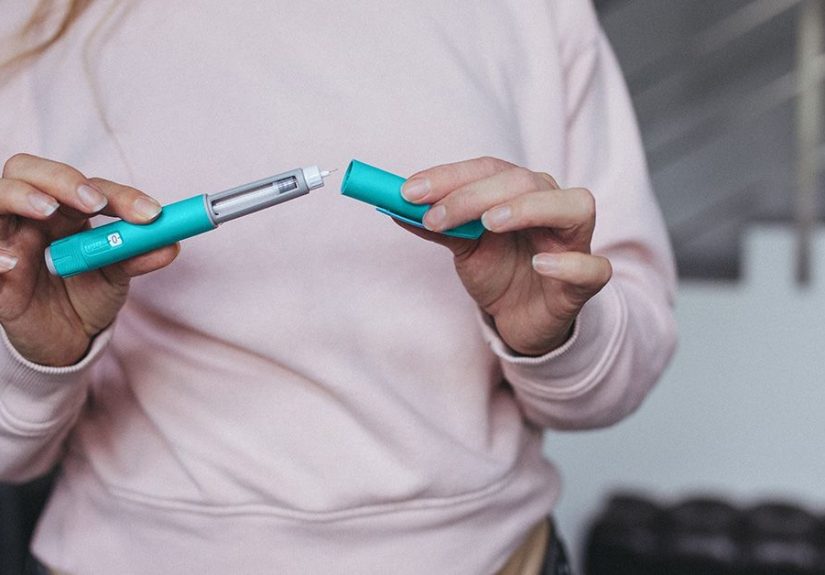
GLP-1 drugs have gone from “that diabetes medicine your endocrinologist mentioned” to household names with celebrity-level brand recognition. Ozempic, Wegovy, Mounjaro, and Zepbound now show up in conversations about weight loss, blood sugar, PCOS, fertility, and yes, pregnancy. That last topic is where things get especially complicated, because the same medication that may help someone improve metabolic health before conception can become a much trickier choice once pregnancy is on the table.
Here is the short truth: GLP-1 drugs can offer meaningful benefits before pregnancy for some people, especially those dealing with obesity, insulin resistance, type 2 diabetes, or ovulation problems related to metabolic health. But once pregnancy begins, experts generally become much more cautious. The reason is simple. Human data are still limited, animal studies have raised concern, and weight loss itself is not considered a goal during pregnancy. In other words, these drugs may be helpful in the pre-pregnancy chapter, but they are usually not the star of the pregnancy chapter.
If that sounds frustratingly nuanced, welcome to reproductive medicine, where the answer is often not “yes” or “no,” but “it depends, and please call your doctor before doing anything dramatic.”
What Are GLP-1 Drugs, and Why Are They Such a Big Deal?
GLP-1 receptor agonists mimic a natural hormone involved in blood sugar regulation, appetite signaling, and stomach emptying. In plain English, they help many people feel fuller, eat less, lose weight, and improve glucose control. Tirzepatide works a little differently because it acts on both GIP and GLP-1 pathways, but it gets grouped into the same real-world conversation because its practical effects look familiar: less appetite, lower blood sugar, and, in many patients, significant weight loss.
That matters for reproductive health because excess weight, insulin resistance, and poorly controlled diabetes can all make conception harder and pregnancy riskier. For some patients, improving metabolic health before pregnancy can support ovulation, improve menstrual regularity, and lower complications tied to uncontrolled blood sugar. So yes, there is a reason fertility specialists, obesity medicine physicians, endocrinologists, and OB-GYNs are all talking about these drugs at the same time.
The Potential Benefits Before Pregnancy
1. Better blood sugar control before conception
For patients with type 2 diabetes, getting blood sugar into a healthier range before pregnancy is a major win. High blood glucose early in pregnancy can increase the risk of miscarriage, birth defects, and other complications. That means better diabetes control before conception is not cosmetic, optional, or “nice to have.” It is foundational.
GLP-1 drugs can help some patients reduce A1C, improve insulin sensitivity, and lose weight before trying to conceive. In a preconception setting, those changes may lower risk and create a healthier starting point. Experts often frame this as metabolic optimization: getting the body into a better place before pregnancy asks it to do the Olympic-level event that is growing another human.
2. Weight loss may improve ovulation and fertility
For some people with obesity or PCOS, modest to moderate weight loss can improve ovulation and menstrual regularity. This is one reason the internet started buzzing about “Ozempic babies.” The phrase is catchy, but the biology behind it is less mysterious than it sounds. When insulin resistance improves and body weight falls, ovulation may return more regularly. People who thought pregnancy was unlikely can suddenly become more fertile than expected.
That does not mean GLP-1 drugs are fertility drugs. It means they may improve the conditions that sometimes interfere with fertility. Think of it less as a magic baby switch and more as a metabolic cleanup crew that occasionally leaves ovulation in better working order.
3. Better overall health before pregnancy
Pregnancy places real strain on the cardiovascular system, kidneys, and metabolism. Entering pregnancy with improved blood pressure, better glucose control, and a healthier weight can be beneficial. For some patients, a structured period of treatment before conception can be part of a broader plan that includes nutrition counseling, movement, prenatal vitamins, medication review, and a timeline for when to stop the GLP-1 drug before trying.
This is where the “benefit” side of the conversation is strongest: not that GLP-1 drugs are pregnancy medications, but that they may help certain patients get healthier before pregnancy begins.
Why Experts Get Cautious Once Pregnancy Is in the Picture
Human data are limited
Here is the main issue: we do not yet have large, definitive human studies proving that GLP-1 drugs are safe throughout pregnancy. Some early observational data are somewhat reassuring, particularly for accidental first-trimester exposure, but reassuring is not the same as proven safe. When doctors are making decisions in pregnancy, “we think it may be okay” is usually not the standard anyone wants to tattoo onto a lab coat.
One frequently discussed observational study involving 168 pregnancies exposed to GLP-1 medications in early pregnancy did not find an increased risk of major birth defects compared with comparison groups. That is encouraging. It is also a relatively small study, which means it cannot close the case. Rare risks, long-term child outcomes, and drug-specific differences still need better evidence.
Animal studies have raised concern
Drug labels for semaglutide and tirzepatide include warnings based on animal reproduction studies. These studies found fetal growth reductions, pregnancy loss, or structural abnormalities at certain exposures. Translating animal data to humans is never perfectly straightforward, but it is enough to keep experts from casually waving these medications through pregnancy like a VIP pass.
There is another important point here: weight loss is not recommended during pregnancy. Even when a medication’s benefit before conception is clear, continuing active weight-loss treatment during pregnancy does not fit the usual goals of prenatal care. Pregnancy is the wrong season for a calorie deficit victory lap.
Stopping rules matter, and they differ by drug
Semaglutide products have particularly clear labeling. Patients planning pregnancy are generally advised to stop semaglutide at least two months before a planned pregnancy because of the drug’s long half-life. That is not a random number picked out of a hat. It reflects how long the medication can remain in the body.
Tirzepatide deserves its own special note because the labeling includes a contraception warning. It may reduce the effectiveness of oral hormonal contraceptives because it delays stomach emptying, especially after starting the medication and after dose increases. Patients using oral birth control are typically told to switch to a non-oral method or add a barrier method for four weeks after starting tirzepatide and for four weeks after each dose escalation. So if someone says, “Wait, how did this happen?” the answer may involve both improved fertility and a birth-control wrinkle. Reproductive endocrinology really knows how to keep life interesting.
What If You Get Pregnant While Taking a GLP-1 Drug?
First, do not panic. Accidental early exposure happens. In real life, many pregnancies are discovered after several weeks, not five dramatic seconds after implantation like a TV plot twist. Some people have irregular periods. Others have been told for years that conceiving might be difficult. Still others are simply human and busy.
The usual next step is to contact the prescribing clinician and the OB-GYN promptly. Patients are often told to stop the medication once pregnancy is recognized, especially if it is being used for weight loss. Then the care team can review why the drug was prescribed in the first place. Was it for obesity alone? Type 2 diabetes? PCOS symptoms? A combination of issues? That answer shapes what happens next.
For patients using a GLP-1 drug to manage type 2 diabetes, the conversation is especially important because stopping one medication may mean another pregnancy-compatible treatment has to be started or intensified quickly. Good glucose control still matters. The plan just shifts toward therapies with more established pregnancy safety data.
In other words, the clinical message is not “stop and hope for the best.” It is “stop, reassess, and replace with a pregnancy-safe strategy if needed.”
Breastfeeding: More Nuance Than You Might Expect
Breastfeeding guidance is evolving. For semaglutide, small human data sets are somewhat reassuring for the injectable form. In one small study, semaglutide was not detected in breast milk after weekly injections, and no adverse effects were reported in the infants studied. Oral semaglutide is a different story because of ingredients used to help absorption, so clinicians are generally more cautious there.
Tirzepatide is also moving into a more nuanced zone. More recent lactation information suggests the drug may be low to undetectable in breast milk, and infant absorption is expected to be poor. Still, the data remain limited, particularly for newborns and preterm infants. That means breastfeeding decisions should be individualized rather than turned into sweeping social media declarations by someone whose medical degree came from three TikToks and a ring light.
The practical takeaway is this: breastfeeding on a GLP-1 drug is not a one-size-fits-all situation. The baby’s age, whether the infant was born full-term, the parent’s diabetes or obesity treatment needs, and the specific drug formulation all matter.
What Experts Usually Recommend If You Are Planning Pregnancy
Make a preconception plan early
If pregnancy is a goal in the next year, bring it up now, not after a positive test. A preconception visit can help review medications, discuss nutrition, assess blood sugar targets, talk through folic acid, and create a timeline for when to stop a GLP-1 drug.
Use reliable contraception while on treatment
This is especially important if pregnancy is not currently the plan. It is doubly important with tirzepatide because of the oral contraceptive warning after starting the drug or increasing the dose.
Do not treat pregnancy like a weight-loss contest
Once pregnant, the goal is healthy pregnancy management, not chasing a lower number on the scale. Weight gain recommendations in pregnancy are based on pre-pregnancy BMI and should be individualized with a clinician.
If diabetes is part of the picture, protect glucose control
Stopping a GLP-1 drug without a backup plan can leave patients with worsening glucose control. That is why coordinated care matters. The OB-GYN, endocrinologist, primary care clinician, and sometimes a maternal-fetal medicine specialist may all need to be on the same page.
Real-World Experiences: What This Looks Like for Patients
To make all of this less abstract, it helps to picture the kinds of experiences clinicians hear in everyday practice.
One common story is the patient with PCOS who has spent years dealing with irregular cycles, weight fluctuations, and the exhausting feeling that her body refuses to follow instructions. She starts a GLP-1 medication, loses weight, sees her periods become more predictable, and suddenly finds herself ovulating more regularly. That can feel exciting if pregnancy is the goal and deeply inconvenient if it is not. For this patient, the “benefit” is not just the pounds lost. It is the return of more normal reproductive function. But that same benefit means contraception and planning become more important, not less.
Another familiar scenario involves someone taking semaglutide for type 2 diabetes who wants to become pregnant in the near future. She feels better on the medication, her A1C has improved, and for the first time in a long time she feels medically stable. Then comes the awkward twist: the medication that helped her get healthier is not something experts generally want her to stay on once pregnancy begins. The emotional whiplash is real. Patients in this situation often feel as if they are being asked to give up a tool that was finally working. That is why preconception counseling matters so much. It gives patients time to transition thoughtfully instead of scrambling after a positive test.
Then there is the surprise pregnancy story. A patient on tirzepatide assumes she is unlikely to conceive because of long-standing cycle issues. She is on oral birth control, not thinking too hard about it, and then misses a period. She chalks it up to stress, travel, or the fact that the universe occasionally enjoys chaos. By the time she takes a pregnancy test, several weeks have passed. This is one reason experts tell patients not to panic over early exposure but to act quickly. The next steps are usually medication review, confirmation of pregnancy dating, and a tailored plan for monitoring.
Postpartum experiences add yet another layer. Some patients want to restart a GLP-1 drug after delivery because pregnancy worsened insulin resistance, they gained more weight than expected, or they simply want help returning to a healthier baseline. But breastfeeding raises a fresh set of questions. Is this specific drug compatible with nursing? How old is the baby? Was the baby full-term? Is the parent using the medicine for diabetes, obesity, or both? These are not nuisance details. They are the details.
The emotional theme running through all of these experiences is the same: GLP-1 drugs can be genuinely helpful, but reproduction changes the math. Patients often need a plan for three different phases instead of one: before pregnancy, during pregnancy, and after delivery. The experts who handle this well tend to avoid extremes. They do not treat GLP-1 drugs like miracle workers, and they do not treat them like villains either. They treat them like powerful medications that can be useful in the right setting and risky in the wrong one.
Conclusion
GLP-1 drugs sit at the intersection of weight, fertility, diabetes, and pregnancy, which is exactly why they generate so much confusion. The potential benefits are real, especially before conception, when better blood sugar control and weight loss may improve overall health and, for some people, fertility. But the risks and unknowns are also real once pregnancy begins. Current expert thinking is cautious for a reason: human evidence is still limited, weight loss is not a pregnancy goal, and drug-specific labeling matters.
The smartest approach is planning. If you are taking Ozempic, Wegovy, Mounjaro, Zepbound, or another GLP-1 medication and pregnancy is possible, a preconception conversation is not overkill. It is the strategy. In this part of medicine, the best outcomes usually come from fewer surprises, better timing, and a care team that talks to one another before your group text has to do all the work.






 Close
Close