
Table of Contents >> Show >> Hide
- What Is a Genuine Pyramid Toaster?
- The Backstory: Why This Old-School Toaster Still Gets Attention
- How a Genuine Pyramid Toaster Works
- What Makes the Genuine Pyramid Toaster Different From a Regular Toaster?
- Where a Genuine Pyramid Toaster Shines
- How to Use It Well and Safely
- Is the Genuine Pyramid Toaster Worth Buying?
- Experiences Related to the Genuine Pyramid Toaster
- Final Thoughts
There are kitchen gadgets that whisper convenience, and then there are kitchen gadgets that stride in wearing boots, smelling faintly of campfire, and acting like electricity is a passing trend. The Genuine Pyramid Toaster belongs firmly in the second category. It is not a sleek chrome pop-up box with buttons for bagels, frozen waffles, and existential dread. It is a non-electric pyramid toaster built for open flame, old-school breakfast rituals, and people who think toast should involve at least a tiny bit of character development.
That is exactly why the Genuine Pyramid Toaster remains fascinating. It sits at the crossroads of vintage kitchenware, practical outdoor cooking, and timeless product design. It also taps into something modern shoppers understand very well: not every “upgrade” actually makes life better. Sometimes an old idea survives because it is simple, sturdy, and weirdly satisfying to use.
This article explores what a Genuine Pyramid Toaster is, how it works, why the design has lasted so long, where it fits in a modern kitchen or camp setup, and whether it deserves a spot in your life. Spoiler alert: if you want speed and push-button convenience, this may not be your dream appliance. If you want charm, portability, and a toaster that could survive an apocalypse with better posture than most of us, now we are talking.
What Is a Genuine Pyramid Toaster?
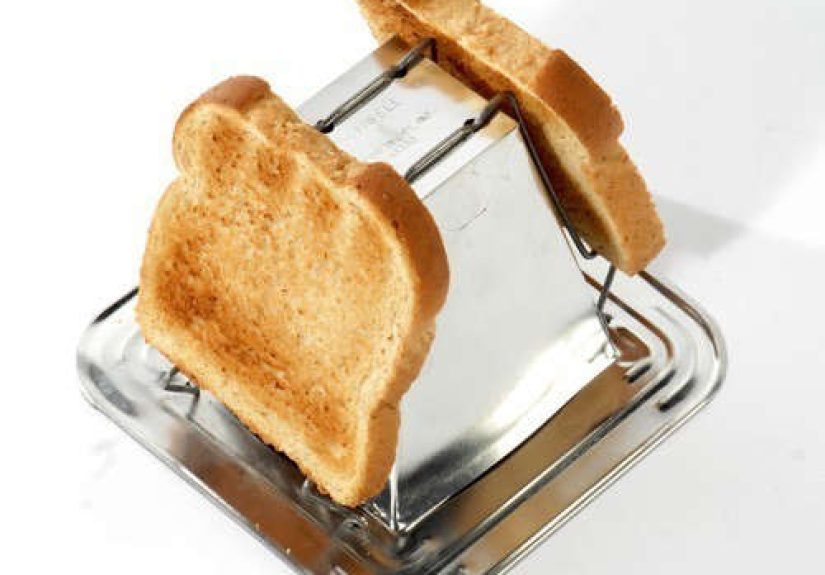
The Genuine Pyramid Toaster is a stovetop toaster with a pyramid-like form that uses heat from below rather than electric heating coils hidden inside a countertop appliance. In its current branded form, it is associated with Jacob Bromwell, a heritage American kitchenware name that positions the toaster as a revival of an early twentieth-century classic. The modern version is marketed as a two-slice toaster for use over a gas burner, fireplace, or campfire.
At its core, the device is gloriously uncomplicated. You place bread against the sides or within the frame, set the toaster over controlled heat, and let the shape do part of the work. The angled metal surfaces and vented sides help direct heat around the bread. There are no settings, no electronics, no digital screen, and absolutely no cheerful beep pretending your breakfast is a software event.
That simplicity is a huge part of the appeal. A pyramid toaster is not pretending to be smart. It is simply trying to make toast with metal, geometry, and fire. Frankly, that is a refreshingly honest job description.
The Backstory: Why This Old-School Toaster Still Gets Attention
The Genuine Pyramid Toaster is not some invented retro fantasy dreamed up by a branding team after too much cold brew. Pyramid-style stovetop toasters are rooted in real American kitchen history. Museum records and historical collections show that non-electric pyramid toasters were made in the early twentieth century, and historical descriptions of Knoblock-style models place similar designs around 1909. Other pyramid toaster records linked to Bromwell place examples in the 1920s, which shows this design had real staying power rather than one brief moment of breakfast fame.
Before pop-up convenience took over
To understand the pyramid toaster, it helps to remember that early toast was not a one-button affair. Before the automatic pop-up toaster took off, people used open-frame or stovetop designs that demanded attention. Smithsonian materials note that the automatic toaster that browned both sides and popped up the slice arrived in 1926. In other words, the pyramid toaster belongs to the chapter just before breakfast became dramatically more passive.
And honestly, that earlier era had style. Some historic stovetop toasters used a hollow, truncated pyramid body with vented or corrugated sides. Certain patent descriptions even included crumb-catching extensions and a top designed to support a small kettle. That is the kind of multitasking modern appliances brag about in marketing copy, except this version was doing it with sheet metal and zero apps.
Why the design lasted
Good designs survive because they solve a problem cleanly. The pyramid toaster did exactly that. It gave people a way to toast bread over existing heat sources such as gas, oil, or open flame. It required no wiring, no internal heating element, and no specialized power supply. That made it useful in early kitchens, and it still makes it useful today for campers, cabin owners, minimalists, and anyone who enjoys gear that does one job without acting needy.
How a Genuine Pyramid Toaster Works
The logic behind the design is wonderfully straightforward. Bread is positioned so that radiant and reflected heat can brown the surface. The metal frame or body channels warmth around the slices, while the slotted or vented construction helps disperse heat instead of blasting one side like an angry dragon. The user manually watches the process, rotates or repositions the bread if needed, and removes it when the toast reaches the desired color.
Why the pyramid shape matters
The pyramid shape is not just visual theater. It is part of the function. Angled walls help heat move up and around the bread rather than only straight at it. That is why the shape appears again and again in historical descriptions of stovetop toasters. It is also why modern product descriptions still emphasize heat concentration and even toasting. The design turns basic flame into more controlled browning, which is a pretty impressive trick for something that looks like it could also star in a frontier breakfast museum.
Manual control is part of the experience
Unlike an electric toaster, a non-electric toaster asks for your attention. That can sound inconvenient, but it is also part of the charm. You decide how close the bread sits to the heat. You notice how quickly one burner runs hotter than another. You learn that thin sandwich bread toasts faster than thick sourdough. In a world where everything wants automation, the Genuine Pyramid Toaster offers something rare: involvement.
What Makes the Genuine Pyramid Toaster Different From a Regular Toaster?
The biggest difference is obvious. A regular toaster depends on electricity and internal heating elements. The Genuine Pyramid Toaster depends on an external heat source and a form factor that manages heat through shape and metal construction. That shift changes everything about the user experience.
First, it is far more portable in the right setting. For camping, cabins, fireplaces, and emergency-use scenarios where electricity is limited or unavailable, a camping toaster like this has a real advantage. Second, it offers a more tactile and analog style of cooking. That is not a selling point for everyone, but for the right buyer it is exactly the point.
Third, it is aesthetically different. A pop-up toaster fades into the countertop. A pyramid toaster announces itself. It looks historical, mechanical, and faintly theatrical. Put one near a cast-iron skillet and suddenly breakfast feels like an event rather than a chore.
That said, the Genuine Pyramid Toaster is not objectively “better” than a modern electric toaster. It is better for certain people and in certain situations. If your mornings involve rushing out the door while locating one shoe and arguing with a coffee machine, the pyramid toaster may feel like an ambitious lifestyle choice. If you enjoy slow breakfasts, camp cooking, or heritage tools, it can feel absolutely right.
Where a Genuine Pyramid Toaster Shines
1. Camping and outdoor cooking
This is the most obvious use case. A campfire toaster fits naturally into outdoor cooking because it does not require electricity and works with a flame-based setup. If your breakfast plan already includes a camp stove, fire ring, or grill grate, adding toast becomes surprisingly doable.
2. Cabin, fireplace, and off-grid living
For people who cook in cabins, rustic retreats, or off-grid spaces, the pyramid toaster makes a lot of sense. It is light, relatively compact, and aligned with environments where fire-based cooking is already part of daily life. It also feels appropriate in those spaces in a way a glossy digital toaster simply does not.
3. Emergency backup use
It would be dramatic to call a toaster a resilience strategy, but here we are. If you lose power and still have a usable flame source, a stovetop toaster remains functional. That does not make it emergency survival gear on its own, but it does make it more adaptable than a countertop toaster that becomes an expensive bread holder during outages.
4. People who love heritage kitchen tools
Some buyers are not shopping for pure utility. They want objects with history, design logic, and a story. For them, the Genuine Pyramid Toaster is less about replacing a standard toaster and more about owning a piece of heritage kitchenware that still works.
How to Use It Well and Safely
A toaster built for open flame deserves more respect than a casual countertop appliance. That does not mean it is impractical. It just means the user must bring a little common sense to breakfast.
Choose steady, moderate heat
Too much flame and you will move from “golden brown” to “archaeological sample” in a hurry. A moderate, controlled heat source works best. The goal is consistent browning, not reenacting a kitchen disaster video.
Watch it continuously
This is not a set-it-and-forget-it tool. Open-flame toasting requires attention, and that is part of the safety equation. The broader fire-safety lesson from U.S. guidance on toasters and heat-producing appliances is simple: treat heat seriously, avoid leaving equipment unattended, and keep the area clear.
Keep the setup uncluttered
Do not crowd the area around the flame. Keep towels, paper packaging, and other combustibles away from the cooking zone. Whether you are indoors on a gas range or outdoors over a campfire setup, clear space is part of safe use.
Respect general toaster and kitchen fire safety rules
U.S. safety guidance around toasters and kitchen equipment reinforces a few timeless ideas: unplug electric toasters when appropriate, avoid overloading outlets with heat-producing appliances, keep smoke alarms in place, and stay alert around cooking equipment. The Genuine Pyramid Toaster removes electrical components from the equation, but it still involves heat, metal, and toast that can burn if ignored. The bread is innocent. The flame is not.
Is the Genuine Pyramid Toaster Worth Buying?
That depends on what you want your toaster to do.
Buy it if: you appreciate vintage-inspired design, enjoy open-flame cooking, camp regularly, want a non-electric backup, or collect functional kitchen tools with real historical roots.
Skip it if: you want speed, precision settings, bagel modes, automatic shutoff convenience, or an appliance that can operate while you mentally check out for two minutes.
In practical terms, the Genuine Pyramid Toaster is less of a mainstream kitchen default and more of a specialized pleasure. It is a tool for people who like slower rituals and visible mechanics. It asks more from the user, but it gives back a style of cooking that feels grounded, capable, and oddly joyful.
There is also a bigger product lesson here. The Genuine Pyramid Toaster works because it is not trying to do too much. It toasts bread over fire. It does it with an intelligent shape, minimal parts, and a design lineage that stretches back more than a century. In a market stuffed with gadgets that promise five functions and deliver two disappointments, that kind of restraint is almost luxurious.
Experiences Related to the Genuine Pyramid Toaster
What is it actually like to live with a Genuine Pyramid Toaster? Not in a catalog, not in a museum display case, but in regular life where breakfasts happen before meetings, road trips, or lazy weekends? The experience is less about “using an appliance” and more about changing the rhythm of the meal.
The first thing people tend to notice is that it slows them down in a good way. A modern electric toaster lets you load bread, push a lever, and drift off to do something else. A pyramid toaster gently refuses that arrangement. You stay nearby. You watch the bread. You pay attention to heat. That tiny bit of involvement makes toast feel less like background noise and more like actual cooking. It is a small shift, but it is surprisingly satisfying.
There is also a strong sensory element. With a Genuine Pyramid Toaster, the process is visible and physical. You hear the soft crackle of heat, catch the smell of bread browning, and see the color develop in real time. On a camp stove or by a cabin fire, that experience feels even richer. Breakfast starts to feel connected to place. The toast is not just toast anymore; it is part of the atmosphere.
Many people would probably describe the toaster as charming before they describe it as efficient, and that is fair. It does not deliver the instant predictability of a countertop toaster. What it delivers instead is personality. It turns an ordinary slice of bread into a small ritual. You might butter the toast a little more slowly. You might pair it with eggs, bacon, jam, or coffee and suddenly feel like you are starring in a lifestyle magazine that accidentally wandered into the woods.
At home, the experience can be equally memorable. Using a Genuine Pyramid Toaster on a gas range makes the kitchen feel more hands-on and intentional. It invites experimentation with thicker breads, denser slices, and rustic breakfasts that suit its old-school energy. It is especially appealing on weekends, when there is time to enjoy the process rather than race through it.
Then there is the conversation factor. Few people glance at a pyramid toaster and shrug. Guests ask what it is. Someone inevitably says, “Wait, that actually works?” Then they watch it work. In a kitchen world crowded with hidden mechanisms and generic boxes, the Genuine Pyramid Toaster has the rare ability to be both functional and memorable.
Of course, the experience is not perfect. You need patience. You need attention. You need to accept that this is not a push-button convenience device. But for many users, that is exactly why it feels rewarding. It does not replace every toaster experience. It replaces the forgettable one.
In the end, the Genuine Pyramid Toaster offers more than browned bread. It offers a mood, a pace, and a connection to older ways of cooking that still make sense today. It is the kind of object that reminds you breakfast can be simple without being boring. And really, that is a pretty good trick for a little metal pyramid with a thing for fire.
Final Thoughts
The Genuine Pyramid Toaster succeeds because it embraces what it is: a durable, open-flame, vintage-style toaster built around a proven shape and a straightforward purpose. It is not here to beat every modern toaster on convenience. It is here to offer something modern appliances often forget to deliver: character, adaptability, and a genuine sense of use.
For campers, design lovers, collectors of classic kitchen tools, and anyone who enjoys breakfast with a little more ceremony, it is a compelling piece of gear. For everyone else, it is at least a reminder that some of the smartest product design ideas were invented long before touchscreens started appearing on things that absolutely did not need them. Looking at you, refrigerator with Wi-Fi.







 Close
Close