
Table of Contents >> Show >> Hide
- Why Decorative Baskets Work So Well for Organization
- How to Choose the Right Basket for the Job
- Room-by-Room Ideas for Turning Baskets Into Organizing Tools
- The “One Basket Reset” Method
- How to Label Baskets Without Ruining the Look
- Common Basket Organizing Mistakes to Avoid
- Budget-Friendly Ways to Find Great Baskets
- Decorative Basket Ideas by Style
- How to Build a Simple Basket Organization System
- Extra Experience: What I Learned Turning Decorative Baskets Into Real Organizers
- Conclusion: A Basket Can Be More Than Pretty Storage
A decorative basket is one of those home items that quietly does more than it gets credit for. At first glance, it looks like a charming accentwoven texture, cozy shape, maybe a little farmhouse flair or modern coastal attitude. But give that basket a job, and suddenly it becomes the tiny household manager you never knew you needed. It hides clutter, sorts everyday essentials, softens a room, and prevents your coffee table from becoming a museum of receipts, charging cords, lip balm, and mystery objects nobody claims.
The beauty of using baskets for home organization is that they blend function with style. A plastic storage tub may be practical, but it rarely says, “Welcome to my peaceful, intentional home.” A well-chosen basket, on the other hand, can hold throw blankets, kids’ toys, pantry snacks, bathroom towels, craft supplies, or entryway gear while still looking like part of the decor. That is the magic: a basket can be useful without looking like it is trying too hard.
Whether your style is rustic, minimalist, boho, traditional, or “I bought this because it was on sale and now I’m emotionally attached,” baskets can help bring order to almost any room. The key is learning how to choose the right basket, place it in the right spot, and assign it a clear purpose. Otherwise, it becomes what organizers call a “clutter nest,” which is basically a basket full of things you meant to deal with three months ago.
Why Decorative Baskets Work So Well for Organization
Decorative baskets succeed because they solve two problems at once: visual clutter and storage shortage. Most homes do not suffer from a lack of stuff; they suffer from a lack of homes for that stuff. When everyday items do not have a destination, they wander. Shoes wander into hallways. Blankets wander onto sofas. Mail wanders onto kitchen counters. Toys migrate like tiny plastic animals across the living room floor.
A basket creates a boundary. It says, “This category goes here.” That simple rule makes it easier to clean up quickly and maintain order over time. Unlike deep cabinets or hidden drawers, baskets are easy to access, which matters because organization only works when it is convenient. If putting something away requires seven steps, a password, and emotional resilience, it probably will not happen on a busy Tuesday.
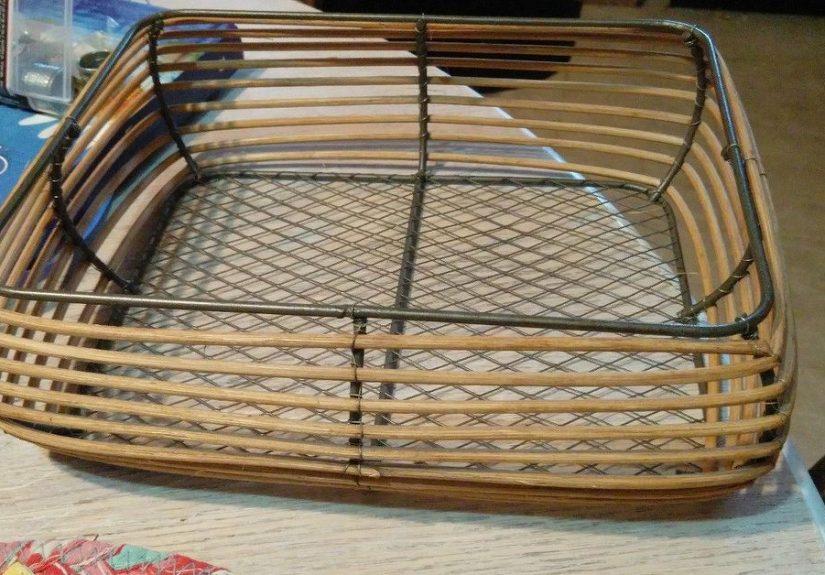
Baskets also add warmth to a room. Woven materials such as seagrass, rattan, wicker, water hyacinth, cotton rope, or jute bring natural texture into modern spaces. Wire baskets add an industrial edge. Fabric bins feel soft and casual. Lidded baskets create a cleaner look by hiding contents completely. In other words, the basket is not just storage; it is part of the design plan.
How to Choose the Right Basket for the Job
Not every basket is right for every task. Before buying or repurposing one, think about what it needs to hold, where it will live, and how often it will be used.
1. Match the Material to the Contents
Woven baskets are excellent for soft items such as blankets, pillows, scarves, towels, and stuffed animals. They are sturdy enough for everyday use and attractive enough to leave out in the open. Cotton rope baskets are great for nurseries, bedrooms, and living rooms because they are soft, flexible, and less likely to scratch furniture or floors.
Wire baskets work well when visibility matters. Use them for pantry produce, cleaning cloths, rolled hand towels, or office supplies. Fabric baskets are lightweight and often foldable, making them useful for closets, shelves, and seasonal storage. Plastic baskets are best for areas where moisture, spills, or heavy cleaning are part of the equation, such as under the sink, in the laundry room, or inside a freezer.
A quick caution: baskets are not always the best choice for liquids, leaky bottles, or tangled cords. If something can spill, drip, or poke through the sides, a solid container may save you from an annoying cleanup later.
2. Choose the Right Size
A basket should be large enough to hold the category but not so large that it becomes a black hole. A small basket on an entry table can hold keys, sunglasses, and wallets. A medium basket can corral pet supplies, craft materials, or guest bathroom extras. A large floor basket is perfect for blankets, pillows, laundry, or toys.
When in doubt, measure first. This is not glamorous, but neither is buying a beautiful basket that is one inch too tall for your shelf. Measure shelf height, depth, and width. Then allow a little extra room so the basket can slide in and out easily.
3. Consider Handles and Lids
Handles matter if you plan to move the basket often. A basket for cleaning supplies, picnic items, craft tools, or laundry should be easy to lift. Lids are helpful when you want to hide visual clutter, protect items from dust, or stack baskets. Open baskets are better for high-use items because you can toss things in quickly.
4. Think About Style Consistency
Baskets do not have to match perfectly, but they should speak the same design language. A mix of natural woven baskets can look collected and relaxed. Matching baskets on open shelves create a clean, uniform look. A few different textures can add character, but too many competing colors and shapes may make the space feel busier.
Room-by-Room Ideas for Turning Baskets Into Organizing Tools
The best way to turn a decorative basket into a useful organizing tool is to give it a specific room, category, and purpose. Here are practical ideas for every major area of the home.
Entryway: Create a Drop Zone That Actually Works
The entryway is where clutter enters the house wearing shoes. It is also where keys, bags, hats, gloves, pet leashes, mail, and sunglasses tend to gather. A basket system can make this area functional without making it look like a locker room.
Place a shallow basket on a console table for keys and wallets. Use a larger basket under a bench for shoes or slippers. In a family home, assign one basket per person for grab-and-go items. Labeling each basket helps prevent the classic household debate: “Why is your stuff in my basket?”
If your entryway is narrow, use wall-mounted baskets or slim bins on a shelf. Vertical storage is especially useful in small homes and apartments where floor space is limited.
Living Room: Hide the Everyday Mess
The living room should feel comfortable, not like a storage facility with throw pillows. Baskets are ideal here because they can hold items you use often while keeping the room guest-ready.
Use a large woven basket for throw blankets. Place a medium basket beside the sofa for magazines, books, or remote controls. If you have children, keep a toy basket in the corner so cleanup becomes a quick toss instead of a full archaeological dig under the couch.
A lidded basket can hide gaming accessories, charging cords, or exercise bands. For open shelves, choose matching baskets to hold less attractive items such as manuals, batteries, cables, or extra candles. The room will still look styled, but it will secretly be working very hard.
Kitchen and Pantry: Group Like Items Together
The kitchen is where baskets become serious organizing tools. In the pantry, use baskets to group snacks, baking supplies, breakfast items, tea, coffee pods, spices, or small packaged goods. Instead of having granola bars scattered across three shelves like they are avoiding each other, give them one clear home.
For deep pantry shelves, baskets act like drawers. You can pull one forward, see everything inside, and avoid losing items in the back. Label baskets by category: “Snacks,” “Baking,” “Pasta,” “Breakfast,” “Lunchbox,” or “Backstock.” Clear labels are especially helpful when multiple people use the pantry.
Wire baskets are useful for onions, potatoes, and fruit because air can circulate. Wipeable bins are better for oils, sauces, or anything that might leak. For open kitchen shelving, choose attractive baskets that match the room’s style and use them for napkins, dish towels, or coffee supplies.
Bathroom: Make Small Items Behave
Bathrooms collect tiny items faster than almost any room. Hair ties, skincare bottles, washcloths, razors, cotton rounds, backup soap, and travel-size products can quickly take over. Baskets bring order without making the space feel cold or clinical.
Use small baskets inside cabinets to separate dental care, skincare, hair products, and first-aid basics. On open shelves, roll towels and place them in a woven basket for a spa-like look. In a guest bathroom, create a hospitality basket with extra toilet paper, hand towels, soap, and small essentials guests might need.
Because bathrooms are humid, choose materials carefully. Plastic, wire, bamboo, or washable fabric may be better than delicate untreated wicker in areas that get damp.
Bedroom: Calm the Closet and Nightstand Chaos
The bedroom should help you relax, not remind you that your socks have formed a rebellion. Baskets can organize closets, nightstands, dressers, and under-bed areas.
In the closet, use baskets for scarves, belts, hats, handbags, workout gear, or seasonal accessories. On top shelves, sturdy baskets can hold out-of-season clothing or extra linens. If you use open shelving instead of drawers, baskets can create a cleaner, more finished look.
On a nightstand, a small decorative basket can hold reading glasses, lotion, lip balm, chargers, or a notebook. This keeps the surface from becoming a clutter buffet. Under the bed, use low-profile baskets or bins for extra bedding, shoes, or seasonal items, but choose containers with lids if dust is a concern.
Laundry Room: Sort Before the Pile Wins
A laundry room without a system can become a place where socks go to start new lives. Baskets help sort whites, darks, delicates, cleaning cloths, dryer sheets, and missing-sock mysteries.
Use labeled baskets for each laundry category. A slim basket can hold stain removers and laundry tools. A wall shelf with baskets can store extra detergent, clothespins, wool dryer balls, and mesh wash bags. If your laundry room is also a utility space, use baskets to separate pet supplies, light bulbs, batteries, and cleaning products.
Home Office: Make Paper Less Dramatic
Paper clutter has a talent for making even a clean desk look stressful. Baskets can help create simple paper zones: incoming mail, bills to pay, school forms, receipts, and documents to file.
Use a small basket for charging cords and tech accessories, but avoid loosely tossing cords into woven baskets where they may snag. A fabric bin or solid organizer may work better. For craft or creative spaces, baskets can hold yarn, fabric scraps, notebooks, paints, or tools. The goal is to make supplies easy to find and easy to put away.
The “One Basket Reset” Method
One of the easiest ways to use a decorative basket is the one-basket reset. Place an empty basket in a central area, then walk through the room collecting anything that does not belong. Once the basket is full, carry it from room to room and return items to their homes.
This method works because it reduces decision fatigue. Instead of making ten separate trips, you make one collection round and one return round. It is especially helpful before guests arrive, at the end of the day, or when the house looks like everyone entered, dropped their belongings, and vanished.
For families, the reset basket can become part of an evening routine. Everyone takes their items from the basket and puts them away. Will everyone cheer joyfully? Probably not. Will the floor be cleaner? Absolutely.
How to Label Baskets Without Ruining the Look
Labels are the difference between “organized” and “mysterious basket of unknown destiny.” They help everyone know where things belong, which makes the system easier to maintain.
For a polished look, use clip-on metal labels, leather tags, wooden tags, chalkboard labels, or simple paper tags tied with twine. In kids’ spaces, picture labels work well for toys, books, blocks, and art supplies. In pantries, clear printed labels make categories easy to scan.
The trick is to keep labels simple. Use one or two words: “Snacks,” “Towels,” “Dog Gear,” “Mail,” “Crafts,” “Winter Hats.” Long labels can make the basket look fussy and harder to read.
Common Basket Organizing Mistakes to Avoid
Using Too Many Catch-All Baskets
A catch-all basket is useful, but too many can create hidden clutter. If every basket contains a random mix of batteries, receipts, toys, and sunglasses, the system is not organizingit is just relocating the mess into prettier containers.
Choosing Beauty Over Function
A fragile basket may look lovely but fail quickly if used for heavy items. A basket with rough edges may snag blankets or clothing. A tall narrow basket may be stylish but annoying if you need to dig through it every day. Function should lead, style should support.
Forgetting to Edit the Contents
Baskets need occasional maintenance. Once a month, empty high-use baskets and remove anything that no longer belongs. This takes only a few minutes and prevents the basket from becoming a time capsule of old receipts and snack wrappers.
Not Measuring Shelves
Decorative baskets often look smaller in the store than they do when they refuse to fit inside your cabinet. Measure first. Future you will be grateful.
Budget-Friendly Ways to Find Great Baskets
You do not need to spend a fortune to organize beautifully. Thrift stores, flea markets, discount stores, craft stores, home goods retailers, and online marketplaces can all be good places to find baskets. Secondhand baskets are often sturdy, unique, and inexpensive. A quick clean, a new label, or a coat of paint can make an old basket feel fresh again.
Before buying new baskets, shop your home. You may already have decorative baskets sitting unused on shelves, in closets, or holding items that do not really need baskets. Repurposing what you own is the fastest and most affordable way to start.
If you want a high-end look, choose baskets in similar tones or materials. A set of matching baskets can make a closet, pantry, or bookshelf feel intentional. If you prefer a collected look, mix shapes and textures but repeat one element, such as natural fibers or neutral colors.
Decorative Basket Ideas by Style
Farmhouse Style
Choose wicker, wire, or distressed wood baskets. Use them for blankets, pantry goods, bathroom towels, or entryway shoes. Add simple labels for a cozy, practical feel.
Modern Minimalist Style
Look for clean lines, neutral colors, and simple shapes. Black wire baskets, felt bins, or structured woven baskets work well. Keep categories limited and avoid overfilling.
Boho Style
Use seagrass, rattan, jute, or handmade-looking baskets with pattern and texture. Layer them near plants, shelves, and cozy seating areas. They can hold throws, books, yoga mats, or craft supplies.
Coastal Style
Choose light woven materials, rope details, whitewashed finishes, and soft blue or sandy tones. Use baskets for beach towels, sandals, sunscreen, pet leashes, or living room blankets.
How to Build a Simple Basket Organization System
Start small. Choose one room or one problem area. Do not attempt to basket-organize the entire house in one afternoon unless you enjoy chaos with a side of regret.
First, empty the area and group similar items together. Next, remove anything you no longer use, need, or like. Then choose baskets based on the categories that remain. Assign each basket one purpose. Add labels if multiple people use the space. Finally, test the system for a week. If items are easy to put away, the system will likely last. If it feels annoying, adjust it.
A good basket system should reduce friction. It should make the right action easy. If blankets belong in the floor basket beside the sofa, people are more likely to put them there. If snacks are grouped in a labeled pantry basket, no one has to destroy the shelf looking for crackers. If each family member has an entryway basket, the morning rush becomes slightly less dramatic.
Extra Experience: What I Learned Turning Decorative Baskets Into Real Organizers
After experimenting with baskets in different rooms, the biggest lesson is that a basket needs a job description. A basket without a purpose becomes a very attractive junk drawer. At first, I used baskets mainly because they looked good. I placed one by the sofa, one near the door, one in the bathroom, and one in the bedroom. They looked charming for about three days. Then they slowly filled with unrelated items: a dog toy, a receipt, a charger, a single glove, a magazine, and one object nobody in the house could identify. It was less “organized home” and more “decorative evidence locker.”
The turning point came when I stopped asking, “Where would this basket look cute?” and started asking, “What problem should this basket solve?” That changed everything. The basket by the sofa became the blanket basket. Nothing else was allowed in it. The entryway basket became the place for sunglasses, keys, and small grab-and-go items. The bathroom basket held extra hand towels and soap. The bedroom basket became a home for current reading materials instead of a pile of books leaning dangerously on the nightstand.
I also learned that open baskets work best for items used daily. If I have to remove a lid every time I put something away, I will eventually stop using the system. Open baskets are perfect for blankets, toys, shoes, and towels. Lidded baskets are better for things I do not need as often, such as seasonal accessories, guest linens, or backup supplies. This one distinction made the whole system easier to maintain.
Another practical lesson: labels are not just for people who own label makers and alphabetize their spices. Labels are for everyone who has ever opened a basket and thought, “Why is there tape in here?” Even simple labels help prevent categories from drifting. In a shared home, labels are especially useful because they remove guesswork. Nobody has to ask where the pet leash goes or where to find extra batteries.
Size also matters more than style. I once bought a beautiful basket for pantry snacks, only to discover it was too deep. Small packets disappeared at the bottom, and finding anything required a full excavation. A shallower basket worked much better because everything was visible. In the living room, the opposite was true: a larger basket was better for blankets because it allowed people to toss them in quickly without folding them like hotel linens.
The best basket systems are forgiving. They do not require perfection. A toy basket lets kids clean up fast. A mail basket gives papers a temporary landing zone. A closet basket can hold accessories without needing every scarf folded into a perfect rectangle. The goal is not to create a showroom; the goal is to make daily life easier and calmer.
My favorite experience has been using a “reset basket” during evening cleanup. I walk through the main living areas and collect anything that belongs somewhere else. Then I return the items in one round. It is surprisingly effective and much less irritating than making ten separate trips. It also makes the house look better almost instantly, which is excellent for morale.
In the end, turning a decorative basket into a useful organizing tool is less about buying the perfect container and more about creating a simple habit. Give each basket a clear purpose, keep it easy to access, edit it occasionally, and let it support the way your household actually lives. When a basket is both beautiful and practical, it earns its place in the room. And honestly, any home item that can hide clutter while looking adorable deserves a little applause.
Conclusion: A Basket Can Be More Than Pretty Storage
A decorative basket may seem like a small detail, but it can make a big difference in how a home looks, feels, and functions. With the right size, material, placement, and purpose, baskets can organize nearly every room while adding warmth and personality. They are flexible, affordable, easy to move, and attractive enough to keep in plain sight.
The most effective basket organizing systems are simple. Group similar items together, choose containers that fit the space, label when helpful, and avoid turning every basket into a catch-all. Whether you use baskets in the entryway, pantry, bathroom, bedroom, laundry room, or living room, the goal is the same: make everyday items easier to find and easier to put away.
From decorative basket to useful organizing tool, the transformation is practical, stylish, and surprisingly satisfying. Your home gets less cluttered, your rooms look more intentional, and your future self spends less time searching for the remote control. That is not just storage. That is household peace in woven form.







 Close
Close