
Table of Contents >> Show >> Hide
- Start With the “Fridge Reset” (Because Organizing Over Yogurt Spills Is a Bold Choice)
- Think in Zones: The Secret to More Space and Less Food Waste
- Use Your Fridge’s Temperature Map (Not Every Shelf Lives the Same Life)
- Storage Tools That Actually Create Space (Not Just Pinterest Vibes)
- Organize Produce Like a Pro (So It Stops Turning Into Compost)
- Food Safety Meets Functionality (The “Please Don’t Get Sick” Section)
- Create High-Function “Grab Zones” for Real Life
- Maintain It Without Turning Into a Full-Time Fridge Manager
- Quick Fridge Organization Checklist
- Experience-Based Notes: What Actually Changes When You Organize Your Fridge
- Conclusion
If your refrigerator had a personality, it would probably be the friend who says, “I’m fine,” while standing in front of a chaotic closet of mystery containers.
The good news: you don’t need a bigger fridgeyou need a smarter one. With the right fridge organization ideas, you can create more usable storage, cut food waste,
and make weeknight cooking feel less like an escape room.
This guide focuses on real-life functionality: where food stays freshest, how temperature “zones” actually work, and which simple tools (bins, labels, and a lazy Susan)
earn their keep. We’ll also cover food safety basicsbecause “clean and organized” should also mean “less likely to accidentally poison your future self.”
Start With the “Fridge Reset” (Because Organizing Over Yogurt Spills Is a Bold Choice)
Step 1: Empty it like you mean it
Pull everything out. Yes, even that sauce packet collection that’s basically a condiment retirement home. Wipe shelves, drawers, and door bins with warm soapy water,
then dry thoroughly. A clean fridge is easier to maintainand it makes your future organization choices feel more official.
Step 2: Toss or relocate the usual suspects
- Expired items (obvious, but always somehow surprising).
- Duplicates (three mustards means two will become science experiments).
- “Does this need refrigeration?” items (some don’t, and that’s free space).
Step 3: Check temperature before you build your system
A well-organized fridge still fails if it’s too warm. Use an appliance thermometer and aim for a steady, safe cold range (commonly recommended around the mid-to-high 30s°F).
If your fridge runs above 40°F, food safety and shelf life both take a hit. If it’s too cold, you’ll freeze lettuce and nobody wants crunchy salad ice.
Think in Zones: The Secret to More Space and Less Food Waste
The best refrigerator organization tips don’t start with “Buy 47 matching bins.” They start with zonesdesignated areas for categories of foodso every item has a home.
When food has a home, it stops migrating to the back like it’s avoiding rent.
Why zones work
- Speed: You find ingredients faster, so cooking is easier.
- Visibility: You see what you have, so you buy less duplicates.
- Freshness: Food stored in the right area lasts longer.
- Habits: Family members can actually put things back where they belong (miracles happen).
Use Your Fridge’s Temperature Map (Not Every Shelf Lives the Same Life)
Refrigerators aren’t one uniform cold box. Most have warmer and colder spots based on airflow, vents, and how often doors open.
Generally speaking, the door is the warmest and most temperature-fluctuating area, while interior shelvesespecially toward the backstay colder and steadier.
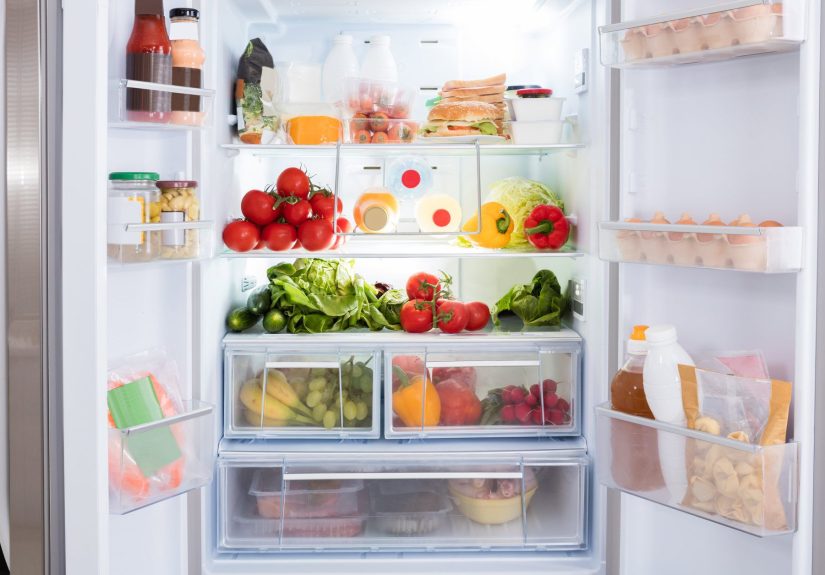
Top shelf: ready-to-eat and leftovers
The top shelf is a great home for foods that don’t need cookingleftovers, prepared meals, drinks you grab often, and snacks.
Keep these items front-and-center so they actually get eaten. Consider it your “eat me first” stage.
Middle shelves: dairy and everyday staples
Middle shelves are often a stable temperature zone, making them ideal for milk alternatives, yogurt, cheese, and frequently used ingredients.
If you’re trying to eat healthier snacks, make this the “grab zone” at eye level.
Bottom shelf: raw proteins (and yes, always the bottom)
Store raw meat, poultry, and seafood on the lowest shelf to prevent drips from contaminating other foods.
A simple leak-proof tray or bin adds extra protection and makes cleanup easier.
Crisper drawers: produce with a purpose
Crisper drawers are designed to manage humidity. Many fridges let you adjust settings:
high humidity for veggies (especially leafy greens) and low humidity for fruitsparticularly those that produce ethylene gas
(which can speed ripening and spoilage in sensitive produce nearby).
Door storage: condiments and sturdy items
The door is convenient, but it’s warmer and fluctuates more. Think condiments, jams, pickles, and beverages.
Avoid placing very temperature-sensitive foods here when possible.
Storage Tools That Actually Create Space (Not Just Pinterest Vibes)
1) Clear bins to “file” food by category
Clear bins are the MVP of fridge organization because they turn piles into zones. Assign bins by purpose:
- Breakfast bin: cream cheese, jam, butter, tortillas, smoothie add-ins
- Snack bin: yogurt tubes, string cheese, fruit cups
- Lunch bin: deli meat, sliced cheese, sandwich toppings
- Meal prep bin: chopped veggies, cooked grains, sauces
- Leftovers bin: the “eat this first” headquarters
Pick bins with handles so you can pull the whole category out at onceless rummaging, fewer knocked-over jars.
2) A lazy Susan for condiments (especially the weird little jars)
Turntables aren’t just for fancy dinner parties. A lazy Susan in the fridge keeps sauces and jars visible and reachable.
Use one for condiments and another for “small-but-important” items like pesto, curry paste, and that one jar of capers you swear you use.
3) Stackable drawers and risers for vertical space
Refrigerators waste vertical space when items sit directly on shelves with air above them. Stackable drawers and shelf risers create “levels”
so you can store, for example, yogurt under cheese, or drinks under meal-prep containerswithout everything collapsing like a dairy Jenga tower.
4) A dedicated “small items” container
Small items become clutter fast: tubes of paste, mini jars, lemon wedges, ginger, half-used onions (covered), baby carrots.
Put them in one shallow bin so they stop rolling around and disappearing behind the milk.
5) Labels that reduce confusion (and passive-aggressive fridge notes)
Labels aren’t about aestheticsthey’re about speed and consistency. Label bins by category and consider date labels for leftovers.
If multiple people use the fridge, labels become the shared language that prevents “Where does this go?” chaos.
Organize Produce Like a Pro (So It Stops Turning Into Compost)
Separate fruits and vegetables (especially when ethylene is involved)
Some fruits release ethylene gas, which can speed ripening. Keep ethylene producers (like certain apples and pears) away from ethylene-sensitive produce
when possible. If your fridge has two crispers, use them intentionally: one for vegetables, one for fruits.
Don’t overstuff crispers
Airflow matters. Overpacked drawers bruise produce and reduce circulation. A loosely filled drawer helps items stay fresher and makes it easier to see what you have.
Use liners for easy cleanup
Washable liners or mats in drawers catch spills and grime. When things get messy (they will), remove the liner, wash it, and you’re back in business.
Food Safety Meets Functionality (The “Please Don’t Get Sick” Section)
Keep cold foods cold40°F and under is the safety line
Food safety guidance commonly emphasizes keeping the refrigerator at 40°F or below to slow bacterial growth.
If you’ve ever wondered why leftovers sometimes go bad fast, temperature swings and overcrowding are frequent culprits.
Store raw proteins on the bottom shelf in a contained way
Raw meat should be placed low and ideally in a tray or bin to prevent leaks. This is one of the simplest organization habits that also upgrades safety immediately.
Follow the “two-hour rule” for putting food away
Perishable foods shouldn’t sit out too long. If you meal prep or host dinners, cool and store leftovers promptly.
Organization helps here: if you already have a leftovers zone and empty containers ready, you won’t procrastinate until it’s questionable.
Create High-Function “Grab Zones” for Real Life
Kid-friendly snack zone
Put snacks on a lower shelf in a bin that’s easy to pull out. When snacks are accessible, kids stop digging through everything like tiny raccoons.
Bonus: you can stock the bin with healthier options and reduce constant “Do we have snacks?” negotiations.
Weeknight dinner zone
Keep the ingredients you use most for quick dinners together: tortillas, shredded cheese, jarred sauce, chopped veg, pre-cooked protein.
When your tired brain opens the fridge, it sees a plan instead of chaos.
Beverage zone
Group drinks together so they don’t sprawl across the fridge. Use a narrow bin for cans and small bottles, and keep tall bottles upright on one side.
This prevents “beverage sprawl” from stealing space intended for actual food.
Maintain It Without Turning Into a Full-Time Fridge Manager
The 10-minute weekly reset
Once a week (pick a day that fits your routine), do a quick reset:
- Wipe spills
- Move older items forward (first in, first out)
- Check the leftovers bin for anything past its prime
- Restock snack and breakfast zones
Use “front-facing” rules to reduce waste
Store newer groceries behind older ones so older food gets used first. This tiny habit can save serious money over timeespecially with produce and dairy.
Keep a simple fridge inventory note
If you’re trying to reduce food waste, keep a small note (paper or a magnetic notepad) listing what needs to be used soon:
“spinach,” “chicken,” “leftover chili,” “half lemon.” You don’t need a complicated appjust a reminder that future-you will appreciate.
Quick Fridge Organization Checklist
- Temperature: confirm it stays cold and steady; avoid overcrowding so air can circulate
- Zones: snacks, breakfast, lunch, meal prep, leftovers, drinks
- Tools: clear bins, labels, a lazy Susan, stackable drawers/risers
- Safety: raw meat on bottom shelf in a tray/bin; ready-to-eat foods up top
- Maintenance: 10-minute weekly reset + first-in-first-out habit
Experience-Based Notes: What Actually Changes When You Organize Your Fridge
Most people don’t wake up craving a refrigerator makeover. The usual motivation is a familiar storyline: you buy groceries with great intentions,
forget what you already own, and rediscover it a week later in the back cornernow with a new texture and a suspicious attitude. The real “experience”
of fridge organization isn’t just a pretty shelf; it’s how your kitchen feels on an average Tuesday when you’re hungry and in a hurry.
The first noticeable change is decision speed. When your fridge has zones, your brain doesn’t do 37 micro-decisions every time you open the door.
Instead of scanning every shelf like a detective, you go straight to “lunch bin” or “weeknight dinner zone.” That sounds small, but it adds up fastespecially
for families or anyone cooking multiple times a day.
The second change is less accidental overbuying. People often report that once they can see what they have (clear bins + grouping), they stop
buying duplicates “just in case.” That’s especially true for condiments, cheese, yogurt, and produce. When the snack bin is visible, you don’t purchase another
box of the same thing because you forgot it existed. It’s like giving your fridge a search functionwithout needing Wi-Fi.
Another real-world shift: leftovers get eaten more. The “leftovers bin” is wildly effective because it removes the hiding places.
Instead of a container being tucked behind a tall bottle, it sits in a designated spot at eye level. People who adopt an “eat this first” zone often find they
waste less food and spend less money on last-minute takeout because there’s already something ready to go.
Organization also improves cleanliness by default. When items live in bins, spills are contained. A leaky berry container doesn’t slime an entire
shelf; it messes up one washable bin. That makes cleaning feel manageable, which makes it happen more often, which keeps the fridge fresher… and suddenly you’re
living in a virtuous cycle you didn’t sign up for, but you’ll take it.
If you live with other people, the biggest “experience” upgrade is shared rules without constant reminders. Labels do the heavy lifting.
Instead of explaining where the deli meat goes every week, the label says “Lunch Stuff” and everyone can pretend they invented the system.
For kids, a snack zone reduces door-open staring contests and cuts down on “Mom/Dad, can I have…?” because the options are already curated and reachable.
Finally, there’s the underrated benefit: your fridge becomes a planning tool. A tidy produce drawer and a visible meal-prep area naturally guide
what you cook first. You start to notice patterns (like which veggies get ignored) and adjust your shopping accordingly. The end result isn’t perfectionit’s a
fridge that supports your life instead of quietly sabotaging it with hidden spinach.
Conclusion
The best fridge organization ideas aren’t about turning your refrigerator into a showroom. They’re about creating more storage through smart zones, using simple
tools that improve visibility, and placing food where it stays fresher and safer. Start with a reset, set your temperature, organize by category, and give leftovers
a dedicated spotlight so they actually get eaten. Then keep it going with a quick weekly reset. Your future self (and your grocery budget) will be very grateful.





 Close
Close