
Table of Contents >> Show >> Hide
- Why Freemans Still Stands Out
- Food and Drink: Comfort With Better Posture
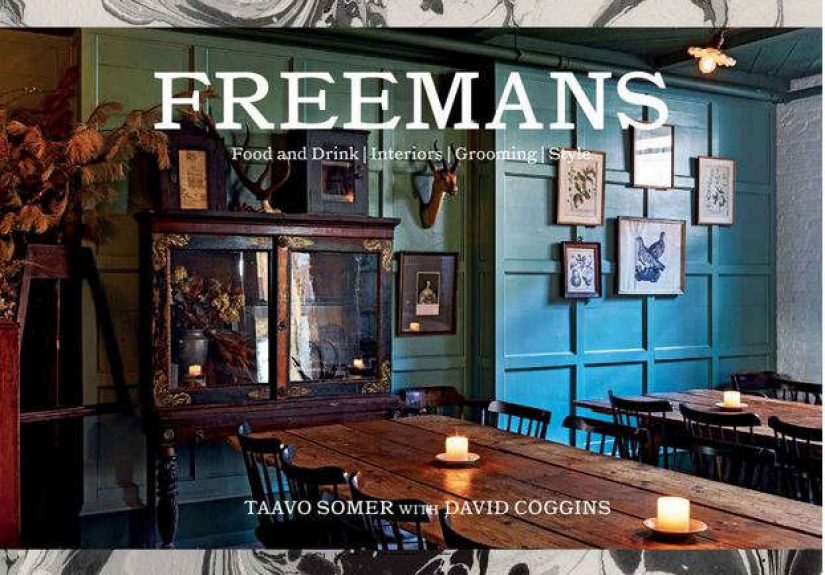
- Interiors: Rustic-Luxe Before Everybody Started Copying It
- Grooming: The Barbershop as a Cultural Room
- Style: Clothes With Backbone
- The Freemans Formula: A Lifestyle Brand That Actually Earned the Label
- Extended Experience: What Living the Freemans Way Actually Feels Like
- Conclusion
Some brands sell products. Freemans sells a mood. More specifically, it sells the kind of mood that makes you want to order a strong cocktail, sit in a weathered wooden chair, get a proper haircut, and suddenly care whether your jacket has honest-to-goodness structure. It is a restaurant story, a design story, a grooming story, and a style story all at once. That is exactly why Freemans: Food and Drink * Interiors * Grooming * Style works as more than a glossy lifestyle title. It reads like a field guide to a world where every detail matters, and where “casual” still has standards.
At the center of that world is Freemans, the downtown New York universe associated with restaurateur and designer Taavo Somer. Over time, what began as a memorable dining destination grew into something broader: a full lifestyle language built around warm hospitality, handcrafted interiors, classic barbering, and rugged-but-refined menswear. That mix helped shape a whole generation of urban taste. In other words, if you have ever walked into a dimly lit restaurant with reclaimed wood, vintage portraits, and a bartender who looked suspiciously well-jacketed, you have probably wandered into Freemans’ long shadow.
This is what makes the Freemans idea so compelling. It is not only about how things look. It is about how spaces behave, how clothes age, how food comforts, and how rituals like grooming or dressing well can feel grounding instead of fussy. In a culture that often treats lifestyle as a pile of disconnected shopping categories, Freemans insists that food, interiors, grooming, and style should talk to each other. Better yet, they should get along.
Why Freemans Still Stands Out
The easiest way to misunderstand Freemans is to reduce it to “rustic cool.” Yes, there is wood. Yes, there are moody rooms, handsome textures, and the occasional sense that a very stylish woodsman has just stepped out for a Negroni. But the real magic is that the brand never feels like an empty costume party. Freemans became influential because it built a complete atmosphere. The food matched the room. The grooming philosophy matched the tailoring. The tailoring matched the architecture. Everything felt edited by the same hand.
That level of coherence is rare. Plenty of places have good food and bad lighting. Plenty of menswear brands have fine jackets and dreadful retail environments. Plenty of barbershops know how to fade hair but not how to create a sense of belonging. Freemans’ appeal has always been that the entire ecosystem feels intentional. You are not just buying a meal, a trim, or a blazer. You are entering a worldview.
And what is that worldview, exactly? Think American craft without the chest-thumping. Think tradition without dust. Think elegance that is more worn leather chair than velvet rope. Freemans understands that luxury does not have to sparkle to feel expensive. Sometimes it just needs the right grain of wood, the right hem break, the right drink glass, and the right playlist humming in the background.
Food and Drink: Comfort With Better Posture
Freemans’ food philosophy is one of its smartest moves. Instead of chasing novelty for novelty’s sake, the brand leans into dishes that feel familiar, satisfying, and grounded. The overall effect is hearty without being heavy-handed. This is not the kind of place that tries to impress you with a paragraph-long description of a carrot. It is more interested in making food that feels deeply craveable and quietly confident.
That matters because Freemans built its reputation in an era when restaurant culture was becoming increasingly performative. Against that backdrop, its approach felt almost rebellious. It embraced the pleasure of recognizable American and Old World influences while making them feel downtown, polished, and memorable. The drinks followed the same rulebook. Instead of gimmicks, Freemans became known for cocktails with seasonal depth, savory intelligence, and the kind of balance that makes one drink turn into two before your table can pretend otherwise.
The larger lesson here is that food at Freemans is not separate from the brand identity. It is the edible expression of the room. Rustic details in the interior become rustic confidence on the plate. A warm, low-lit environment makes sense alongside rich flavors, strong cocktails, and service that feels welcoming instead of theatrical. Freemans did not just serve dinner; it staged dinner as part of a larger sensory argument.
Why the Food Side Still Feels Relevant
Today, when every other concept is trying to become an “experience,” Freemans still feels instructive because it never treated experience as a cheap add-on. The food and drink were part of an atmosphere built from the ground up. That is why the restaurant side of the Freemans story continues to resonate with diners, designers, and hospitality people alike. It offers a reminder that restaurants do not need louder concepts. They need stronger identities.
Interiors: Rustic-Luxe Before Everybody Started Copying It
If Freemans has one superpower, it may be this: making rooms feel collected rather than decorated. That difference is everything. Decorated spaces often look as though they were assembled in a hurry from a mood board and a shopping cart. Collected spaces feel as though they evolved. Freemans built its visual identity around patina, handcrafted furniture, vintage references, warm woods, and a kind of softened roughness that made rooms feel lived in from day one.
That aesthetic became hugely influential because it offered an alternative to slick minimalism. Freemans suggested that beauty could come from irregularity, age, and texture. A room could feel masculine without becoming cold. It could feel nostalgic without turning into a history museum. It could feel special without shouting. This balance is harder to achieve than Instagram makes it look.
The book’s emphasis on interiors is especially important because it shows that Freemans was never just selling a “look.” It was selling spatial psychology. The rooms encourage you to settle in. They lower your shoulders. They make candlelight and dark wood feel less like props and more like emotional architecture. Even the imperfections seem purposeful, which is the highest compliment you can pay a design language trying to avoid sterility.
There is also a practical lesson buried under all the handsome surfaces: materials matter. Freemans’ interiors tell a story about craftsmanship, maintenance, and aging well. The same instincts that value a solid oak table over a disposable imitation also value a garment that improves with wear and a grooming routine based on skill rather than gadget worship. Once again, the categories connect.
Grooming: The Barbershop as a Cultural Room
Long before “men’s grooming” became a retail phrase plastered across expensive face wash, Freemans treated the barbershop as a meaningful social space. This was not just about haircuts. It was about reviving a ritual. The barber chair became part service station, part clubhouse, part reset button. In a city that often moves too fast, that sort of ritual has real value.
What Freemans understood was that grooming is one of the easiest ways to make style feel personal. A well-cut jacket is great, but if your hair says “I lost a fight with humidity and regret,” the jacket is doing too much heavy lifting. The barbershop solved that. It completed the ecosystem. Clothing, interior, and grooming all reinforced one another, creating a full lifestyle proposition that felt unusually holistic.
There is also something refreshingly analog about the Freemans grooming philosophy. It favors skill, texture, and human touch over endless product clutter. The tone is less “buy twelve serums and become a better man” and more “sit down, get cleaned up, and remember that presentation can be a form of self-respect.” That is a much saner message, frankly.
The Real Appeal of the Freemans Grooming Mindset
The grooming piece works because it does not float above the rest of the brand. It is grounded in the same values: craft, continuity, comfort, and confidence. A haircut is not a random transaction in the Freemans universe. It is part of how a man inhabits his clothes, moves through a room, and participates in a certain standard of living. Not flashy. Not vain. Just dialed in.
Style: Clothes With Backbone
Freemans Sporting Club became a key extension of the brand because it translated all of those environmental cues into clothing. The style language was rugged but tailored, vintage-minded but not costume-y, classic but not sleepy. It made room for soft-shouldered jackets, workwear references, sturdy fabrics, and garments that looked better the less precious you were with them.
This approach was important at a moment when menswear was split between hyper-traditional tailoring and trend-chasing streetwear. Freemans offered a third path. It proposed that a man could dress like he appreciated history without looking trapped in it. The result was an aesthetic that felt grounded, masculine, and intelligent. There was polish, but also abrasion. There was romance, but also utility. In fashion terms, that is a hard trick to pull off without becoming ridiculous.
Freemans’ version of style also benefited from being connected to real places. The clothes were not invented in an abstract showroom universe. They came from people who were also thinking about restaurants, bars, architecture, and barbering. That cross-pollination gave the garments more character. They felt worn into existence rather than focus-grouped into blandness.
Most importantly, Freemans helped make “American-made” and “craft-driven” feel aspirational without being preachy. The brand’s tailored pieces, workwear influences, and made-to-measure ethos all pointed toward longevity. Buy less. Buy better. Let things age. Repair what is worth repairing. Develop taste through use instead of constant replacement. That message has only grown more relevant in an era of disposable fashion.
The Freemans Formula: A Lifestyle Brand That Actually Earned the Label
Many brands call themselves lifestyle brands when what they really mean is that they have expanded from shirts into candles. Freemans earns the phrase because it built a believable relationship between categories. Food and drink create hospitality. Interiors create atmosphere. Grooming creates ritual. Style creates silhouette. Put them together and you get identity.
That identity is neither flashy luxury nor faux-humble minimalism. It sits in a more interesting middle space: cultivated ease. Freemans says that good living should be tactile, flavorful, and a little weathered. It should look like somebody cared, but not like somebody panicked. It should feel assembled over time, not delivered all at once in identical beige boxes with assembly instructions and an existential crisis.
This is why the title Freemans: Food and Drink * Interiors * Grooming * Style feels so apt. The asterisks are doing real work. They are connectors, not separators. They say these things belong together. They suggest that taste is cumulative. The meal, the room, the shave, and the jacket are all chapters in the same story.
Extended Experience: What Living the Freemans Way Actually Feels Like
Imagine starting the day in a room that does not try too hard. The chair is scuffed in the right places. The coffee table has actual weight. The light comes in softly, and nothing around you feels disposable. You get dressed in clothes that do not demand attention, but quietly deserve it: a shirt with texture, trousers that hold shape, a jacket that looks even better because it is not perfectly pristine. Already, the Freemans idea begins to make sense. This is not about dressing up for applause. It is about feeling at home in your own skin before the day starts making demands.
Later, you step into a barbershop where no one is trying to sell you a personality transplant in the form of pomade. There is conversation, but not chaos. Skill, but not snobbery. The haircut feels precise, yet the atmosphere stays relaxed. You leave looking sharper, yes, but also feeling less cluttered. That is the understated genius of a good grooming ritual: it makes you feel edited.
By evening, the world of Freemans reveals its full charm. Dinner is not rushed. The room glows instead of glares. The wood, the leather, the glassware, the candlelight, the little imperfections in the architecture all work together like a band that has been rehearsing for years. The cocktail arrives balanced and aromatic, doing that dangerous thing great cocktails do where they taste serious and easy at the same time. The meal lands with the kind of confidence that does not need fireworks. Rich flavors, honest portions, and enough polish to remind you that comfort can still have standards.
But the real experience is emotional. Freemans creates a sense that life can be better organized around rituals worth repeating. Sit down at a good table. Wear clothes that improve with age. Spend time in rooms that calm you down instead of showing off. Learn the difference between something trendy and something enduring. There is generosity in that philosophy. It invites people to participate, not just admire from a distance.
That is why the Freemans universe lingers in memory. You do not leave thinking only about one excellent drink, one handsome jacket, or one flattering haircut. You leave thinking about the way it all fit together. The message is subtle but persuasive: your environment shapes your mood, your rituals shape your confidence, and your taste is not built in one grand gesture but in a hundred small, thoughtful choices. In a noisy world, Freemans offers an appealing alternative. Less spectacle. More texture. Less performance. More presence. And maybe, if the night goes especially well, one more drink than you originally planned. Strictly for design research, of course.
Conclusion
Freemans: Food and Drink * Interiors * Grooming * Style endures because it captures a rare kind of brand intelligence. It understands that people do not experience food, spaces, clothing, and grooming in isolation. They experience them as part of a lifestyle ecosystem. Freemans turned that insight into a distinctive cultural signature: warm but tailored, rustic but refined, nostalgic but never stale.
For readers interested in hospitality, design, men’s style, or simply the mechanics of good taste, Freemans remains a fascinating case study. Its greatest achievement is not that it influenced trends. Trends are cheap. Its achievement is that it made coherence feel desirable. It built a world where atmosphere and function support each other, where craftsmanship has emotional weight, and where style is measured not by noise but by character. That is a lesson worth stealing, preferably while wearing a well-cut jacket and holding a very good cocktail.







 Close
Close