
Table of Contents >> Show >> Hide
- Can food really help you heal faster?
- The nutrients your body wants most during recovery
- 1. Protein: the headliner of healing
- 2. Vitamin C: the collagen assistant
- 3. Vitamin A: support for immune health and cell growth
- 4. Zinc: the quiet overachiever
- 5. Iron: oxygen delivery matters
- 6. Healthy fats and omega-3s: useful for the bigger picture
- 7. Calcium and vitamin D: especially important for bone healing
- 8. Fluids: the underrated recovery tool
- Best foods that speed up healing
- A simple day of eating for healing
- Foods and habits that can slow recovery
- Real-life recovery experiences: what eating while healing often feels like
- Conclusion
When your body is trying to recover from surgery, a hard workout gone wrong, a broken bone, a stubborn wound, or even a brutal bout of illness, it suddenly becomes the world’s busiest construction site. Cells are repairing damage, tissues are rebuilding, inflammation is being managed, and your immune system is clocking overtime. In other words, your body is not asking for random snacks and crossed fingers. It wants raw materials.
That is where healing foods come in. No single food can wave a magic wand and make you heal overnight. If only blueberries could fill out paperwork, answer emails, and regenerate tissue in one afternoon. But the right mix of protein, fluids, vitamins, minerals, and healthy fats can absolutely support faster, smoother recovery by giving your body the building blocks it needs to do its job well.
If you have been searching for foods that speed up healing, the smartest answer is not one “superfood.” It is a recovery-friendly way of eating built around enough calories, enough protein, and key nutrients such as vitamin C, vitamin A, zinc, iron, calcium, and vitamin D. Below, we break down what matters most, which foods deserve a regular spot on your plate, and how to eat when your appetite is acting like it went on vacation.
Can food really help you heal faster?
Yes, but let’s keep it honest. Food does not replace stitches, physical therapy, antibiotics, wound care, or medical advice. What it does do is support normal healing processes. Your body needs energy to repair tissue, protein to rebuild it, fluids to transport nutrients, and vitamins and minerals to help manage collagen production, immune defense, oxygen delivery, and cell growth.
When you do not eat enough, healing can drag. Recovery often becomes harder if you are skimping on protein, not drinking enough fluids, or missing key nutrients for weeks at a time. That is why many healthcare teams focus on nutrition after surgery, during wound care, and throughout injury recovery.
The nutrients your body wants most during recovery
1. Protein: the headliner of healing
If healing had a VIP guest list, protein would show up first and act like it owns the place. Your body uses protein to repair skin, muscle, blood vessels, and connective tissue. It also helps support immune function. If you are healing from a cut, surgery, sprain, or fracture, protein needs can rise.
Great protein-rich foods for healing include:
- Eggs
- Chicken and turkey
- Fish and seafood
- Greek yogurt and cottage cheese
- Milk or fortified soy milk
- Tofu, tempeh, and edamame
- Beans, lentils, and split peas
- Lean beef or pork
- Protein smoothies made with yogurt, milk, or nut butter
If you are not very hungry, smaller protein-packed meals often work better than trying to conquer a giant plate three times a day. Recovery is not a competitive eating event.
2. Vitamin C: the collagen assistant
Vitamin C helps your body make collagen, which is a major structural protein in skin, tendons, ligaments, cartilage, and blood vessels. It also helps with iron absorption and supports immune defenses. That makes vitamin C-rich foods especially useful when your body is patching things up.
Top vitamin C foods include:
- Oranges and grapefruit
- Strawberries
- Kiwi
- Bell peppers
- Broccoli
- Brussels sprouts
- Tomatoes
- Potatoes
- Cabbage and kale
A simple trick: pair iron-rich foods with vitamin C foods. Beans with salsa, spinach with strawberries, or turkey with roasted peppers is not just tasty. It is a smart recovery combo.
3. Vitamin A: support for immune health and cell growth
Vitamin A helps with cell growth and immune function, both of which matter when your body is repairing tissue. You can get preformed vitamin A from animal foods and provitamin A carotenoids from colorful produce. Translation: orange and dark green foods deserve some love.
Helpful vitamin A foods include:
- Sweet potatoes
- Carrots
- Butternut squash
- Pumpkin
- Spinach and kale
- Cantaloupe
- Eggs
- Dairy foods
These foods fit easily into soups, mashed side dishes, smoothies, and bowls, which is useful when you want nutrition without a lot of effort.
4. Zinc: the quiet overachiever
Zinc helps your body make proteins and DNA, supports the immune system, and plays a role in wound healing. It is one of those nutrients you rarely brag about at dinner, yet it does a surprising amount of heavy lifting behind the scenes.
Foods with zinc include:
- Beef
- Pork
- Chicken
- Oysters and other shellfish
- Beans and lentils
- Nuts and seeds
- Whole grains
- Dairy foods
More is not always better, though. Zinc supplements can interact with medications and cause problems if overused, so it is best not to freestyle with high-dose pills unless your clinician recommends them.
5. Iron: oxygen delivery matters
Your body needs iron to make hemoglobin and myoglobin, proteins that help carry and store oxygen. Since healing tissue needs oxygen, iron matters more than many people realize, especially after blood loss, surgery, or prolonged poor intake.
Iron-rich foods include:
- Lean red meat
- Turkey
- Chicken thighs
- Beans and lentils
- Tofu
- Spinach
- Iron-fortified cereals
- Pumpkin seeds
Plant sources of iron can be helpful too, especially when paired with vitamin C-rich foods to improve absorption.
6. Healthy fats and omega-3s: useful for the bigger picture
Healthy fats help you get enough calories when your appetite is low, and some foods rich in omega-3 fats fit nicely into a recovery-focused eating plan. Think salmon, sardines, trout, walnuts, chia seeds, flaxseed, avocado, and olive oil. These foods are not miracle cures, but they can add energy, nutrients, and variety when everything else tastes like cardboard.
7. Calcium and vitamin D: especially important for bone healing
If you are healing from a fracture or orthopedic surgery, bone-supporting nutrients matter even more. Calcium helps build and maintain bone, and vitamin D helps your body absorb calcium.
Helpful choices include:
- Milk, yogurt, and cheese
- Fortified soy milk or other fortified plant milks
- Calcium-set tofu
- Sardines or canned salmon with bones
- Fortified cereals
- Eggs and fatty fish for vitamin D
8. Fluids: the underrated recovery tool
Hydration deserves more credit. Fluids help move nutrients where they are needed and support normal body functions during recovery. If you are dehydrated, tired, feverish, constipated, or not eating much, everything feels harder.
Good options include water, milk, broth-based soups, smoothies, oral rehydration drinks when needed, and high-water foods such as fruit, yogurt, and soup. If you are dealing with vomiting, diarrhea, fever, or poor intake, fluids become even more important.
Best foods that speed up healing
If you want the short list, these foods are some of the best picks to keep around during recovery:
Eggs
Eggs are one of the easiest healing foods to work into a busy or low-energy day. They provide high-quality protein and are simple to scramble, boil, or fold into toast, rice, or soup.
Greek yogurt
Greek yogurt offers protein, calcium, and a texture that is easy to tolerate when chewing feels annoying. Add berries for vitamin C and honey if you need a gentle nudge to eat.
Salmon
Salmon brings protein, healthy fats, and vitamin D to the table. It is especially useful if you want something hearty that does not feel heavy.
Chicken soup
Yes, the cliché survives because it earns its paycheck. Chicken soup can provide protein, fluids, sodium, and vegetables in one bowl. It is comforting, easy to eat, and surprisingly practical.
Beans and lentils
These are budget-friendly recovery staples. They offer protein, iron, zinc, and fiber, which can help if pain medications or inactivity have made your digestion sluggish.
Sweet potatoes
Sweet potatoes are rich in carbohydrates for energy and loaded with vitamin A precursors. They are also soft, easy to mash, and pair well with savory or slightly sweet flavors.
Bell peppers
Bell peppers are a vitamin C powerhouse. Add them to omelets, stir-fries, soups, grain bowls, or snack plates.
Berries
Berries bring vitamin C, fluid, and easy snack appeal. They are perfect for yogurt bowls, oatmeal, smoothies, or late-night fridge wandering with purpose.
Leafy greens
Spinach, kale, and similar greens supply vitamins and minerals that help round out a healing-friendly diet. Toss them into soups, smoothies, eggs, or pasta sauces if salads feel too aggressive.
Nuts and seeds
Pumpkin seeds, walnuts, almonds, chia, and flax can add zinc, healthy fats, calories, and crunch. Sprinkle them on yogurt, oatmeal, or roasted vegetables.
Cottage cheese
This often-overlooked classic is high in protein and easy to eat. Pair it with pineapple, tomatoes, or crackers for a simple recovery snack.
Smoothies
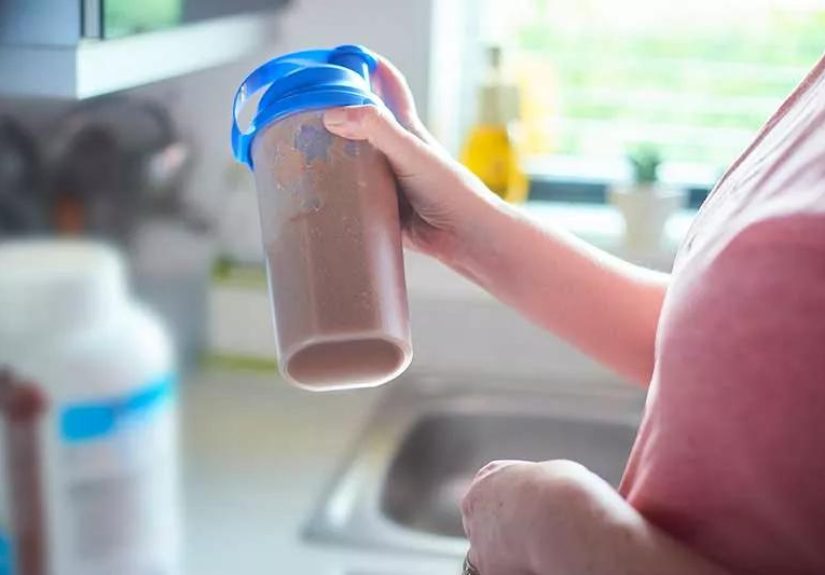
When your appetite is low, smoothies can be a lifesaver. Blend milk or fortified soy milk, Greek yogurt, berries, banana, peanut butter, and even spinach for a nutrient-dense meal that does not require much effort.
A simple day of eating for healing
If you feel overwhelmed, here is what a practical recovery-focused day might look like:
- Breakfast: Greek yogurt with berries, granola, and pumpkin seeds
- Snack: Smoothie with milk, banana, peanut butter, and spinach
- Lunch: Chicken soup with beans and a side of fruit
- Snack: Cottage cheese with sliced kiwi or strawberries
- Dinner: Salmon, mashed sweet potatoes, and roasted broccoli
- Evening snack: Toast with scrambled eggs or hummus
This kind of pattern helps you get protein repeatedly throughout the day instead of hoping one heroic dinner will fix everything.
Foods and habits that can slow recovery
Healing-friendly eating is not just about what to add. It is also about what can quietly get in the way.
- Undereating: Not getting enough calories can make healing harder, even if you are trying to “eat clean.”
- Too little protein: This is one of the biggest nutrition mistakes during recovery.
- Too much alcohol: Alcohol can interfere with recovery, hydration, sleep, and appetite.
- Living on convenience snacks alone: Crackers and soda might be easy, but they are not enough for tissue repair.
- Skipping fluids: Dehydration can make fatigue, dizziness, constipation, and poor intake worse.
If you have diabetes, digestive issues, kidney disease, swallowing trouble, or a large wound, your nutrition needs may be more specific. That is a good time to ask for guidance from your doctor or a registered dietitian instead of trying to guess your way through recovery with internet bravado.
Real-life recovery experiences: what eating while healing often feels like
Here is the part many articles skip: healing sounds neat on paper, but in real life, recovery eating can be weird. Really weird. A person can know exactly what they should eat and still spend three days staring at a container of soup like it personally offended them.
One of the most common experiences during recovery is a sudden drop in appetite. After surgery or illness, people often say they know food matters, but nothing sounds good. Heavy meals can feel unappealing, smells may seem stronger than usual, and even favorite foods can land with the charisma of damp wallpaper. In those moments, smaller meals and easy snacks usually work better than forcing giant plates. A smoothie, yogurt bowl, scrambled eggs, toast with peanut butter, or a mug of soup can be much more realistic than a full “balanced dinner.”
Another common experience is that fatigue changes everything. When you are tired, chopping vegetables can feel like preparing for a survival show. Recovery often goes better when the food plan is simple: rotisserie chicken, frozen vegetables, canned beans, microwave rice, pre-cut fruit, yogurt cups, oatmeal packets, and ready-to-blend smoothie ingredients. This is not the season to judge yourself for not making quinoa from scratch while simmering homemade bone broth and alphabetizing your spice rack.
People also notice that pain, medications, or inactivity can change digestion. Constipation after surgery is incredibly common, and it can make eating even less appealing. That is where fluids, fruit, vegetables, beans, oats, and other fiber-containing foods can help, as long as your clinician has not told you to limit them. Sometimes the healing menu is less about “superfoods” and more about getting your body back into a comfortable rhythm.
Taste changes can show up too. Some people recovering from illness or treatment say foods taste metallic, bland, too sweet, or just plain wrong. Cold foods may go down easier than hot ones. Crunchy foods may be annoying if your mouth or throat is sore. Soft foods like yogurt, cottage cheese, oatmeal, mashed sweet potatoes, smoothies, eggs, and tender fish often become the heroes of the week.
There is also the emotional side of healing. A lot of people describe feeling frustrated that recovery takes longer than expected. You may want to “bounce back” immediately, while your body is asking for naps, hydration, and lunch at odd hours. Eating well during this phase can feel less glamorous than dramatic transformation stories online, but it is often what steady progress actually looks like: a protein-rich breakfast, a glass of water, leftovers for lunch, fruit in the afternoon, and dinner simple enough that you will actually eat it.
And then there is the small but mighty joy factor. Warm soup after a long day, toast when your stomach finally settles, a smoothie that tastes normal again, or the first meal that makes you feel like yourself can be surprisingly encouraging. Healing is not only biological. It is emotional, practical, and sometimes deeply ordinary. Good recovery food meets you there. It does not need to be fancy. It needs to be doable.
Conclusion
The best foods that speed up healing are not trendy miracle bites with dramatic marketing. They are dependable, nutrient-rich foods that help your body do repair work well: protein foods, vitamin C-rich fruits and vegetables, vitamin A sources, zinc-rich choices, iron-containing meals, healthy fats, bone-supporting foods, and plenty of fluids. In short, recovery nutrition looks a lot like solid everyday eating, just with a sharper purpose.
If you are healing from an injury, surgery, illness, or wound, focus on consistency over perfection. Eat enough. Get protein several times a day. Keep vitamin-rich produce in the mix. Drink fluids like you mean it. And when your appetite disappears, make things easy rather than ideal. Your body is doing complicated work behind the scenes. Give it a better toolbox.







 Close
Close