
Table of Contents >> Show >> Hide
- Why Everything Bagel Gluten-Free Crackers Work So Well
- What “Gluten-Free” Should Mean in Real Life
- The Ingredients That Make Great Gluten-Free Crackers
- How to Make Everything Bagel Gluten-Free Crackers at Home
- Tips for Better Texture
- Best Ways to Serve Everything Bagel Gluten-Free Crackers
- What to Look for in Store-Bought Versions
- Are They Actually Better Than Regular Crackers?
- Kitchen Experiences: What These Crackers Are Like in Real Life
- Final Thoughts
If an everything bagel and a crisp snack cracker had a delicious little identity crisis, this would be the result. Everything bagel gluten-free crackers deliver the same savory magic people love in an everything bagelsesame seeds, poppy seeds, garlic, onion, and that salty-satisfying crunchwithout relying on wheat flour. In other words, they bring bagel-shop energy to your snack board, lunch box, soup night, and “I just need something crunchy right now” moment.
They also happen to be a smart fit for readers looking for gluten-free crackers that don’t taste like cardboard with self-esteem issues. The best versions are crisp, thin, and deeply toasty, with enough structure to handle dips and spreads without snapping under pressure like a stressed-out reality TV contestant.
This guide breaks down what makes everything bagel gluten-free crackers so appealing, which ingredients matter most, how to make them at home, what to look for if you buy them, and how to keep the whole process truly gluten-free. Think of it as your crunchy, seedy, very snackable field manual.
Why Everything Bagel Gluten-Free Crackers Work So Well
The flavor profile is doing a lot of heavy lifting here, and frankly, it deserves a raise. Everything bagel seasoning is beloved because it layers nuttiness, savory depth, gentle sharpness, and salt in one quick hit. Sesame seeds bring warmth and toastiness. Poppy seeds add crunch and a faint nuttiness. Dried onion and garlic make everything smell like a bakery had a great idea. Salt ties the whole thing together.
Now move that flavor package onto a cracker and something even better happens: the seasoning gets distributed across a thin, crisp surface that maximizes every bite. A bagel is great, but it is also, let’s be honest, a commitment. A cracker is lighter, crispier, and more versatile. It can be topped, dipped, stacked, or devoured plain while standing in front of the pantry pretending you are “just checking something.”
For gluten-free eaters, this style of cracker is especially appealing because it does not need to mimic a chewy artisan loaf. Crackers are supposed to be crisp and snappy, which makes them a natural win for gluten-free baking. When the dough is rolled thin, baked until dry, and cooled completely, the result can be wonderfully crunchy without needing wheat.
What “Gluten-Free” Should Mean in Real Life
Before we get to the tasty stuff, a quick but important reality check: if you are making or buying crackers for someone with celiac disease, gluten-free is not just a trendy label. It matters that the product is made with ingredients that are actually gluten-free and protected from cross-contact.
That means reading labels carefully, choosing certified or clearly labeled gluten-free ingredients when possible, and being cautious with seasonings, oats, flour blends, and bulk-bin products. Even ingredients that seem naturally gluten-free can become a problem if they are processed on shared equipment. In a shared kitchen, clean tools, clean baking sheets, clean parchment, and clean storage containers matter a lot. Tiny crumbs can create big problems.
So yes, the crackers should be fun. They should also be safe. Both things can be true, and snack time is better when they are.
The Ingredients That Make Great Gluten-Free Crackers
1. Almond Flour for Richness and Crispness
Almond flour is a star in many gluten-free cracker recipes because it adds richness, a delicate nutty flavor, and a pleasantly crisp finish when baked thin. Finely ground almond flour works especially well because it creates a more uniform dough and a more delicate cracker. Coarse almond meal can still work, but the texture will be a little more rustic and less refined.
2. Tapioca Starch for Snap and Structure
If almond flour is the flavor anchor, tapioca starch is often the textural secret weapon. It helps gluten-free dough hold together and gives crackers a lighter, crisper bite. Without a starch component, some gluten-free crackers can veer into “pleasantly nutty tile sample” territory. A little tapioca helps avoid that.
3. Egg or Another Binder
Because gluten-free dough lacks gluten’s natural elasticity, it usually needs help binding together. Egg is a simple, effective choice for home crackers because it creates cohesion and helps with browning. Some recipes use xanthan gum or psyllium husk for extra structure, especially when working with gluten-free flour blends rather than nut flour alone.
4. Olive Oil or Butter for Tender Crunch
A modest amount of fat improves both flavor and texture. Olive oil keeps the dough easy to roll and gives the finished cracker a crisp, slightly savory finish. Butter adds richness and a more classic snack-cracker flavor. Neither is wrong. This is a choose-your-own-snack-adventure situation.
5. Everything Bagel Seasoning
The usual mix includes sesame seeds, poppy seeds, dried garlic, dried onion, and salt. Some versions include black sesame seeds for stronger contrast, while others dial back the salt so the crackers can be paired with salty toppings like smoked salmon, cream cheese, or feta without turning into sodium confetti.
How to Make Everything Bagel Gluten-Free Crackers at Home
Homemade crackers sound fancy, but they are surprisingly approachable. The key is not culinary drama. The key is rolling the dough thin enough, seasoning it confidently, and baking it long enough to dry out properly.
A Simple Formula
- 1 1/2 cups finely ground almond flour
- 1/4 cup tapioca starch
- 1 large egg
- 1 tablespoon olive oil
- 1/2 teaspoon kosher salt
- 1 teaspoon garlic powder or dried minced garlic
- 1 teaspoon dried minced onion
- 1 tablespoon sesame seeds
- 1 teaspoon poppy seeds
- Freshly cracked black pepper, optional
Method
- Preheat the oven to 350°F.
- Mix the dry ingredients, then stir in the egg and olive oil until a cohesive dough forms.
- Place the dough between sheets of parchment and roll it to about 1/8-inch thick or slightly thinner.
- Remove the top parchment, cut into squares or rectangles, and prick the surface lightly with a fork.
- Sprinkle a little extra everything bagel seasoning on top and gently press it in.
- Bake until the crackers are dry, lightly golden, and darker around the edges, usually 14 to 18 minutes depending on thickness.
- Cool completely before judging the texture. Warm crackers often lie. Cool crackers tell the truth.
If the center crackers are still slightly soft after cooling, return them to the oven for a few extra minutes. This is a cracker, not a brownie. “Slightly underbaked” is not the vibe.
Tips for Better Texture
Roll Thin, Then Roll a Tiny Bit Thinner
The difference between a delicate cracker and a sturdy gluten-free biscuit impersonating a cracker usually comes down to thickness. Thin dough bakes more evenly, dries faster, and shatters more pleasantly.
Dock the Dough
Pricking the dough with a fork helps prevent puffing. That keeps the surface flatter and more cracker-like. It is a tiny step, but it makes a real difference.
Let Them Cool Fully
Many crackers continue to crisp as they cool. This is one of the hardest kitchen lessons because the smell says, “Eat me now,” while the texture says, “Give me five minutes.” Listen to the texture.
Watch the Edges
The perimeter usually browns first. If needed, remove the edge pieces early and let the center pieces bake a bit longer. Gluten-free crackers are often a game of small adjustments, not grand gestures.
Best Ways to Serve Everything Bagel Gluten-Free Crackers
These crackers are not shy. They bring enough flavor to stand alone, but they also play well with a wide range of toppings and dips.
- With cream cheese: the classic move, because some flavor combinations become classics for a reason.
- With hummus: especially roasted garlic or lemon hummus.
- With smoked salmon: top with cream cheese, cucumber, dill, and salmon for a mini bagel-board effect.
- With egg salad: the savory onion-garlic profile works beautifully here.
- With soup: tomato soup, butternut squash soup, and creamy vegetable soups all benefit from a crunchy sidekick.
- On a cheese board: they add texture and a familiar savory note among cheeses, fruit, olives, and nuts.
What to Look for in Store-Bought Versions
If you are buying instead of baking, focus on three things: ingredient quality, gluten-free labeling, and texture. The best store-bought everything bagel gluten-free crackers usually include a flour-and-starch combination, visible seeds, and enough fat to keep them crisp rather than dusty.
Look for crackers made with ingredients such as almond flour, rice flour, cassava flour, tapioca starch, or seed blends. Be wary of versions that lean too heavily on starch without enough seasoning or fat, because they can taste flat. Also check sodium levels. Everything bagel seasoning is naturally salty, and some brands go full megaphone with it.
And of course, confirm the package is clearly labeled gluten-free. If the product is meant for someone with celiac disease, extra caution is always a good call.
Are They Actually Better Than Regular Crackers?
Sometimes gluten-free versions are framed as substitutes, as if they are apologizing for existing. But everything bagel gluten-free crackers can be genuinely excellent on their own merits. They are often more flavorful than plain wheat crackers because the seasoning is bold, the seed content is generous, and the flour blends can bring nuttiness that standard crackers do not always have.
They are especially appealing for people who want a cracker with more personality. A plain buttery cracker is lovely. An everything bagel cracker is the one wearing sunglasses indoors and somehow pulling it off.
Kitchen Experiences: What These Crackers Are Like in Real Life
The experience of making everything bagel gluten-free crackers is one of those rare kitchen projects that feels both practical and a little luxurious. The dough comes together quickly, which is great news for anyone who does not want to spend an entire afternoon wrestling with specialty baking. It is not a fussy, temperamental dough that requires a pep talk and a weather report. It is more like, “Mix me, roll me, bake me, and let’s all be happy.”
The first thing you notice is the smell. As the garlic, onion, sesame, and poppy seeds warm in the oven, the kitchen starts giving off serious bagel-shop energy. It is the kind of aroma that makes people wander in and ask what you are making, even if they had no previous interest in crackers as a concept. Suddenly everyone becomes emotionally invested in your baking tray.
Then there is the rolling stage, which is oddly satisfying. Pressing the dough between parchment sheets keeps things neat, and once it starts flattening into a thin rectangle, you can already tell whether you are headed toward a delicate snack cracker or something chunkier and more rustic. That moment of cutting the dough into tidy squares also scratches a very specific organizational itch. It feels productive in the way alphabetizing a spice drawer feels productive, except this one ends with snacks.
The cooling stage is where patience gets tested. Fresh from the oven, the crackers smell incredible, but the texture is still settling. Once fully cool, the best ones snap cleanly and have that light, crisp bite that makes you immediately reach for another. Then another. Then one “for quality control.” Then three more because quality control is a demanding field.
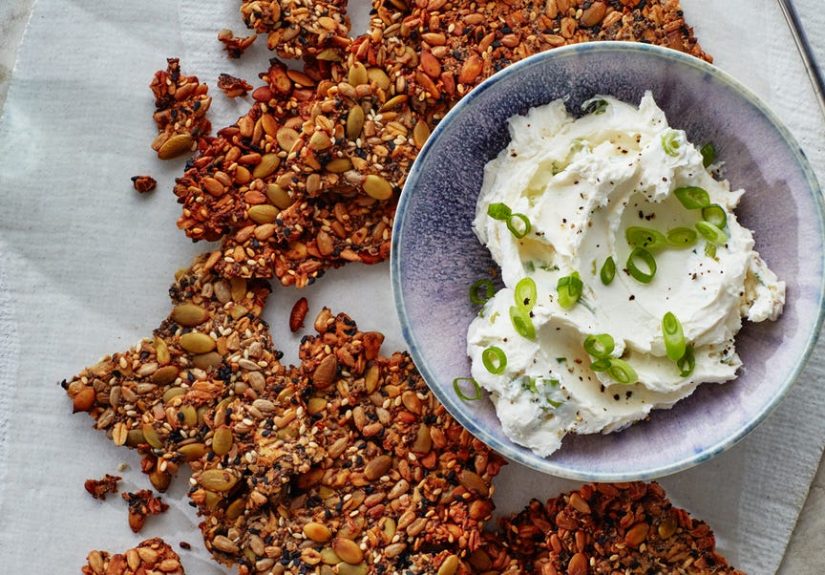
Serving them is where they really earn their keep. Put them next to whipped cream cheese and suddenly people act like you planned a brunch spread. Pair them with tuna salad, hummus, or sliced cucumber and they become the sort of snack that feels put together even if your day definitely was not. On a cheese board, they bring enough flavor to hold their own without overpowering everything else. They are small, but they have main-character confidence.
They are also helpful for people navigating gluten-free eating in everyday life. Finding a gluten-free snack that feels familiar, crunchy, and genuinely enjoyable can be a bigger deal than it sounds. These crackers do not feel like a compromise snack. They feel like a snack you would choose on purpose, which is exactly the point.
And maybe that is the best part of the whole experience. Everything bagel gluten-free crackers hit that sweet spot between practical and craveable. They store well, travel well, and taste good enough to repeat. They can be a lunchbox staple, a party snack, a soup companion, or an emergency nibble when dinner is running late and everyone is becoming dramatically hungry. In a world full of forgettable crackers, these actually leave an impression.
Final Thoughts
Everything bagel gluten-free crackers work because they combine two things people actually want: big flavor and reliable crunch. With the right blend of almond flour or gluten-free flour, a little starch for structure, and a generous hand with seasoning, they become far more than a “special diet” snack. They are crisp, savory, versatile, and genuinely fun to eat.
Make them at home if you want control over ingredients and texture. Buy them if convenience wins the day. Either way, the goal is the same: a cracker that delivers everything-bagel satisfaction without the gluten. And that, friends, is a very solid use of a baking sheet.







 Close
Close