
Table of Contents >> Show >> Hide
Evening primrose oil has been hanging around the supplement aisle long enough to earn a reputation somewhere between “classic natural remedy” and “tiny softgel with very big promises.” People take it for breast pain, PMS, menopause symptoms, skin issues, and even more ambitious goals like labor preparation. That sounds impressiveuntil science walks into the room, clears its throat, and asks for receipts.
This is where evening primrose oil gets interesting. It is not total nonsense, but it is not magic either. It contains gamma-linolenic acid (GLA), an omega-6 fatty acid involved in inflammatory pathways and cell signaling. In theory, that gives it a plausible role in symptoms tied to inflammation, skin barrier function, and hormonal shifts. In practice, the evidence ranges from “maybe, in some small studies” to “nice try, but placebo still wins.”
If you are thinking about using evening primrose oil, the smarter question is not just what is it used for? It is also what does it interact with, who should be careful, and when is it more hype than help? Let’s sort the marketing glow from the medically useful reality.
What is evening primrose oil, exactly?
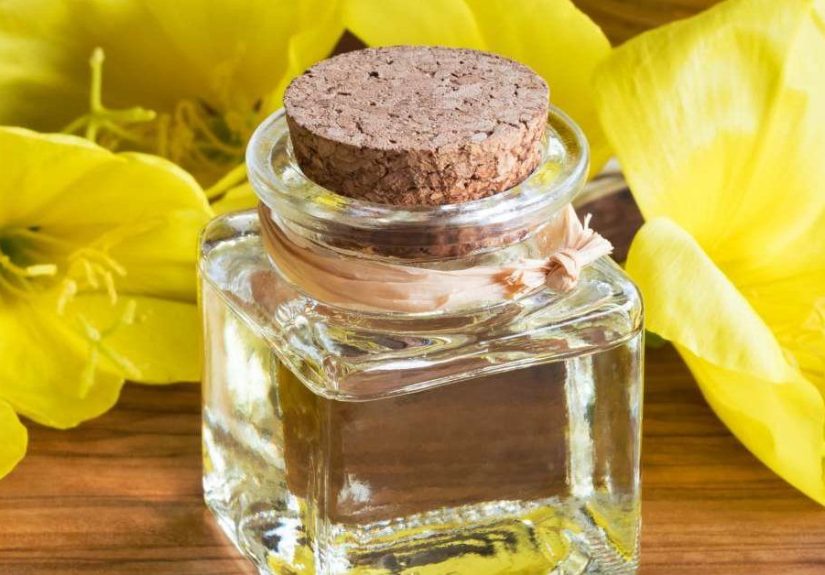
Evening primrose oil, often shortened to EPO, comes from the seeds of Oenothera biennis, a flowering plant native to North America. The oil is rich in linoleic acid and gamma-linolenic acid, or GLA. That second ingredient is the star of the show, at least on supplement labels and wellness blogs with dramatic typography.
GLA is an essential fatty acid derivative that plays a role in the body’s production of signaling molecules related to inflammation and immune response. That biochemical backstory is why evening primrose oil has been promoted for conditions such as eczema, rheumatoid arthritis, cyclical breast pain, premenstrual syndrome, menopausal symptoms, and diabetic nerve pain.
There is only one small catch: a biologically plausible idea does not automatically become a clinically proven treatment. The body is complicated, supplements are messy, and the phrase “may support” has launched more wishful shopping carts than anyone can count.
Common uses of evening primrose oil
1. Breast pain
Breast pain is one of the best-known reasons people reach for evening primrose oil. The idea is that EPO may change fatty acid balance in cells and reduce sensitivity linked to cyclic hormonal changes. That theory has kept it popular for years, especially among people dealing with monthly breast tenderness.
But the evidence is underwhelming. Some older or smaller studies suggested possible improvement, while better reviews and major medical references generally say the benefit is unclear or not meaningfully better than placebo. That does not mean no one feels better on it. It means the overall research does not support calling it a reliable fix.
2. Premenstrual syndrome (PMS)
Evening primrose oil is also marketed for PMS symptoms such as breast tenderness, bloating, irritability, and headaches. Again, the theory sounds tidy: fatty acids influence inflammatory and hormonal signaling, so perhaps symptoms improve.
Reality is less tidy. Research on PMS has been inconsistent, and major reviews do not show strong enough evidence to recommend EPO as a dependable treatment. Some people swear it helps them feel less miserable before their period. Science, however, is still standing in the corner with its arms crossed.
3. Menopause symptoms
Hot flashes, night sweats, sleep disruption, and mood changes have pushed many people toward “natural” menopause remedies, and evening primrose oil is a frequent guest at that party. A few small studies have hinted that it may reduce the severity of hot flashes for some users.
Still, the larger message from mainstream medical sources is that evidence remains limited, mixed, and not strong enough to call it proven. If someone feels better on it, that is their experience. As a general recommendation for menopause relief, it is not a superstar.
4. Eczema and skin health
Evening primrose oil became famous decades ago as a natural option for eczema. Because GLA is tied to skin barrier function and inflammatory balance, the theory made sense. Unfortunately, systematic reviews have not found convincing evidence that oral evening primrose oil meaningfully improves atopic dermatitis.
That said, some users report improved dryness or skin comfort, especially when they also clean up their skincare routine, moisturize consistently, and stop treating their face like it offended them personally. EPO may help some people feel less dry, but it is not a substitute for evidence-based eczema care.
5. Rheumatoid arthritis and inflammatory pain
This is one of the more interesting areas. Some older research suggests GLA-rich oils may reduce morning stiffness, tenderness, or pain in rheumatoid arthritis. The evidence is still not strong enough to make evening primrose oil standard therapy, but this is one of the few uses where the conversation is not immediately shut down.
Even here, the key phrase is adjunctive. EPO is not a replacement for disease-modifying treatment, and it should not be used as a DIY substitute for proper rheumatology care.
6. Diabetic neuropathy and other “maybe” uses
Some drug references and cancer-center monographs note small or preliminary studies on diabetic neuropathy, dry eye symptoms, and certain skin reactions related to medical treatment. These findings are interesting, but they do not turn EPO into a broad, evidence-backed cure-all. At best, they suggest areas for further research. At worst, they create the kind of supplement optimism that ends with a half-used bottle in the kitchen cabinet.
What the evidence really says
Here is the plain-English version: evening primrose oil is widely used, but the strongest medical summaries still say there is not enough good evidence to support it for any health condition with confidence. That is especially true for eczema, cyclical breast pain, PMS, and menopause symptoms, where the product is often marketed most aggressively.
Why the disconnect? Several reasons. Older studies were often small. Some had poor methodology. Doses varied. Product quality varied. Outcome measures were not always consistent. And supplement research, generally speaking, has a bad habit of promising fireworks and delivering a polite sparkler.
So the smartest way to describe evening primrose oil is this: it is a plausible supplement with limited and mixed clinical support. It may help some individuals. It has not earned a gold medal from evidence-based medicine.
Side effects and safety concerns
For most adults, evening primrose oil appears to be reasonably well tolerated when used orally for a short period. The most common side effects are not dramatic, but they are annoying enough to make people quit:
- Upset stomach
- Nausea
- Loose stools or diarrhea
- Headache
- General stomach discomfort
Those side effects are not glamorous, but they are common enough to matter. Natural products do not get bonus points for causing “holistic diarrhea.” If a supplement makes you miserable, your body has already submitted its review.
Who should be especially careful?
- People with bleeding disorders
- People scheduled for surgery
- People with epilepsy or a seizure disorder
- People taking antipsychotic medications associated with seizure risk
- People who are pregnant, especially near delivery, unless specifically guided by an obstetric clinician
- People with hormone-sensitive cancers, depending on the product and formulation
One especially important point: using evening primrose oil to try to start labor is not a casual internet life hack. Research results are inconsistent, and long-term safety for this use is not clearly established. If pregnancy is involved, the “ask TikTok” phase should end and the “ask your clinician” phase should begin immediately.
Drug interactions: where evening primrose oil gets serious
If there is one part of the EPO conversation that deserves a giant fluorescent highlighter, it is drug interactions. This is the part many people skip because the bottle says “natural” and the packaging looks like a spa brochure. Unfortunately, your liver and your clotting system do not care about branding.
1. Anticoagulants and antiplatelet drugs
This is the most important interaction category. Evening primrose oil may increase bleeding risk, especially when combined with medications or supplements that also affect clotting.
Examples include:
- Warfarin
- Aspirin
- Clopidogrel
- Heparin and related injectables
- Some NSAIDs, such as ibuprofen and naproxen
- Other supplements with blood-thinning effects, such as garlic, ginger, ginkgo, turmeric, red clover, saw palmetto, and dong quai
If your medicine cabinet already looks like a clotting-risk group project, do not add evening primrose oil without checking first.
2. HIV medication: lopinavir/ritonavir
Several medical references specifically flag lopinavir/ritonavir because evening primrose oil may affect how quickly the body breaks it down. That can potentially change drug levels and clinical effect. When antiviral therapy is involved, improvisation is not a personality trait worth showing off.
3. Phenothiazines and seizure-related concerns
People taking phenothiazine antipsychotics should be careful with evening primrose oil because of concern about seizure risk. This issue has been debated, and the evidence is not perfectly clean, but caution is still the wise move. If a supplement and a medicine both flirt with seizure threshold, that is not chemistry worth celebrating.
4. CYP3A4 substrate medications
Mayo Clinic also notes caution with drugs affected by CYP3A4 enzymes, including examples such as lovastatin. In plain English, EPO may alter the way the body processes certain medications. That does not mean every CYP3A4 drug will automatically become a problem, but it does mean a pharmacist should get a vote before you start combining things.
5. Blood pressure medicines
Some clinical references advise caution with blood-pressure-lowering medication because evening primrose oil may affect blood pressure. This is not as universally emphasized as the bleeding issue, but it is still worth discussing if you take antihypertensives or already deal with unstable readings.
6. Surgery and anesthesia
Because of bleeding concerns and seizure-related caution, evening primrose oil should generally be stopped before surgery. A common recommendation is to stop it at least two weeks in advance. That applies even if the supplement seems harmless and has been sitting next to your multivitamin pretending to be innocent.
How to use it more safely
- Do not start evening primrose oil without reviewing your full medication list first.
- Tell your clinician or pharmacist about every prescription, over-the-counter medicine, vitamin, herb, and supplement you use.
- Do not stack multiple evening primrose products unless a clinician tells you to.
- Stop it before surgery unless your healthcare team says otherwise.
- Be cautious in pregnancy and do not use it for labor purposes without professional guidance.
- Remember that supplements are not FDA-approved the way prescription drugs are, and product quality can vary.
That last point matters. Dietary supplements are sold under a different regulatory framework than drugs, and they are not approved by the FDA for safety and effectiveness before hitting the market. Translation: quality can vary, labels can be imperfect, and choosing a reputable brand matters more than the front label’s botanical poetry.
Bottom line
Evening primrose oil is a popular supplement with an appealing scientific theory, a long history of use, and just enough promising data to keep people interested. But the overall clinical evidence is still limited and mixed. It is commonly used for breast pain, PMS, menopause symptoms, eczema, and inflammatory complaints, yet strong proof for meaningful benefit remains thin.
That does not make it useless. It makes it conditional. For some people, it may be worth a carefully supervised trial. For othersespecially those on blood thinners, seizure-related medications, HIV medications, or complex treatment regimensit may be more trouble than it is worth. The smartest move is not to assume “natural” means safe, gentle, or automatically compatible with everything else you take.
If you want a one-sentence summary, here it is: evening primrose oil is more “possibly helpful with caveats” than “miracle capsule with flower branding.” And honestly, that is a much safer way to shop.
Real-world experiences with evening primrose oil
In real life, people’s experiences with evening primrose oil usually fall into a few familiar patterns. The first group takes it for cyclical breast pain. They often start because a friend recommended it, a clinician mentioned it as a low-risk option, or the internet promised peace, balance, and other words supplements enjoy borrowing. Some users say they notice less tenderness after a month or two, especially around their period. Others take it faithfully, wait patiently, and feel exactly the sameexcept now they are also annoyed at a bottle of softgels.
The second group tries evening primrose oil for PMS. These users are often hoping for a broad improvement: less bloating, fewer headaches, less emotional chaos, and maybe fewer days of wanting to file a formal complaint against the calendar. Anecdotally, some people say the supplement takes the edge off breast tenderness or helps them feel slightly more stable. Others report that it did not do much at all. That split is exactly why EPO remains popular but not proven. Personal experience can feel convincing, but it does not always line up neatly with stronger research.
Then there are the menopause users. This group often comes to evening primrose oil after deciding they want to try something nonhormonal first. Some report that hot flashes feel a little less intense, or that sleep improves indirectly because nighttime symptoms are less disruptive. Just as many report no real difference. A common theme is that even people who liked EPO rarely describe it as dramatic. It is more often framed as “maybe it helped a bit” than “this changed my life by Tuesday.”
Skin-focused users also show up in the EPO crowd. Some take it for eczema, dry skin, or general skin comfort, especially when they are also using moisturizers and simplifying harsh routines. A few say their skin feels less dry or irritated over time. Others see no change in eczema flares and end up going back to standard dermatology care. That experience makes sense: skin conditions are complicated, and supplements rarely do all the heavy lifting alone.
Another common experience is less about benefit and more about practicality. Some users stop evening primrose oil because of mild nausea, stomach discomfort, loose stools, or headache. Nothing dramaticjust enough to make them think, “I was trying to feel better, not negotiate with my digestive system.” Others stop because they learn about interaction risks after they already started it. This happens often with people taking aspirin, ibuprofen regularly, prescription blood thinners, psychiatric medications, or multiple supplements at once.
Perhaps the most useful real-world lesson is this: evening primrose oil tends to work, if it works at all, as a modest, slow-burn supplement rather than a quick fix. The people most satisfied with it usually have realistic expectations, review interactions before starting, and treat it as one piece of a broader health plannot a floral substitute for actual medical care.







 Close
Close